Veterinarian Muhammad Wahyu has distilled 25 years of caring for Sumatran elephants into a book, revealing the disease challenges and reintroduction efforts crucial to the species' survival.
Veterinarian Muhammad Wahyu, from the Ganesa Aksara Sumatera Foundation in Medan, North Sumatra, has published a book titled Reintroduksi (Reintroduction), coinciding with World Elephant Day on 12 August. The book draws on his 25 years of service dedicated to elephant health in Sumatra, written in novel form and based on real cases he has handled.
Reintroduction is the process of returning captive elephants to their natural habitat, but it is far from simple. Many captive elephants carry diseases such as tuberculosis and tetanus that are dangerous or potentially transmissible if they are released into the wild.
Wahyu outlined three key disease-related challenges facing Sumatran elephant conservation. These are EEHV, a herpes virus that infects calves; tuberculosis, which remains extremely difficult to detect in living elephants; and limited genetic diversity, with only two broad population clans identified across Sumatra.
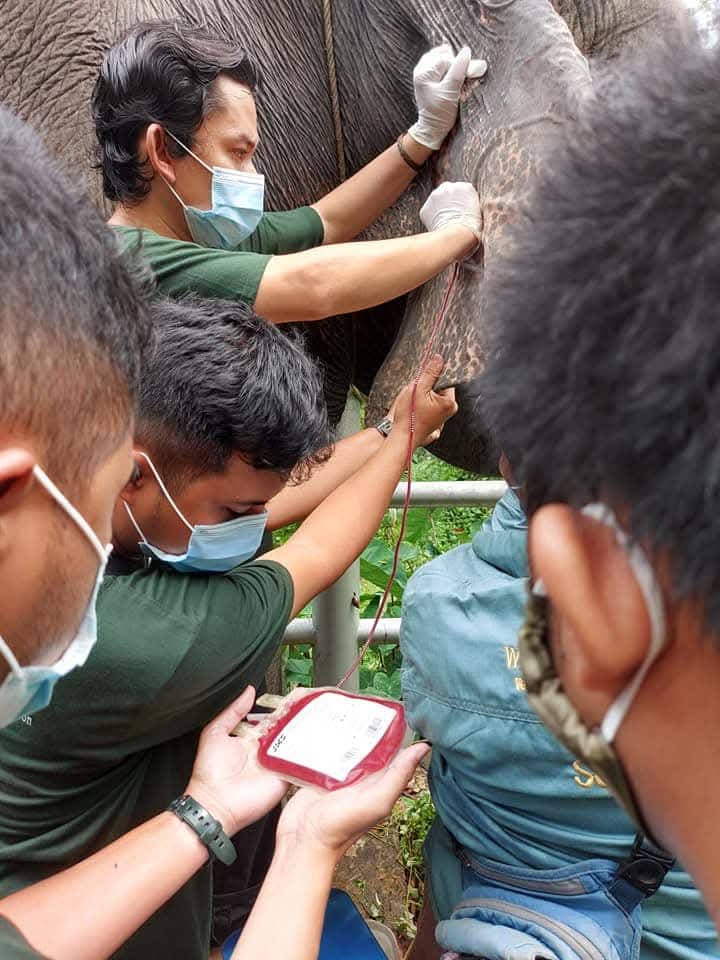
After witnessing elephant deaths from tetanus, Wahyu said he advocated for a government vaccination policy and conducted research on tetanus vaccines for elephants alongside a government institution. He said young elephants aged two to five are most vulnerable to death, while older elephants are more susceptible to TB, which is latent and can only be confirmed post-mortem.
Beyond research, Wahyu said the government's most pressing task is building human capacity. He called for strengthening the elephant healthcare system across all training centres in Sumatra by investing in veterinarians and skilled mahouts.