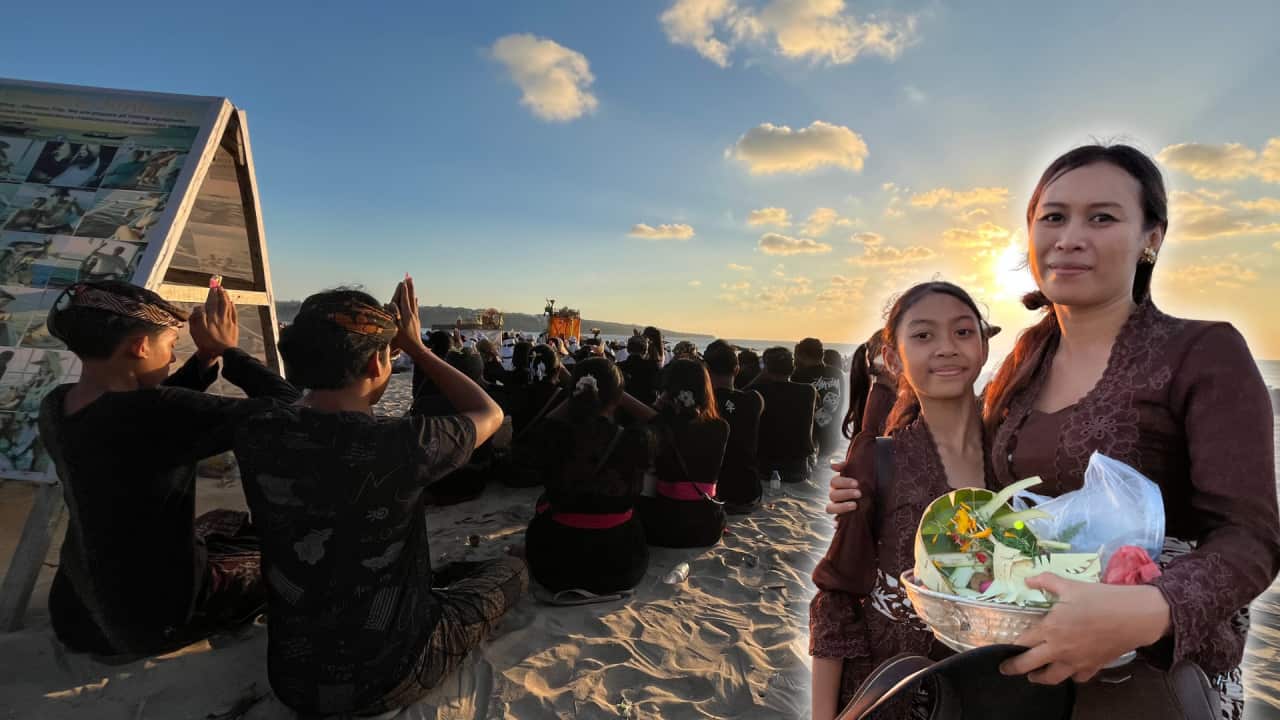
In Indonesian society, ‘gotong royong’ is typically defined as a collective activity undertaken for the common good. The fundamental question now is whether this holds true—that is, is the value of Gotong Royong still held in high regard across all parts of Indonesia? Or has there been a shift in its meaning? If such a shift has occurred, can Gotong Royong still guarantee social cohesion?
Professor Bagong Suyanto is a Professor of Sociology at Airlangga University in Surabaya, while Dr. Monika Winarnita is a Senior Lecturer in Anthropology at the University of Melbourne.
According to Prof. Bagong, the meaning of Gotong Royong (communal cooperation) has shifted compared to the past, as today's postmodern society prioritizes competitiveness, allowing individuals to achieve their personal best. On the other hand, Dr. Monika observes that Gotong Royong activities—such as community service—can sometimes involve forced obligations, becoming a source of pressure or a burden; indeed, failure to participate can often lead to social ostracism. What exactly is this shift in meaning, and how does such ostracism occur? Prof. Bagong and Dr. Monika explain these points and other related aspects of Gotong Royong in detail during their interview with SBS Indonesian. Listen here to their insights on the extent to which Gotong Royongcan ensure social cohesion.