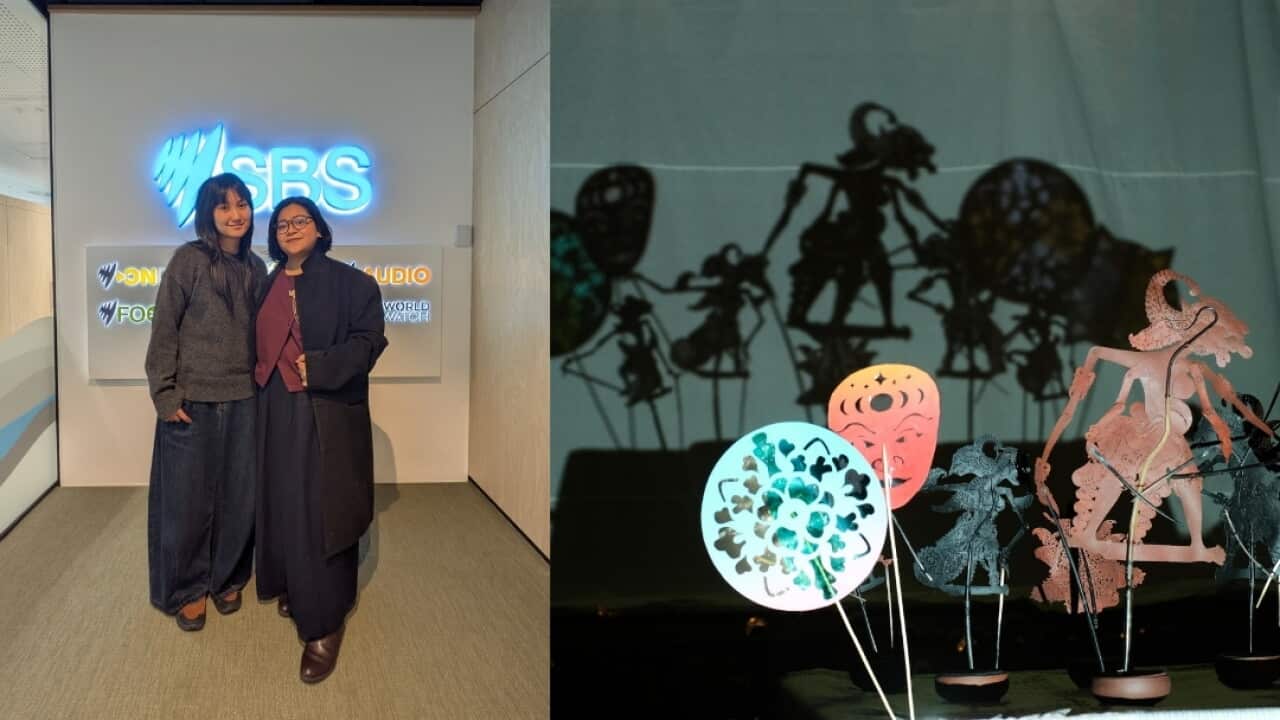

Two Indonesian diaspora artists in Australia, Aisyah Kirana and Addin Sugarda, are reimagining the ancient art of wayang through a free, all-ages shadow puppet workshop.
Wayang has long been associated with traditional Javanese art. But two Indonesian diaspora artists in Australia are pushing the craft into contemporary territory through a shadow puppet workshop open to people of all backgrounds.
The free workshop was part of 'Gerhana', a full-day event staged by Nongkrong Festival on 22 August 2026 in Melbourne to celebrate experimental music and Indonesian culture.
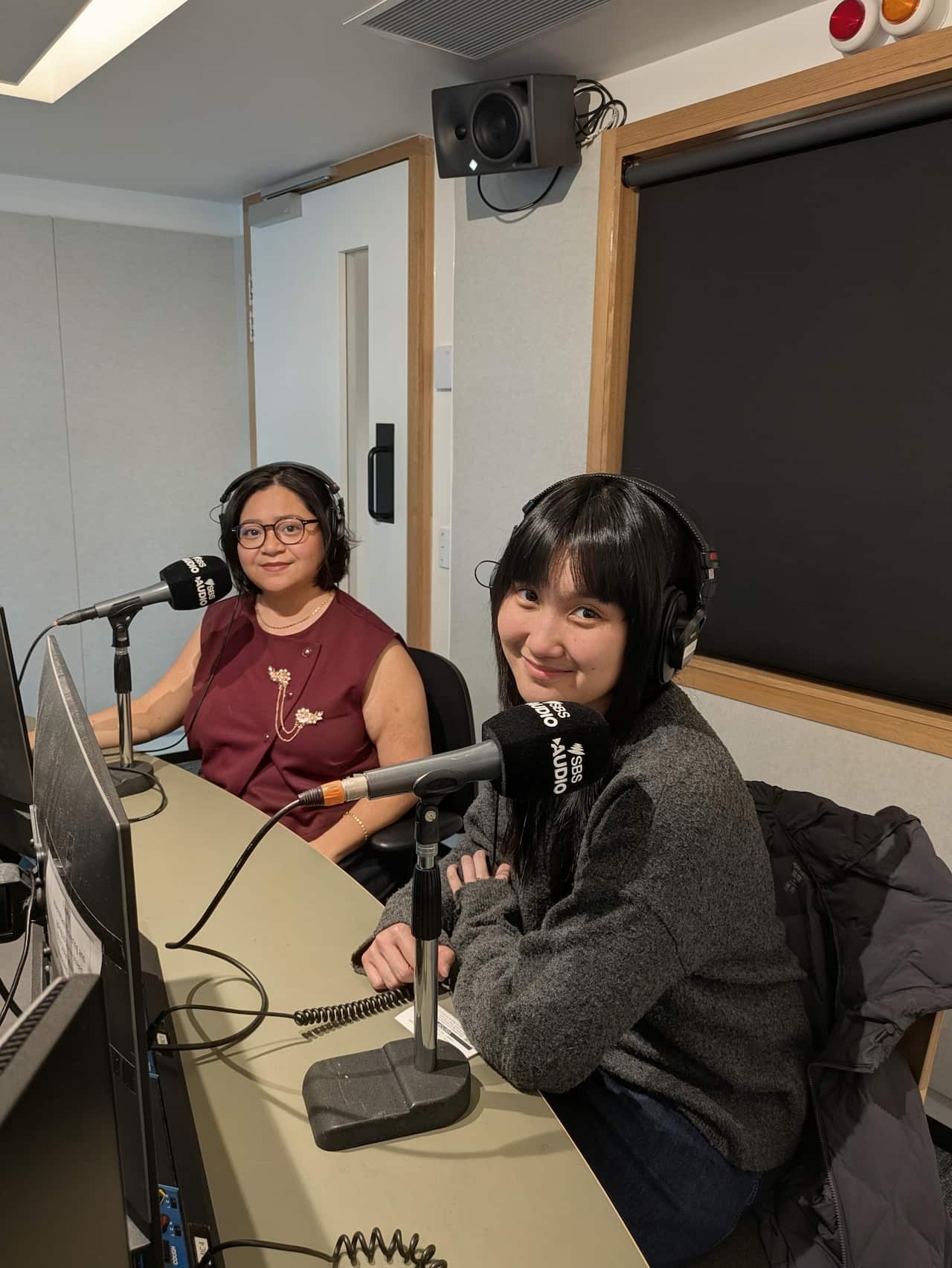
The project brought together Aisyah Kirana, a multidisciplinary artist with experience in workshop facilitation and performance art, and Addin Sugarda, a ceramics artist whose practice centres on Javanese heirlooms and inherited stories.
The workshop went beyond making wayang in its traditional form. The pair designed puppets drawing on motifs and symbols from across Indonesia, including Java, Bali, and the Dayak people, Sugarda said.
[The wayang in this workshop is] actually not based on wayang from Dayak or Bali, but we took inspiration from Dayak and Balinese motifs [and] symbols [to create the wayang].Addin Sugarda
Many Australians have heard of wayang but know only one or two versions of it, Kirana said. She and Sugarda wanted to introduce the art form in a way that felt accessible to a wide audience. The workshop was designed so anyone could take part, regardless of age or artistic experience, she added.
Participants made their own wayang from designs the two artists had prepared. Using scissors and craft knives, they cut out puppet shapes and layered coloured transparencies onto them so the shadows they cast were not just black but full of colour, Kirana said.
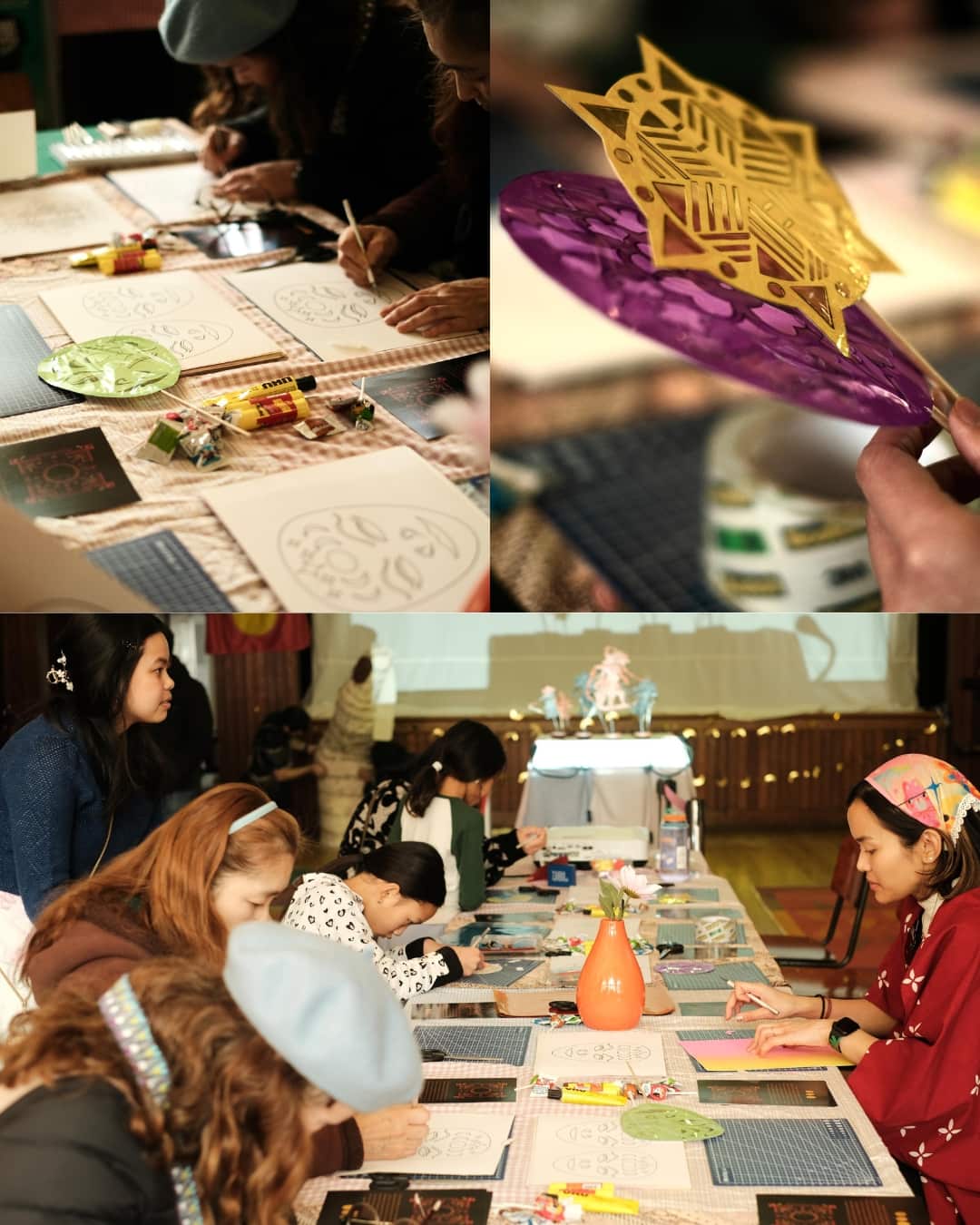
[The] shadow puppet [workshop] can be contemporary because it is a new idea - we want to bring [cultural] representation [from different regions] like this... So people don't always think of wayang as [synonymous with] Java, and can think of alternative motifs from other regions.Aisyah Kirana
The use of coloured transparencies was one of the innovations that set the workshop apart from traditional wayang, Sugarda said. It was a way of building on the traditional art form rather than replacing it, he added.
Interestingly, neither artist has watched a full traditional wayang performance. Growing up in Jakarta, the opportunity to experience wayang in its entirety was rare, even for Indonesians, Sugarda said.
Listen to the full conversation, including the challenges of being an Indonesian diaspora artist in Australia, on the SBS Indonesian podcast.