On August 15, a major earthquake struck East Nusa Tenggara (NTT), causing significant damage across various regencies and resulting in fatalities. Even two weeks after the event, displaced residents were still unable to return to their homes due to ongoing aftershocks and the fact that their houses had sustained damage ranging from minor to moderate and severe.
Official Indonesian government data records 111 deaths, more than 1,670 people injured or falling ill, and around 179,000 people displaced as a result of the NTT earthquake. Around 8,000 aftershocks have occurred, mostly of low intensity.
One survivor, Mustakim, who also serves as the coordinator of an evacuation post in Riung, Ngada Regency, said residents are now sheltering at several locations near government offices or security facilities. Riung, located on the eastern coast of Flores between Nagekeo and East Manggarai regencies, continues to experience aftershocks.
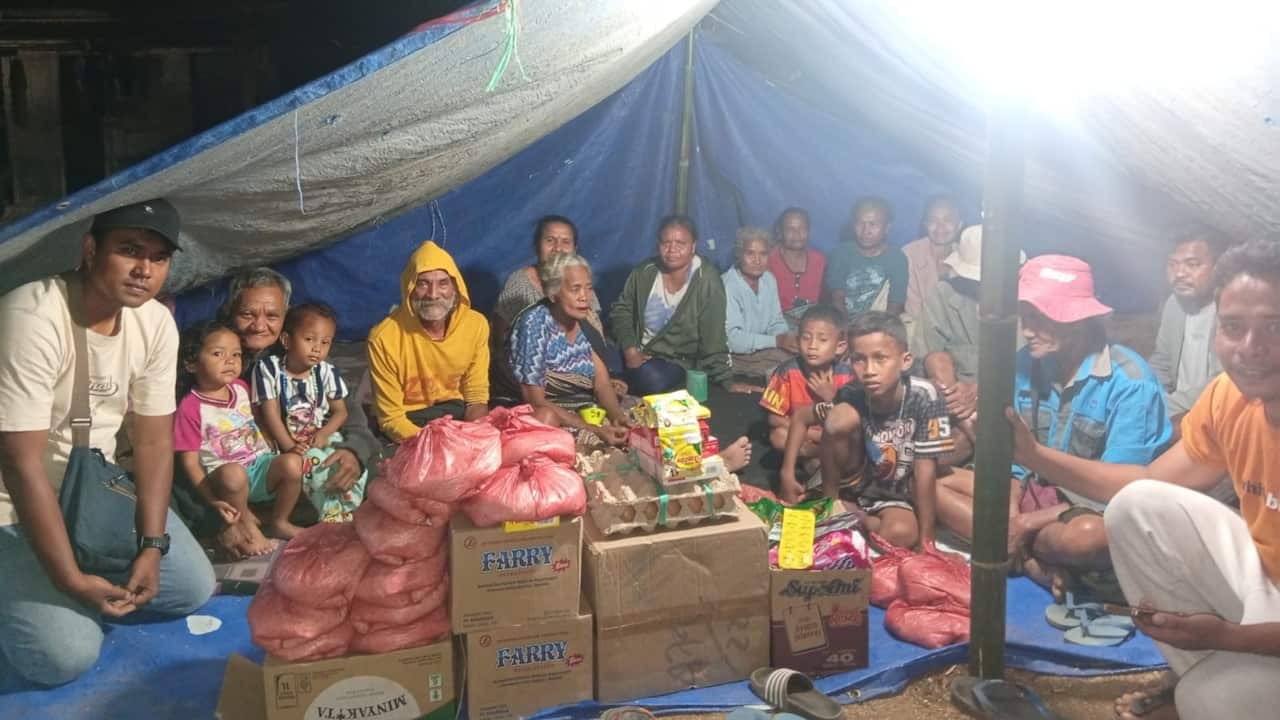
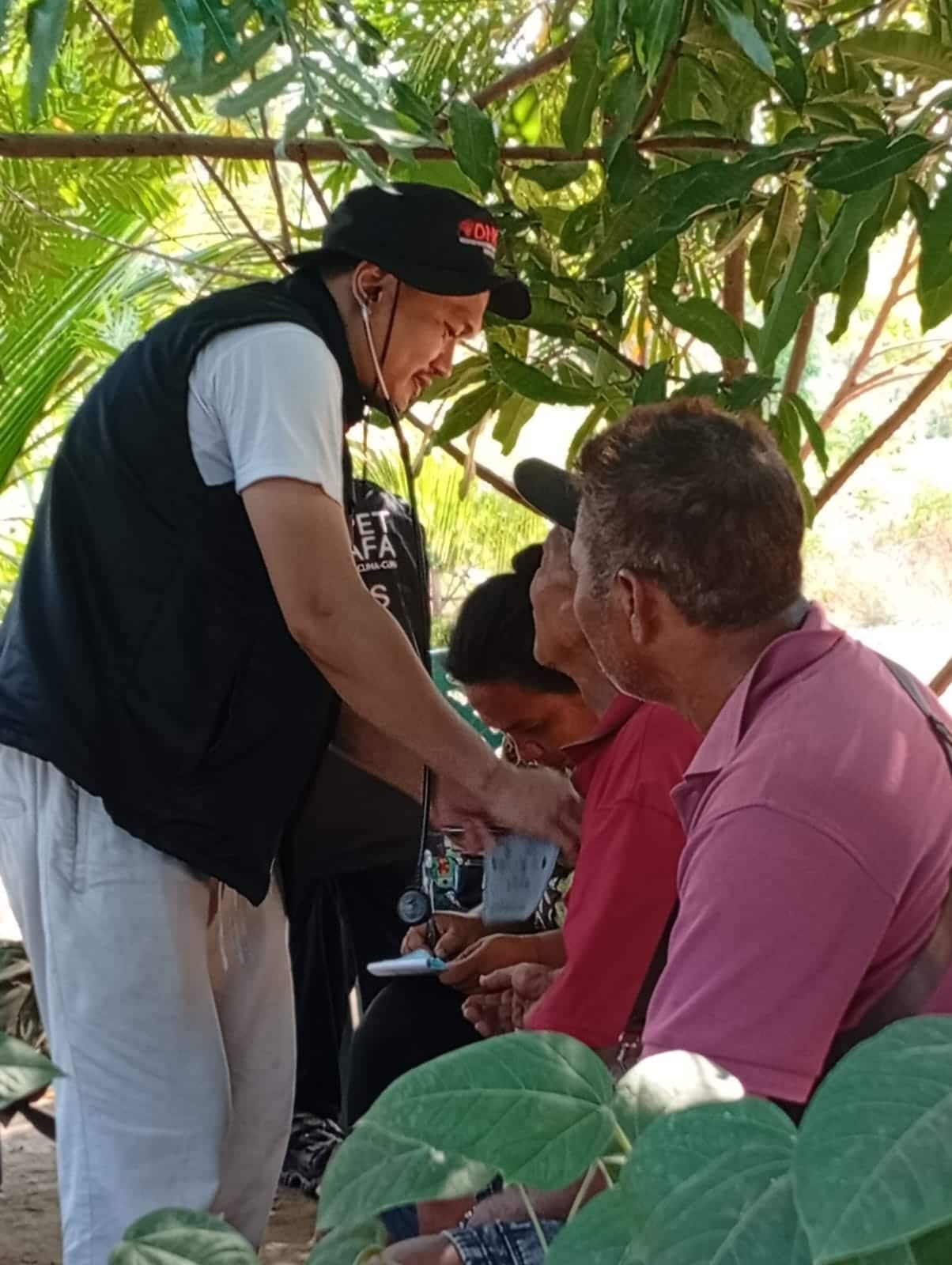
Mustakim also recounted the devastating tsunami that struck the two hamlets of Bajo and Selayar on August 15. The waves came twice, reaching roughly the chest height of an adult, and destroyed the entire fishing village. Mustakim was also among those affected because he ran a business along the coast. After the earthquake, the sea temporarily receded before surging back onto the land. During the first few days, the loss of telephone signals made it difficult for residents to call for help. With no aid available at the time, they had to fend for themselves. Mustakim eventually contacted volunteer networks and acquaintances, after which assistance began to arrive. The evacuation post he manages now focuses on healthcare and vulnerable groups, particularly children, infants, and the elderly.
According to Mustakim, survivors are now entering the “second phase” of the disaster—the survival stage following the initial trauma caused by the earthquake. Many residents are beginning to fall ill, while concerns have also grown because of thefts at abandoned homes. The current challenge for the evacuation post is to provide more comfortable shelter, including tents, mats, sleeping pads, and tarpaulins, as well as medicines, diapers, and milk for vulnerable groups.
In the longer term, attention needs to shift toward rebuilding residents’ homes. Mustakim estimates that some displaced people may still have to live in tents until the end of the year, making it urgent to prepare recovery plans and schemes for the construction of permanent housing.
Listen to the full podcast.