
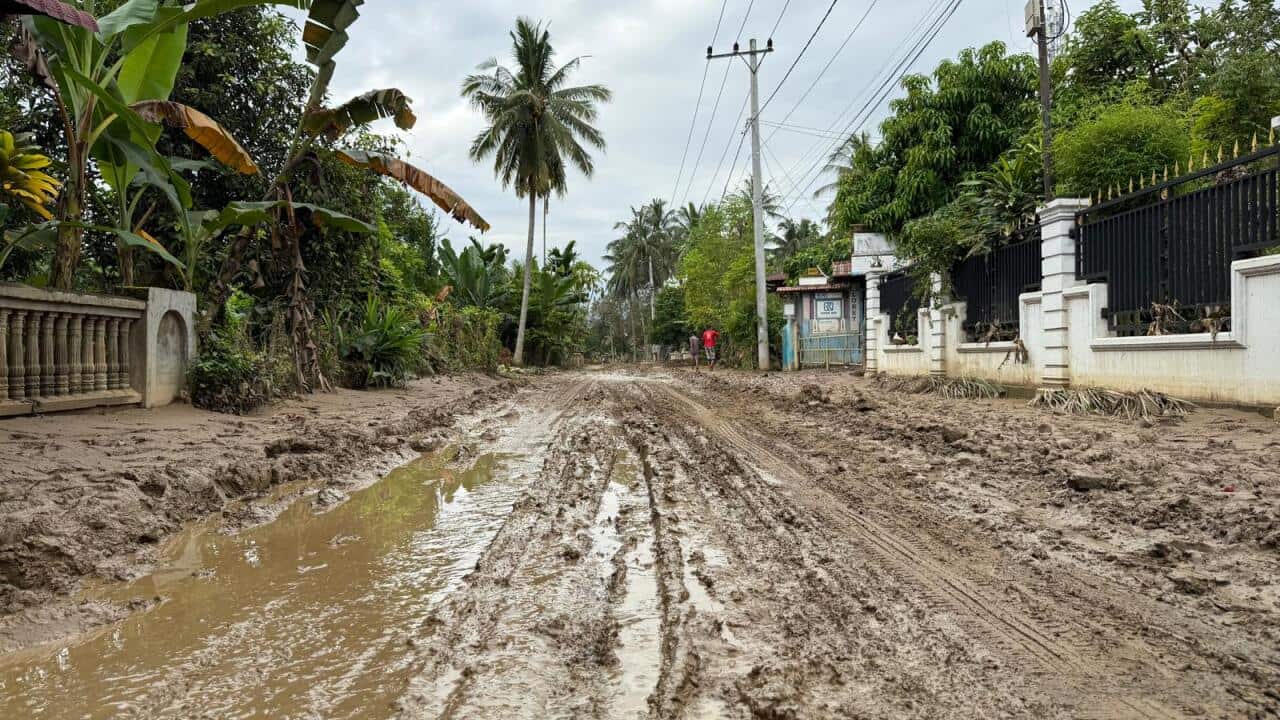

Extreme hydrometeorological disasters, in the form of flash floods and landslides triggered by extrwm weather at the end of November 2025, have caused a major impact in the Aceh region, as well as extending to North Sumatra and West Sumatra.
A week after the disaster, conditions at the site are still very concerning, with people in the most affected areas fending for themselves without adequate assistance.
SBS News reporter Claudia Fanhart reported live from Bireuen, Aceh, that although floodwaters had receded, piles of mud and sand deposits left by the landslide were still piling up, even reaching as high as the roofs of residents' homes.
⚠️ Independent Struggle and Lack of Help
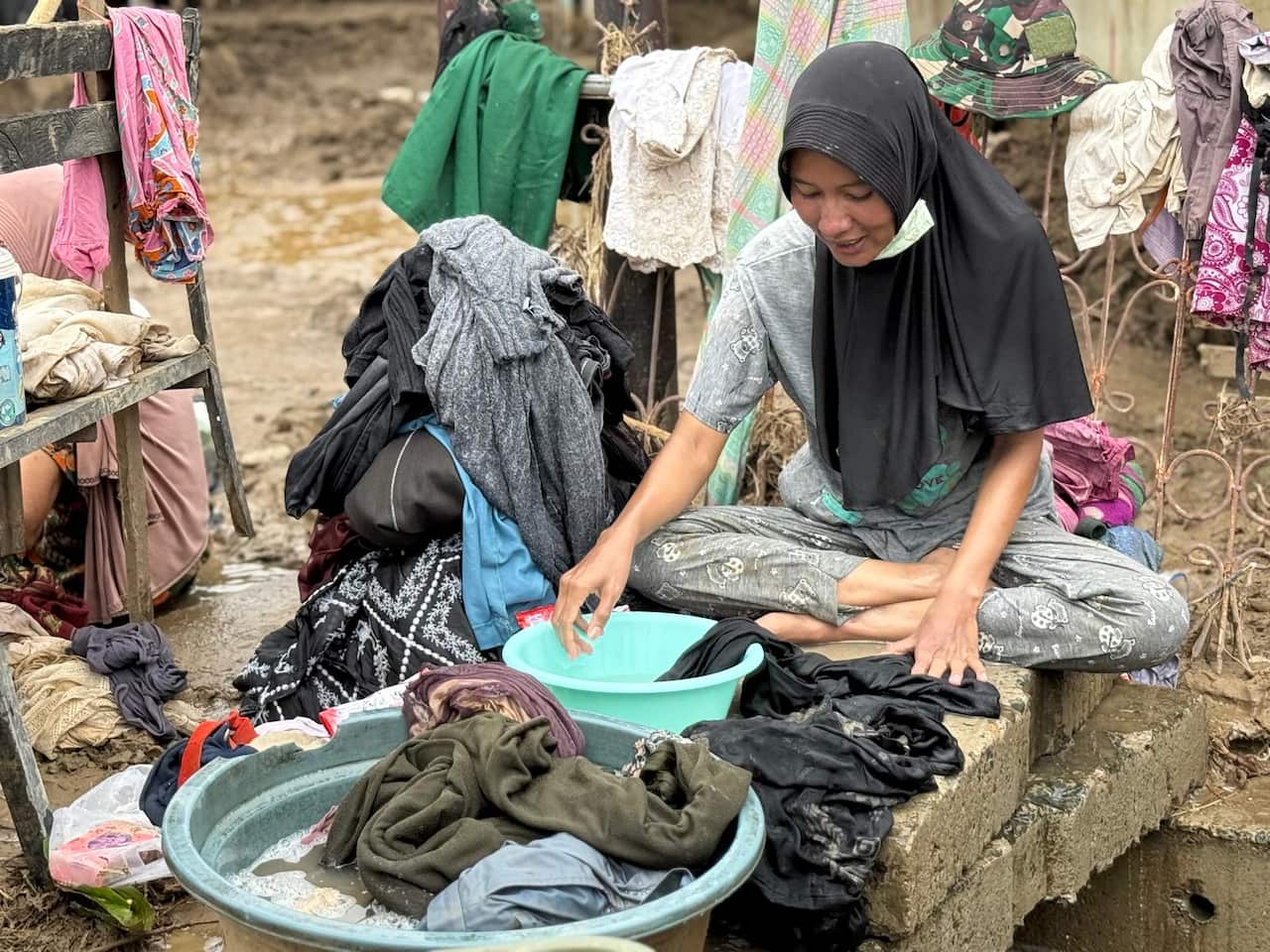
Acehnese residents, whose homes were flooded with mud or even covered with doors and windows, were forced to live in makeshift tents.
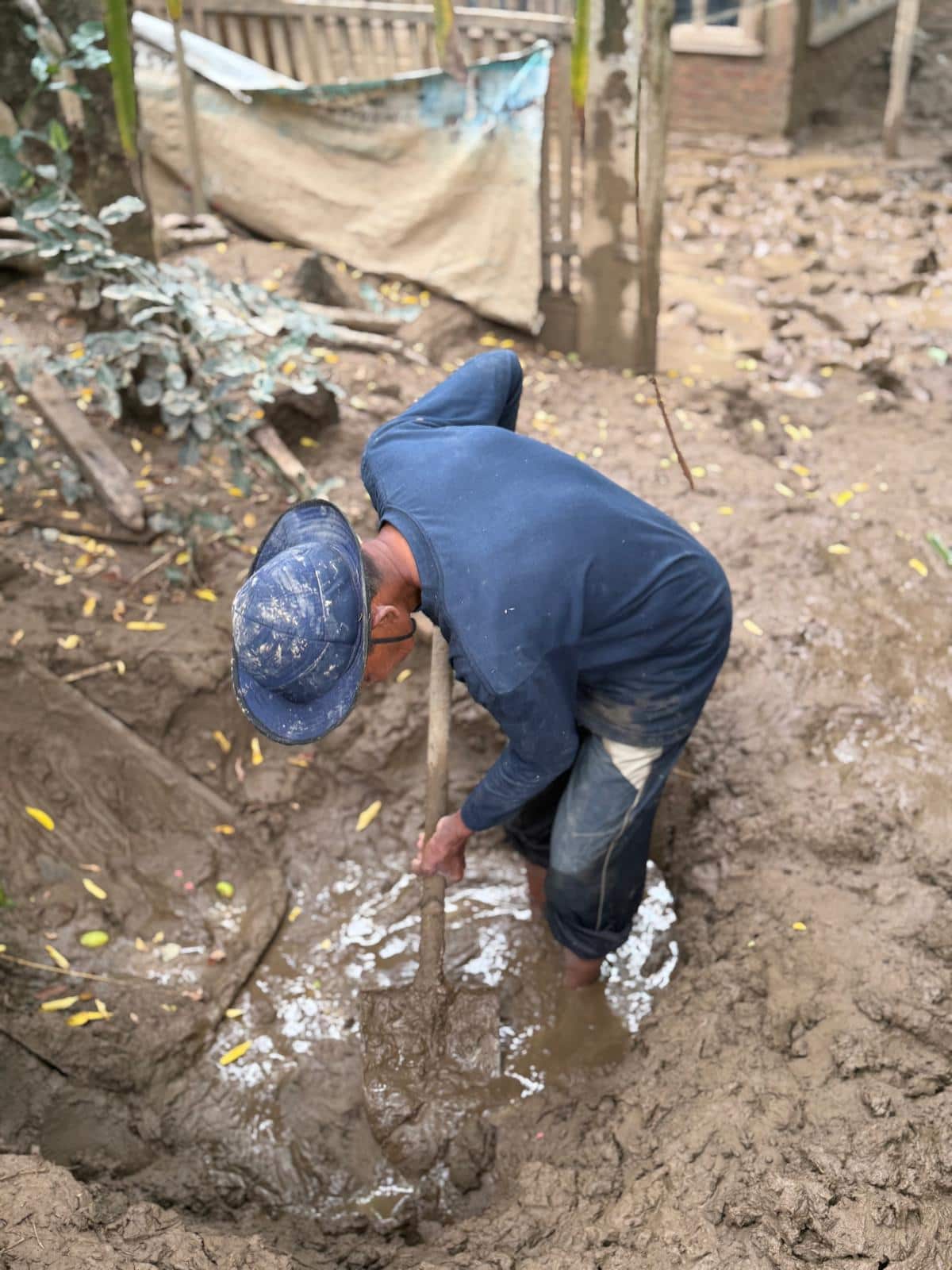
They faced extreme difficulties where residents had to clear thick mud using shovels and bare hands, without adequate heavy equipment. This exhausting physical effort must be carried out in the midst of a state of exhaustion.
In places of refuge, the supply of food, clean water, and other assistance is unstable. Some people reported not having received any help at all after a week.
Refugee tents were very crowded, with reports of up to 50-100 people in one tent without bedding, blankets, or a proper place of rest and worship.
🌉 Isolated Communities and Infrastructure Damage
The disaster's impact zone is vast, covering three provinces in North Sumatra (Aceh, North Sumatra, and West Sumatra).
The hardest-hit communities are those that are still completely isolated due to infrastructure damage.
Landslides and flash floods caused at least a dozen bridges in Aceh and a similar number in North Sumatra to collapse.
Major regional highways were destroyed and cut off by landslides, making land access impossible.
Currently, the only way to reach isolated communities is by air, with the government sending aid via helicopters and planes.
However, residents in the region complain that the assistance received has not been adequate, some have not even received any help at all after a week.
💔 Remembering the 2004 Tsunami and Health Concerns
Aceh's governor declared that this disaster was the worst since the 2004 Tsunami, an astounding comparison given the awesomeness of the disaster 21 years ago.
In addition to chairs, food, and boards, health issues are a major concern. Mud and puddles after flooding increase the risk of contamination of clean water sources.
Some residents have reported skin infections. Electricity and communication (telephone) networks were also severely damaged, exacerbating sanitation problems and complicating the channeling of information from remote areas.
Today, the National Agency for Disaster Management (BNPB) and civil society groups are the main actors in the distribution of aid. But despite the sheer scale of the destruction, no major calls for help from abroad have yet been heard, which engenders a sense of “disconnection” among survivors, especially after their communities were briefly physically isolated.
🌧️ Continued Rain Threat
Although the worst of the weather has passed, daily rain is still falling and it is feared it may re-dissolve mud that has begun to dry up. This can hamper cleanup efforts and create dangerous situations as thick mud can trap stepped feet.
Despite facing tremendous hardships, the people in Aceh are showing tremendous resilience. They are passionate about restoring and rebuilding their communities, but they desperately need greater help and support from outsiders to begin the recovery process.
Listen to SBS Indonesian every Monday, Wednesday, Friday and Sunday at 3pm.
Follow us on Facebook and Instagram, and don't miss our podcasts.