
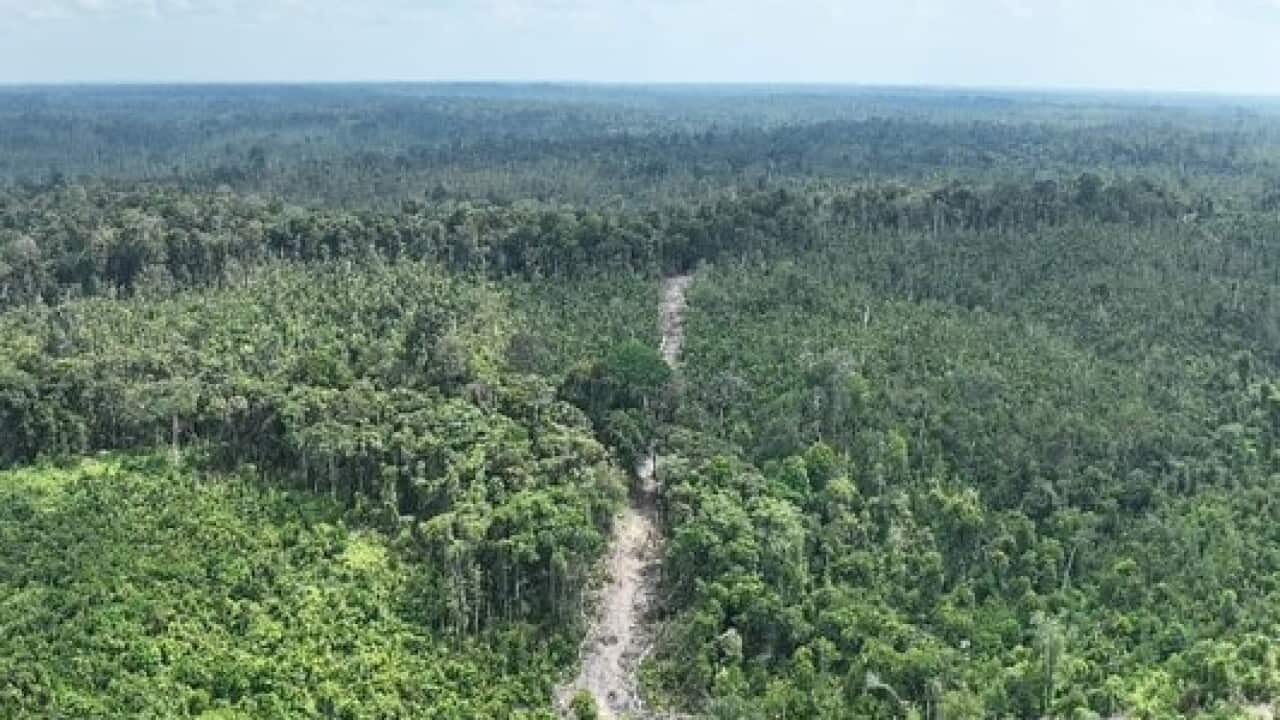

In the midst of a series of disasters that hit Sumatra, efforts to restore the functioning of the ecosystem of Tesso Nilo National Park (TN) in Riau are becoming urgent. Unfortunately, this restoration effort faced severe challenges, especially the harsh rejection of anarchist actions from the peoples who already inhabited and cultivated the area.
Tesso Nilo National Park, which was supposed to be one of the last lowland forests in Sumatra and an important habitat for Sumatran tigers, elephants, and deer, is now on the brink of destruction.
Deputy Chairman I Director of the Forest Area Management Task Force (PKH), ST Burhanuddin, revealed that in 2014 the area reached 81,793 hectares. However, the latest data show that the area is now only 12,561 hectares left.
Root Problems and Corporate Engagement
Okto Yugo Setiyo, Coordinator and Spokesperson of the Riau Forest Rescue Work Network (Jikalahari), highlighted that the problem is caused by the lack of coordination of law enforcement and the vagueness of the settlement scheme.

Although the commitments of the local governments around Tesso Nilo (Kampar, Pelalawan, Indragiri Hulu, Kuantan Singingi, and Riau Governorate) were judged to be good, major problems arose from the road corridor construction permits submitted by the timber companies. These roads ultimately fueled the rise of “rat roads” or illegal roads used by forest crawlers.
The number of forest invaders has now swelled to about 34,000 families. The size of this number has made it difficult for the government to organize, and even the latest attempt this month has been met with fierce resistance and violence. Okto added that there are at least 11 companies that house the produce of folk palm oil cultivated within the national park area.
💡 Conscious Term Solutions and Conservation Partnerships
Jikalahari has urged the government to implement a firm and measured settlement. The proposed scheme is:
- Legal Enforcement: Applied to companies or parties that control more than 50 hectares of land.
- Mentoring and Relocation: Awarded to small farmers.
The main concept proposed is the Benah Term, in which the cultivation of palm oil remains carried out, but gradually the ecosystem is restored to its original condition. Residents will also be relocated to the settlement complex, while retaining the right to cultivate land through the Conservation Partnership scheme. This concept, according to Okto, managed to significantly lower deforestation rates in the period 2016-2017.

🚨 Urge for Firm and Measurable Steps
Unfortunately, this already proven effective concept was not continued, even law enforcement was weakened in the 2019 political year, which exacerbated the problem. Okto Yugo Setiyo reminded that the disasters that occurred in North Sumatra, Aceh, and West Sumatra should be a valuable lesson and a strong driver to quickly implement solutions in Tesso Nilo. The region itself is already a victim of disasters, namely floods during the rainy season and land fires during the dry season.
Although regulation requires that national parks be free of settlements and plantations, Okto urged that the government apply firm and measured discretion. People were relocated outside the area, but access to land treatment remained provided through conservation partnerships. Okto admits this process can take a long time, about 10-15 years, but this is the only way that there is no more clearing of new land that will further aggravate the critical condition of TN Tesso Nilo.
============
Nurhadi Sucahyo
Listen to SBS Indonesian every Monday, Wednesday, Friday and Sunday at 3pm.
Follow us on Facebook and Instagram, and don't miss our podcasts.