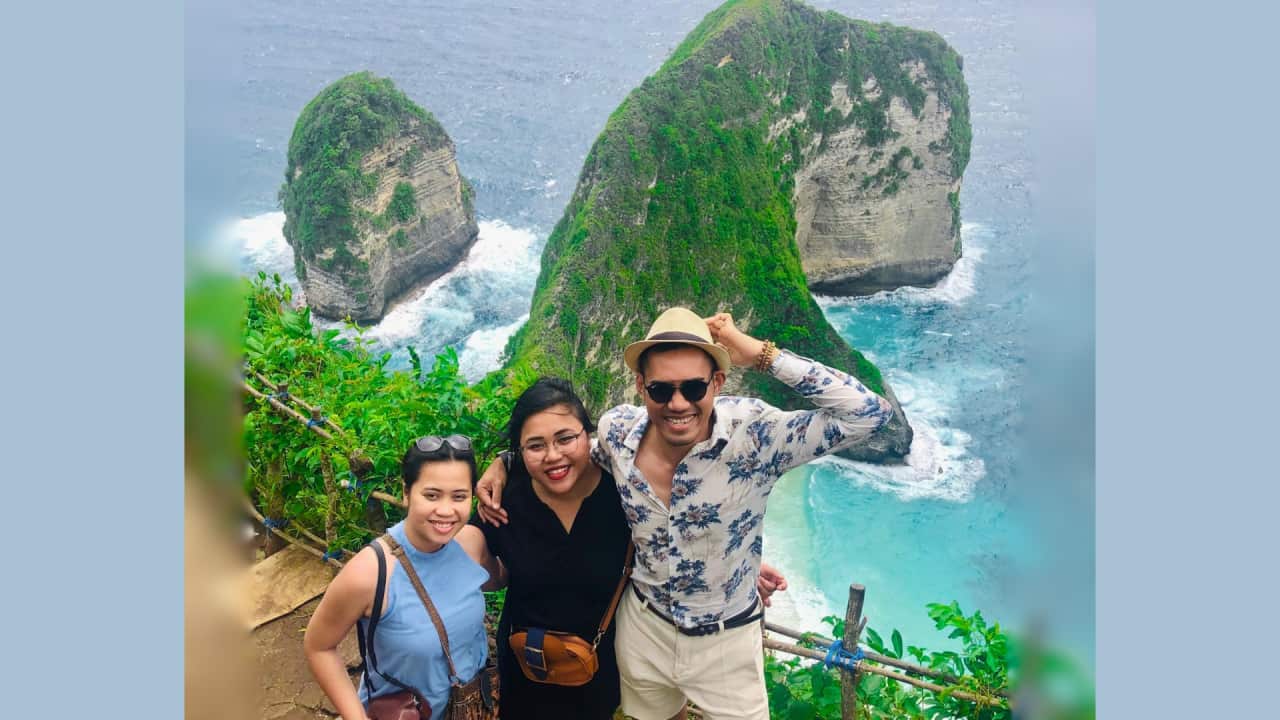

The tragic death of an Australian tourist who fell at Kelingking Beach in Nusa Penida has once again highlighted the importance of safety at some of Bali's tourist destinations, which offer spectacular views but feature challenging terrain.
A 29-year-old woman from Queensland, Australia, tragically lost her life after falling from a cliff at Kelingking Beach on Nusa Penida Island, Bali on Saturday (12/9).
According to reports gathered from various media outlets, the victim, Brianna Cronin, was looking for a path toward the cliff edge when she slipped and plunged into the ravine below.
Kelingking Beach is just one of many iconic destinations in Bali famous for its mesmerizing, picture-perfect landscapes. However, beneath the natural beauty of these tourist hotspots lies a stark reality: many trails are rugged, steep, and demand extreme vigilance from visitors.
Responding to the incident, the Head of the Bali Provincial Tourism Office, I Wayan Sumarajaya, noted that tourist destinations across the island are legally required to provide safety infrastructure. These measures are mandated by Bali Regional Regulation (Perda) No. 5 of 2020, which establishes the Standards for Organizing Bali Cultural Tourism to protect visitors.
Even so, Sumarajaya emphasized that infrastructure alone is not enough; tourists must also cooperate by following local rules and staying alert.
"To prevent tragedies like this, discipline must come from both sides—the visitors themselves and the personnel managing these sites," Sumarajaya said.
The need for better safety measures resonates with frequent visitors like Zacky Zakaria, an Indonesian citizen who has lived in Australia for many years. For Zacky, Bali is a beloved, routine stopover on his way back from visiting family in Jakarta.
While Zacky has explored much of the Island of the Gods, a few close calls have made him increasingly cautious—and hopeful that authorities will take stronger preventive action.
"I once took a ferry to Nusa Penida, and midway through the journey, the high tide hit. The boat was shaking violently," Zacky recalled of a trip a few years ago. "I was incredibly grateful to make it back to shore safely."
Zacky suggested that authorities should implement a better early-warning system to alert travelers when sea and weather conditions turn hazardous. Preemptive warnings, he noted, could prevent severe accidents like the boat capsizings and sinkings that have occurred in the past.
"There are still so many areas where we can improve," Zacky added. "With the right changes, Bali can become a truly safe destination for every traveler."
Listen to the full podcast.