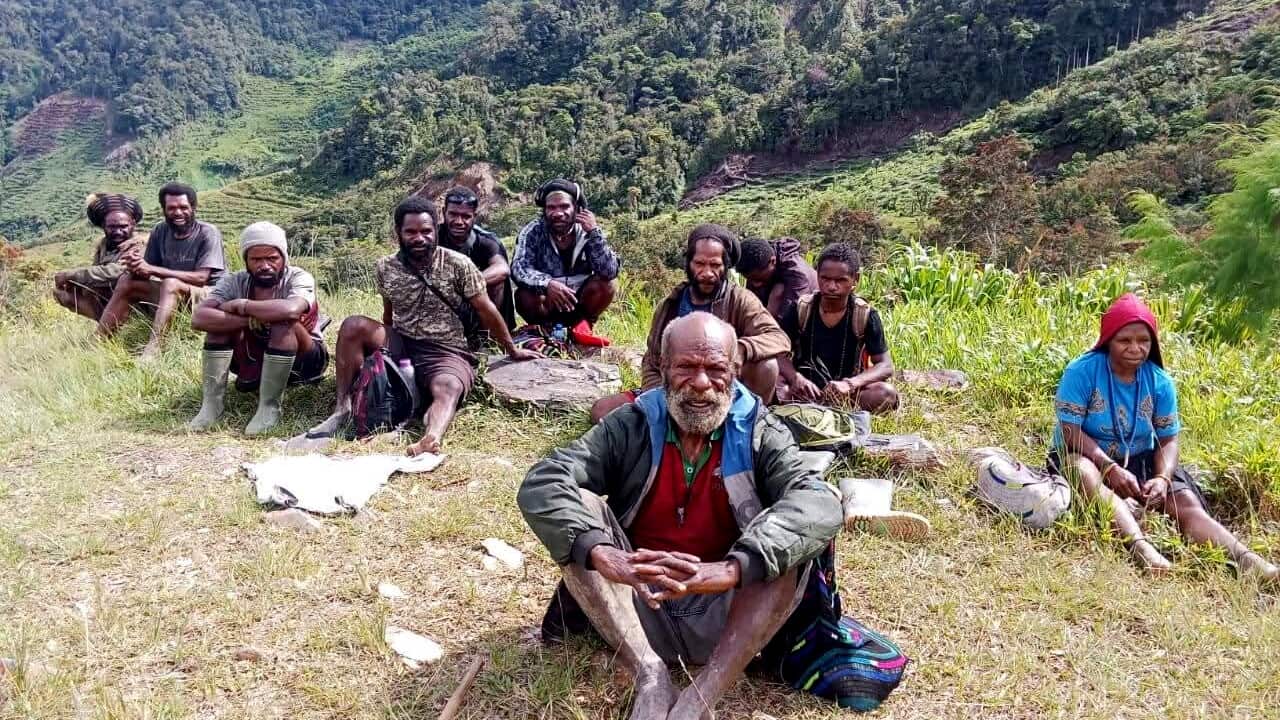

A prolonged military operation in Papua's highland region has displaced more than 120,000 residents of Nduga regency since 2018. Displaced families live without adequate food, shelter, healthcare, or legal identity, while central and local governments have failed to provide meaningful assistance.
In December 2018, the West Papua National Liberation Army (TPNPB) executed 17 workers from the state construction company PT Istaka Karya in Nduga regency, Papua Highlands. The Indonesian government under President Joko Widodo responded by launching a military offensive against the TPNPB. The military carried out airstrikes and helicopter-based attacks that terrorised the civilian population and drove residents to flee their homes.
Residents of all 14 districts in Nduga abandoned their villages. They walked for weeks to reach Lanny Jaya, Jayawijaya, and even Central Papua province. Today, no civilians remain in Nduga. Only security forces and TPNPB fighters occupy the area.
Inggipalek Kogoya, a former university student from Nduga, is among the displaced.
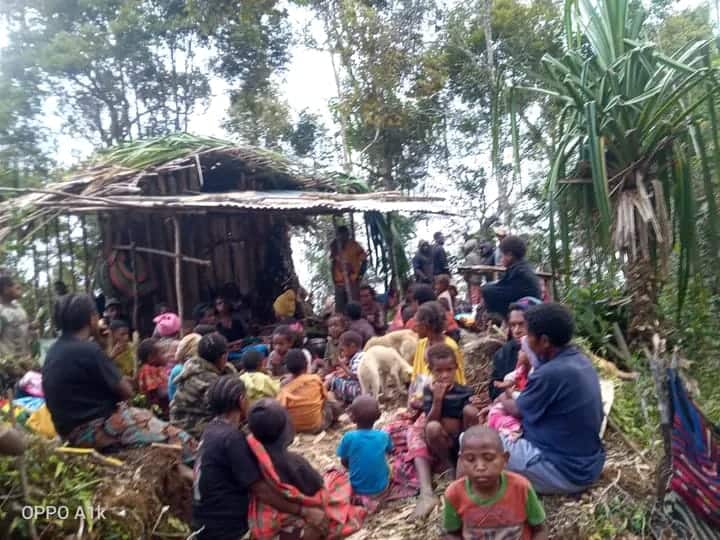
He returned from his studies in Manado in 2018 to find his family already living as refugees. He and his relatives eventually settled in Wamena, where they continue to live in displacement.
The displaced population faces severe hardship. Many families eat only once a day and rely on donated rice. Landowners charge displaced families between 500,000 and 1,000,000 rupiah per harvest to use empty plots to grow basic crops. Some families rent small boarding rooms at high cost because they have nowhere else to go.
The government has provided almost no assistance. Displaced residents lack identity documents, which prevents them from accessing hospitals and health clinics.
Many people fall ill and die without receiving any medical treatment. Children born in displacement have no birth certificates or legal identity.
Many displaced children do not attend school and instead beg or take odd jobs for as little as 2,000 rupiah.
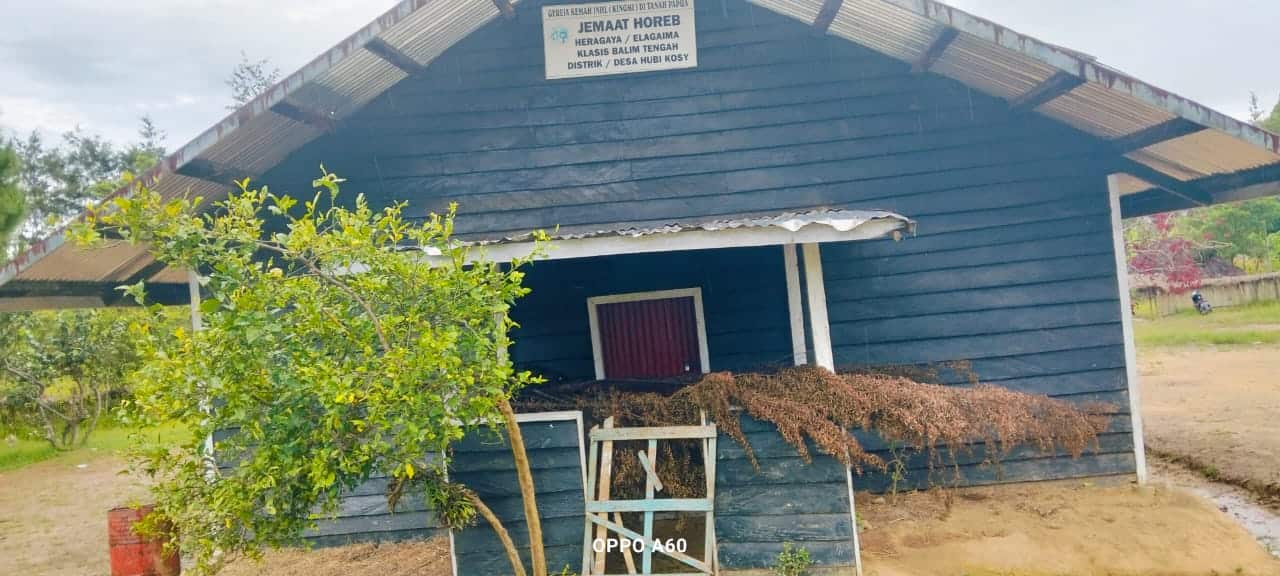
The displaced population wants the government to withdraw all military and police forces from Nduga so they can return home safely.
They also call on the military and the TPNPB to protect civilian rights and to keep their conflict away from populated areas.