The Indonesian government is currently rolling out the process of revising the Human Rights Law that has been going on for more than a year.
Two crucial points that are the main highlights in this revision of the Human Rights Law are the plan to draft a formal definition of who can be categorized as a Human Rights Defender, as well as the existence of a discourse to merge (merge) several official human rights institutions in Indonesia, such as Komnas HAM, Komnas Perempuan, LPSK, Komnas Anak, and disability agencies.
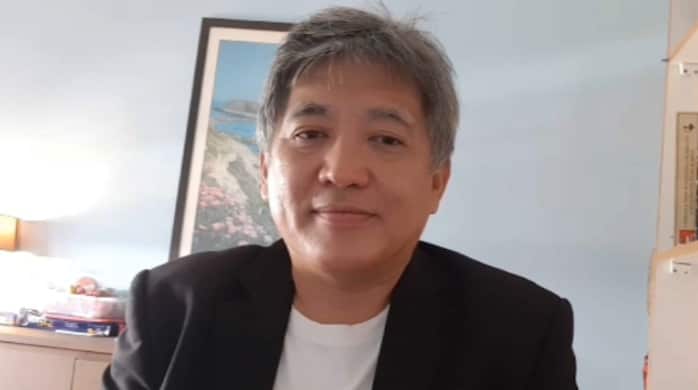
The discourse of changes to the Human Rights Act of 1999 that had been rolling for more than a year provoked great concern from humanitarian activists, including Andreas Harsono is a senior journalist and prominent human rights researcher in Indonesia.
One of the crucial points in the draft changes is a plan to define in the first place who qualifies as a human rights defender.
This attempt at definition is considered dangerous because it has the potential to limit and narrow the scope of the human rights struggle, given that the scope of human rights itself is very broad.
Under the International Covenant on Civil and Political Rights (ICCPR) ratified by Indonesia, human rights defenders include everyone who fights peacefully for human rights. If the state through a specific agency or team of assessors is given the authority to determine the label or license of human rights defenders.
This is considered ironic because human rights violations themselves often involve state officials or officials.
In addition to the issue of definition, there is also a discourse to combine several official human rights institutions in Indonesia, such as Komnas HAM, Komnas Perempuan, LPSK, as well as child and disability protection agencies.
This merger plan was considered detrimental and not urgent because the institutions were already well run. Instead of institutional overhauls that take a long time to establish a new work culture, governments under President Prabowo are advised to augment their budgets which are currently experiencing significant cuts, as well as strengthen their legal mandates such as the power of forced summoning.
Human rights organizations and activists have consistently expressed their input and rejection of this revised plan because it is considered too risky for the democratic climate and the protection of human rights.
Learning from cases of annulment of the planned abolition of gubernatorial elections or rejection of the revision of the Press Law in the past, Andreas stressed that public insistence had a key role in repealing policies that did not side with civil independence.
Therefore, the movement of voicing rejection through various mass media and social networks continues to be encouraged so that the plan for changing this law is not passed on by the government.
Listen to SBS Indonesian every Monday, Wednesday, Friday and Sunday at 3pm. Follow us on Facebook and Instagram, and don't miss our podcasts.
Use SBS Audio, can be downloaded from the App Store or Google Play.