

Getting older forces many seniors to grapple with significant dilemmas, such as choosing where to reside and managing increased social and economic pressure.
Although some elderly people choose to live separately to avoid conflict with their children or in-laws, data from the Indonesian Central Statistics Agency (BPS) and expert opinion indicate the opposite.
BPS Indonesia data from 2024 (based on the March 2024 Susenas data source for the 2024 Elderly Population Statistics publication) and expert opinion consistently indicate that the majority of elderly people in Indonesia still live with their families in multigenerational households.
This indicates that family support remains the primary choice for many elderly people. The high percentage of elderly people living in their own homes indicates that they maintain ownership status within multigenerational family structures.
Furthermore, approximately 54% of elderly people still serve as heads of households, responsible for supporting their families.
This dual role as owner and financial provider makes elderly people vulnerable to economic and psychological stress, despite an increase in life expectancy from 70 years in 2015 to 72 years in 2024.
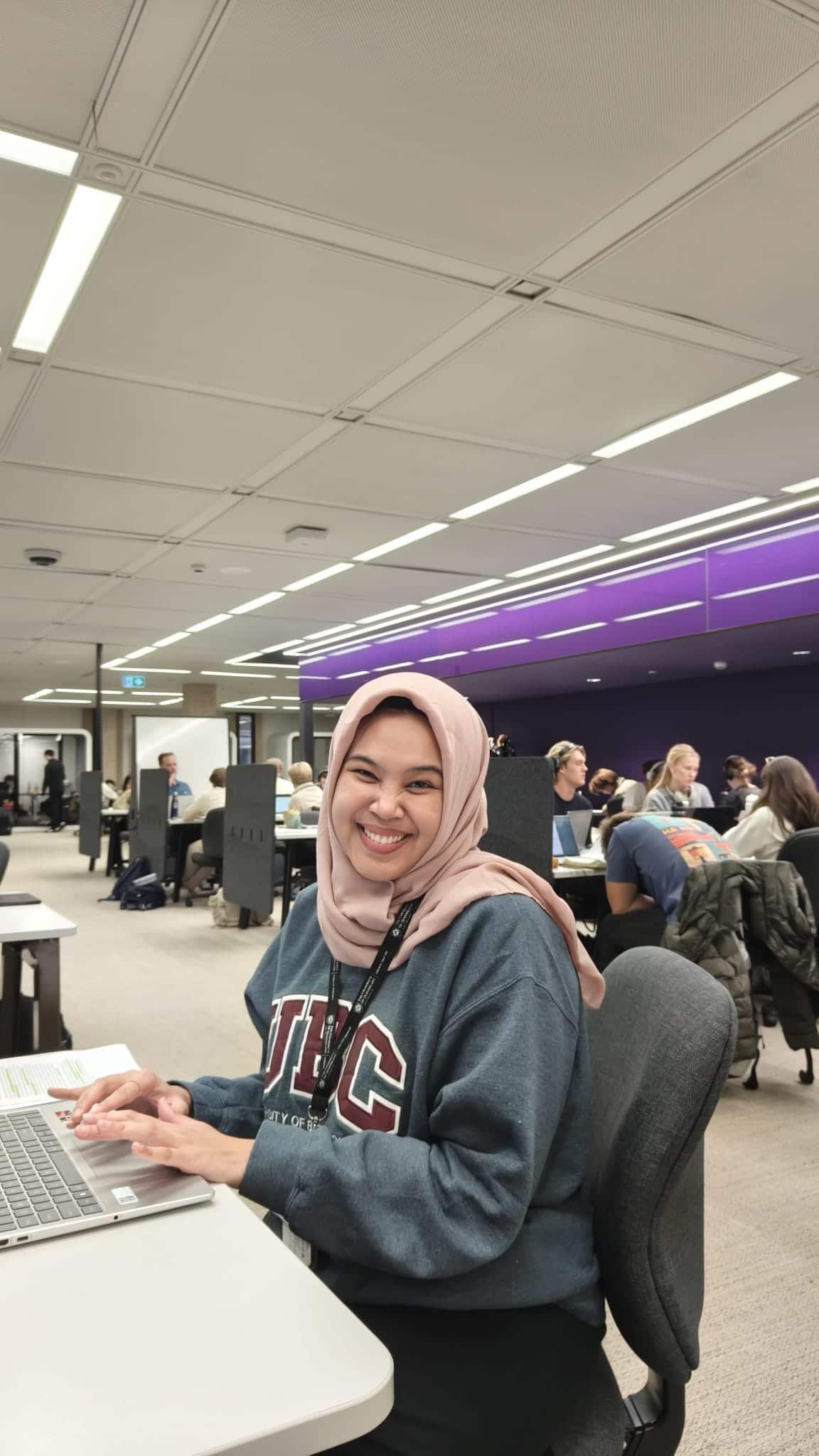
SBS Indonesian in conversation with Lathifah Hanum S.Psi. M.Psi. Psychologist, lecturer in UI's Faculty of Psychology who is currently completing her PhD at The University of Queensland in Brisbane, about elderly relationships and their families.
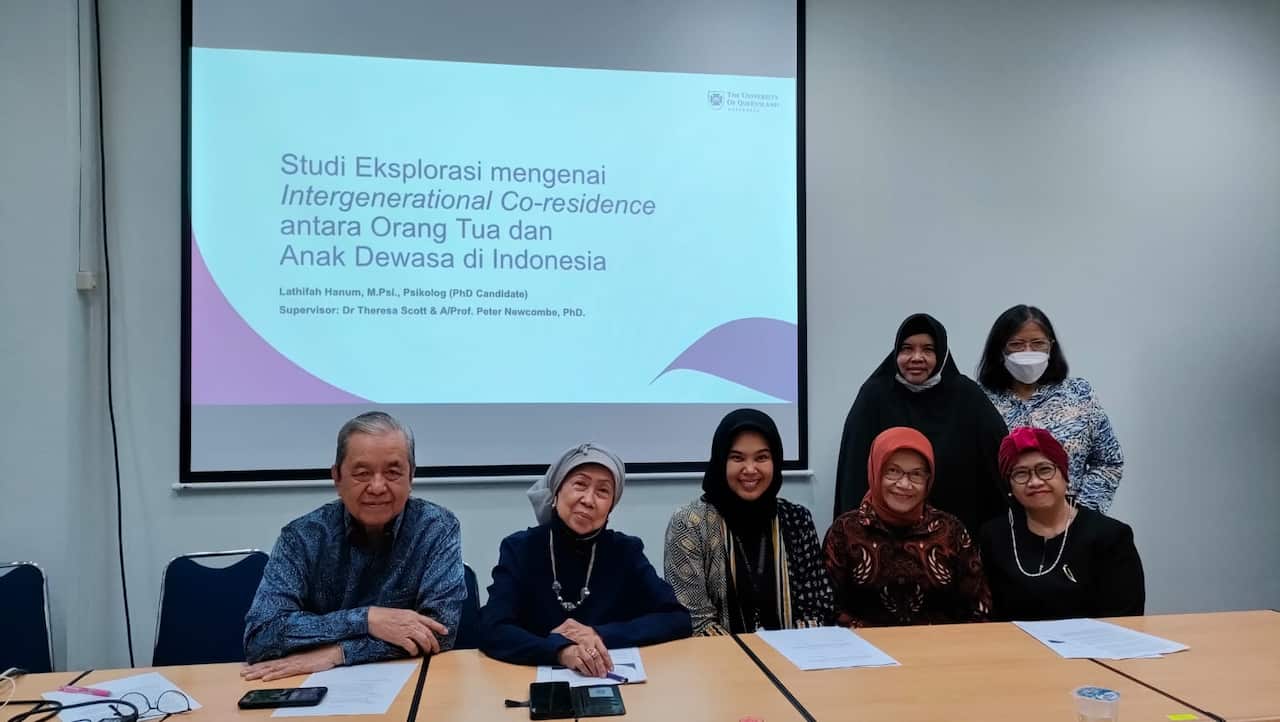
Decisions regarding where to live in old age are limited to living with children, independently in their own home, or in a nursing home.
Survey results show that the quality of life of older adults is primarily determined by social networks that provide them with a sense of value and support, not just their place of residence.
In fact, some older adults believe that living in a nursing home can actually help them maintain their independence.
Essentially, the most important thing for older adults is to continue feeling valued, having the space for independence, and having a supportive social network.
Therefore, support from family, the surrounding environment, and responsive government policies are key factors in determining how they can live their old age with dignity and well-being.
Listen to SBS Indonesian every Monday, Wednesday, Friday and Sunday at 3pm.
Follow us on Facebook and Instagram, and don't miss our podcasts.