Australia Explained: Angkutan umum di Australia: cara menggunakannya

Smiling young woman waits for bus on busy street in Sydney, enjoying time outdoors with friends

Public transport in Australia is used by people, of all ages, abilities and cultural backgrounds. Credit: South_agency/Getty Images

Seperti di kebanyakan negara, transportasi umum di Australia adalah cara termurah untuk berkeliling. Ini termasuk trem, bus, kereta api, dan layanan feri. Dan setiap negara bagian atau teritori memiliki jaringan transportasi sendiri. Namun, menavigasi sistem transportasi umum Australia dengan mudah membutuhkan pengetahuan dasar-dasar seputar cara kerjanya dan apa yang diharapkan.


Poin Utama
  • Setiap negara bagian mengoperasikan jaringan transportasi umum sendiri, sehingga aturan dan tarif berbeda
  • Kartu pintar prabayar tersedia di semua kota besar dan opsi pembayaran dapat mencakup transaksi kartu bank tanpa kontak
  • Kepatuhan dan keamanan tiket diperiksa oleh staf dan penggunaan kamera CCTV di semua jaringan transportasi

Apakah transportasi umum tersedia di mana saja di Australia?

Sebagian besar warga Australia bepergian untuk bekerja dengan mobil.

Ini adalah statistik yang dihasilkan oleh Biro Statistik Australia (ABS) sejak 1976, ketika pertama kali mulai mengajukan pertanyaan.

Profesor John Nelson adalah Ketua Transportasi Umum di Institut Studi Transportasi dan Logistik Universitas Sydney.

Dia mengatakan kota-kota Australia yang luas dan jarak yang jauh di antara mereka, membuat sulit untuk melayani daerah pedesaan dengan transportasi umum.

“Karena bahkan ketika Anda bepergian ke luar Sydney, Anda melihat bahwa properti menjadi sangat tersebar.”

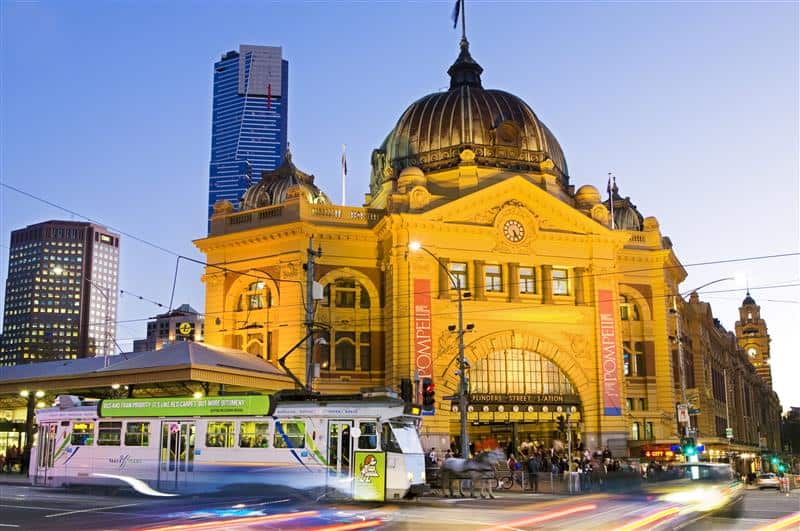
Tetapi di daerah perkotaan padat penduduk dan kota-kota metropolitan, transportasi umum dalam banyak hal lebih cepat, lebih murah dan bahkan penting bagi sebagian pengguna.
GettyImages-90421860.jpg
Compared to car ownership, including fuel and maintenance costs, public transport is the most affordable way to commute in Australia’s metropolitan cities. Credit: Getty/Scott E Barbour

Apa kartu prabayar untuk transportasi umum di kota tempat saya tinggal?

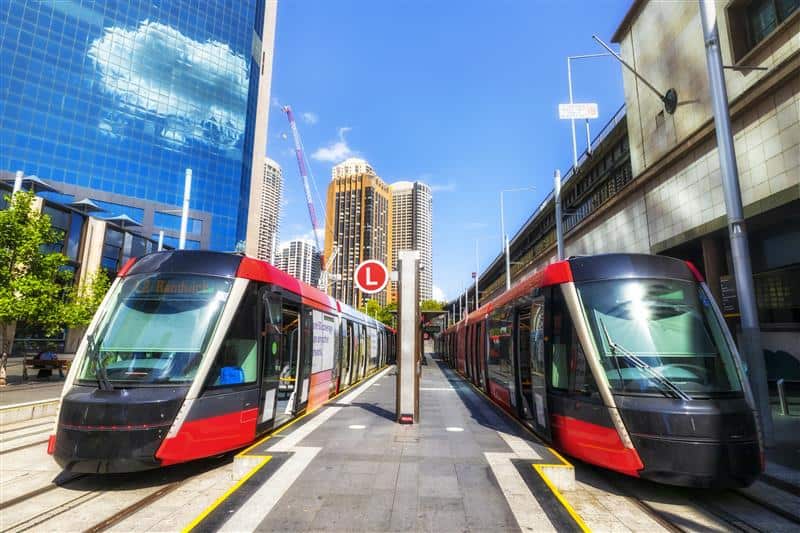
Setiap negara bagian atau teritori memiliki jaringan transportasi sendiri, dengan kota-kota besar dan kota-kota beroperasi pada sistem tiket kartu pintar untuk pembayaran tanpa uang tunai.

Kartu prabayar yang digunakan di setiap ibu kota negara bagian atau teritori adalah:

Bagaimana cara menggunakan kartu pintar?

Sistem kartu pintar umumnya mudah dinavigasi, kata Prof Nelson.

Tetapi jika Anda belum pernah menggunakannya sebelumnya, inilah yang perlu Anda ketahui.

“Biasanya seukuran kartu kredit, Anda dapat memuatnya dengan nilai dan menggunakannya untuk mengakses sistem transportasi umum, baik itu bus, kereta api, trem atau feri.”

Tentang cara menggunakannya, petunjuknya sering dalam nama.

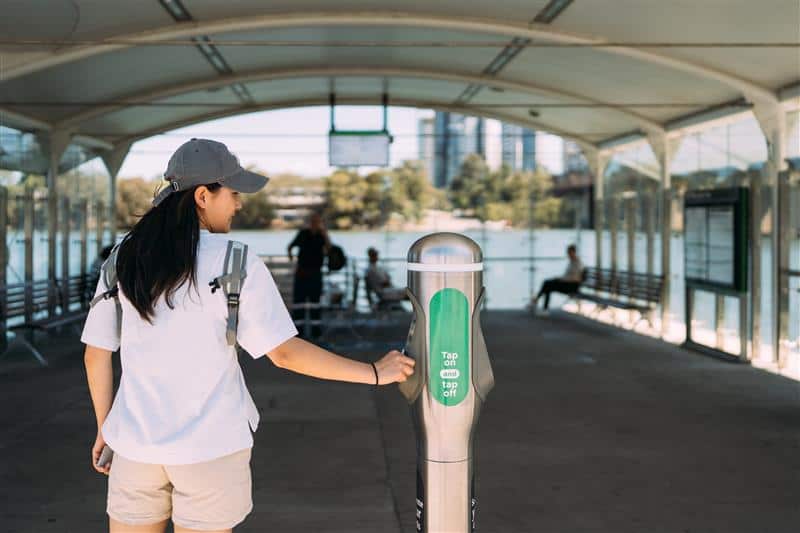
“Ketuk dan ketuk. Terkadang akan ada apa yang kita sebut gerbang atau penghalang di mana Anda harus mengetuk kartu Anda. Dalam kasus lain, tiang pembayaran dengan pembaca kartu,” Prof Nelson menjelaskan.
GettyImages-2186565614.jpg
To avoid a ‘card clash’ keep your public transport smart card separate from your bank card, ensuring you don’t get charged twice when tapping on the card reader. Credit: Getty/Yanran Li

Fitur umum kartu pintar termasuk tarif konsesi untuk pemuda dan pensiunan, tarif diskon untuk perjalanan pada hari libur nasional dan selama akhir pekan, serta batas harga harian dan mingguan.

Dapatkah saya membayar dengan kartu bank saya untuk transportasi umum di Australia?

Tergantung di mana Anda bepergian, Anda mungkin dapat membayar tunai untuk tiket. Misalnya, uang tunai masih diterima di Australia Barat.

Tetapi membayar dengan kartu bank Anda untuk transportasi umum menjadi semakin umum di seluruh negeri.

“Belum semua negara bagian dan kota memiliki fasilitas itu,” Howard Collins, Koordinator Jenderal Transportasi untuk New South Wales menjelaskan.

“Tapi di NSW misalnya, 60% dari semua transaksi kami sekarang 'menggunakan kartu bank Anda'.”

“Semakin banyak orang menggunakan kartu kredit atau debit mereka, terkadang jam tangan atau telepon mereka untuk mengetuk dan mematikan.”

Saat memindai kartu bank Anda pada pembaca kartu untuk pemeriksaan tiket, petugas kepatuhan hanya dapat melihat informasi pembayaran Anda, Mr Collins menambahkan.

“Jadi, tidak ada kekhawatiran tentang alamat atau informasi lain pada kartu kredit atau debit Anda.”
GettyImages-1360154406.jpg
Public transport offences include not acceptable behaviours when commuting, like putting your feet on the seat. Credit: Getty/Zetter

Apa yang dapat diperiksa oleh petugas berwenang di stasiun dan di atas kapal?

Petugas yang berwenang melakukan pemeriksaan tiket dan keselamatan, sementara kamera CCTV dipasang di pesawat dan di stasiun.

Orang harus merasa percaya diri untuk mendekati staf transportasi umum untuk masalah keselamatan, kata Charlotte Hayes.

Dia adalah Direktur Eksekutif Strategi Pelanggan dan Komunikasi di Otoritas Transportasi Umum Australia Barat.

“Petugas keamanan kami ada di sini untuk membantu.

“Jadi, jika Anda menyaksikan perilaku antisosial atau tunduk pada perilaku yang tidak diinginkan, Anda aman untuk pergi dan berbicara dengan petugas keamanan,” kata Hayes.

Apa sajakah pelanggaran transportasi umum?

Pelanggaran transportasi umum termasuk pelanggaran tiket dan perilaku di mana Anda dapat didenda atau dikenakan biaya.

Contoh yang berlaku di seluruh Australia meliputi:

  • bepergian tanpa tiket yang valid, atau
  • tanpa bukti hak konsesi Anda
  • merokok dan minum alkohol
  • meletakkan kaki Anda di kursi

Apa yang terjadi jika saya mendapat denda?

Jika Anda mendapatkan denda dan Anda merasa telah dianiaya, Anda dapat mencari bantuan hukum atau membantahnya melalui agen transportasi umum Anda.

“Ada tim yang melihat pelanggaran. Kunjungi situs web agensi Anda, dan Anda dapat mengetahui cara mengajukan banding atas pelanggaran tersebut,” jelas Hayes.

“Jangan hanya menaruh denda di laci dan melupakannya.

“Karena denda itu dapat meningkat dan [...] berdampak pada kredit Anda, kemampuan Anda untuk mendapatkan SIM dan hal-hal serius lainnya.”

Apa etiket untuk menggunakan transportasi umum di Australia?

Aturan dan harapan umum saat menggunakan transportasi umum di seluruh Australia adalah:

  • Tidak mengganggu pengemudi
  • Menyerahkan tempat duduk Anda untuk mereka yang membutuhkan
  • Memungkinkan penumpang turun sebelum naik
  • Menjaga tas dari kursi
  • Hindari makan makanan yang berbau menyengat

Apakah saya harus tetap diam saat menggunakan transportasi umum di Australia?

Menjaga percakapan dan musik tetap rendah diharapkan untuk komuter di seluruh jaringan Australia.

Ingatlah bahwa berbagi ruang berarti berbagi kebisingan dengan komuter lain, kata Hayes.

“Etiket itulah yang memastikan sistem transportasi umum bekerja untuk semua orang.”

Dan selalu periksa apakah Anda berada di tempat yang ditunjuk sebagai 'tenang', saran Prof Nelson dari University of Sydney.

“Itu berarti tidak ada percakapan keras, tidak menerima pesan telepon.

“Pelatih yang tenang cenderung cukup dihormati, dan orang-orang tidak perlu terkejut jika orang asing berbalik dan berkata 'bisakah Anda berhenti berbicara? Anda berada di pelatih yang tenang.”

Berlangganan atau ikuti podcast Australia Explained untuk informasi dan tips lebih berharga tentang menetap di kehidupan baru Anda di Australia.

Apakah Anda memiliki pertanyaan atau ide topik? Kirimkan email ke australiaexplained@sbs.com.au

Listen to SBS Indonesian on Mondays, Wednesdays, Fridays and Sundays at 3pm.
Follow us on Facebook and Instagram, and don't miss our podcasts.

spk_0

SBS acknowledges the Traditional Custodians of Country and their connections and continuous care for the skies, lands and waterways across Australia.

spk_1

You're listening to Australia Explained, an SBS audio podcast helping you navigate life in Australia.

spk_2

Like in most countries, public transport in Australia is the cheapest way to get around. It includes trams, buses, trains, and ferry services, and each state or territory has its own transport network.

spk_3

[Train station announcement.]

spk_3

This is Australia Explained, and I'm your host, Maram Ismail.

spk_2

In this episode, you'll learn some public transport basics that long-time residents often take for granted, things like what to expect when a ticket inspector approaches you or which commuter behaviours are considered unacceptable.

spk_2

How do you travel to work? The Australian Bureau of Statistics has been asking this question for the national census since 1976. Using a car as an (A) driver has remained the number one response for almost 5 decades now. It is estimated that only 1 in 4 Australians uses public transport for their daily commuting.

spk_2

And for those living in regional areas, public transport services can be limited, but in densely populated urban areas, public transport is in many ways faster, cheaper, and in many cases it is more convenient or even essential.

spk_2

Most major cities and many towns operate smart card ticketing and payment systems. Professor John Nelson, chair in public transport at the University of Sydney's Institute for Transport and Logistics Studies, explains how these systems work across Australia.

spk_4

So, Opal in Sydney, it's not yet a New South Wales-wide payment card, but it's primarily the Greater Sydney area. The same applies in Western Australia, where the Smart Rider card is used in the Greater Perth area. In Melbourne it's called the Myki card, and in Brisbane and South East.

spk_4

Queensland, it's called the Go card.

spk_2

Systems for cashless payments are fairly easy to navigate, Professor Nelson says. But in case you haven't used one before, here's what to expect.

spk_4

It's usually about the size of a credit card, and it's something that you can preload with value and you use

spk_4

it to access the public transport system, be that bus, train, tram, or ferry. It's very simple to use. Sometimes there'll be a gate or a barrier where you have to tap your card for the barrier to open. In other cases, there may simply be a payment pole with a card reader to tap on and tap off.

spk_2

Discounted rates for trips on public holidays and weekends are common across Australia's public transport networks. Many systems also apply pricing caps such as a daily maximum, a weekly cap, or both. Howard Collins, coordinator General for Transport,

spk_2

for New South Wales explains how this works on the Opal network.

spk_5

What it allows you to do is to travel around all modes on public transport, works out the cost for your journey, and then there's a daily maximum, then the rest of your travel for the rest of the day is free.

spk_5

And if you travelled for a week, the maximum fare you'll ever pay for any journey you made in Opal is $50.

spk_2

But remember to always check what rules apply where you live or travel. For example, paper tickets or e-tickets are still required on some regional buses and trains, including in parts of regional Victoria. In some

spk_2

places such as Western Australia, cash can still be used to buy tickets, and in jurisdictions using contactless payment systems, commuters can also tap on and off using their bank card. Mr Collins again speaking about New South Wales.

spk_5

A lot of people nowadays use their own credit or debit card, their own bank card.

spk_5

And 60% of all of our transactions now are using your bank card. Now, not all states and cities have that facility yet, but as I said, nowadays more and more people are using their own bank card, sometimes their watch, sometimes their phone.

spk_2

And if something goes wrong, if you forgot to tap on or off, use the wrong card, or the machine isn't working, speak to staff or check your transport authority's website for advice on what to do next. Ticket checks are conducted by authorised officers who will identify themselves and ask you to hand over your smart card or bank card to

spk_2

scan on the reader. When scanning a bank card, officers can only see ticketing information. Mr Collins says.

spk_5

When you give them your credit card, they don't have any access to your banking information. All they know is where and how you tapped on or off or you completed a transaction. So there's no worries about addresses or other information on your credit or debit card.

spk_2

It's worth checking if you are eligible for concession fares, including students, pensioners, and some visa holders, but you must carry a proof with you, as eligibility rules differ between states. Public transport offences that you can be fined or charged for include ticketing and behaviour offences. These include travelling without a valid ticket or without proof of concession entitlement. They also cover behaviours such as smoking,

spk_2

drinking alcohol or putting your feet on seats. If you receive a fine and believe it was issued unfairly, you can seek legal advice or dispute it through your public transport authority. When fines are left unpaid, they can escalate to collection agencies and lead to a range of penalties.

spk_6

Charlotte Hayes, communications director at Western Australia's Public Transport Authority, explains how this process works in Western Australia.

spk_6

There's a that look at our infringements, you just have to go onto our website and you can find out how to appeal the infringement. You know what I would say though is please don't just put the fine in a drawer and forget about it because those fines can escalate to what we call the fines enforcement register, which means that it's out of our hands and it impacts credit, it impacts your ability to get a driver's licence.

spk_2

And in emergencies or during service disruptions, follow announcements and

spk_2

staff instructions and use onboard intercoms or help points if you need immediate assistance. Across Australia, public transport networks are equipped with CCTV cameras on board and at stations, along with uniformed staff to help ensure a safe and fair journey for everyone. People should feel confident approaching staff about safety concerns, Ms Hayes says.

spk_6

In some countries, security personnel, you know, may not be trusted.

spk_6

Or they've had very bad experiences with them. Our security personnel are here to help, and that's their primary role is to keep people safe, to keep them moving. And so, you know, I would say if they either witness antisocial behaviour or themselves are subject to untoward behaviour, you are safe to go and speak to a security officer.

spk_2

Most public transport services in Australia offer priority seating, step-free access, and assistance for people living with disabilities,

spk_2

older people and parents with prams, though facilities can vary by location. And finally, etiquette services are usually busiest during weekday morning and afternoon peak hours when standing is common and allowing people to board and exit first is expected. Simple expectations like not distracting the bus driver or offering your seat to someone who needs it are widely understood. But what about the less obvious rules?

spk_2

Such as noise levels, first always check whether you're in a designated quiet carriage. Professor Nelson advises.

spk_4

New users should understand that if you see a coach designated as a quiet coach, that means no loud conversation. That means no taking phone messages, and the signage will usually be backed up by announcements. Quiet coaches tend to be pretty well respected, and people shouldn't be surprised if a

spk_4

a stranger turns around and says, Can you stop talking? You're in a quiet coach.

spk_2

Even outside quiet carriages, sharing public transport means being mindful of others. Ms Hayes says.

spk_6

Not having your headphones, you know, blaring the latest Metallica album is good. We don't have quiet carriages here in Perth, but not everyone wants to listen to the true crime podcast that you are listening to, so things like that, it's just the basic level of etiquette that we would expect.

spk_2

Thank you for listening to this episode of Australia Explained, written and produced by Zoe Thomaidou, hosted and mixed by me, Maram Ismail. Australia Explained managing editor is Roza Germian.

spk_1

This was an SBS audio podcast. For more Australia explained stories, visit sbs.com.au/Australiaexplained.

spk_2

Subscribe or follow the Australia Explained podcast for more valuable information and tips about settling into your new life in Australia. Do you have any questions or topic ideas? Send us an email to australiaexplained@sbs.com.au.

END OF TRANSCRIPT

Share
Follow SBS Indonesian

Download our apps
SBS Audio
SBS On Demand

Listen to our podcasts
Independent news and stories connecting you to life in Australia and Indonesian-speaking Australians.
Ease into the English language and Australian culture. We make learning English convenient, fun and practical.
Get the latest with our exclusive in-language podcasts on your favourite podcast apps.

Watch on SBS
SBS Indonesian News

SBS Indonesian News

Watch it onDemand