

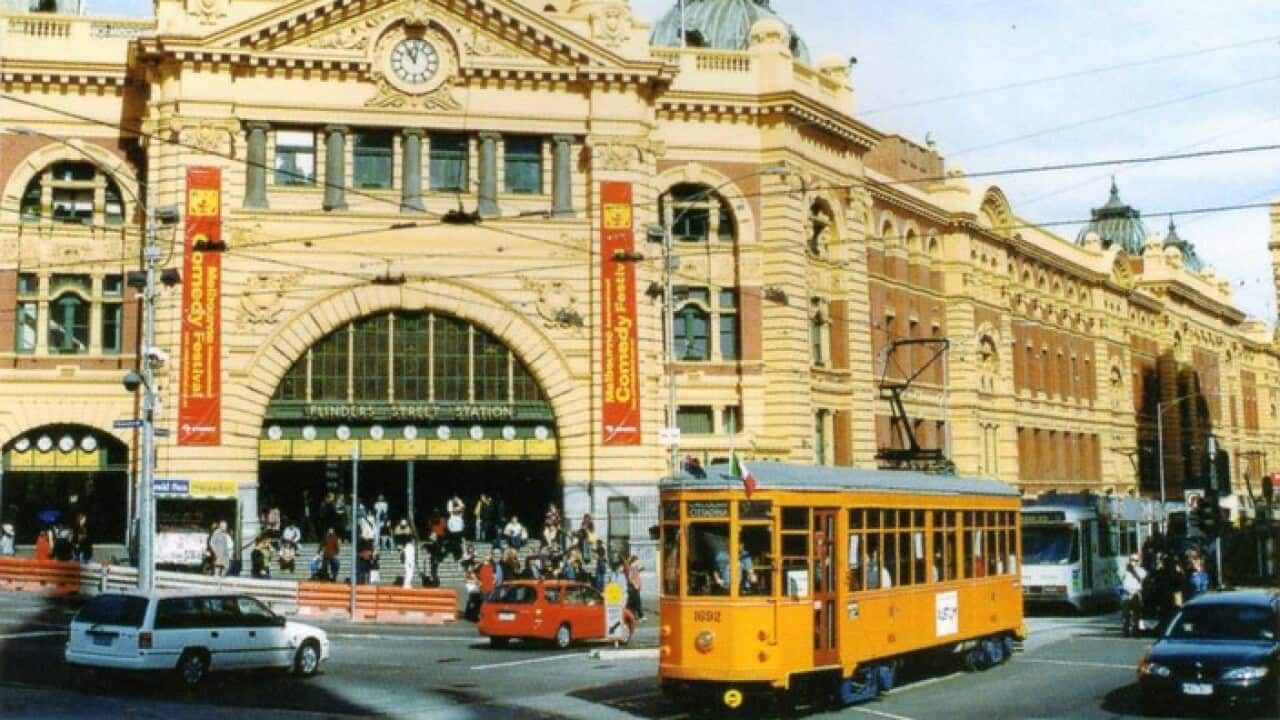

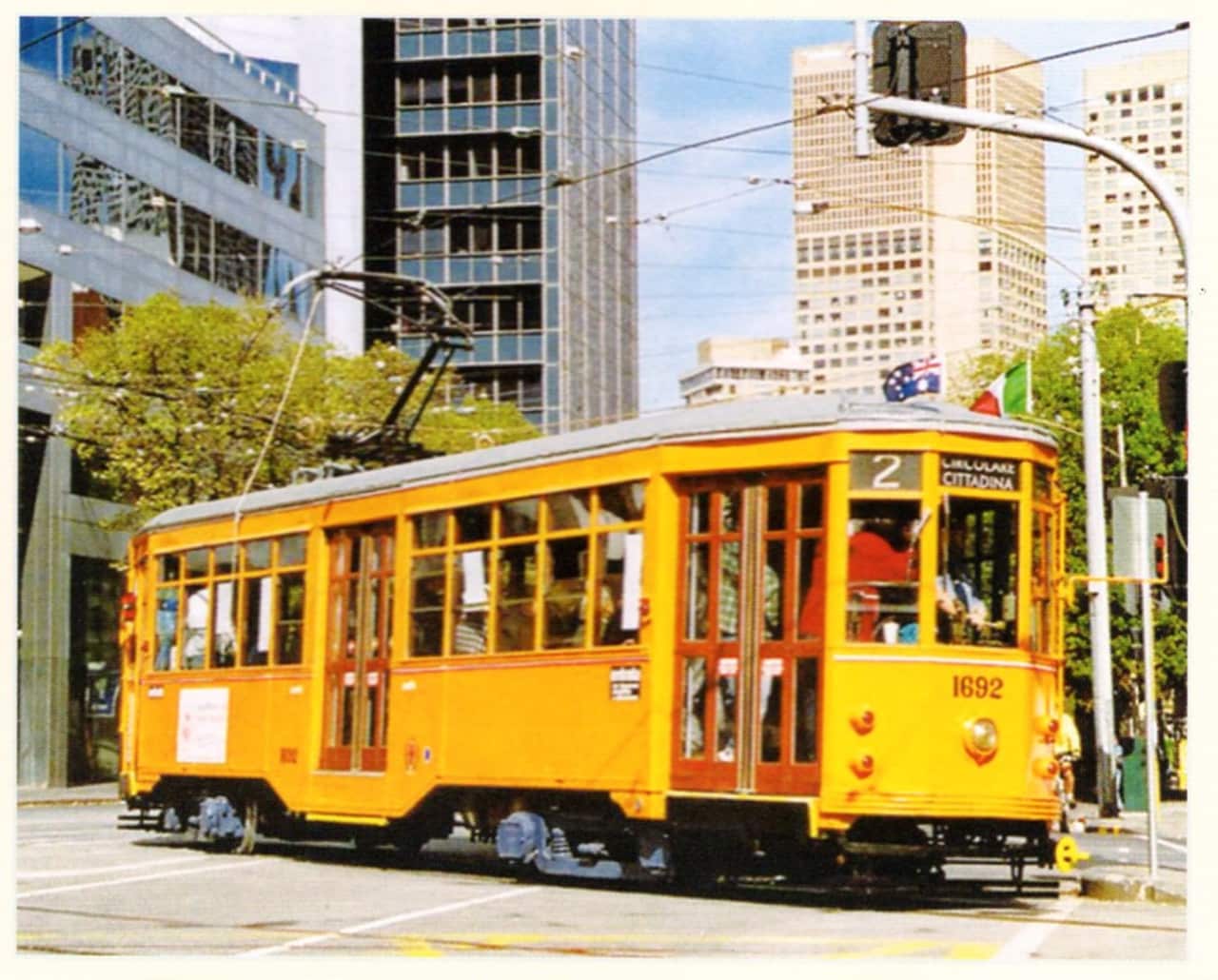
This is the story of how the iconic tram, known as "Milano 1928," which turns 90 this year, came to Australia and claimed a special place in Melbourne's heart.
Besides iconic landmarks and distinctive attractions, cities are also defined by their transport systems. What better represents Venice then a ‘gondola’, Los Angeles than its freeways and Sydney the ferries crossing its stunning bay?
More than a symbol, urban mobility is one of today’s most crucial challenges. Launching the Sustainable Cities Mobility Index 2017, Arcadis Director John Batten said, "Transportation is a crucial part of our daily lives and an area undergoing significant transformation globally."
Rapid urbanisation, low uptake of public transport and lack of a metro network are causing increasingly heavier traffic congestion in all Australian major cities, impacting on the health and lifestyle of their citizens.
Every municipality tackles these challenges with different strategies, expanding and improving their public transport networks, implementing shared mobility systems or more visionary driverless cars.
Historically, Sydney and Melbourne have a longstanding love for trams. Today Melbourne has the largest urban tramway network in the world. In the old days and up until the 1940s, Sydney had the most used tram system in the world.
The love affair with trams has recently continued with a $2.1 billion plan to build a new light rail line from the central business district to the South East suburbs. Transport for NSW has also planned to build 90 new trams to travel from Circular Quay to Randwick and Kensington. These trams will have the world’s longest carriages (67 metres).
Despite the effort to find ultra-modern solutions, dear old trams with their colourful liveries and a slightly vintage style, are still considered by many nostalgic citizens, to be the urban transportation vehicle par excellence.
Continuing on the nostalgic side, SBS Italian decided to explore how this love story began and how it felt in the very beginning to travel in 13-metre-long carriages.
Some answers could be found in the Sydney Tramway Museum workshop, where an old Italian tram has survived deep urban changes over almost a century.
"At Present, our Milan Car (1692) is stored away and isn't operational at this time," says Mitch Skillcorn of the Sydney Tramway Museum. "Unfortunately, she is suffering from a few small hitches and is awaiting her turn in our Workshop to have these hitches rectified and become presentable once again."
What is an Italian tram doing in Australia?
Italy's fashion capital Milan, besides the city cathedral - known as Duomo- and fancy aperitivi, is also renowned for its old yellow trams. They are called "Milano 1928," further enhancing the connection between the Italian city and this particular model.
SBS Italian reached out to the company that used to produce the iconic trams, Azienda Trasporti Milanesi (ATM); a Public Limited Company owned by the Milan Municipality still manages manage public transport in the city since 1931.
As chief engineer and responsible for Workshops and Deposits at ATM, Giampiero Cota, told SBS Italian the "Milano 1928" finally arrived in Australia after being deployed in Brussels, Frankfurt and San Francisco and other international cities.
"This very particular tram has travelled the world before getting to Australia and it got there because it clearly caught the attention of some Australian officer, someone with a passion for transport systems," says Cota.
Some Italians, upon travelling to Melbourne, have felt slightly surprised and thrilled when boarding a tram which, instead of stopping at Piazza della Scala or Arco della Pace, passes by Melbourne's City Museum, Parliament House and the Princess Theatre.
Towards the end of the 1990s, for three years a team of Italian engineers worked on the vehicle to adapt it for it's new life down under, where it arrived in 2001.
"The vehicle, I say it as if it were a piece of my heart, is among the most beautiful," says Cota.
Perhaps this is why some Italians, upon travelling to Melbourne, have felt slightly surprised and thrilled when boarding a tram which, instead of stopping at Piazza della Scala or Arco della Pace, passes by Melbourne's City Museum, Parliament House and the Princess Theatre.
For a few years, the "Milano 1928" has taken thousands of tourists on the ‘City Circle’ line, the free tram service offering a ride throughout the city's most iconic landmarks.
In the space of just a few years this tram has grown to become a symbol of its adopted city, eventually parading along Swanston street during Moomba Festival 2002.
After a few years, the tram went into retirement and was put on display at the Hawthorn Tramway Museum in Melbourne until March 2017. Today you can find it in the workshops of the Sydney Tramway Museum where it's held for maintenance work.
A revolutionary vehicle for its time, “Milano 1928” brought the best of Italian engineering and design to Australia and having just turned 90 it seems to cope quite well with the times!