

SBS News takes a look at the new rules and regulations kicking in 2019.
The tampon tax is over
From: January 1
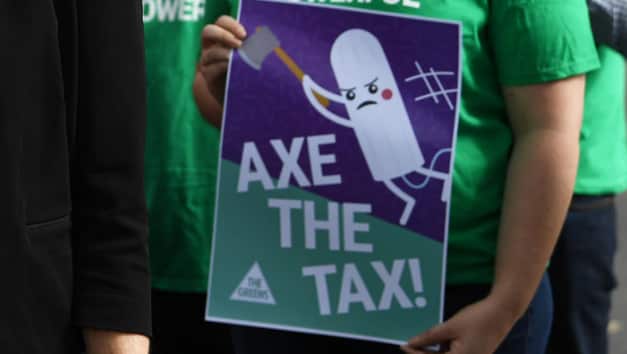
The 10 per cent GST on tampons and other sanitary pads is no more.
Newly GST-free include tampons, disposable and reusable menstrual pads, menstrual cups, panty liners and period or leak-proof underwear.
It comes three months after the states and territories unanimously agreed to ditch the tax on women's products and comes after 18 years of lobbying from advocates who said it was unfair to tax sanitary products when items such as condoms and lubricants were exempt.
Credit card lending
From: January 1
Changes are coming to the way some of Australia’s biggest credit card issuers hand out new cards - that includes American Express, CommBank, Westpac, NAB, Citi, ANZ, Bendigo and Adelaide Bank, HSBC, Latitude and Macquarie.
These providers have agreed to offer the ability to request a credit limit reduction or card cancellation online and stop providing unsolicited credit limit increase offers.
They have also agreed to, before issuing a card, properly assess whether a new customer can afford to repay the credit limit within three years.
The measures are in response to the Australian Securities and Investments Commission (ASIC) report.
“We will be monitoring lenders over the next two years to make sure they have taken action to address our concerns and to ensure that consumer outcomes are improving in the credit card market,” ASIC commissioner Sean Hughes said.
Australians owing $51.6 billion in credit card debt alone, placing us among the most debt-laden in the world.

Youth Allowance, ABSTUDY boost for regional and rural Australians
From: January 1
Restrictions have been lifted for young adults in rural and regional areas claiming Youth Allowance and ABSTUDY.
The income limit for both payments has increased from $150,000 to $160,000, while ABSTUDY recipients living away from home will have more flexibility when it comes to travel and visits.
Youth Allowance provides financial assistance to young job seekers, students and apprentices, while ABSTUDY is a group of payments for Aboriginal or Torres Strait Islander students and apprentices.
It comes amid renewed pushes for the Newstart payment to be lifted, which remains at $275 per week.
'No Jab, No Play' in WA
From: January 1
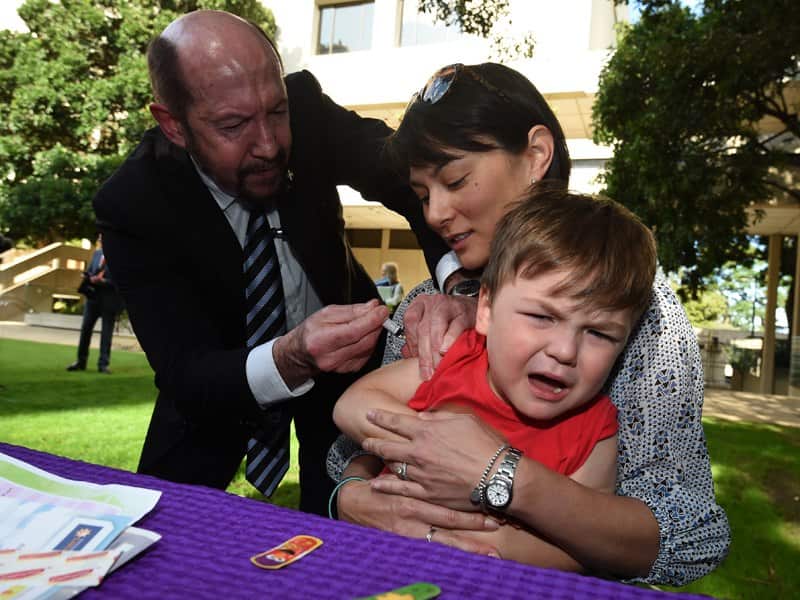
The "No Jab, No Play" policy will be enforced in childcare centres and schools to try and stop contagious diseases from spreading.
All kindergartens, schools and child care centres will be required to keep up-to-date immunisation records.
It brings WA’s laws into line with Victoria, New South Wales and Queensland.
WA’s immunisation rate is lower than the national average.
NSW baby bundle
From: January 1
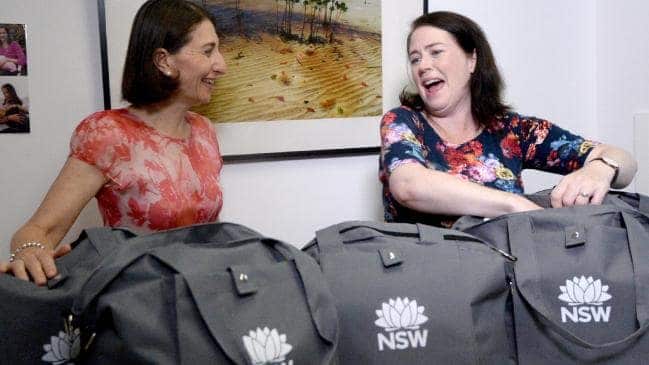
New parents living in New South Wales will get a $300 taxpayer-funded baby bundle to help them settle into parenthood.
The kit includes a thermometer, first aid kit, wipes, creams, a toothbrush and more.
It will be sent via mail, free of charge, to an address nominated by parents.
“We know there are lots of expenses associated with having a child, so this bundle will help alleviate some of those cost pressures,” NSW Premier Gladys Berejiklian said.
Just under 96,000 babies were born in NSW in 2017.
Personal income tax cuts
From: July 1
Australians will start to see the fruits of Coalition’s much-touted personal income tax cut plan from the middle of the year. People will receive their offsets once they lodge their 2017-18 tax returns.
Those earning up to $37,000 per year will see tax bills reduce by $200.
The maximum offset of $530 is applied to those earning between $48,000 and $90,000.
A measure to combat “bracket creep” (the process by which inflation pushes wages and salaries into higher tax brackets) will also begin on July 1.
People making between $87,000 and $90,000 per year will move back into a lower tax bracket, paying 32.5 per cent tax instead of 37 per cent.

Holiday visa changes
From: July 1
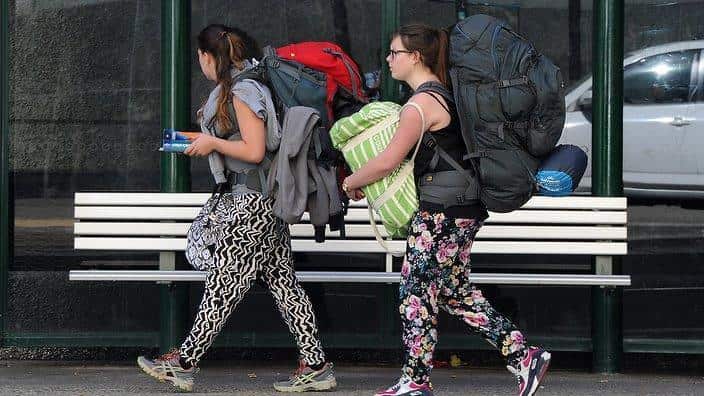
Visitors on the second year of their Working Holiday Maker visa program will become eligible for an additional visa – if they undertake “regional plant and animal cultivation work” for six months.
The changes will attract workers to regional Australia for longer, according to the federal government, but it insists Australian workers will continue to get the first opportunity to work.
New migrants to wait longer for some forms of welfare
The Morrison government‘s controversial proposal to make newly-arrived migrants wait longer to access various welfare payments is expected to pass parliament in early 2019.
Migrants granted a permanent skilled or family visa would have to wait four years for payments such as Newstart or concessions cards.
The wait for carer payments, parental leave pay, as well as dad and partner pay will be extended to two years, while a one-year wait will apply for a carer allowance and family tax benefit part A.
Labor struck deal with the Coalition in the House of Representatives to water down the initial bill, which was much tougher.
The bill will face the Senate in early 2019, after which, if it passes, will become law.