
13 min read
This article is more than 11 years old
Explainer
"My baby was weak but we kept going; we were almost there"
Ronak's story
Listen to the original 2015 podcast
Ronak is a 24-year-old woman from the Kurdish town of Kobani, near the Syria-Turkey border, scene of a fierce fight between Kurds and the self-proclaimed Islamic State.She and her husband Brindar ran for their lives from Islamic State to Turkey in September 2014 with their first born baby - 5 month old Bella.
Sleeping rough in parks, Bella soon fell ill.
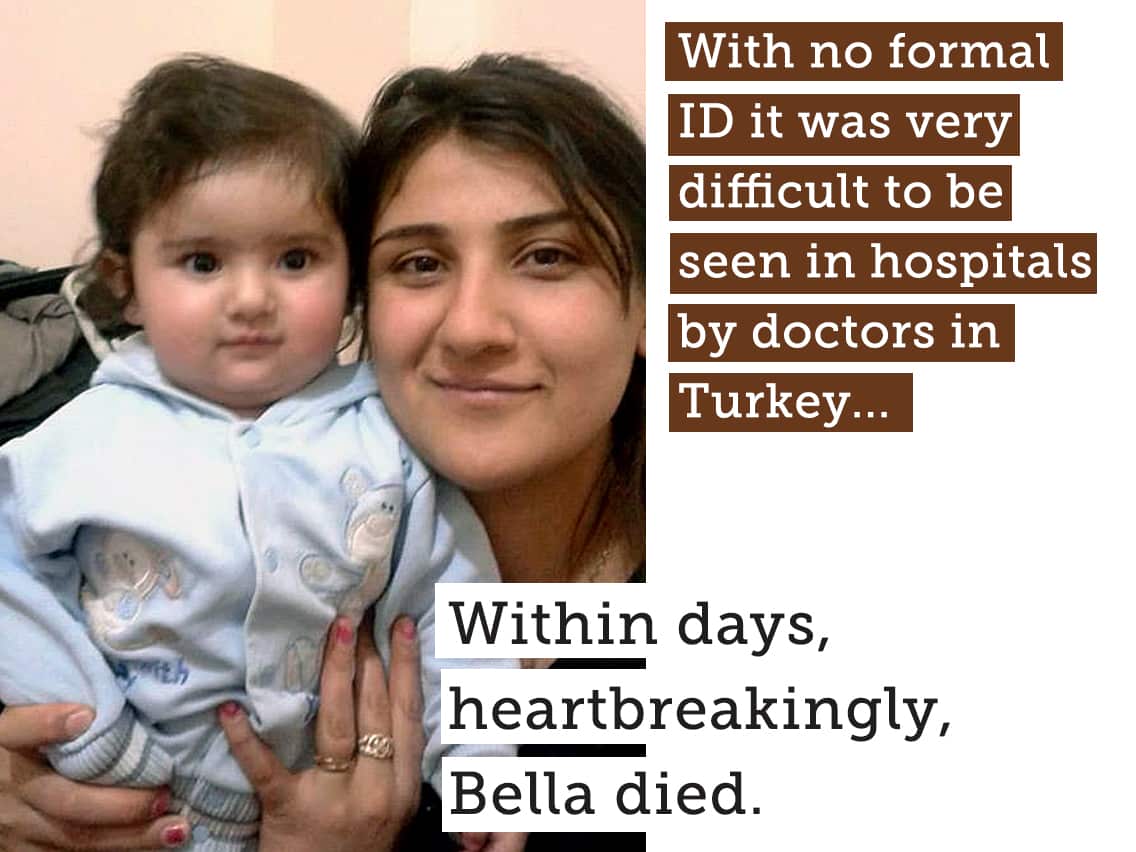
At the time, Ronak was pregnant with her second daughter, Aya. The death of Bella left the couple in complete and utter misery. In November 2014, Brindar made the decision to flee to Germany to try and obtain residency and lay the groundwork for a new life for his young family.
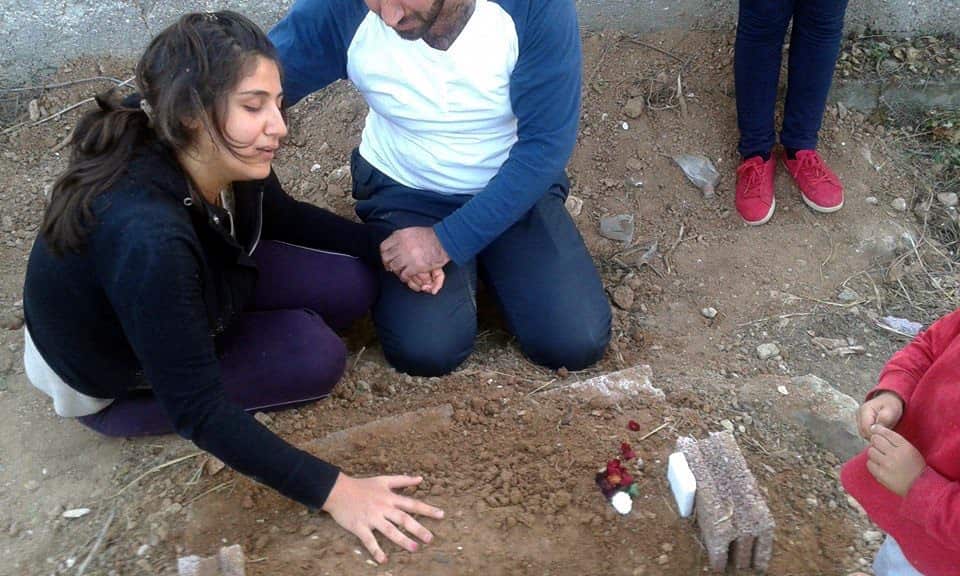
After Aya was born, Ronak thought it was too hard to go back to Kobani, and also there was no future in Turkey, so she made the decision to begin the journey to join her husband in Germany – 10 months after he had left.
Ronak's story: Leaving Turkey for Greece
August 2015
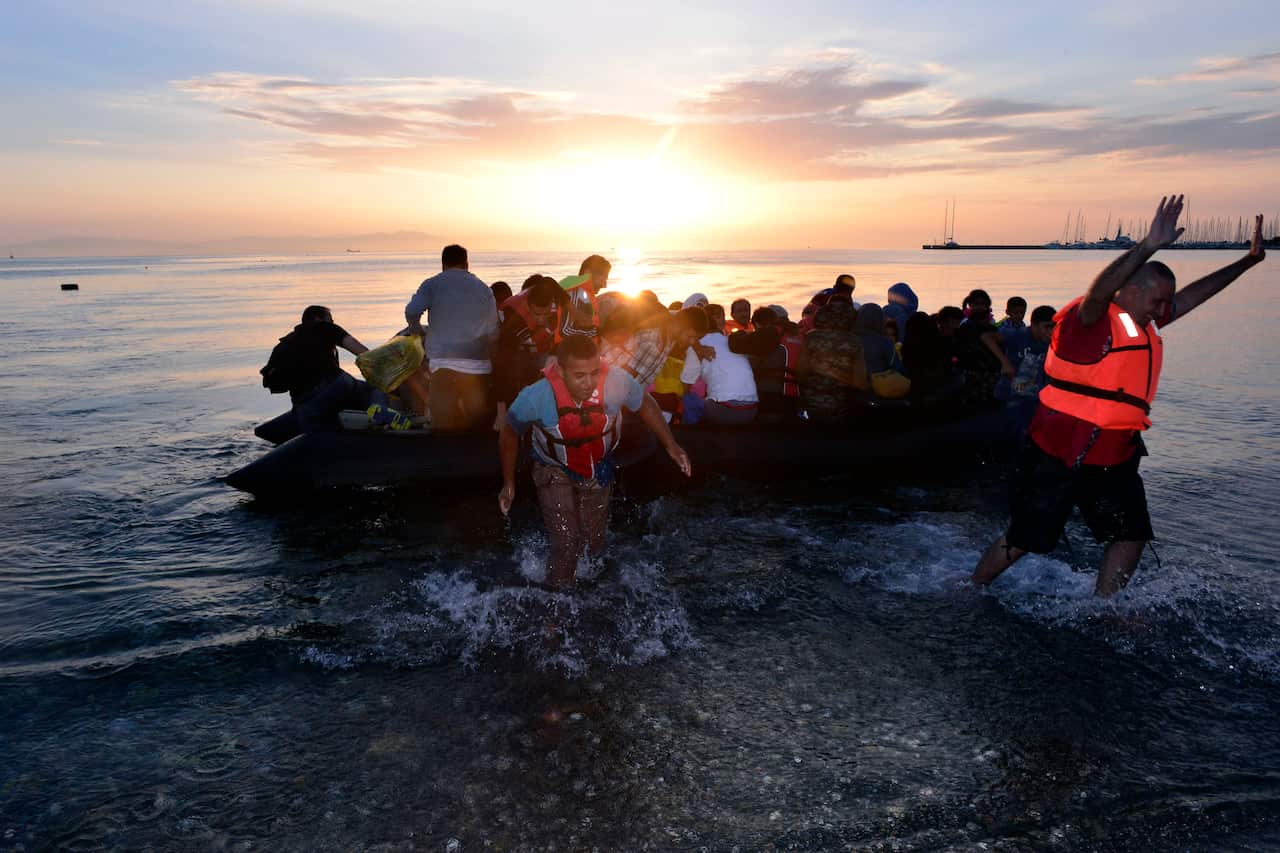
The situation in Kos worsens as migrants continue to arrive (Milos Bicanski/Getty Images)
MAP: Ronak's journey from Syria to Germany
Click on key points on the map to learn more about Ronak's journey and the countries she's travelled through.
Refugees and Migrants at EU borders at the height of the crisis in 2015
For real-time updates on refugee and migrant sea arrivals in the Mediterraenan, head to UNHCR.org.
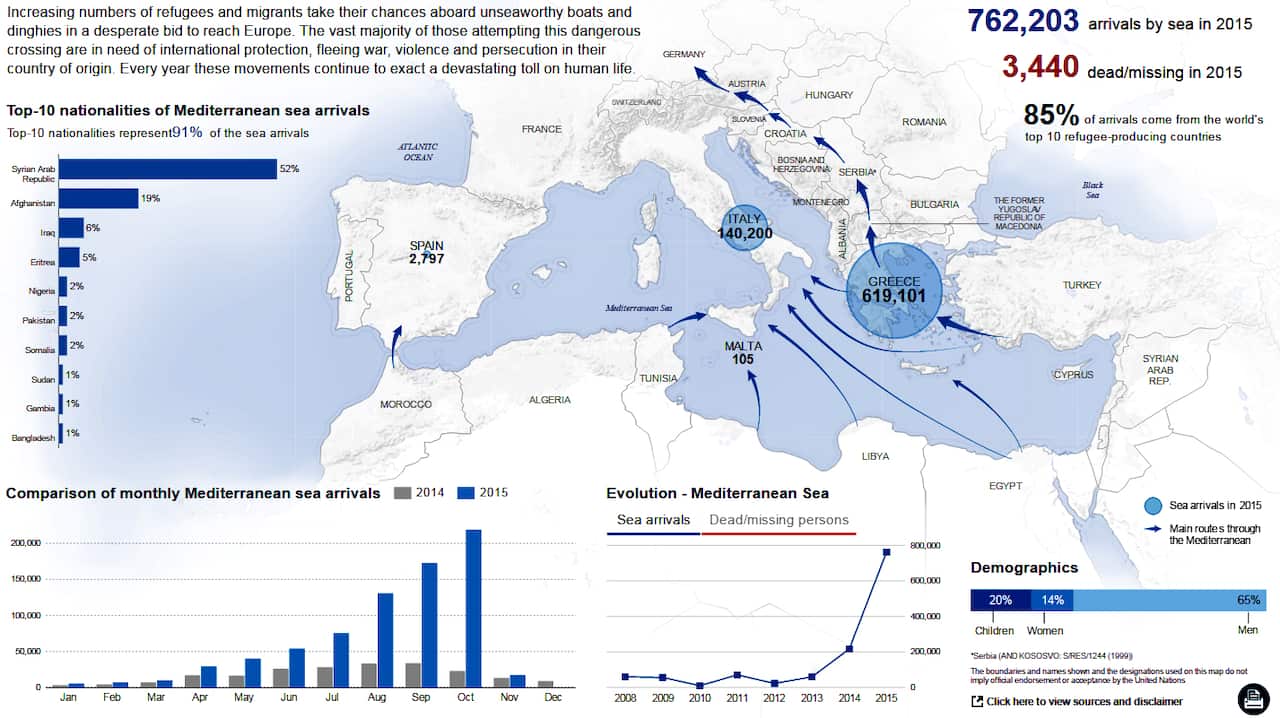
Image: data.UNHCR.org (as of November 4, 2015)
A Syrian perspective on the refugee crisis
The Syrian Government says the refugee crisis is the responsibility of Europe and countries supporting and funding – what it calls – “terrorists” in Syria. President Bashar al Assad says the refugee flow will only stop when terrorism is defeated.
SBS Arabic program producer, Heba Kassoua, comes from Syria. She says most people are fleeing threats from either the Assad government or I.S.
Roza Germian from SBS Radio’s Kurdish program says many of the refugees escaping Syria are of Kurdish origin. Most come from Kobani on the border with Turkey.A Turkish perspective on the refugee crisis
From Syria most refugees cross into neighbouring Turkey…
SBS Radio Turkish program producer Nilgun Kilic says Turkey has made huge sacrifices in hosting more than two million Syrians and Iraqis.
Ronak's story: Arriving in Kos
August 6, 2015
"We got to Kos, we were all soaking wet. Whichever hotel I went to, they would tell me, 'It's full.' My four-months-old baby was wet and shivering. Then a young Arabic man gave me his jumper to put on my daughter. That day, from 5am to the next day, we stayed on the street with wet clothes, waiting for our boat to take us to Athens. After queuing up one full day for the boat ticket, I got the ticket. The boat came two days later. We were on the boat for nine hours. We got to Athens, and, that same night, two Arab smugglers came and told us they've got buses ready to take us from Athens to the Macedonian border. It took us eight hours nonstop to get to the Macedonian border."Many others have made similar risky boat journeys with thousands being lost at sea.
Migrants would typically pay smugglers in Turkey about 3000 euros to transport them though gruelling conditions to Germany, joining the countless Syrians desperately seeking refugee status there.
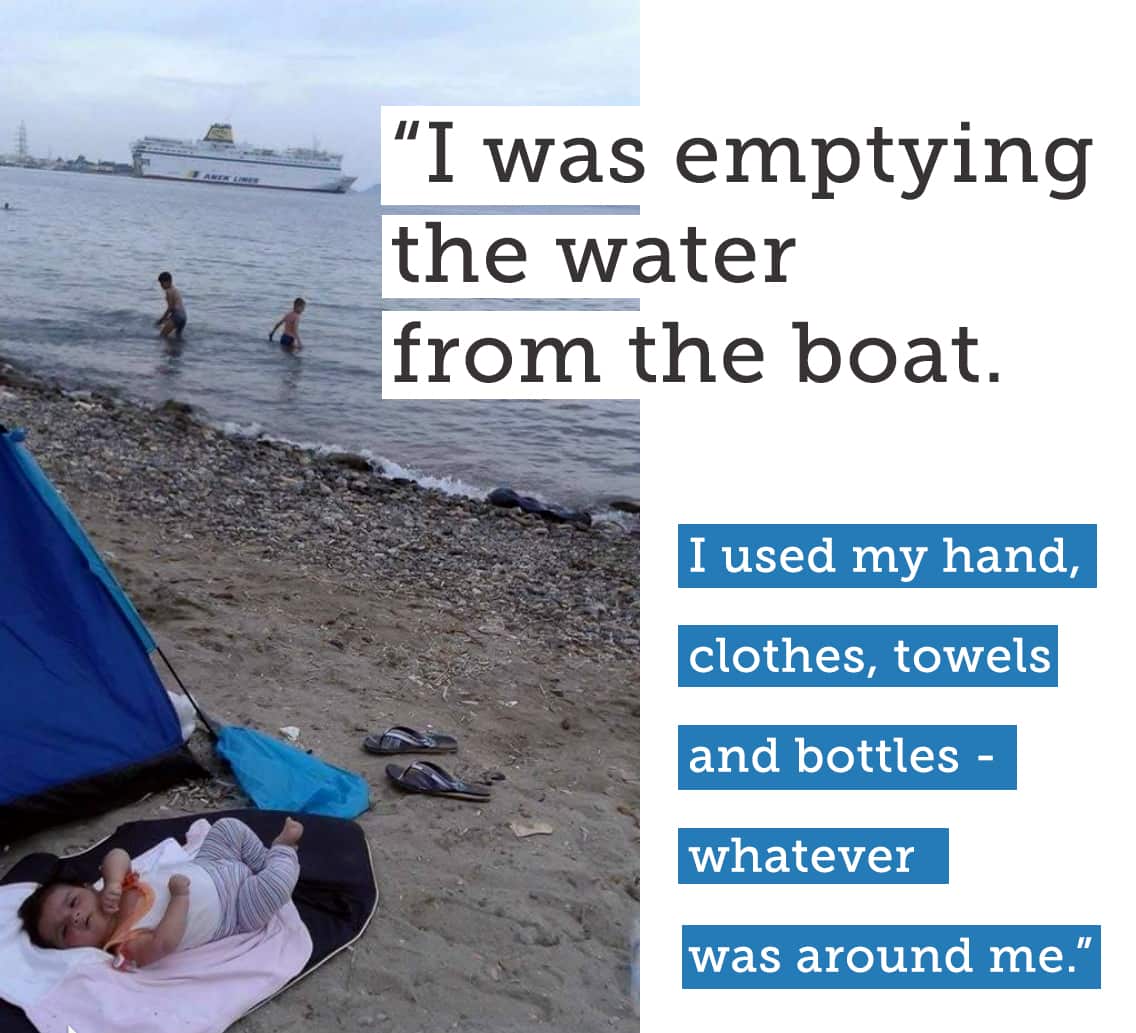
Ronak says her husband sold his car and she sold her gold jewellery to pay for their passage to Germany. She says she had to buy a tent to sleep on the beach when they got to Greece.
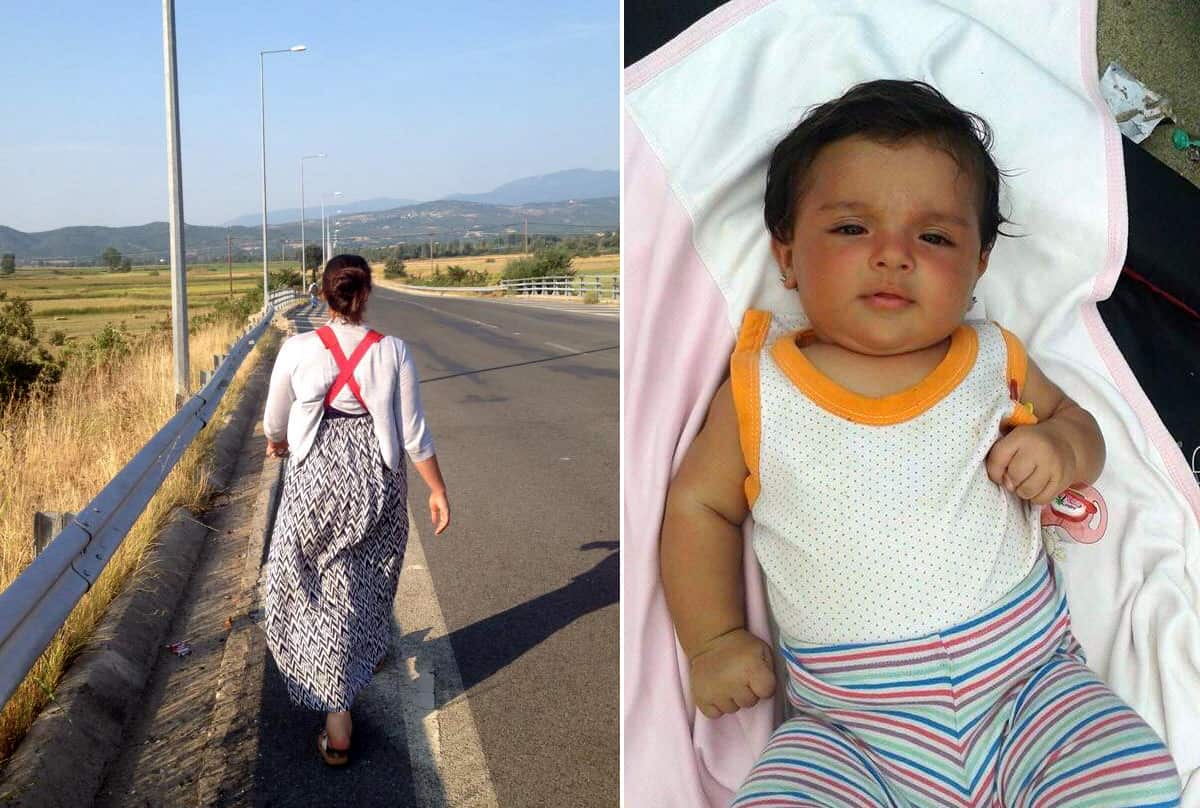
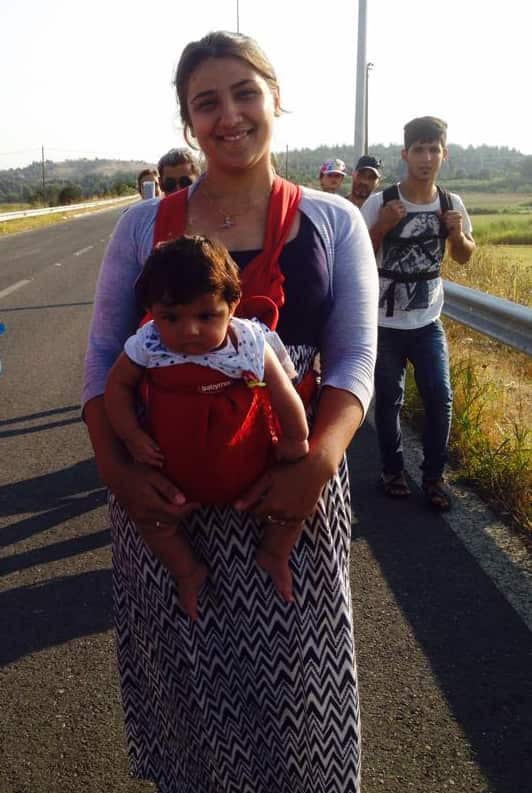
Ronak walks with baby Aya strapped to her chest toward the Macedonian border.
Baby Aya lying on a beach just outside their tent in Kos, Greece.
How does Greece fit into the refugee crisis?
Dina Gerolymou from SBS Radio’s Greek program says about three quarters of the people who have crossed the Mediterranean this year to reach Europe have done so through Greece.
Ms Gerolymou says debt-ridden Greece has been asking for help from the EU in order to manage the arrivals, who are putting considerable financial stress on already cash-strapped services.She says the Greek people are disappointed and angry at the lack of support from the EU especially in the aftermath of tragedies when islanders have to deal with the horror of bodies washing up on their beaches.
How does Macedonia fit into the refugee crisis?
Ronak and baby Aya are in a group of several dozen people, all strangers, who started the journey with them in Turkey. The group eventually were able to catch a bus from inside Greece to the Macedonian border.
Macedonia is primarily a transit country for the mass movement of refugees from Syria, Iraq and Afghanistan.
Margarita Vasileva from SBS Radio’s Macedonian program says it’s notable that Macedonia is the only non-EU country receiving refugees from an EU country - Greece.
Ms Vasileva explains how fellow Macedonians feel about the current humanitarian crisis on their doorstep.Ronak's story: smuggled through Serbia
August 20, 2015
Ronak and her baby did not spend much time in Macedonia, transiting quite quickly to Serbia. She says the smugglers told them to walk to a registration camp where a bus would take them to the capital, Belgrade.
"We got to Serbia, the smugglers told us we have to walk a further two hours to get to the camp to register and a bus will take us to the capital of Serbia. We walked in the rain the cold to the camp but when we got there we were told it’s already overcrowded. We stayed in Serbia for five days. The smugglers approached us and said they have a bus to take us but it will cost a lot of money. We paid the money, travelled a further six hours to get to the capital.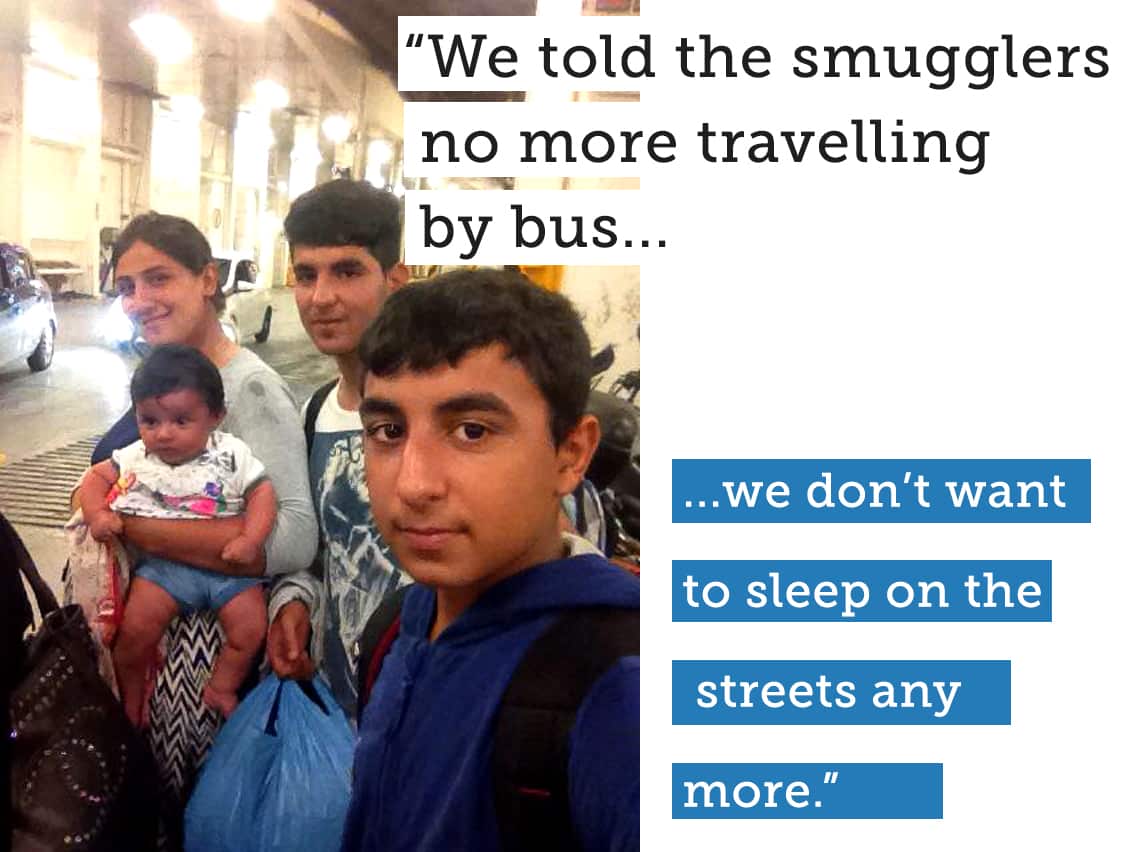
At the Serbian border, August 20, 2015
How does Serbia fit into the refugee crisis?
Branko Cvetojevic from SBS Radio’s Serbian program says Serbia’s geographical position has made it an unavoidable part of the route for almost all people fleeing conflict, persecution and poverty in the Middle East. Serbia is the last non EU member on the journey north before entering continuous European Union territory.
Branko Cvetojevic explains the Serbian Government's stance on the migrant crisis.Ronak's story: crossing the Hungarian border
August 2015
Part of Ronak’s journey in Serbia was on a train.
Ronak says, people grabbed Aya as the train was pulling away and yelled at her to run. “People were pushing me out of the way. It was crowded, some people were fighting. I had to focus, so I just ran and jumped on.”
After eight hours on the train, she faced another five hour taxi ride to Hungary.
Ronak says she was exhausted. “I had no energy, my baby was weak but we kept going. We were almost there.”
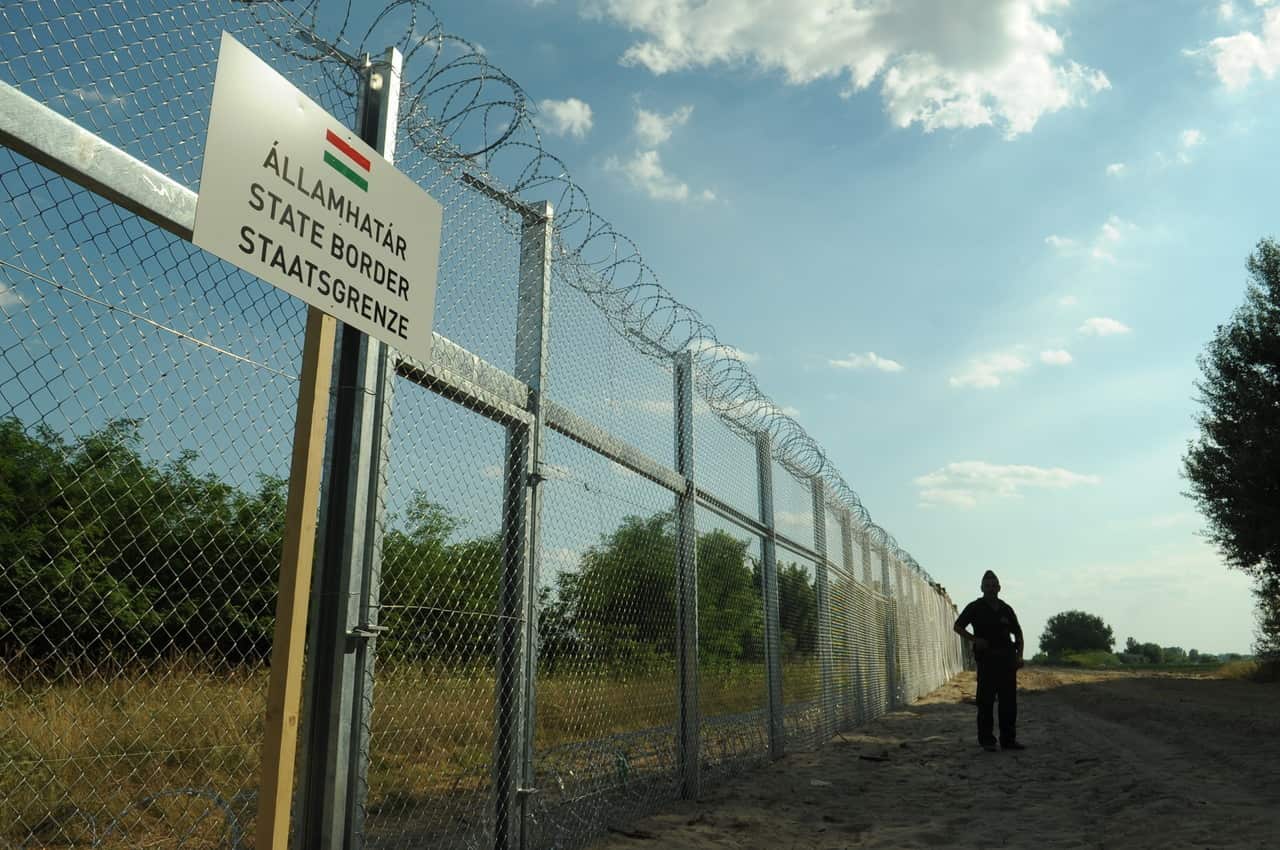
A fence now lines the Hungarian border where Ronak managed to cross on her journey to Germany. (Délmagyarország/Schmidt Andrea)
After being dropped in a forest by taxi - the group walked through the night.
“When we reached a town everyone was too scared to keep going for fear of getting caught. I turned around and shouted, ‘We’ve come this far, I’m going, it’s up to you, I’m about to lose my daughter’. I only had a little bit of water left for her. We hadn’t eaten in three days. They all started to follow and then the police took us to the refugee camp”.
The camp was overcrowded so the group slept on the street in Belgrade for 5 days. Then they were told they would have to pay more money to continue their journey.
"Each of us paid 1,700 Euros to the smuggler. Five days later they put us in taxis and told us other taxis will meet you half way and take you to Germany. They drove us to a forest and told us to wait for two hours until our taxis arrive. We ended up waiting for twelve hours in the rain, hungry, thirsty and sleeping on the ground. Then two men approached us and told us they are our guides and they will take us to Germany but we have to wait till it’s dark to cross the Hungarian border, just for the border patrol not to see us they will hit us if they do. Twelve hours later those men approached us and said hurry up the taxis to Germany have arrived."How does Hungary fit into the refugee crisis?
Many of the refugees who travel through Macedonia, Serbia and Hungary are vulnerable to human traffickers, gangs and corrupt officials.
Like most people making this journey, Ronak’s group did not want to be caught and fingerprinted by Hungarian authorities, believing that registration in Hungary would hurt their chances of asylum in Western Europe.
They feared the implementation of the Dublin Regulation, under which asylum seekers who reach Europe can be sent back to the first country where they are registered.
For a period of time this year Germany waived the stipulation of the Dublin Regulation and opened its borders, saying it could accommodate up to 800,000 refugees.This was also seen as a magnet – a real pull factor - for people fleeing conflict, who accelerated their journey for fear of missing out later on.
Hungary has been less welcoming of asylum seekers than Germany.
Kata Kiss from SBS Radio’s Hungarian program says the right wing government in Hungary has taken a hardline stance – worried about what it calls the Islamification of Europe.
How does Austria fit into the refugee crisis?
The new bottleneck created by the Hungarian razor wire fence has forced many refugees to change their route north and go through Croatia instead.
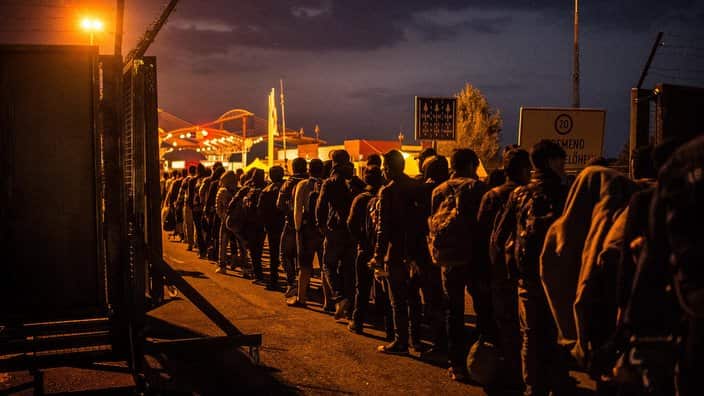
Croatia moves migrants on toward the Hungarian Border (Getty images)
But Ronak made it through before Hungary had completely finished building the border fence. Ronak’s group of asylum seekers were now nearing the end of their 20 day journey to Germany. The last country between Hungary and Germany on the migration route is Austria.
Maria Schaller is from Austria and is a producer at SBS Radio’s German program. She says while Austria is a desirable destination for refugees – many want to continue on.
Ronak's story: in the back of a van to Germany
August 2015
After a combination of travel by boats, trains, taxis, vans and lots of walking, Ronak was just a few days away from being reunited with her husband in Germany.
She says the trip from Serbia – through Hungary and Austria – was fast but almost fatal.
"We walked with them until we reached a road, when reached the road there was a van waiting there. The smugglers told us this van will take you half way and your taxis will continue your journey to Germany. The thirty two of us, we all got into the van. After everyone got into the van they told us this van will take us all the way to Germany. They locked all the doors on us from 7:00am to 3:00pm only leaving one corner of a window open. It was so stuffy, no food and no water all the way to there. We arrived at Germany at 3:00pm, had we stayed one or two more hours on the bus all the children would’ve from suffocated."Ronak recalls she was dehydrated and weak and felt herself losing consciousness but the others in the van urged her on by saying: “You’ve come so far, you are doing this for your daughter. Don’t leave her now.”
How does Germany fit into the refugee crisis?
German Chancellor Angela Merkel took the controversial decision in September to open Germany’s borders to refugees, even as some of its European neighbours were scrambling to keep them out. Ms Merkel says she will not back down from her refugee policy. This put her in contention to win the 2015 Nobel peace prize, but has seen her support at home plummet in opinion polls.
Angela Merkel says that refugees are, “not people who have recklessly decided to leave their homes” but are, “people who are running for their lives”.
Ms Merkel says providing shelter to so many people will be Germany's greatest challenge since reunification.
SBS Radio German program producer, Maria Schaller says refugees in Germany could boost the labour force – turning crisis into opportunity for both the host nation and those seeking shelter from persecution and violence.
Ronak's story: finding Brindar & a new home in Germany
August 30, 2015
The smugglers had promised to take them to Munich in Germany where most refugees where being processed but instead they dropped them just over the border near a forest. That is where they gave themselves up to local police and were kept in custody for two days. Once all the paperwork had been completed, they were taken to refugee camps and Ronak’s husband Brindar travelled 11 hours from Dortmund to collect his wife and baby.
“We made it to the camp site. I was reunited with my husband. I stood there as he ran towards me and I broke down. It felt like home as he wrapped his arms around us. I couldn’t believe it, I made it.”
Brindar has been given a three year residency permit by Germany.
Ronak and Aya are in a camp in Hünsborn, awaiting final clearance, before rejoining Brindar just 90km away in Datteln, near Dortmund.
Ronak says she feels safe and is very grateful to Germany for giving them refuge from the war in Syria and the terror of Islamic State.
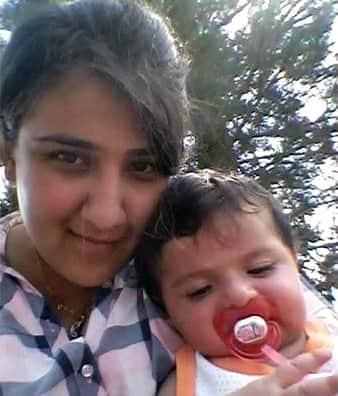
Ronak and baby Aya, finally in Germany.
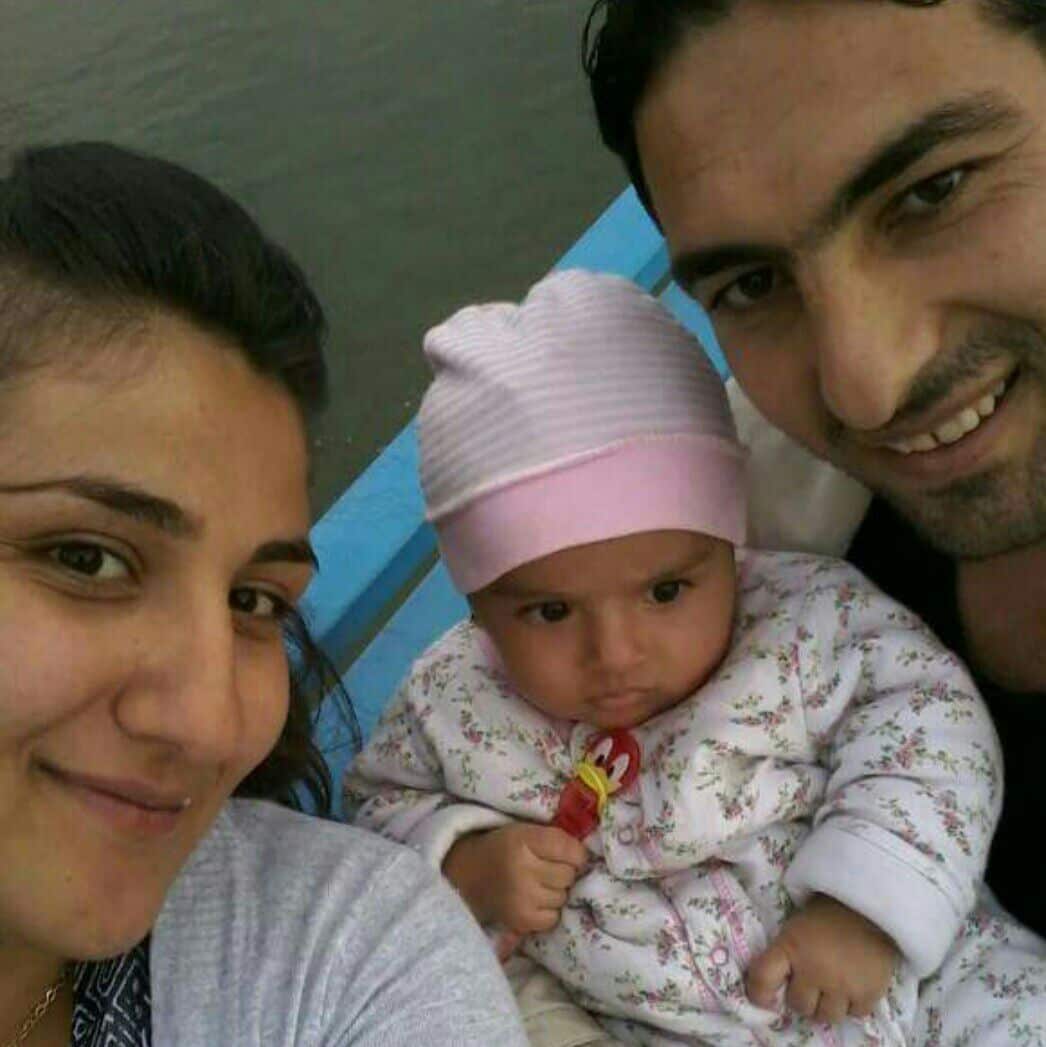
Ronak, Brindar and baby Aya expect to be permanently reunited soon.
Ronak sent this video message from Germany to express her appreciation.
Thank you
Credits:
Produced by Andrew Bolton with the collaboration of Mayada (May) and Shireen Khalil, Heba Kassoua, Roza Germian, Nilgun Kilic, Dina Gerolymou, Margarita Vasileva, Branko Cvetojevic, Kata Kiss, Maria Schaller, Zoe Sainsbury, Florencia Melgar and Ron Sutton.
With deep gratitude to Ronak for allowing us to tell her story.
In loving memory always...

Dedicated to Baby Bella who died on her journey to freedom.



