spk_0
SBS acknowledges the Traditional Custodians of Country and their connections and continuous care for the skies, lands and waterways across Australia.
spk_1
You're listening to Australia Explained, an SBS audio podcast helping you navigate life in Australia.
spk_2
Yiradhu marang, hello, I'm Lowanna Grant, proud Wiradjuri and Western Arrernte woman, and the executive producer of NITV Radio. Every month through Australia Explained, we share First Nations' perspectives and stories, and in this episode, we'll take a look at something that you might have on your wall or perhaps even on your fridge, Indigenous artwork.
spk_2
Did you know that 3 out of 4 souvenirs marked in Australia as Indigenous made or inspired have been found to be inauthentic? So how can you tell what's real, and why does it matter? In this episode, we'll hear from Indigenous leaders and experts about the impact of fake art, how to recognise ethical products and where you can find them. So you can feel confident buying First Nations art and craft products ethically in Australia.
spk_2
Buying First Nations artwork and crafts offers more than just a beautiful piece for yourself, it can also create real cultural, social, and economic impact. Behind many Aboriginal and Torres Strait Islander artworks and crafts, lies more than 60,000 years of cultural knowledge passed down through generations. Indigenous cultural and intellectual property, ICIP, describes
spk_2
the rights Indigenous people, including artists, have to their heritage and cultural practises. So what should buyers of Indigenous art know about this? We asked Stephanie Parkin, an intellectual property lawyer belonging to the Quandamooka People.
spk_3
Another word for ICIP is cultural heritage, and we refer to cultural heritage as a whole range of different things Traditional knowledge, information.
spk_3
stories, songs, languages that our ancestors created over many generations of living on this country, and yes, ICIP is more than just the physical piece of artwork that you might hang on the wall. ICIP includes all the things that you can't see, the story behind the artwork, all of the things that have influenced the artist to create that work and tell their story in that way.
spk_2
The Australian government has committed to introducing specific laws to protect First Nations knowledge and cultural expression,
spk_2
recognising the harm that fake art, merchandise, and souvenirs have had. It follows years of advocacy to stop the widespread sale of imitation products created by non-indigenous people and products featuring expressions of country without proper licencing, Ms Parkin says.
spk_3
It's fair to say that the issue of fake art has been around for a long time. It's decades really, so artists wanted something done and
spk_3
trying to raise awareness that fake art is not just impacting financial aspects for artists. There's also cultural damage and impacts.
spk_2
Stephanie Parkin is also chair of the Indigenous Art Code, a national organisation established after a Senate inquiry in 2007 to protect artists and their art through a voluntary industry code of conduct for businesses and art dealers.
spk_2
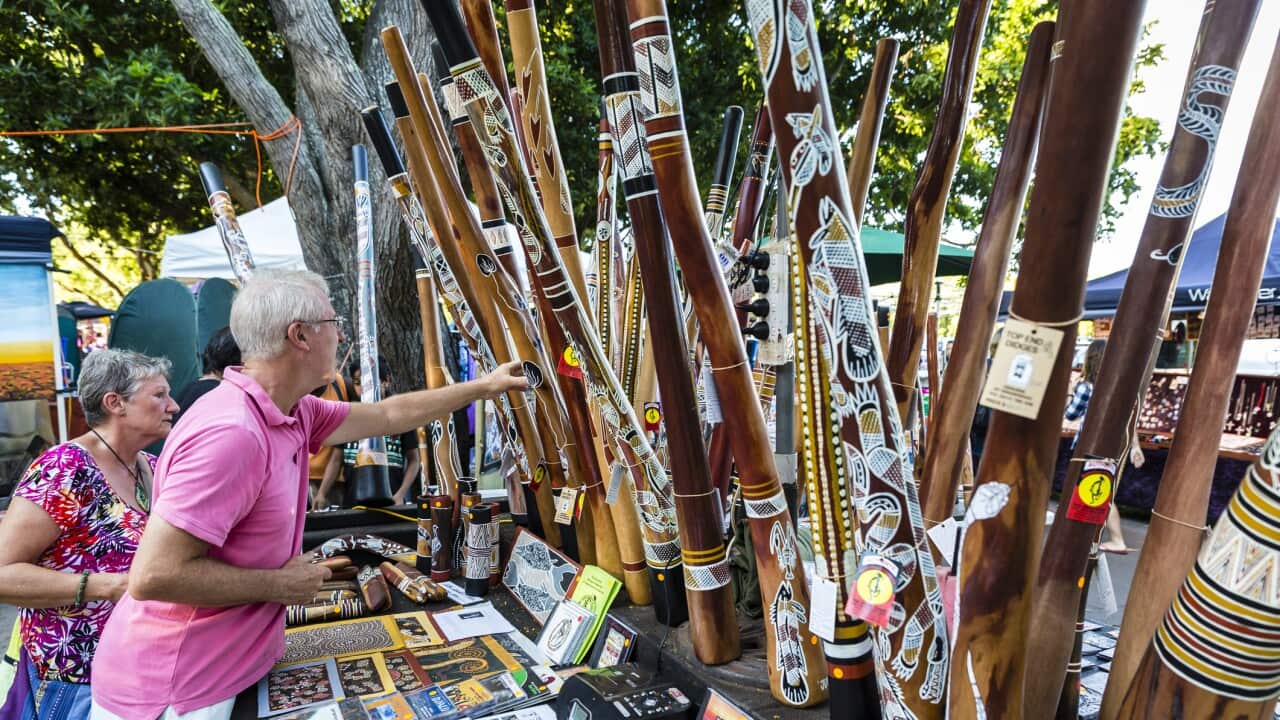
Ms Parkin says there are different pathways to buy Indigenous artwork, including directly from artists, Indigenous art fairs, or through more than 100 Indigenous art centres across the country. Looking for the black and red sphere logo of the Indigenous art code is one way to help ensure you are buying ethically.
spk_3
When a dealer or an art gallery has gone through the process of membership and once that membership
spk_3
has been approved by the Indigenous Art Code. They're then provided with logos that can be put on the art dealer's website or the shop front, and then that is for consumers to see that they've committed to ethical practises when dealing with artists.
spk_2
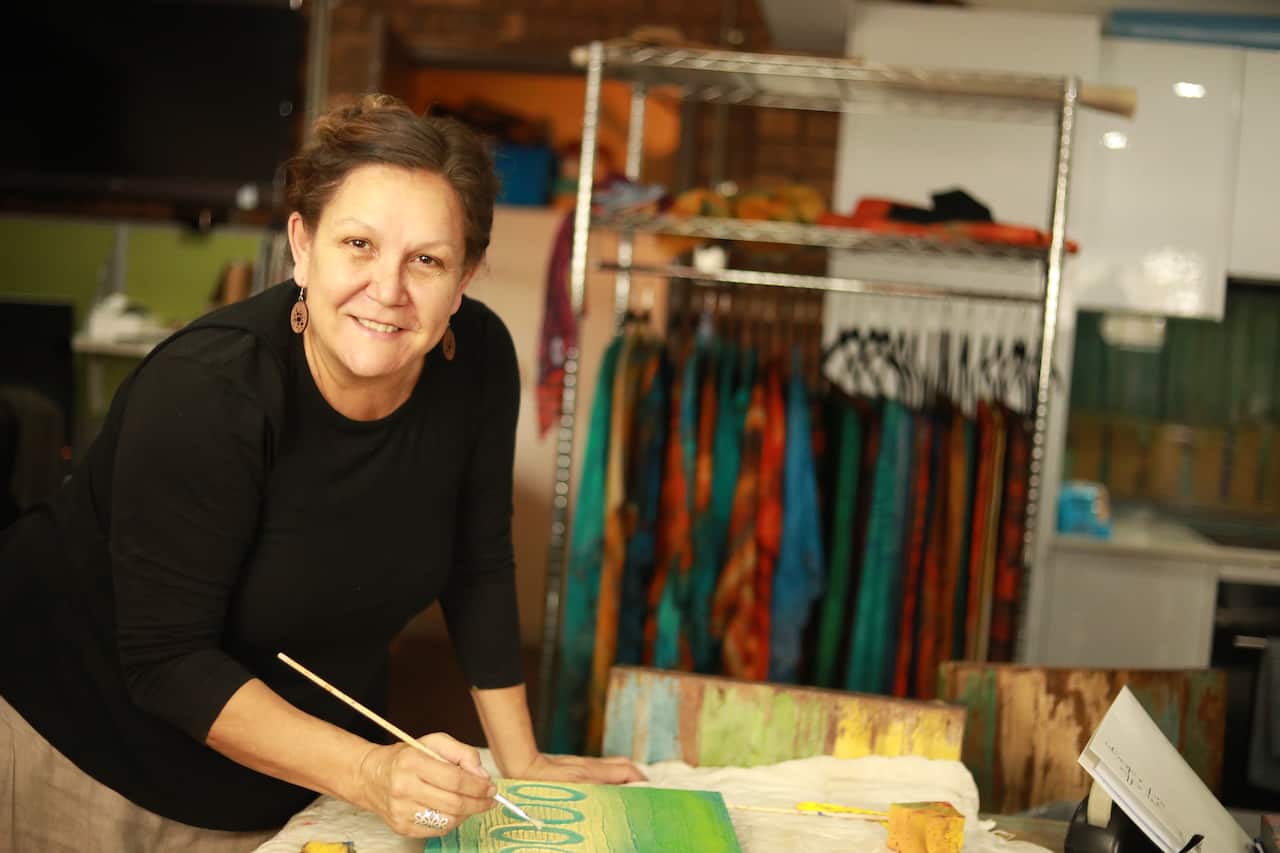
Saretta Fielding is an artist, designer, and businesswoman of the Wonaruah Nation who serves in the board of directors of the Indigenous Art Code.
spk_2
Purchasing a First Nations creation is ultimately an ethical and a cultural journey, she says, and it comes down to three key steps.
spk_4
People knowing how to ask the right questions, to connect with the right channels, and to gauge the authenticity of the work.
spk_2
Whether you're buying an original piece of art or a product with a licenced design reproduction, it's important to know who made it and
spk_2
under what conditions it is traded.
spk_4
Having that information and being equipped to ask the right questions, I think is really, really the first step, and that's something that is available on the Indigenous Art Code's website on how to ask the right questions about the artist, the artist's connection to country, or, you know, what is the artwork, the narrative is the artist fairly paid or how does that happen?
spk_2
Being a responsible buyer goes
spk_2
beyond ensuring First Nations artists receive a fair go. Ms Fielding concludes it also helps Aboriginal and Torres Strait Islander communities continue sharing the depth and diversity of their heritage more broadly.
spk_4
Because often when you purchase off an artist, that's really something that's benefiting their communities as well, knowing that there can be some misconceptions around Aboriginal artists all being
spk_4
the same, but you know, we're a very big country and we're diverse and we're across regional, remote and even living in cities and uh, yeah, working to bring authentic Aboriginal art to the marketplace.
spk_2
By buying ethically, you can get more than just a souvenir or a beautiful artwork. You can also play a part in protecting that cultural heritage and supporting the communities behind the work. It is a small decision that can make a lasting difference.
spk_5
Thanks for listening to this episode of Australia Explained, written by Zoe Thomaidou and hosted by Lowanna Grant.
spk_5
Australia Explained managing editor is Roza Germian.
spk_1
This was an SBS audio podcast. For more Australia Explained stories, visit SBS.com.au/Australiaexplained.
spk_6
Subscribe or follow the Australia Explained podcast for more valuable information and tips about settling into your new life in Australia. Do you have any questions or topic ideas, send us an email to australiaexplained@sbs.com.au.
END OF TRANSCRIPT