This podcast is in Macedonian language; please read the English transcript here.
More than twenty years ago, Australian researcher Patricia Easteal published the book "Shattered Dreams", the result of a survey to 800 women victim of domestic violence, together with legal aid and welfare agencies staff.The book revealed that a large proportion of women in refuges are immigrants, who don't know about their rights, the services available and fear the reaction of the community and even their families.
Since then, awareness about the impact on migrant communities has increased, services in other languages have been put in place. However, there are still thousands of migrant women facing abuse who can't leave the abuser.
Language is only one of the extra challenges these women face. They also deal with social isolation, financial dependency, stigma and different understandings of "shame" both within their communities in Australia and with their families back in their homeland.
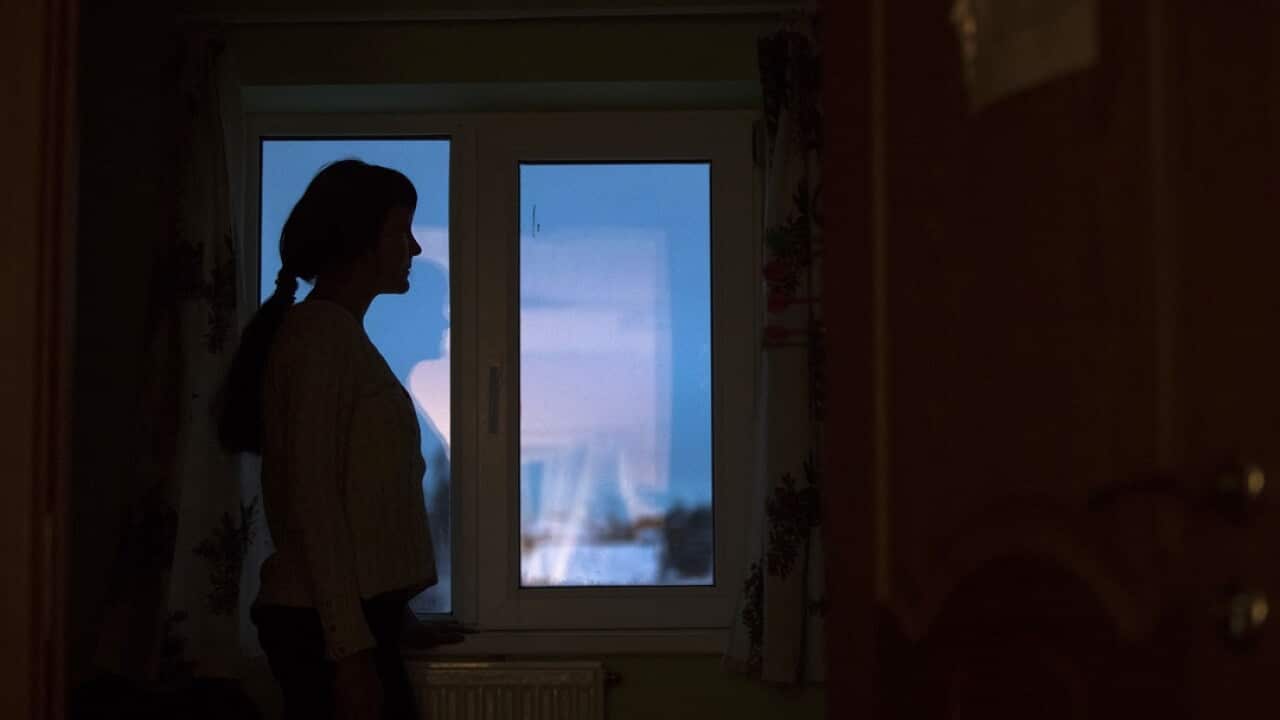
Jana (a name we chose for this story) is a Macedonian woman living in Sydney and one of the thousands of women who faced a situation of psychological and physical violence.
“I know our Macedonian community is still shy to talk about it, it doesn’t want to talk about the issue even though there are many women who are suffering….I am not ashamed to talk about what I’ve been through, what I’ve seen and what I’ve heard in my life.”
Patricia Easteal's study included many indications that women born overseas were less likely to escape the violent situation than the Australia-born, and as a consequence, there was a disproportionate number of immigrant women killed by their partners.
"I was here (Australia) in a new country, a foreign country, I could not speak the language well enough, I had no family, not even friends...You start your life somehow from the beginning...you come to a place where the person that is supposed to be your closest is the person who is betraying you and hurting you."
"The person that is supposed to be your closest is the person who is betraying you and hurting you".
Women tend to make any sacrifice to protect their children: sometimes they escape but in other cases the same motivation of protecting the children make them stay.
"We had a situation when we were invited to a Christmas party at the home of my son’s school friend where he appeared drunk and started abusing me verbally in front of so many people. He also threatened my son that he will find us and stab us with a knife. Since then, my older son, then 11, started having nightmares, waking up in the middle of the night screaming and running to my bed like a little child, terrified that his father will kill him”.
"Since then, my older son, then 11, started having nightmares, waking up in the middle of the night screaming and running to my bed like a little child".
Jana met her Australian husband in Macedonia and lived there together before they moved to Australia. Even though it was clear his behaviour was violent from the beginning, she excused him, following the path most victims go through: convince themselves the abuser one day will change.
"Warning signs were present even back in Macedonia just after we were married. But each time I justified them as part of being in a new country where he did not know the laws, with his frustration or with anything else, thinking that once we reached Australia I would start a new life where I hoped I would be protected . But I was disappointed. I was left, literally, on the streets in the middle of the night with a one-and-a-half year old and four months pregnant."
"I was left, literally, on the streets in the middle of the night with a one-and-a-half year old and four months pregnant."
Jana's husband was finally jailed for three months. She says he was imprisoned because he attacked a police who was defending her from his abuse, not for the abuse he had inflicted on her.
"When I was towards the end of my second pregnancy, I returned to the house to pick up some of my stuff but he tried to attack me. The police stopped him and he was jailed for three months. He was jailed because he tried to attack the police."
While physical violence leaves marks on the body, emotional violence hurts the self esteem and affects the victims' perception of themselves.
“There are times when you start to believe the words that degrade you, make you feel unworthy”.
Over her twelve year marriage she fled many times, with each return plunging her into more horrifying abuse. Jana wants to say to all Australian women, especially migrants, that returning to the abuser is not an option: "Do not ever return to a violent relationship".
Listen to Selina's story, another Macedonian woman in Australia, talking about domestic violence: Selina Tonkin: “Escaping domestic violence in Macedonia only to become a victim in Australia”
Do you need help?
- To speak to a counselor anytime, call 1800 737 732 (or 1800 R-E-S-P-E-C-T on your keypad) or visit www.1800respect.org.au
- Help is available from the Women's Domestic Violence Crisis Service of Victoria (WDVCSV) on 1800 015 188 or those in NSW can call 1800 65 64 63.
- The Immigrant Women’s Support Service offers information in several languages. http://www.iwss.org.au/information-in-your-language/
- Talk confidentially to your GP who will be able to refer you to support networks in your language.
- Access free legal aid in NSW. Click here for more information. They can also provide a free translation service on the phone to assist you during the meeting with the lawyer. Ask for a translator here. Your GP can also help you with this booking.