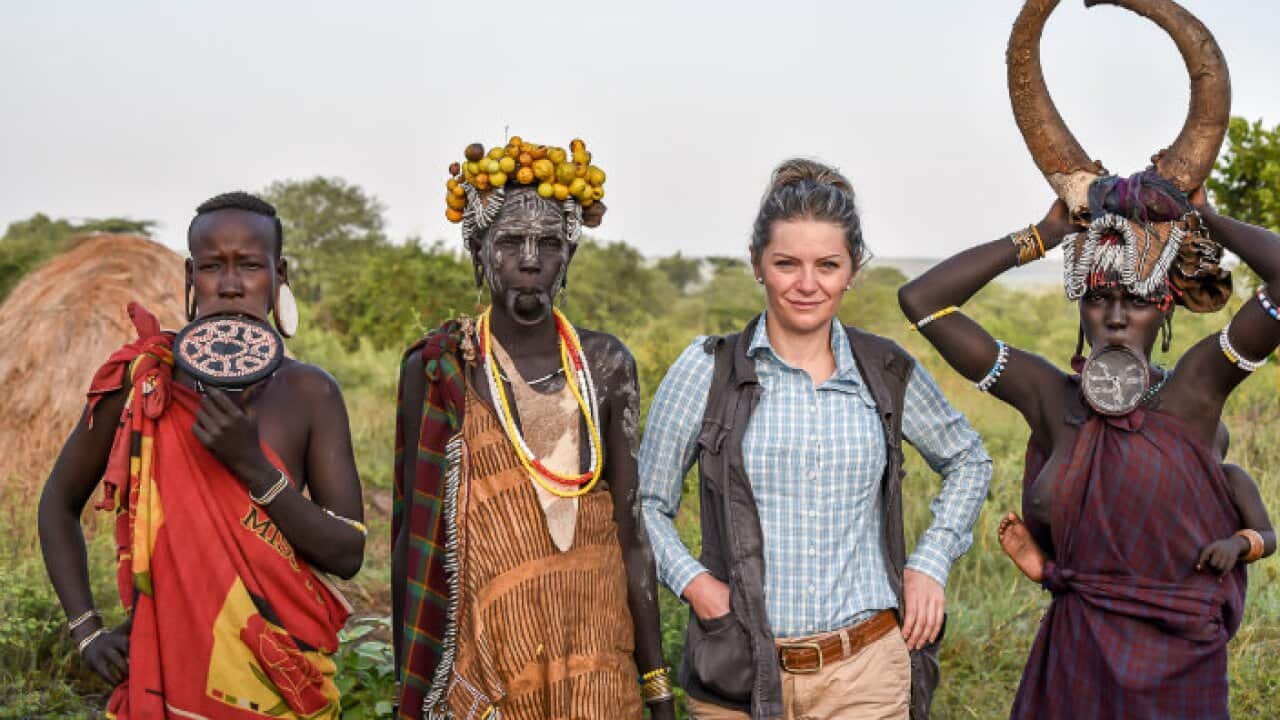
A great passion for documenting tribal people and their unique way of life has seen Biljana Jurukovski, a self taught Macedonian-Australian photographer from Sydney, visit some of the most remote places around the world in countries such as Mongolia, Nepal, Mexico, Ethiopia.
Her image of a hunter named Saliukhan and his golden eagle, taken in Mongolia, was featured on National Geographic in June as Photo of the Day.
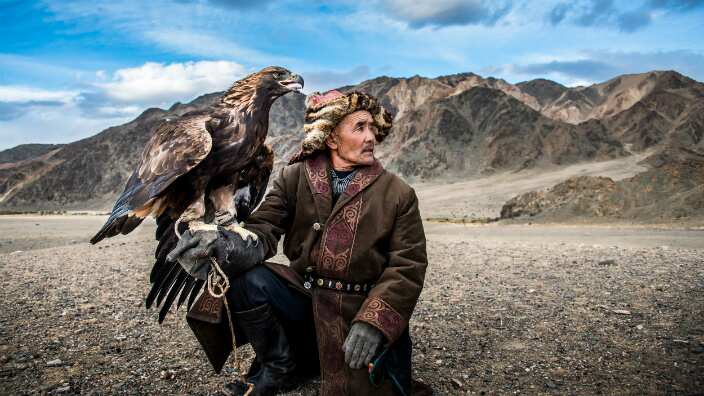
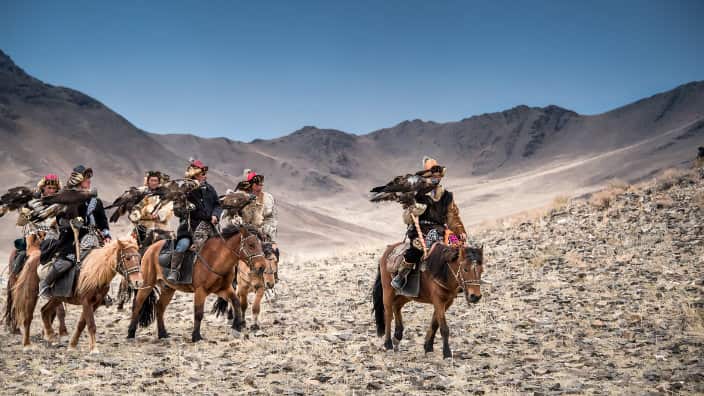
In this region, Jurukovski explains, training eagles for hunting is a skill that is passed on through generations. The eagles hunt small animals in the mountains, which in turn will be made into traditional fur clothes.
"Once an eagle has been captive for 10 years, the hunter releases it back into the wild," Biljana Jurukovski tells SBS Macedonian.
Jurukovski, who is a Sydney-based working mum, has only been pursuing photography "as a hobby" for the past four years.
“My hobby is exclusively documentary photography of tribes and ethnic minorities who have managed to maintain their culture and traditional way of live," says Jurukovski.
Hobby or not, her passion has taken her to some incredible places
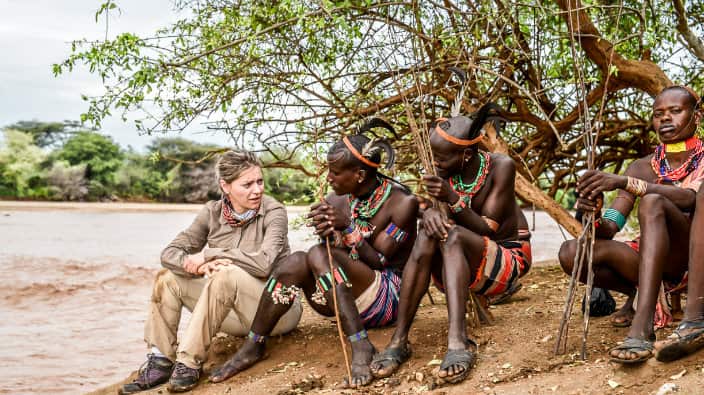
"In Ethiopia on the border with South Sudan I I photographed 4 different tribal groups and in Japan, the Jakuza people with their elaborate all body tattoos, who are considered to be members of a mafia," says Jurukovski.
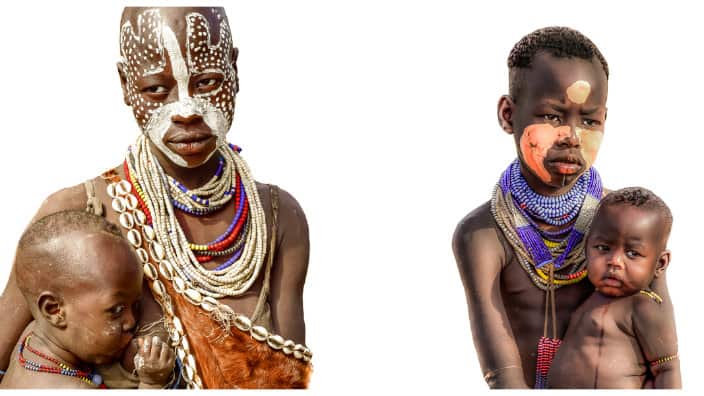
“My portfolio was inspired by beauty and the creativity of the tribal people called Suri, who live on the border between Ethiopia and South Sudan."
"They use many different materials from the nature as flowers, clay,chalk, fruits and branches to decorate and colour their bodies.”
While her photographs may just be a "hobby," they have already received a high commendation from Australian Photography magazine in their 'Photographer of the Year 2016' competition.
“Through my photos I wanted to tell that regardless of where people live, they can find different ways to show their beauty and that the beauty is a subjective thing."
Her "Tribal Madonna" image was singled out as one of the “Top 22 culturally eye popping images of 2016" in an article in Guru Shots.
And Biljana’s image "Chike and Jojo" won first place in the portrait category in the Photocrowd competition.
"Not bad for a self-taught photographer," says Jurukovski.
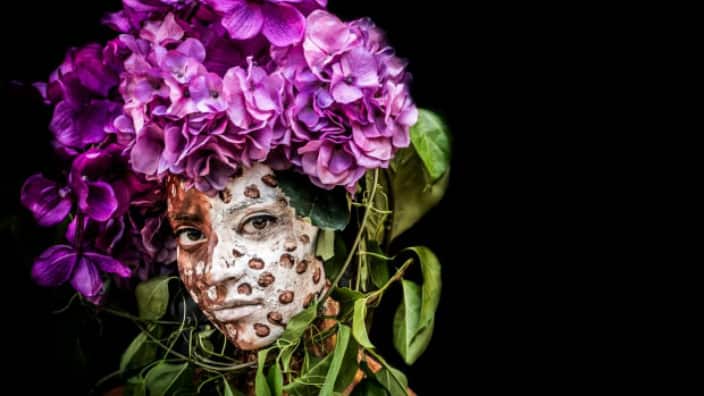
Biljana’s obsession with the tribal world continued in Sydney when she asked her niece, 17 year old Delfina to be her model for a session titled "Beauty inspired by nature."
"Like many teenagers, her view on being beautiful was very different until we had this session," says Biljana.
"The whole point of this exercise is for her to understand that ‘Beauty is in the eye of the beholder’ and to understand that there are still tribes around the world that only use products from nature to decorate themselves and to express their beauty."
As to how she started out on this incredible travel photography journey, Jurukovski says, "I started four years ago and my first destination was northern Vietnam where I visited ethnic minorities like the Flower Hmong, Red Hmong, Black Hmong [different minority groups within the Hmong communities]."
"A few months after that I went to India where I photographed the so-called holy men or 'Sadhus', then I continued to Nepal to photograph the mountain people in the Himalayas."
Jurukovski says some of the countries she's visited in her travels pose higher risks than others and that special preparations and assessments had to be made prior to the trips.
When visiting Ethiopia for example, there was an Ebola outbreak in the western part of Africa and although eastern parts were free of the disease, the trip was hanging in the air until the last minute.
For her next adventure, Jurukovski is taking off to Angola - where, due to civil unrest and high crime rates, the Australian government warns travellers to exercise a high degree of caution when travelling there. So does Jurukovski ever get scared when travelling to such intrepid or dangerous locations?
"Fear doesn't really enter into it," she says. "It's really curiosity that drives me."
“Through my photos I wanted to tell that regardless of where people live, they can find different ways to show their beauty and that the beauty is a subjective thing."