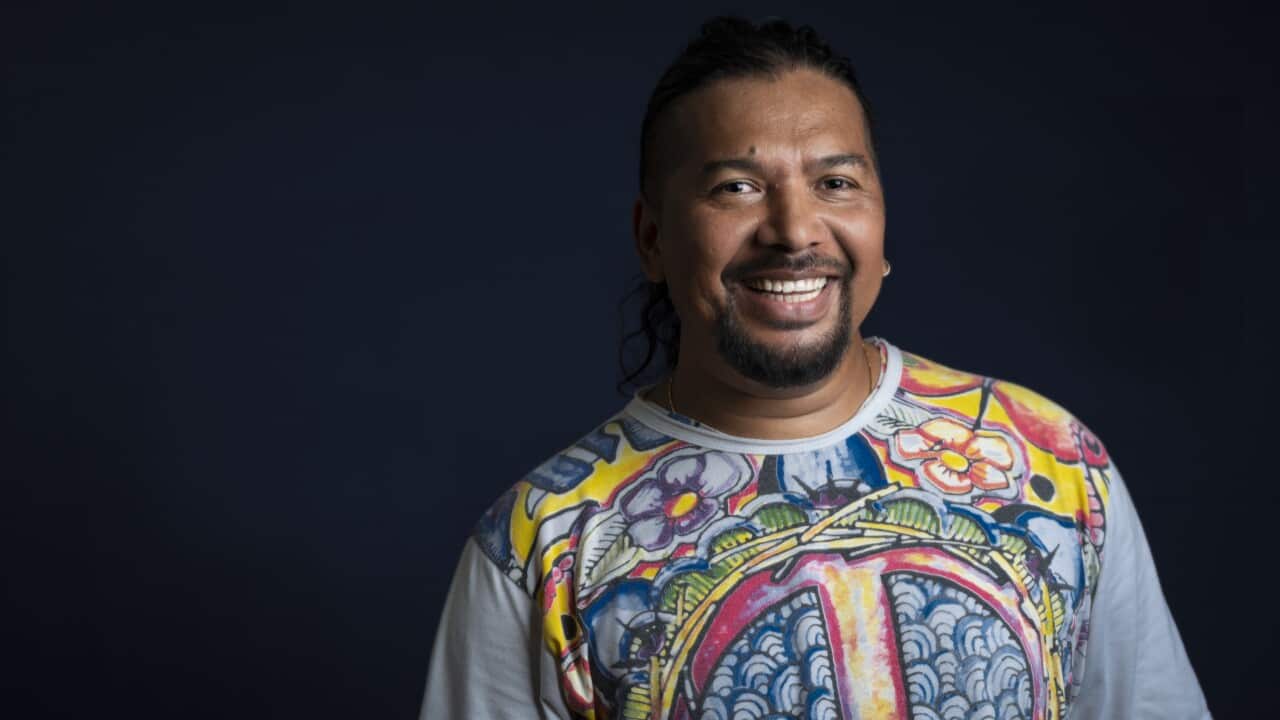
Originally from Nepal, the Queensland resident has served the community of the Sunshine Coast for almost a decade with such passion and dedication that he was recently featured in a photographic exhibition featuring dozens of people who shared their stories of “pursuits of self-discovery and devotion”.
“My home in Kathmandu was just around the corner from the tourist hub of Thamel,” he tells SBS Nepali.
“Also commonly known as ‘Freak Street’, the area has been popular among tourists since the hippy era of the sixties.”
But it was not the free souls from the West, smoking marijuana and taking other synthetic drugs, that got Manandhar sucked into the world of illegal drugs.
“My family was well off, and everyone was supportive, but I was a single child, being raised by a single mother after my father left us when I was just a kid,” he says.
Delusion and Dysfunctional
“The school I was enrolled into was one of the most popular but also had a colourful and wide array of students,” he recalls.
“It was the perfect breeding ground for falling into ‘bad habits’ with bad being the norm, and there was considerable peer pressure.”
Not attending classes and trying “new things” were becoming an increasing part of his critical teenage years, soon becoming hooked on to prescription based cough syrup and smoking cigarettes and weed.
Mahesh Manadhar says substance abuse does not discriminate.
“To say I took drugs due to family issues would be grossly an understatement. It would be just an excuse. And, it applies to everyone,” he says.
“Whether one is from a wealthy background or has a happy family, substance abuse can affect them.”
He adds that not everybody is affected in the same way, and it is harder for others to identify whether someone is affected by drugs.
“I have known people who can maintain their composure even when there is a known substance in their system. But, slowly but surely after some time, when the substances take their toll on the body, it eeks out.”
Manandhar says the coping mechanism of substance abusers collapses over time and their mental health also suffers significantly.
“I was no different. The family had lost their trust and hope on me.”
He says that despite trying mediation, staying with family friends, taking a holiday - nothing seemed to work.
“I was okay for some time, but boredom quickly took hold, and I kept falling back into the bad habits,” said Manandhar.
He suggests the lack of education on substance abuse and general lack of understanding its implication had a huge role in him relapsing countless times.
Helping Hand
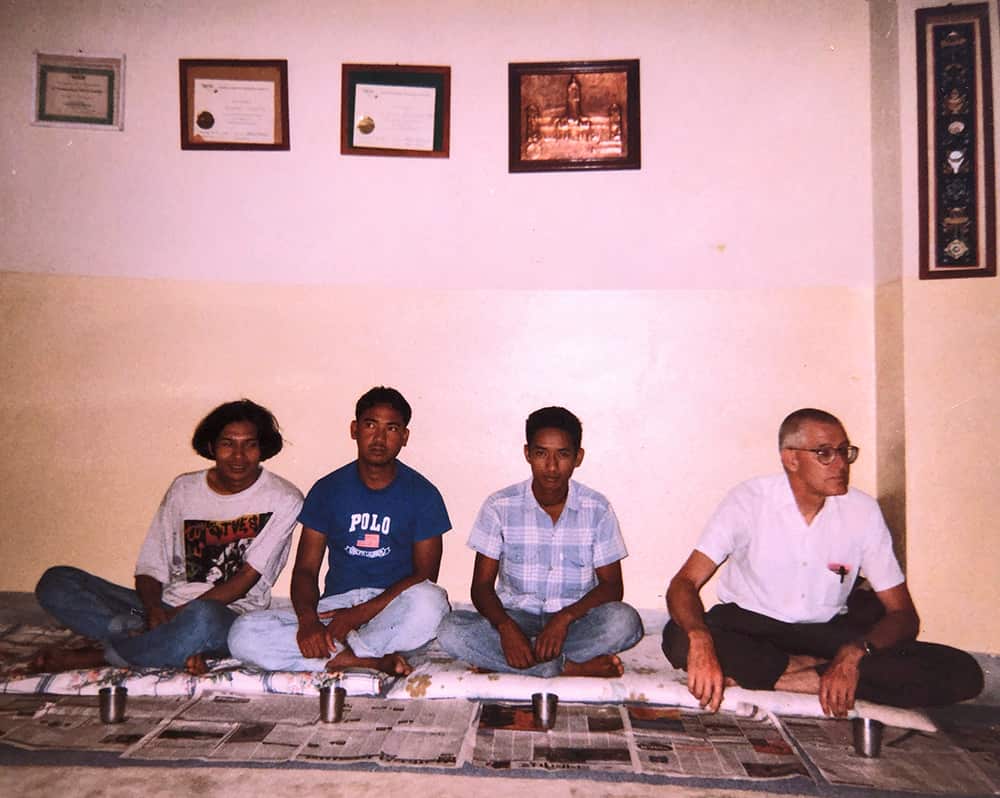
As Mahesh Manadhar’s family’s desperation to help him grew, they found a family friend for whom his mother had great respect.
Little did she know that Manandhar and this family friend were taking drugs together.
But, this family friend, who Manandhar likes to only refer to as Dai - or an older brother, had stayed at a prominent and the oldest rehab centre in Kathmandu and on was his “outing”.
“He then confessed to my mum, in front of me, saying what he was up to,” Manandhar recalls cheekily.
That family friend opening up to his mum and convincing her to put Manandhar in rehabilitation centre was the pivotal point.
But it was not that easy says Manandhar.
“My mum was somewhat unsure, but Dai said ‘we need to give Mahesh a second chance’.”
Once his mother agreed, Manandhar’s life took a sharp turn for the better.
Second Chance
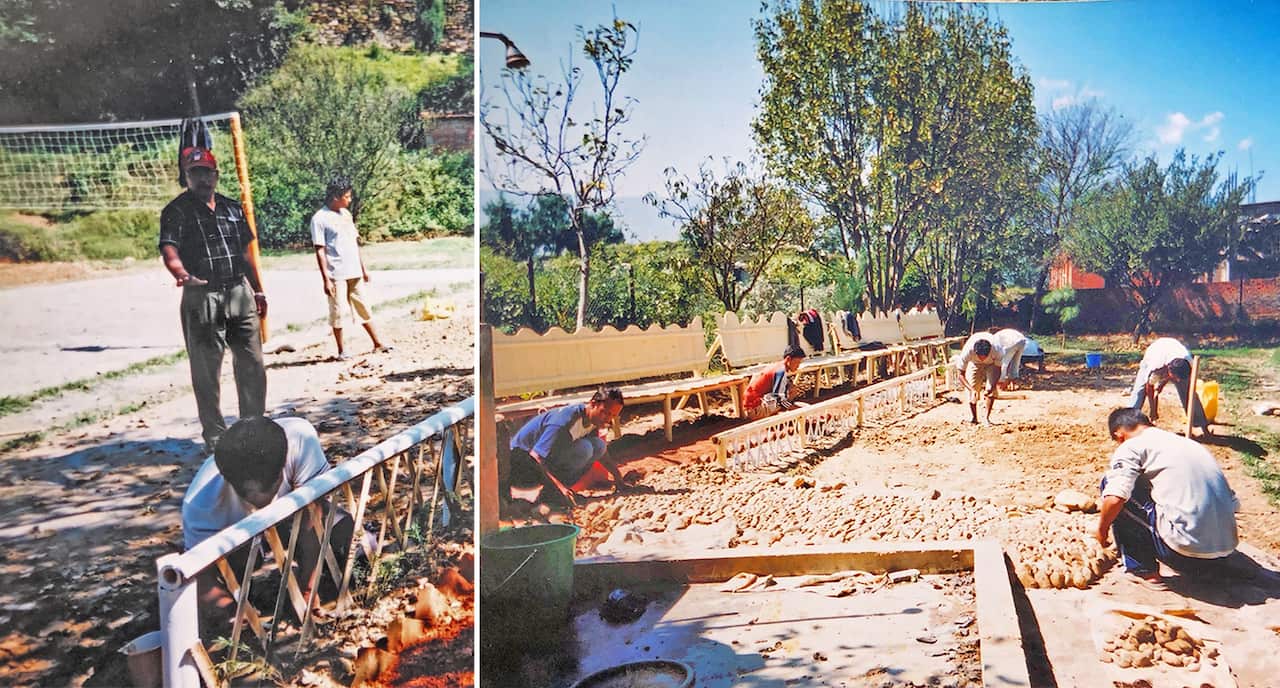
“I had no idea until then about the rehab centre. I thought I was being taken to some hospital in India. I just nodded,” Manandhar says.
By this time, the drugs had such an impact on him; all Manandhar wanted was a way out - to be clean - to be healthy again.
He was quite astounded when he found the rehab centre was just on the other side of the capital Kathmandu.
Manandhar’s treatment continued for the next 14 months, during which he also attended classes to become a motorbike mechanic. This was a way to keep him busy and slowly assimilate back into society he had become estranged from.
His path to recovery soon led him to become a mentor for others like him.
Lending a hand, finding a soulmate
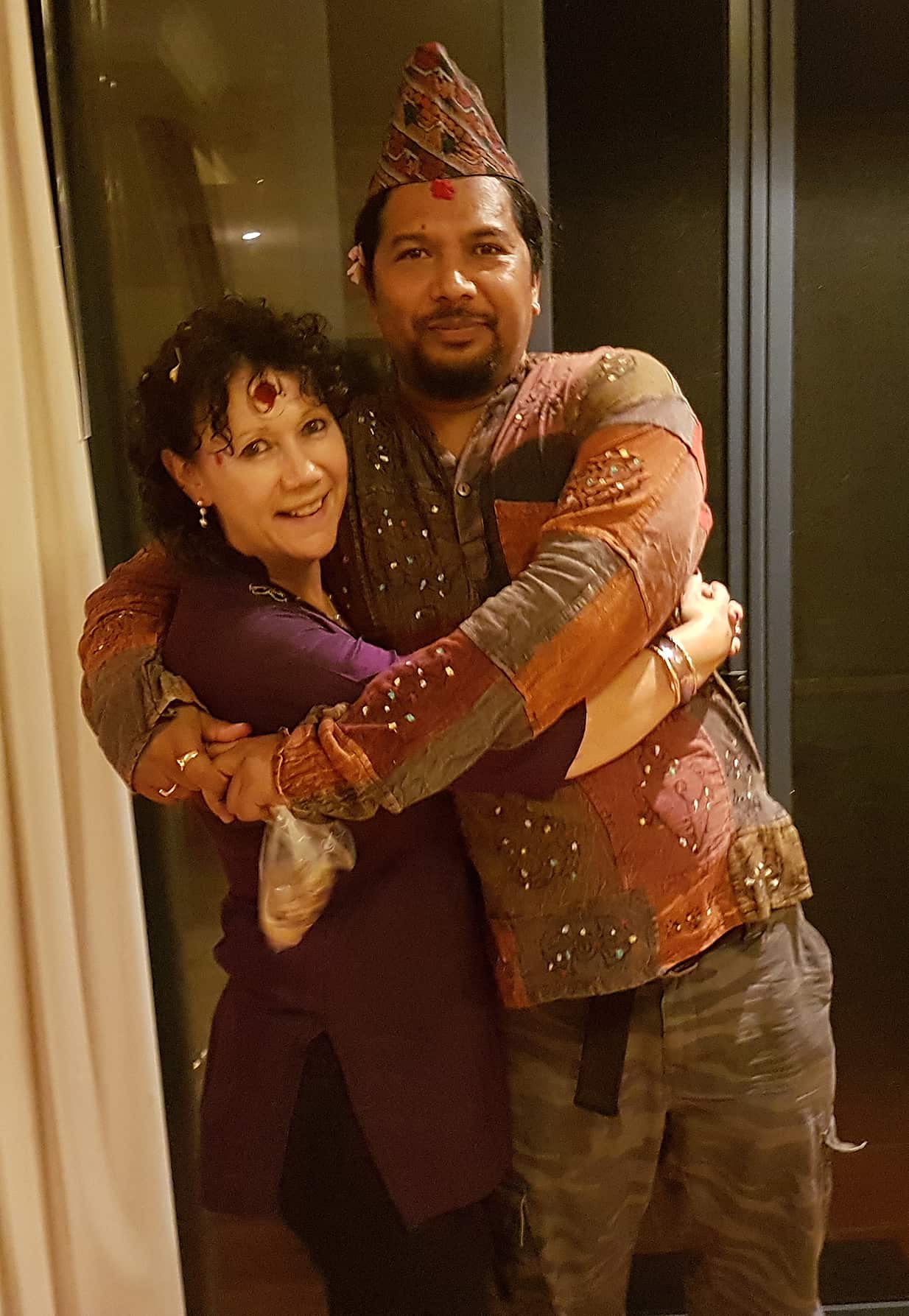
After going through his own ordeal and overcoming his demons, Manandhar started looking around. He was equipped not only with his personal experience but now was a qualified person to help others in need.
“I was brimming with my new found confidence and was super passionate to help others in a dire situation, especially the ones affected by drugs,” says Manandhar.
The way fate had planned, it so happened, Australian Nicki Holt, his soon-to-be-wife, was running her own NGO called “Sahara”, helping homeless children in Nepal.
“I met Nicki, and we had the same agenda - to help the kids in the streets around Kathmandu.”
“Most of them had run away from an abusive family or drunk fathers and had fallen prey to dirty business in the backstreets of cities like Kathmandu,” says Manandhar.
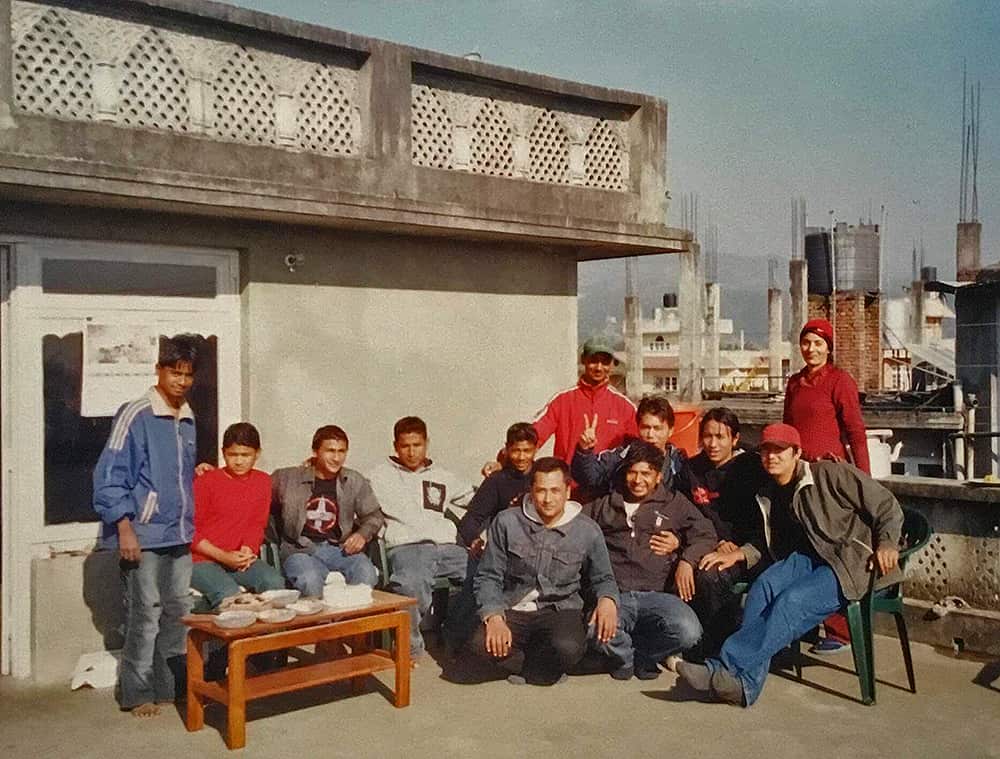
It is this passion for social work that brought him closer to Nicki, who left her government job in Canberra and moved to Nepal.
Most of the kids Nicki worked for were survivors of domestic violence and the decade long Maoist insurgency.
He likes to call the streets kids “circumstantially trapped”.
“From the outside, we pity these kids. We look at their condition, their way of life and gasp.”
“But, when you look at it from their perspective, it is all rosy. If they jump around tourists for a bit, they get easy money. Soon it becomes a habit, and it is almost impossible to rehabilitate them because the freedom they had in streets and easy money they get skews everything.”
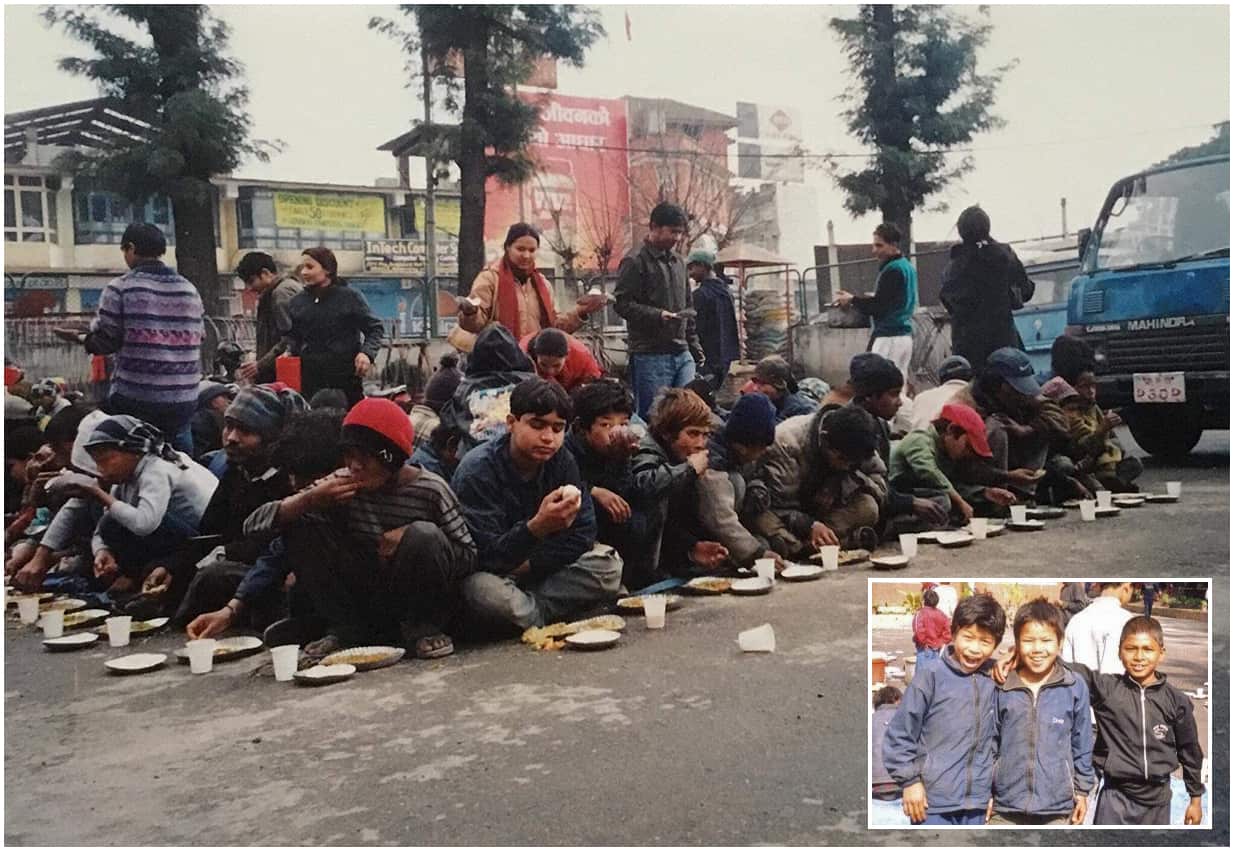
Some days, he says, the kids could easily “earn” up to AUD 200 a day by begging or showing trickery to tourists. The hardest part was convincing them that a deadly future lay ahead if they continued on the same trajectory. Since that golden source of income would dwindle as they age.
Currently, both Nicki and Mahesh, are supporting a young woman who was displaced by the decade long armed Maoist conflict in Nepal.
Manandhar says the couple is thrilled to sponsor the future nurse.
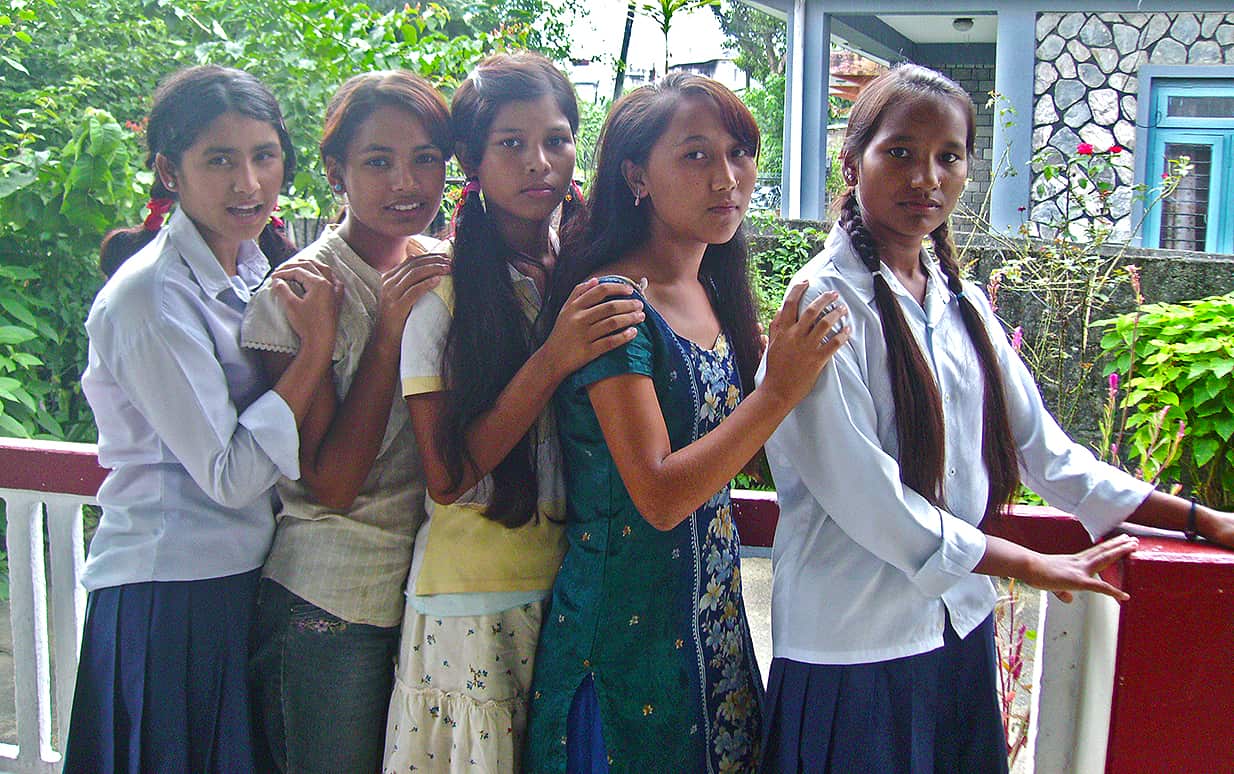
“Many kids Nicki and her organisation helped are now serving Nepal in different professions like in the national army; some are teachers and others have become medical professionals.”
Mahesh and Nicki have also composed a song together and have been featured on national radio.
Challenges in Australia

“Just three per cent is the drug problem; 97 per cent is the behaviour problem.”
That’s the sentence, with which Mahesh Manandhar, now in his mid-forties, says, he landed the job in Banyan House in Darwin, Northern Territory.
“Drug treatment is more about tackling individual’s behaviour than taking them away from drugs. We need to understand why people are taking drugs in the first place.”
Manandhar was then assigned to work with “mandated clients” - people who have committed an offence under the influence and have been sent to rehabilitation by the court or the Department of Social Service, instead of serving a sentence.
“It was a great challenge for me. Unlike in Nepal, families of these people have little or no say, so it is mostly entirely up to the individual themselves to fully be motivated. But since nobody wants to be in a controlled environment, the people were angrier and often in conflict with others.”
Manandhar says despite the challenges, it also provided him with an opportunity to learn anger management and conflict management techniques.
“People are also judgemental when they first hear me on the phone; my different accent leaves them wondering if I am the right person or not,” he says.
But, once they meet him, he says the doubts evaporate. He insists people don’t do very well when you tell them what to do.
According to him, the best way to deal with people is to inspire them and to instil the ability to self-reflect.
“You have your own responsibility, whether you take it or not, it is not going to affect me,” is the golden sentence Manandhar says does the magic.
‘Our people, our place’
Jody Haines is the photographer and the artist behind the “Our People, Our Place” photographic exhibition featuring Sunshine Coast residents from all backgrounds who have transcended traditional barriers such as age and gender.
“The motivation behind this project .. is about providing space and opportunity for people to be seen and to be heard”, she told SBS Nepali.
She says Mahesh Manandhar was selected for his fantastic outlook on life and the community contribution he makes through his work.
But for Manandhar, a spotlight on himself is out of character and disconcerting despite his partner and mother wanting the opposite.
“I have become introverted, and all this spotlight on me and even speaking to you has me shivering. I don’t like attention.”
But, he has come to terms with his own past and now, heeding advice from the two most important women in his life, Manandhar thinks he should share his story.
“If I can be a source of inspiration to disengaged youths, or in fact anyone having a rough time, that would be awesome,” he quips.
A new passion
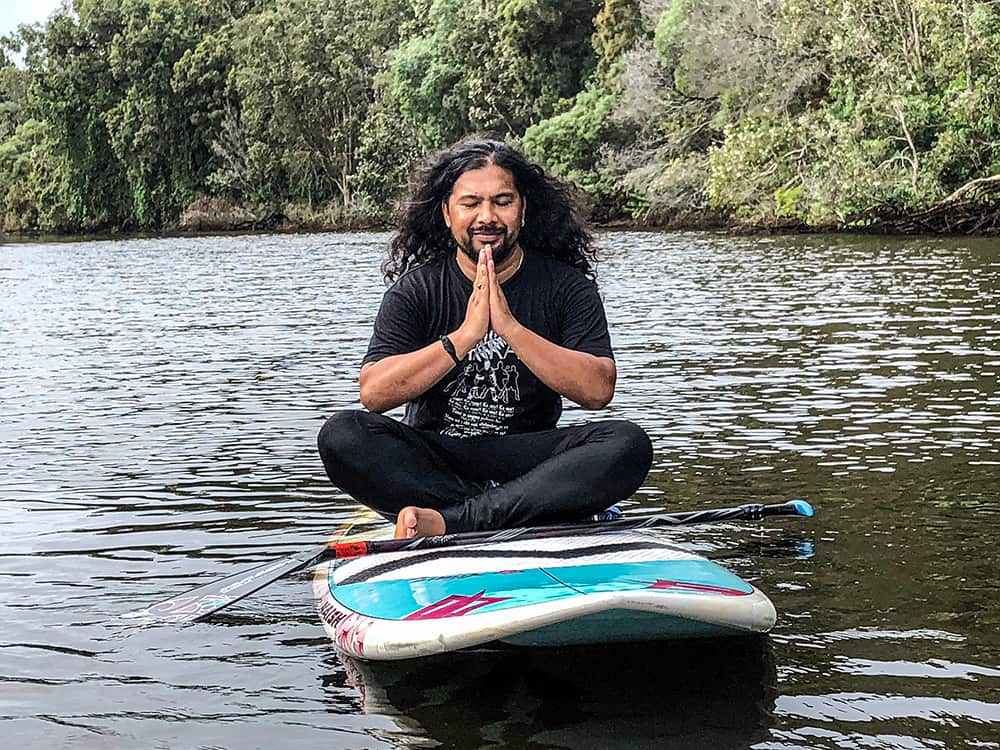
Manandhar says he is in constant touch with the local Nepali community.
“I have been getting lots of calls for help in regards to mental health issues and awareness,” he tells us.
But he is conscious of the fact that he’s not sufficiently trained to advise others.
Getting young Nepalis in Australia off the addiction of prescribed drugs is Manandhar’s new passion.
“We all think drug abuse is only about taking recreational drugs, but there is another silent killer - getting addicted to the prescribed drug, and it’s on the rise, especially in our community.”
Recalling a surprise meeting with a young female from Nepal in a Gold Coast rehab centre, he points out how prevalent the issue has become amongst Nepalis in Australia.
He blames the culture of understanding the topic of “substance abuse” just to mean intravenously injected and recreational drugs.
“It’s time we change this concept,” he says.