5 min read
This article is more than 5 years old
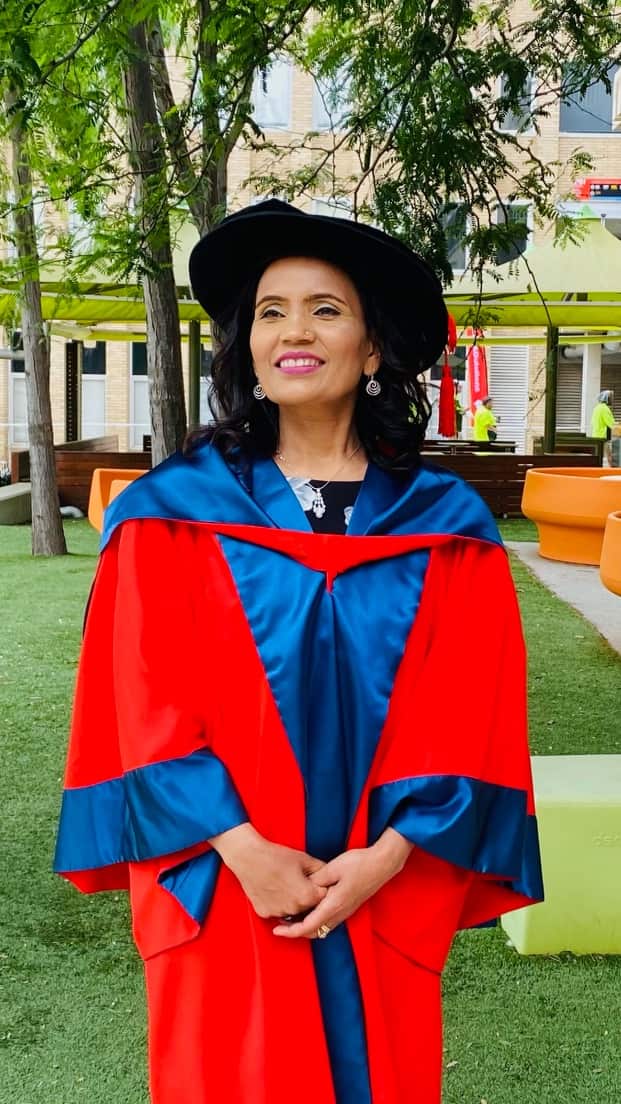
Jamuna was the first girl to attend school in her village, and now she has a PhD in Australia
HIGHLIGHTS
- Jamuna Parajuli was the first female from her village in Nepal to go to school.
- She is now a PhD in women's studies from an Australian university.
- In 2012, Ms Parajuli founded Didi Bahini Samaj Victoria, a community advocacy group for women's rights.
As a little girl, all she wanted was to go to school, just like the boys in her village. However, tradition forbade her family from sending girls to school.
Jamuna Parajuli arrived in Australia in 2002 after receiving a scholarship through AusAid. She began her australian journey with a master’s degree in women's health stopped only after getting a doctoral degree. She has now made Australia her home.
Jamuna’s life in Nepal
Ms Parajuli, who wasn’t permitted to complete her basic schooling, stayed on course to fulfil her promise to attain the highest level of education.
She is now a PhD in women's studies from Latrobe University in Melbourne.
But her story begins in central Nepal, near the national capital, Kathmandu.
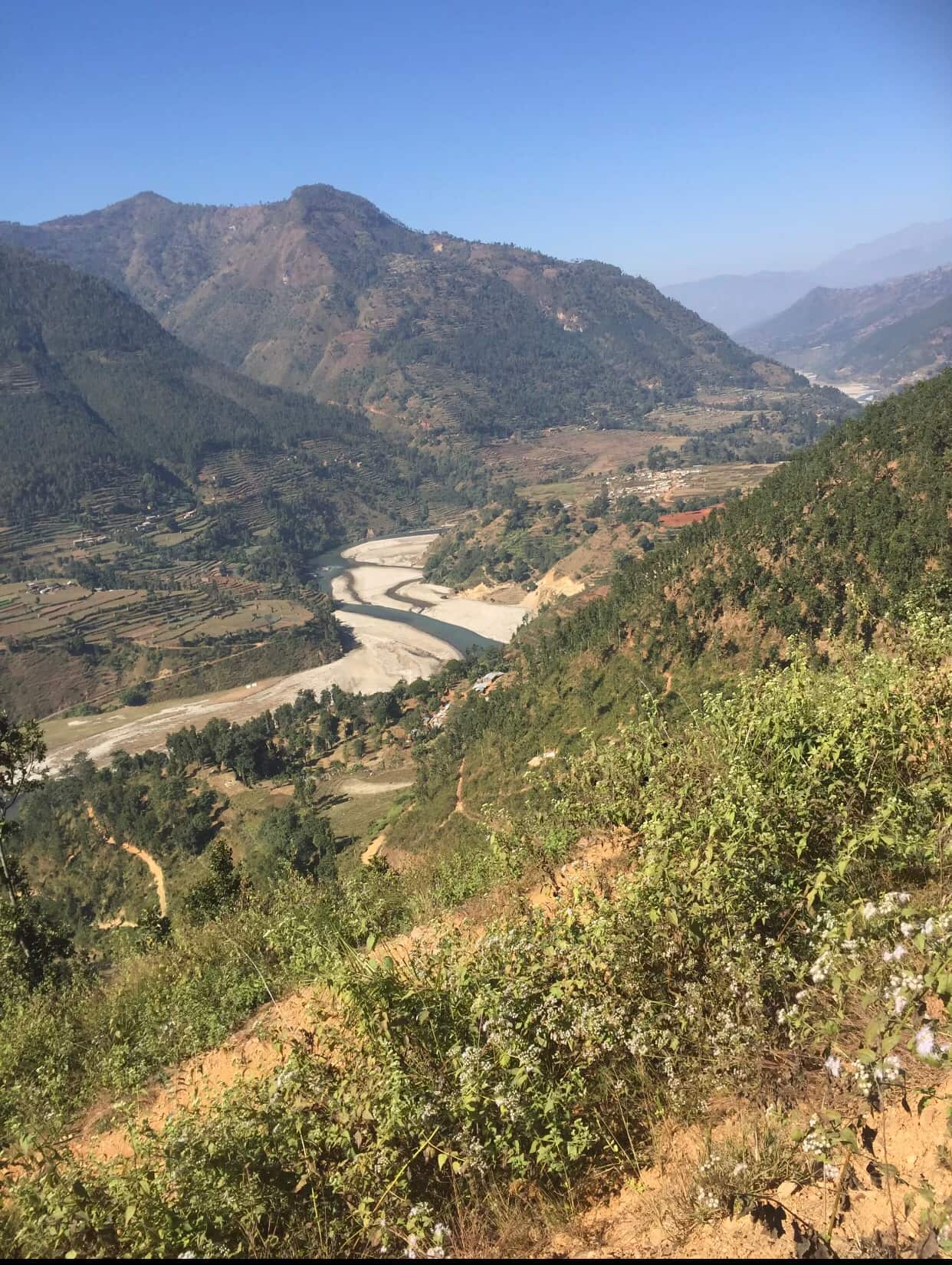
Her village Sangachok in District Sindhupalchowk borders the Kathmandu valley on the north-east.
Talking to SBS Nepali, Ms Parajuli says the family and society frowned upon her idea of going to school, just like the boys in her village.
“They thought that if a young girl goes to school, she loses her dignity,” Ms Parajuli said describing the mental barriers within rural Nepali society some decades ago.
Instead of having their daughters spend time on academics, families in rural Nepal prefer they spent it on honing their domestic skills, tending to the cattle and learning “how to make their future family happy” after marriage.
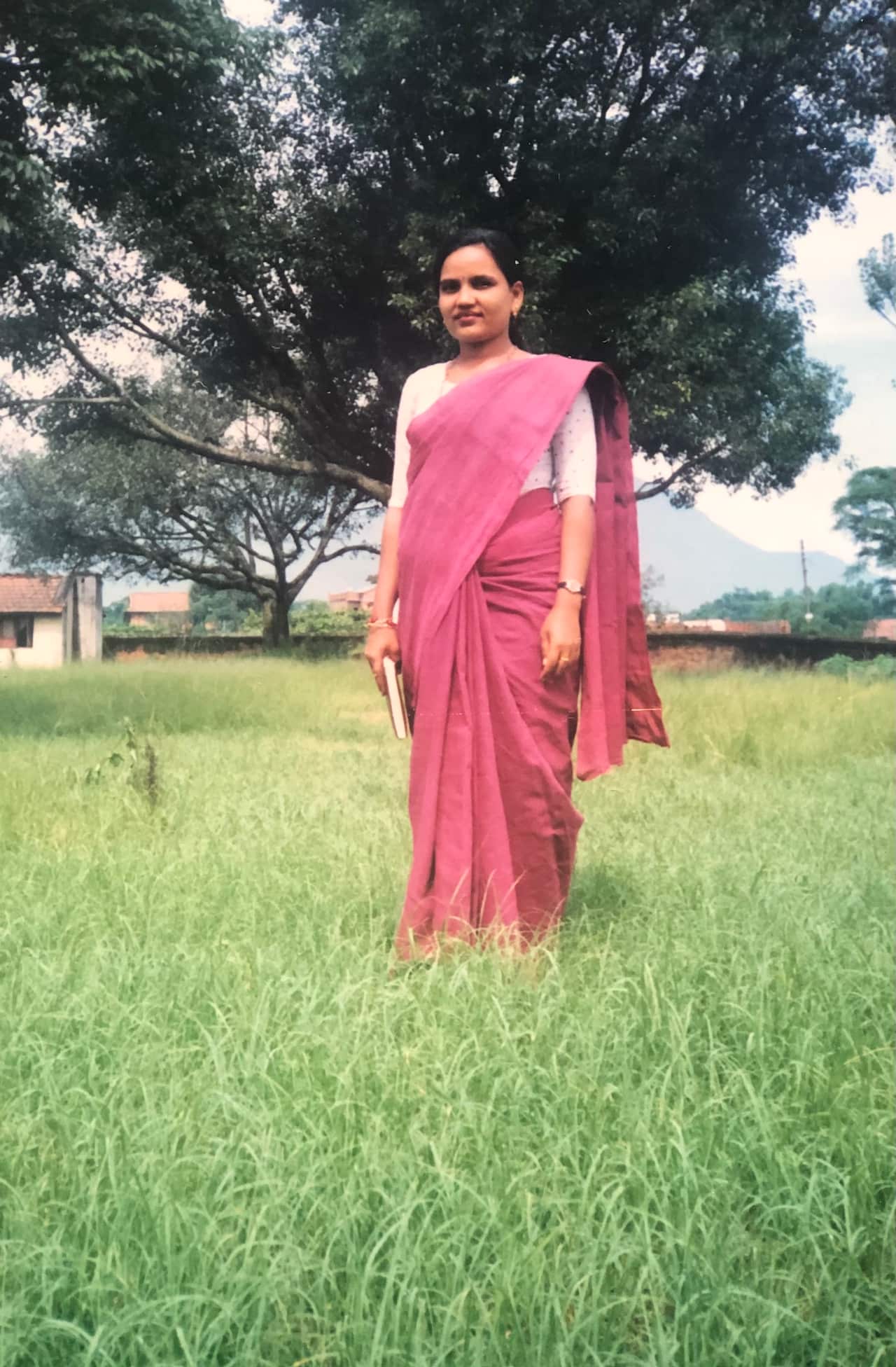
Their denial of her right to education hurt her but made her even more resilient. This cemented her determination to excel in academics.
“I was depressed, oppressed and discriminated against,” says Ms Parajuli, now a Melbourne-based nurse.
During the winter, millions of Nepali women observe a month-long religious festival where they worship, sing, dance and read a holy book dedicated to the Hindu goddess Swasthani Devi.
Her grandmother wanted her to go to school only so that she could read for her from the religious book.
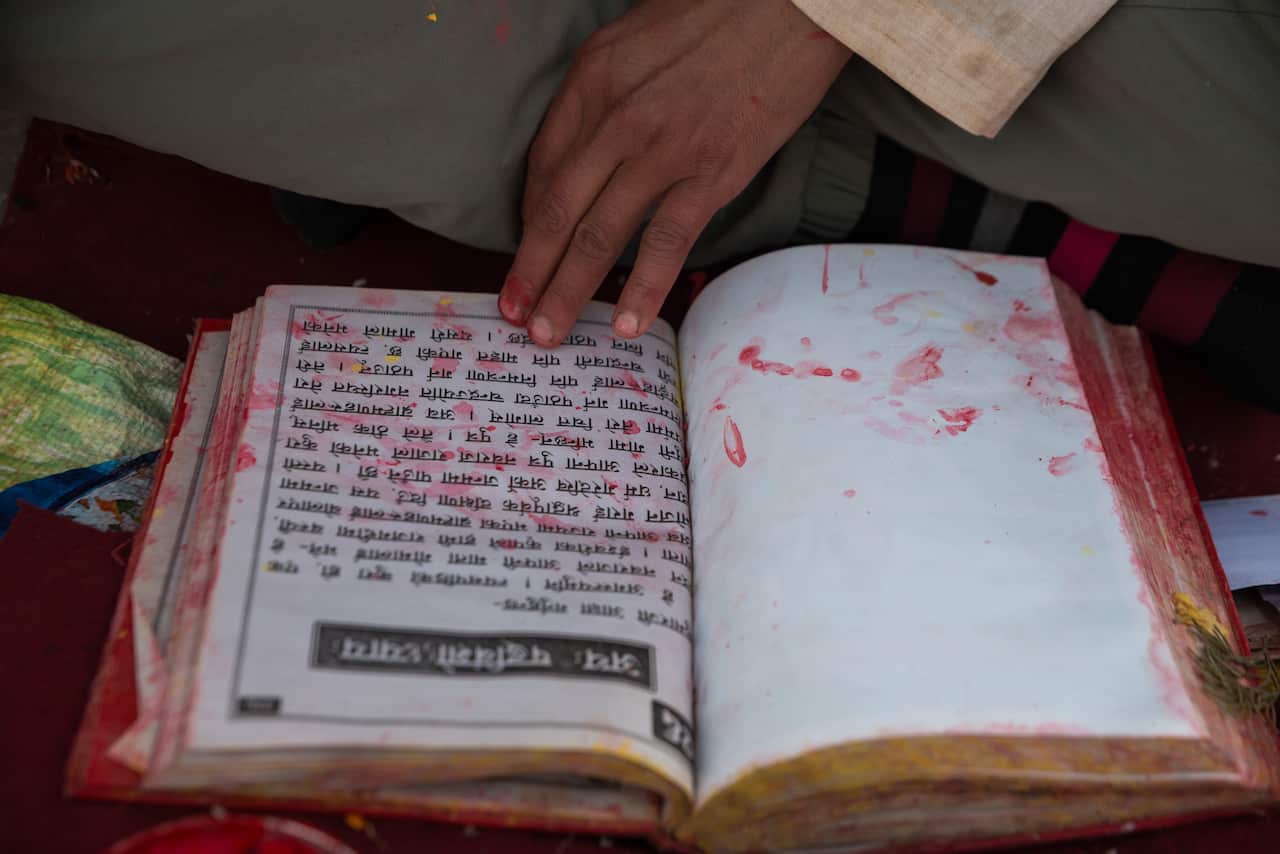
At the age of nine, when Ms Parajuli became literate enough to read that book, her family didn't want her to study any further.
She says her family would tell her that there was no point in girls pursuing education since they were meant to be married off to “their rightful home,” the house of their future husband.
In circumstances as tough as these, for a little girl barely 10 years of age to walk to a school an hour away from home, was not only challenging, but also an “unthinkable sin”.
Rebel with a cause
It was hard for Ms Parajuli to be in a continuous battle with her family and community.
“I felt I had to start a rebellion to get to where I wanted to be,” she recalls.
“I promised to myself that I would attain the highest level of education,” says Ms Parajuli.
For her PhD, she explored why women from Australia’s marginalised communities do not participate in seeking good healthcare.
But she wanted to do more for such women.
In 2012, she founded Didi Bahini Samaj Victoria, a community group that supports Nepali-speaking women with domestic violence issues.
“I faced backlash from many local Nepali men for this initiative but stood up to the challenge."
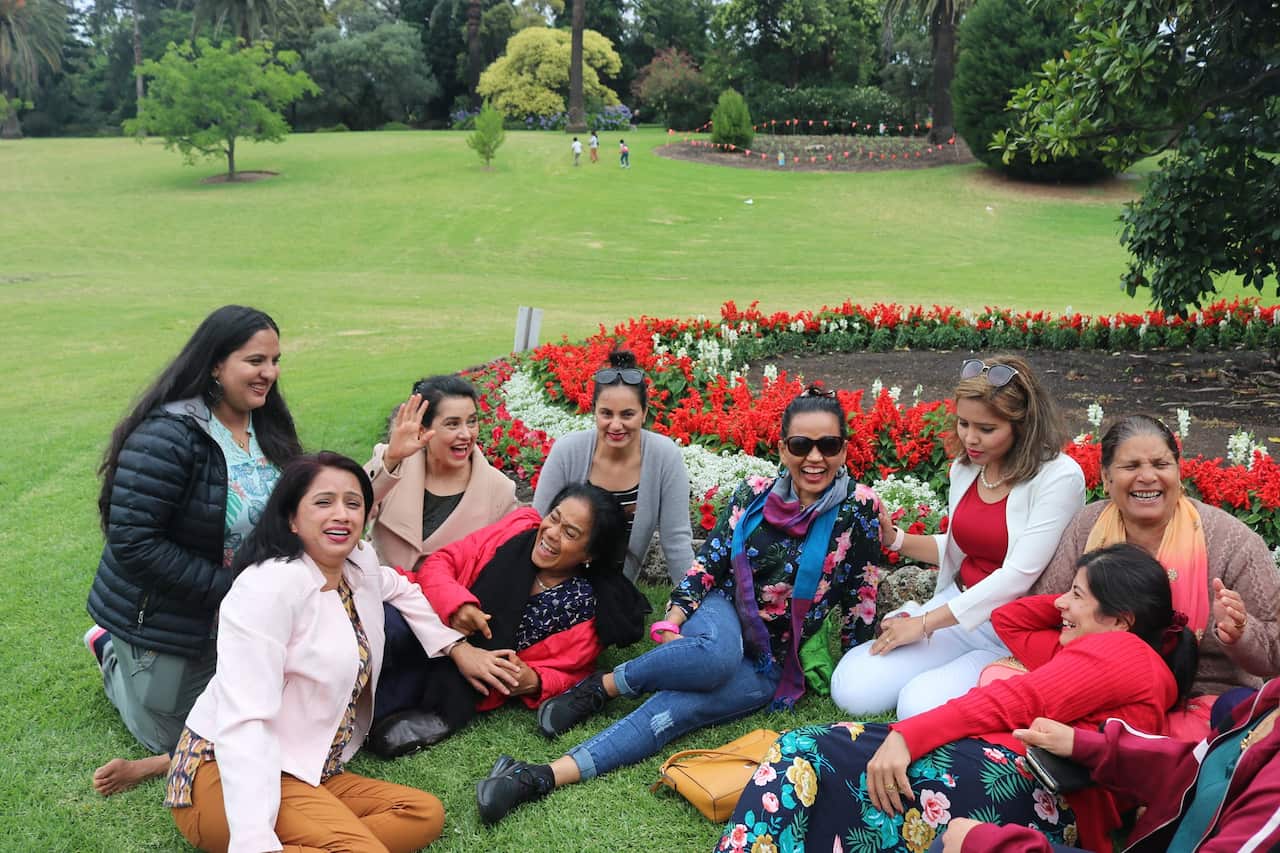
Many men from the community thought Ms Parajuli was against working with them. But it was about providing a comfortable and a safe platform to the female members of the growing community.
“They sometimes need their own space to express themselves as some issues can only be understood and discussed in a gender-based forum,” Ms Parajuli reasons.
When she completed secondary school in Nepal in 1988, her journey of reaching academic milestones began.
Not only did she become the top female student of her district, she also received a cash reward 2,500 Nepali rupees, approximately equivalent to $20 today. For the first time in life, she had tasted "the power of money."
But her struggle was far from over.
Denied school, reached university
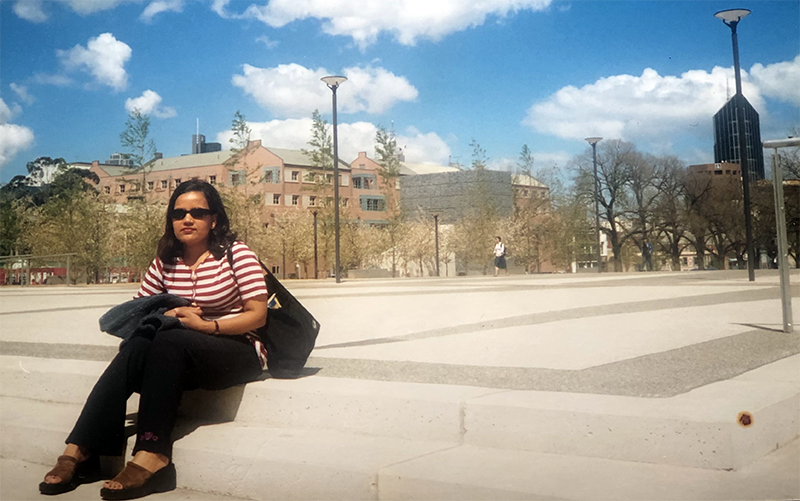
Ms Parajuli had just turned 16 and was eager to begin a new chapter in her life. She was now pining to go to university.
However, her family which had “tolerated” her all this time, now wanted her to get married.
“All girls my age in the village had already been married away. At 16, I felt I was an old unmarried person,” she laughs.
But for Sindhupalchowk, it was a serious matter.
Her uncle became her saviour and the prize money came handy. He convinced her family to let her go to university.
Despite the social pressure, Ms Parajuli’s family let her go to Kathmandu for further studies.
“I had proven that girls could be as good as boys in studies,” she says.
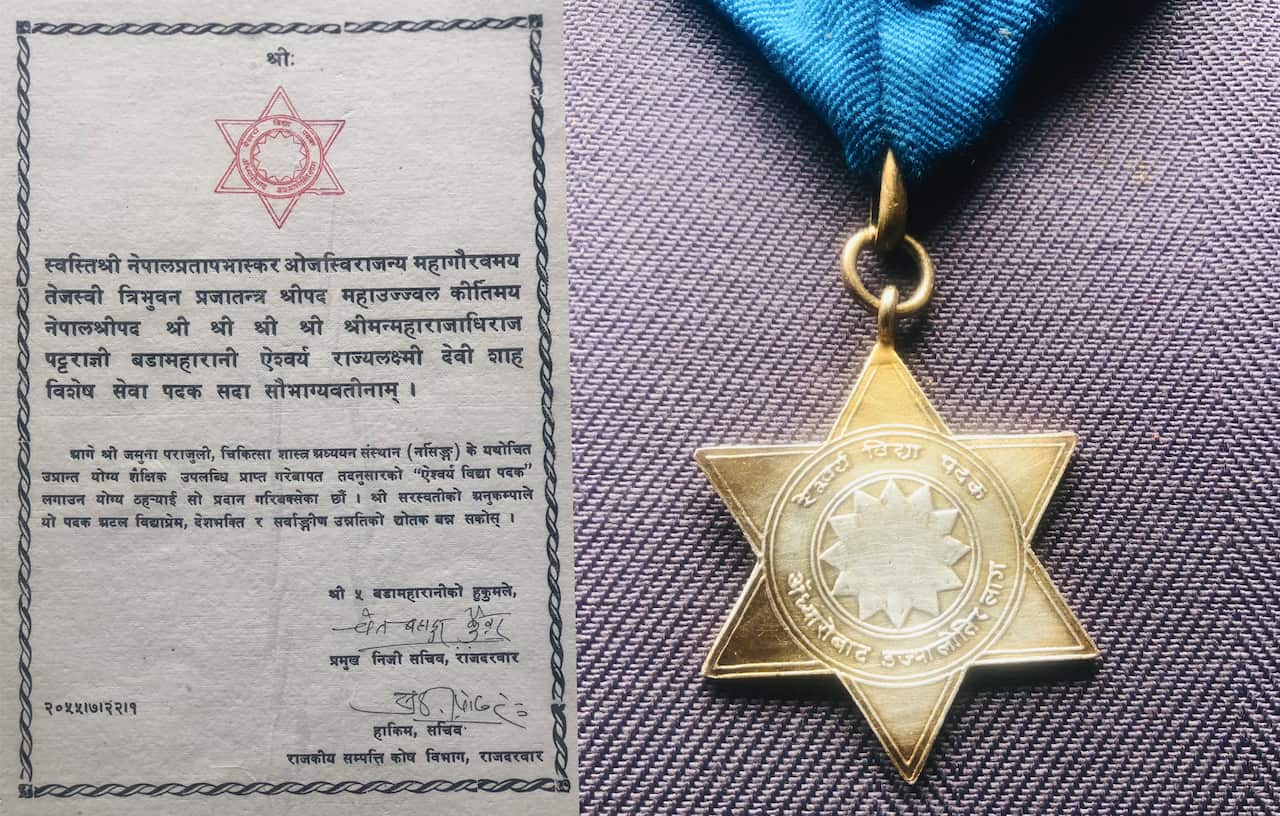
From thereon, there was no looking back. She topped in university – that too, Nepal’s most prominent.
This won her the Aishwarya Vidhya Padak, a medal awarded by the then Queen of Nepal to the female university topper of the country.
Seeing her little daughter start school, she reminds her of the promise she had made to herself in that remote village in Nepal – to attain the highest level of education.