
Sarita[fn]Name changed[/fn], a middle-aged woman from eastern Nepal knew about her government’s ban on women going to Gulf countries to work as housemaids, however, she decided to defy the and injunction and travel to Saudi Arabia to earn some money.
This was not the first time she had travelled to the Middle East, having previously worked in the Gulf state. She said there were many factors which contributed to her decision.
''My husband is not well enough to work and earn. My son is in jail in one of the Gulf countries so we decided that it will be best for me to become the breadwinner of the family until things get better," Sarita told SBS Nepali.
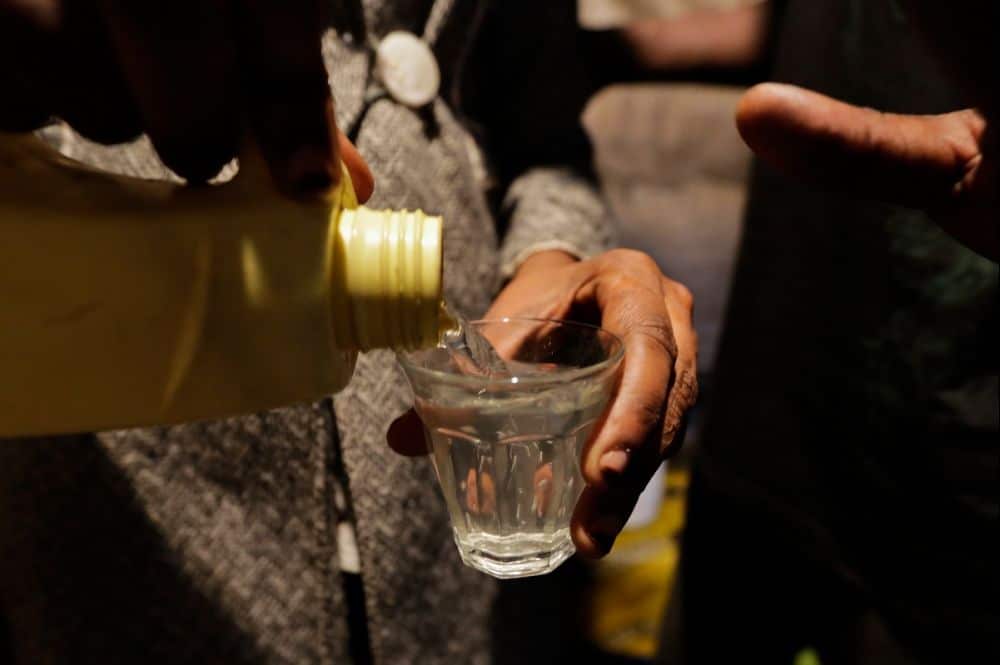
She said her husband is a chronic drinker and didn't contribute much to the household income.
“One day he fell down while walking inside his own home and suffered a serious head injury.”
Sarita decided it was time for her to head back again to Saudi Arabia where she had previously worked as a housemaid for more than five years.
With the Nepali government's ban preventing women from travelling to the Middle East to work, she decided to go to India first.
Once in India, she was advised to fly to Sri Lanka if she wanted to fly to Saudi Arabia. However, things took a dramatic turn.
"I could not get through the immigration in India and was rescued by a social organisation,” she said.
“My one hope of making a decent earning ended with it. The only work I am able to do now is household chores which will not get much money here in Nepal.
“In Saudi Arabia, I would have a decent chance to earn enough to support my family, until my son completes his sentence."
Unlike many Nepali women who’ve reported physical and sexual abuse by their employers, Sarita said she never endured such treatment during her stay in Saudi Arabia.
She said she was never physically abused and was always paid on time.
Sarita is one of the many Nepali women currently living at a shelter house in the capital Kathmandu. She said many women like her were ready to defy the government’s ban to make a decent living.
Asked if she would like to go to Saudi Arabia again, Sarita said 'Yes'.
Nepal's government enforced a ban two years ago to stop men and women going to the Gulf countries to work as housemaids.
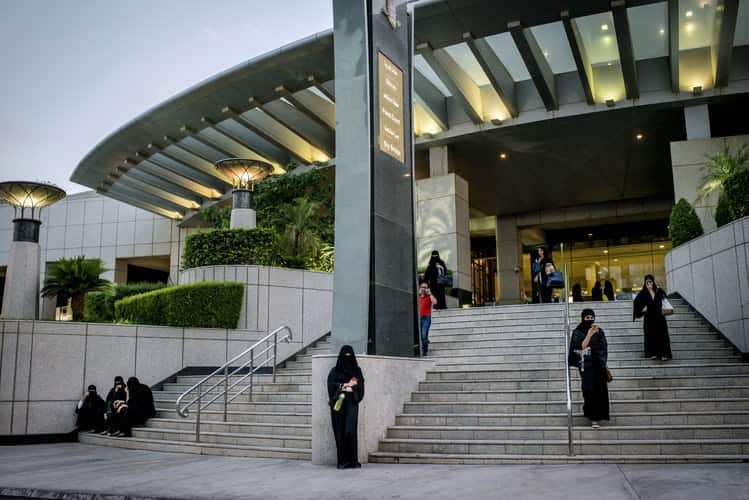
The decision to implement such a ban was taken after the government received a directive from the International Relations and Labour Committee of the parliament.
The members of the committee who had visited various Gulf countries as part of their fact-finding mission had concluded that Nepali women working as housemaids in Gulf countries were being exploited.
But rights activist say the ban has put women at further risk.
''These women are now talking illegal measures, all their paperwork is false. This makes it very difficult to help them if they get in trouble,” said Bijaya Rai Shrestha from activist organisation AMKAS Nepal.
“At the same time, it has driven the recruitment process underground, increasing the chances of exploitation and other risks for these women.''
Ms Shrestha has been working as an activist to ensure safe migration for more than a decade.
''The ban has not stopped women from going there and everyone knows it. But it has put them at more risk. We have seen the same women come to our shelter home on occasion as they are desperate to go and earn,” she said.
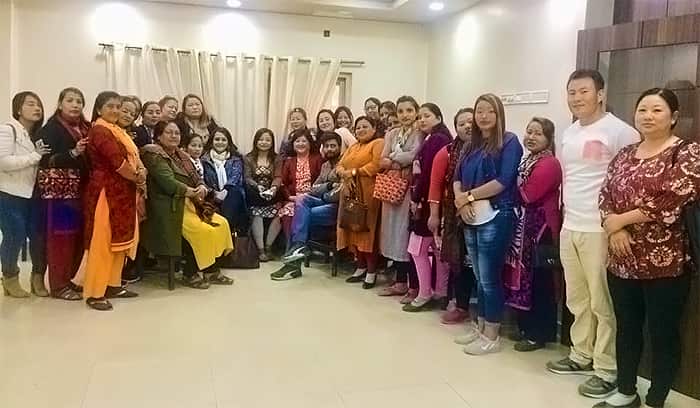
The report prepared by the parliamentary committee had also stated that around 60 per cent of Nepali women, who left the country to work illegally as domestic workers in the Gulf countries, were helped by immigration officials.
The committee also ordered the government to take action against those officials.
''Government did the easiest thing and barred Nepalis from working as housemaids."
"We do not know if an action has been taken against anyone from the immigration department," Ms Shrestha added.
Meanwhile, the government said it cannot do much about the ban until it receives a directive from the same parliamentary committee.
"We are simply following the instructions of a parliamentary committee and we can do nothing about it until we receive further instruction from them," said Mahesh Dahal, Secretary at the Ministry of Labour, Employment and Social Security.
Stakeholders said it’s about time the government signed labour agreements with the destination countries to protect the rights of migrant workers.
The workers should be provided with proper training instead of a ban they say.



