

Broadcasting
The War
Nepal's revolutionary journalism
or a Communist propaganda?

The decade-long armed conflict in Nepal claimed the lives of more than 15,000 with more than 1,300 still missing.
The rebellion in 1996 by the Communist Party of Nepal (Maoist) against the government led journalist Manarishi Dhital to become an active part of the conflict.

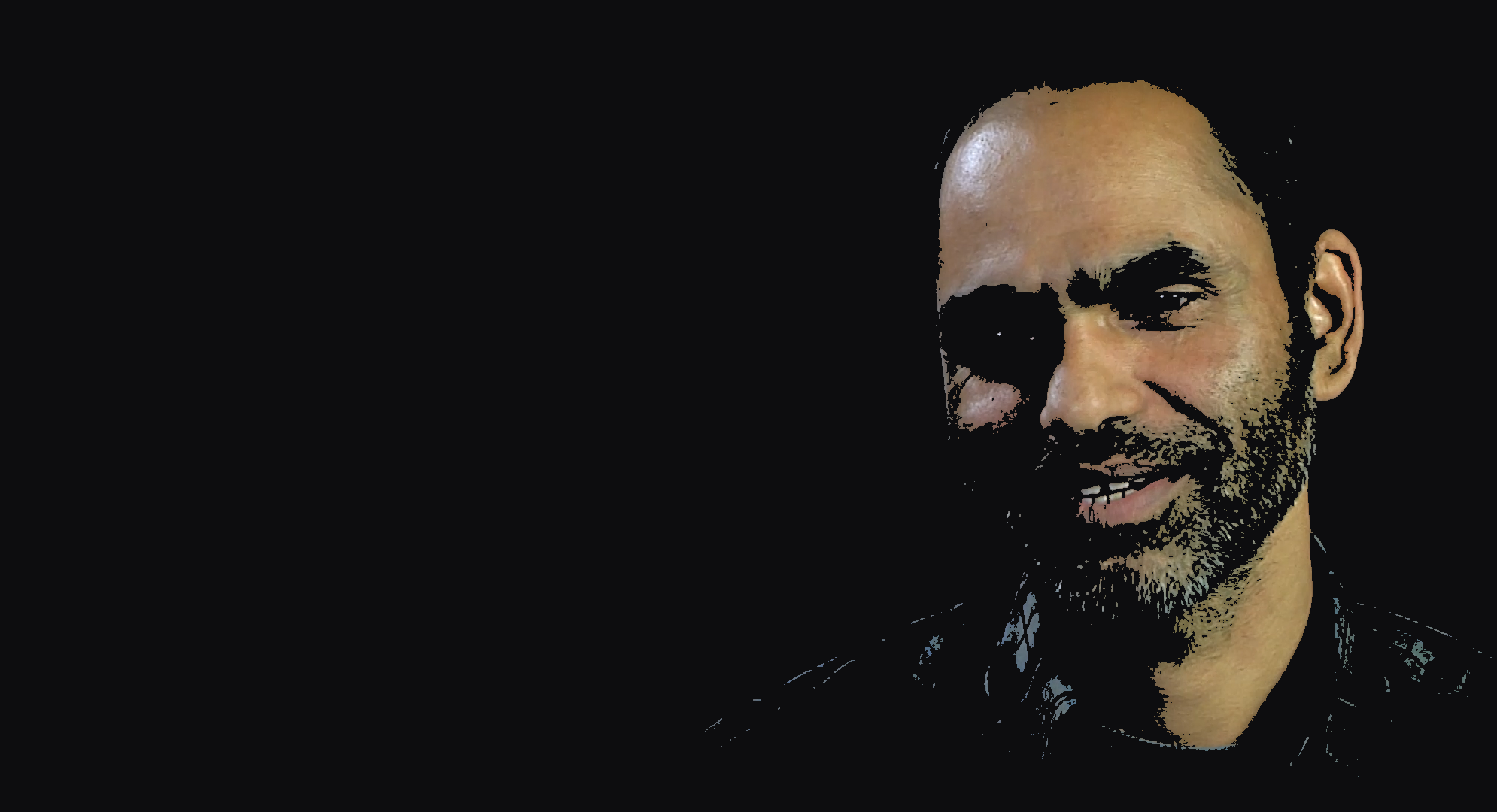
Manarishi Dhital is a soft-spoken 40-year-old, currently working as the Australian correspondent for an online publication based in Kathmandu.
It’s a stark contrast to the journalism he was involved in until 2006, in remote mountains and jungles of Nepal.
He has had bullets fired at him from a Nepali military helicopter, had bombs explode near him that killed many and was even imprisoned.
The 10-year armed conflict in Nepal began in 1996, and ended when the Communist party of Nepal, the Maoists, signed a comprehensive peace deal with the government in 2006.
“During a war, death is normal, and life is a coincidence – that’s what I thought then.”
More than 15,000 people were killed and more than 1,300 people are still reported missing.
WHERE IT ALL BEGAN
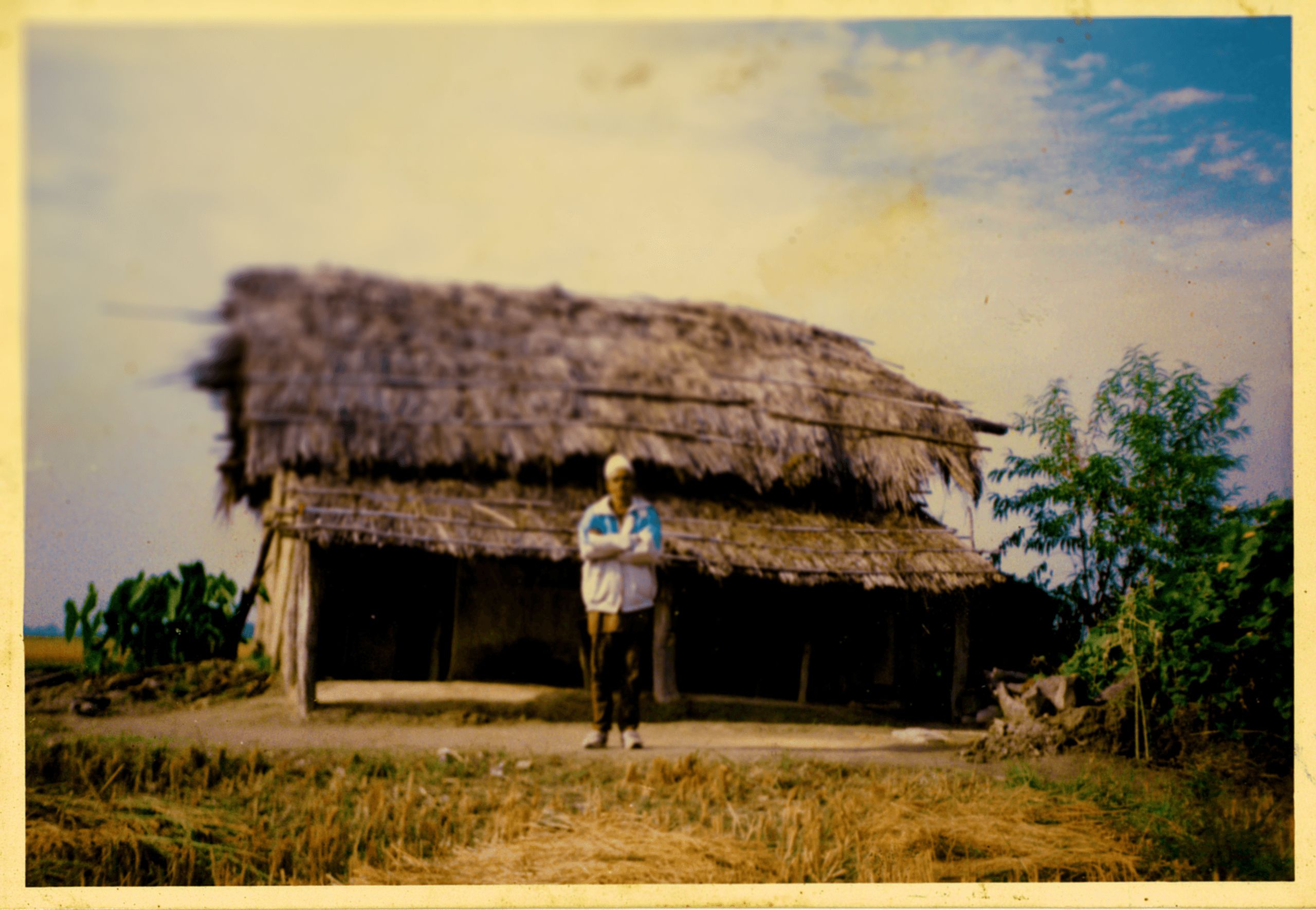
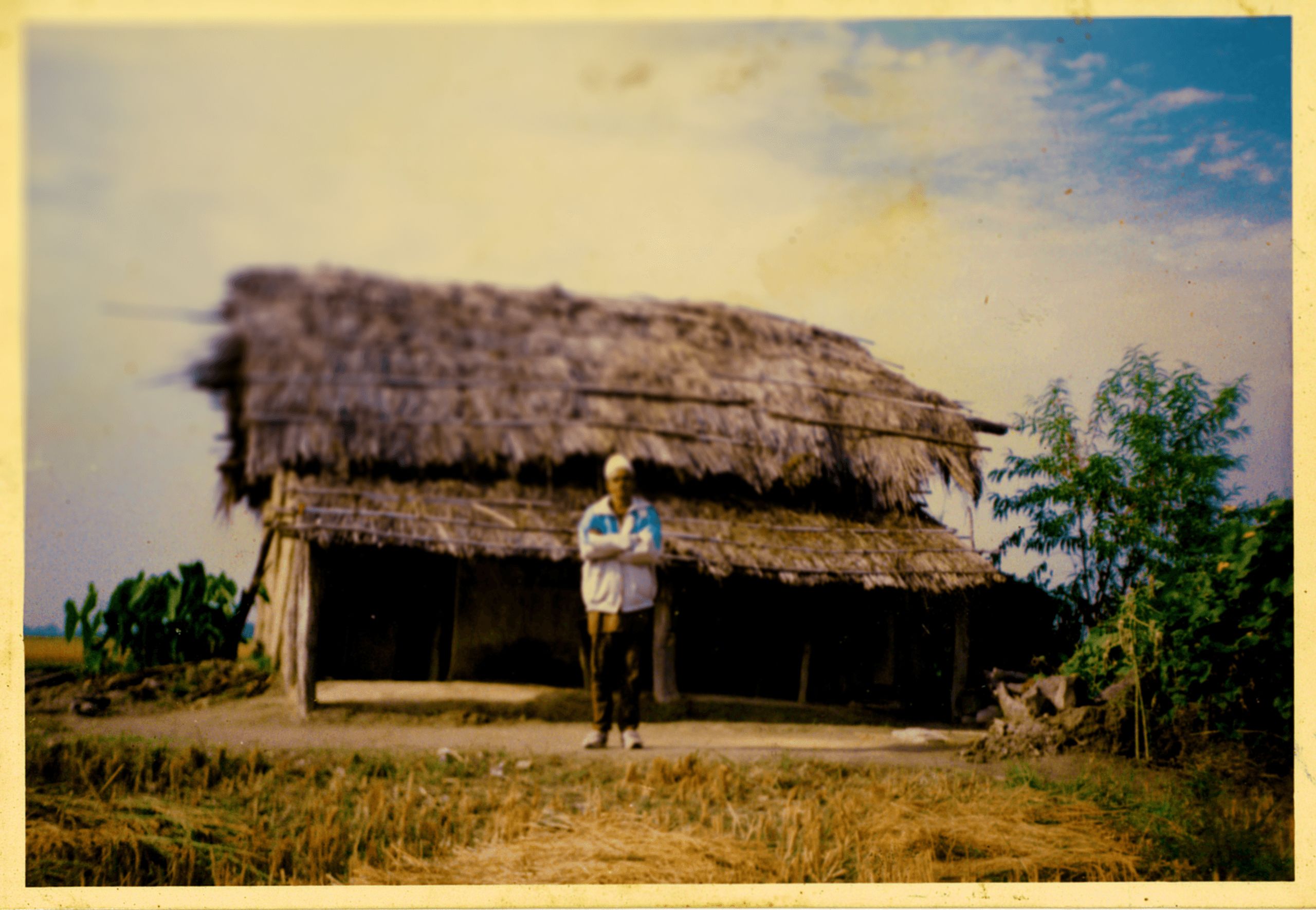
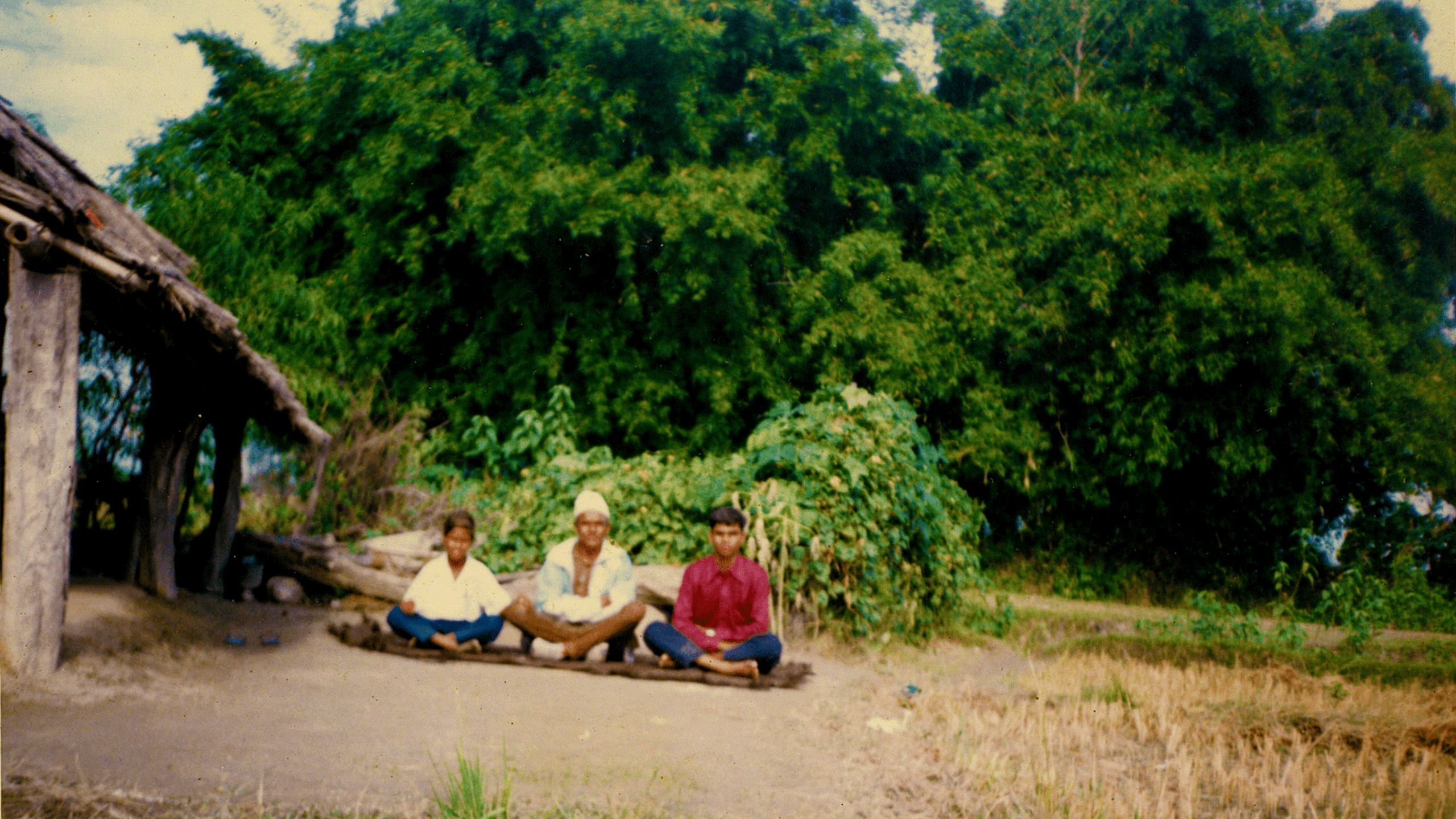
Dhital's father outside his home in Bardia District.
Dhital's father outside his home in Bardia District.
“Things my family encountered during my younger years are what shaped me to what I am today”, says Manarishi Dhital. He was born in 1978 in a remote village of Sinja in Jumla district, located in mid-western Nepal.
There were no schools in the area, so his parents sent him to a makeshift school set up in a temple where the teacher was a former army soldier. He was the lucky one in the family. Being a boy meant he got opportunities to get educated. His older sister was not so lucky.
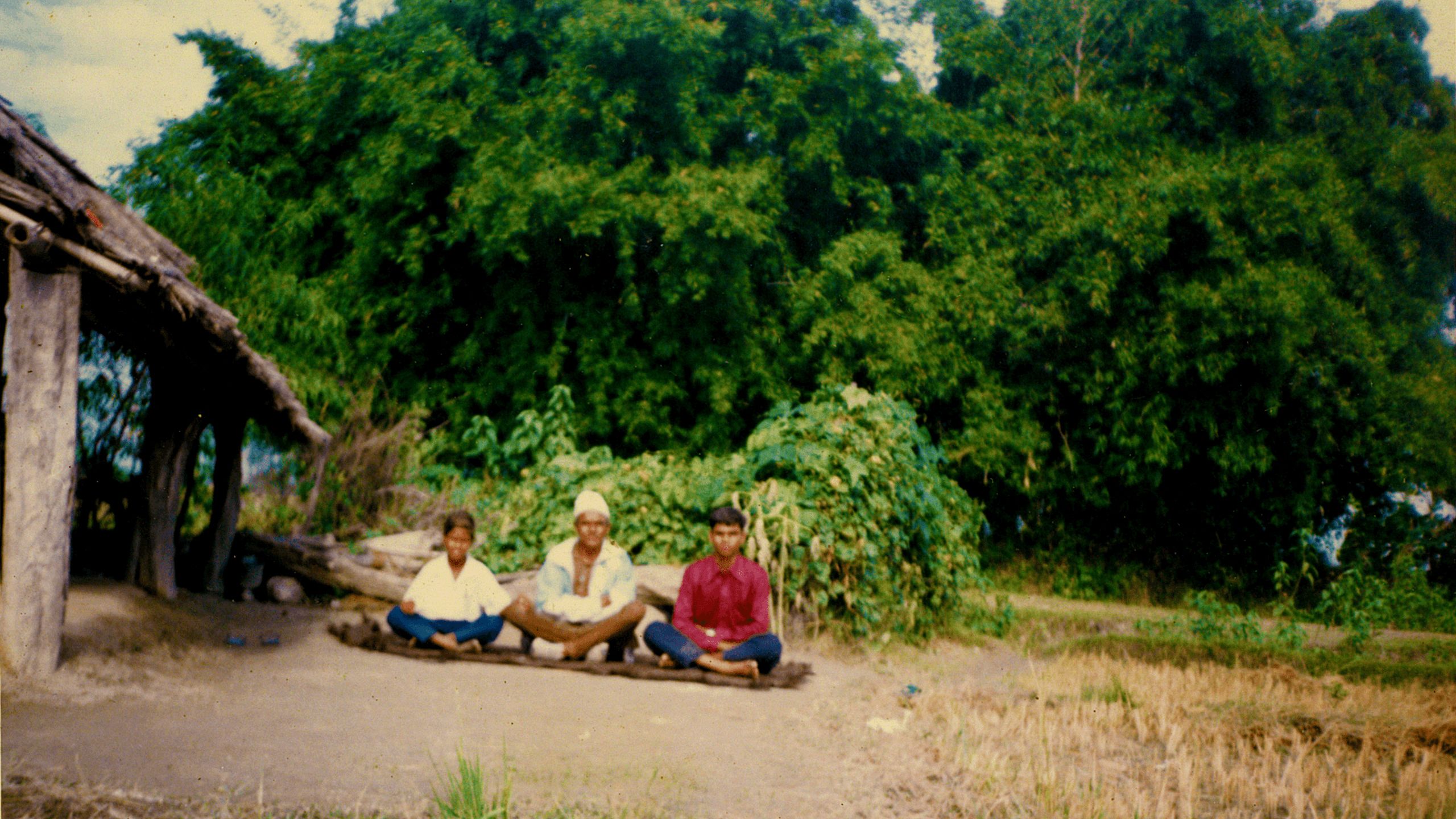
During his first ten years in Jumla, he saw his family experience mistreatment by the village leaders. This was to be his first experience with, as he calls, “injustices by the elite”. Dhital’s father’s view on village leaders and local governance started to be noticed by others and was then considered a “rebel” in the village.
In 1980, Nepal’s king ordered a referendum on whether the country should have a multiparty system of governance. His father went against the majority view in the village and voted in favour of multiparty governance or against the status quo of the King’s rule. This led to his father being ostracised in the community by the people in power. His father’s land was captured, they were forced to move. In 1988, after the death of his mother, his family moved to Bardia, in the southwestern part of the country.
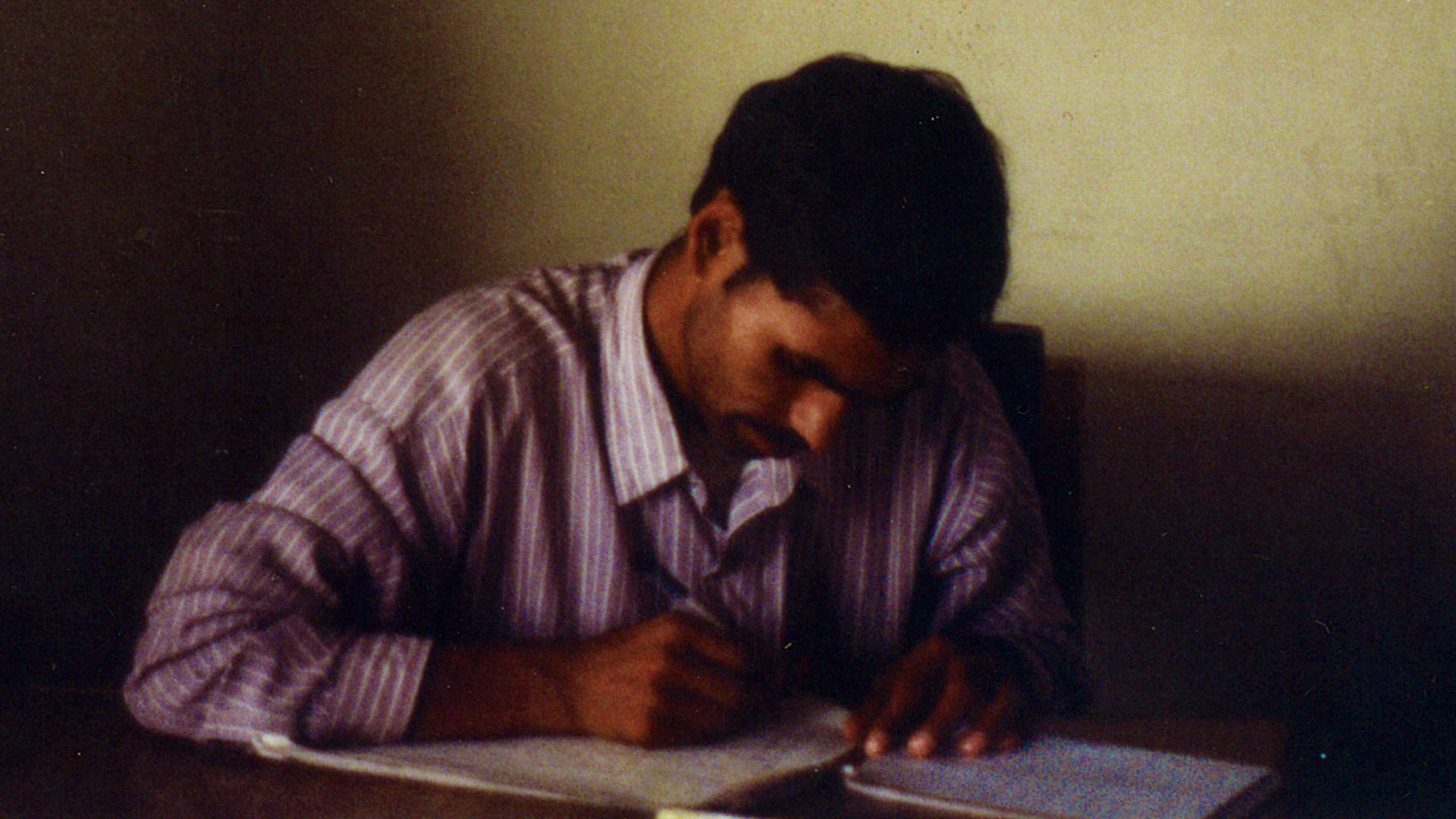
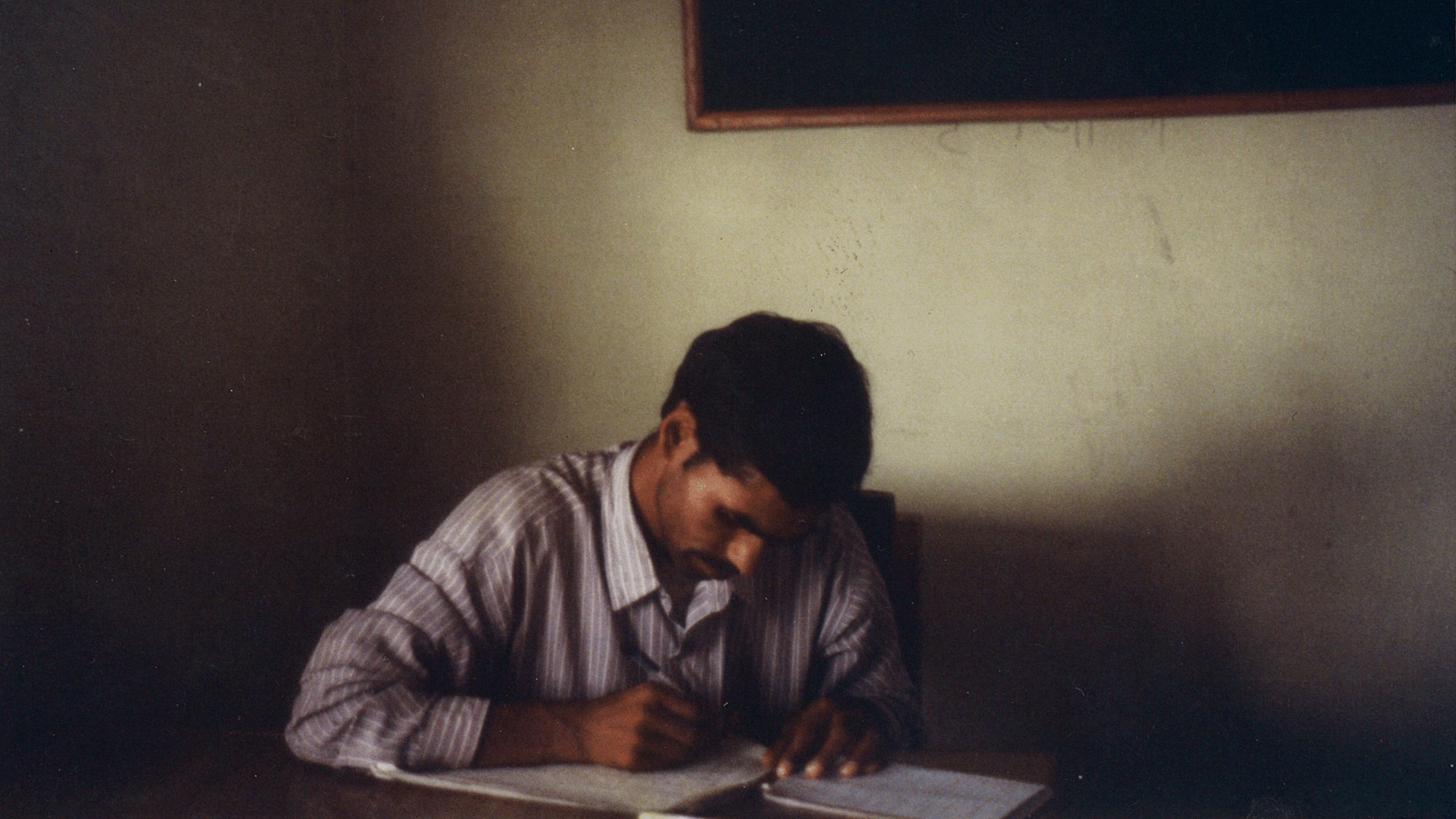
“This is where my passion for writing started too.”
“I used to write poems and articles about the national park and forest conservation in Bardia district,” he says. "Then, I was a revolutionary journalist, risking my life to rewrite Nepal’s history,” he says.
LIFE IN THE CAPITAL, KATHMANDU
When Manarishi Dhital moved to Kathmandu in 1995, he had three aspirations to fulfil – none of them were his own but that of his relatives.
His father’s dream was to make him a teacher; his teachers wanted to see him become a government employee; his brother-in-law wanted him to become an overseer or a supervisor.
But after failing to get selected for a university degree to become an overseer he was forced to change his plans. Dhital then ended up enrolling in a physics degree but eventually gave that up too to study journalism.

PATH TO
COMMUNISM
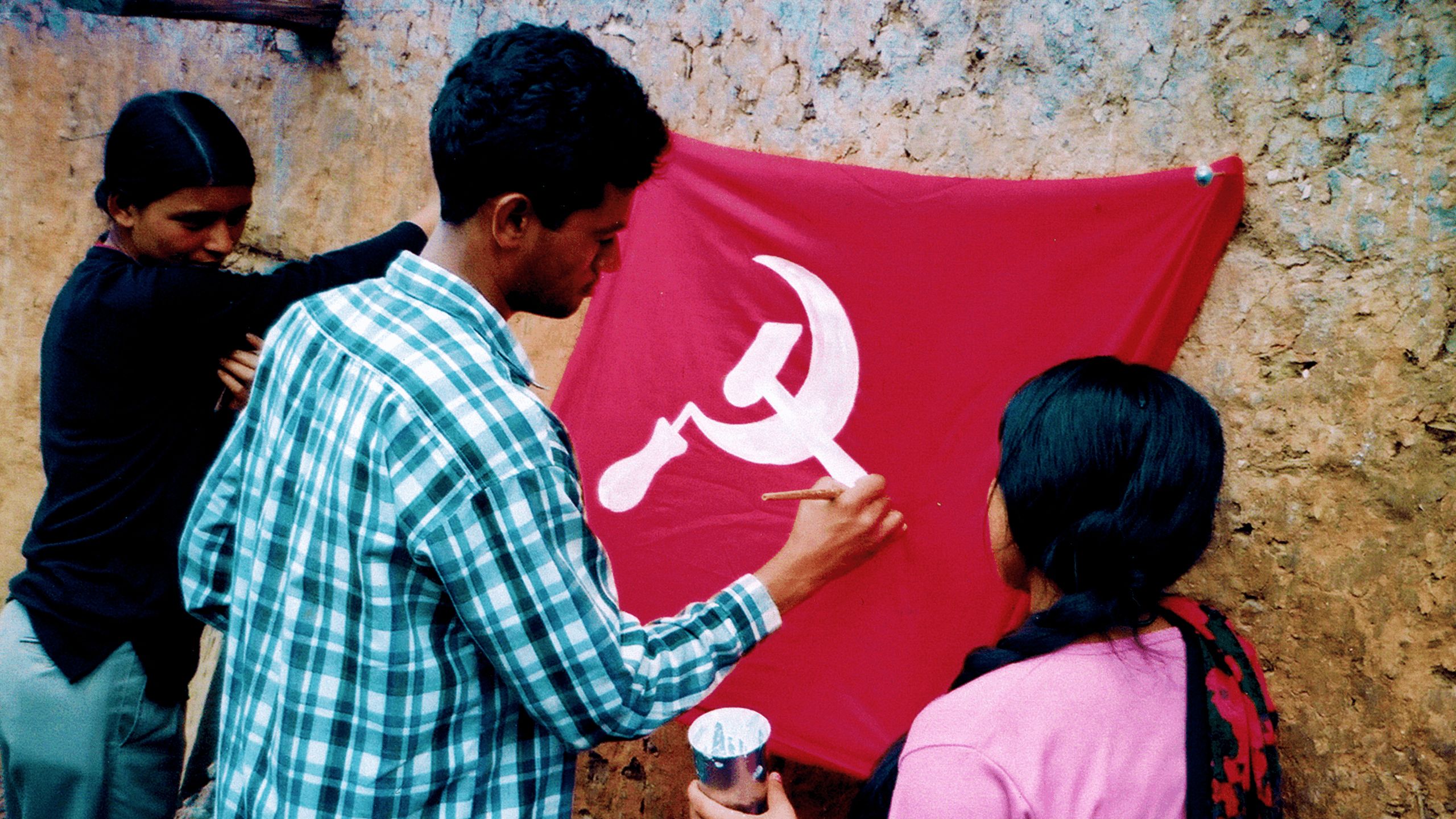

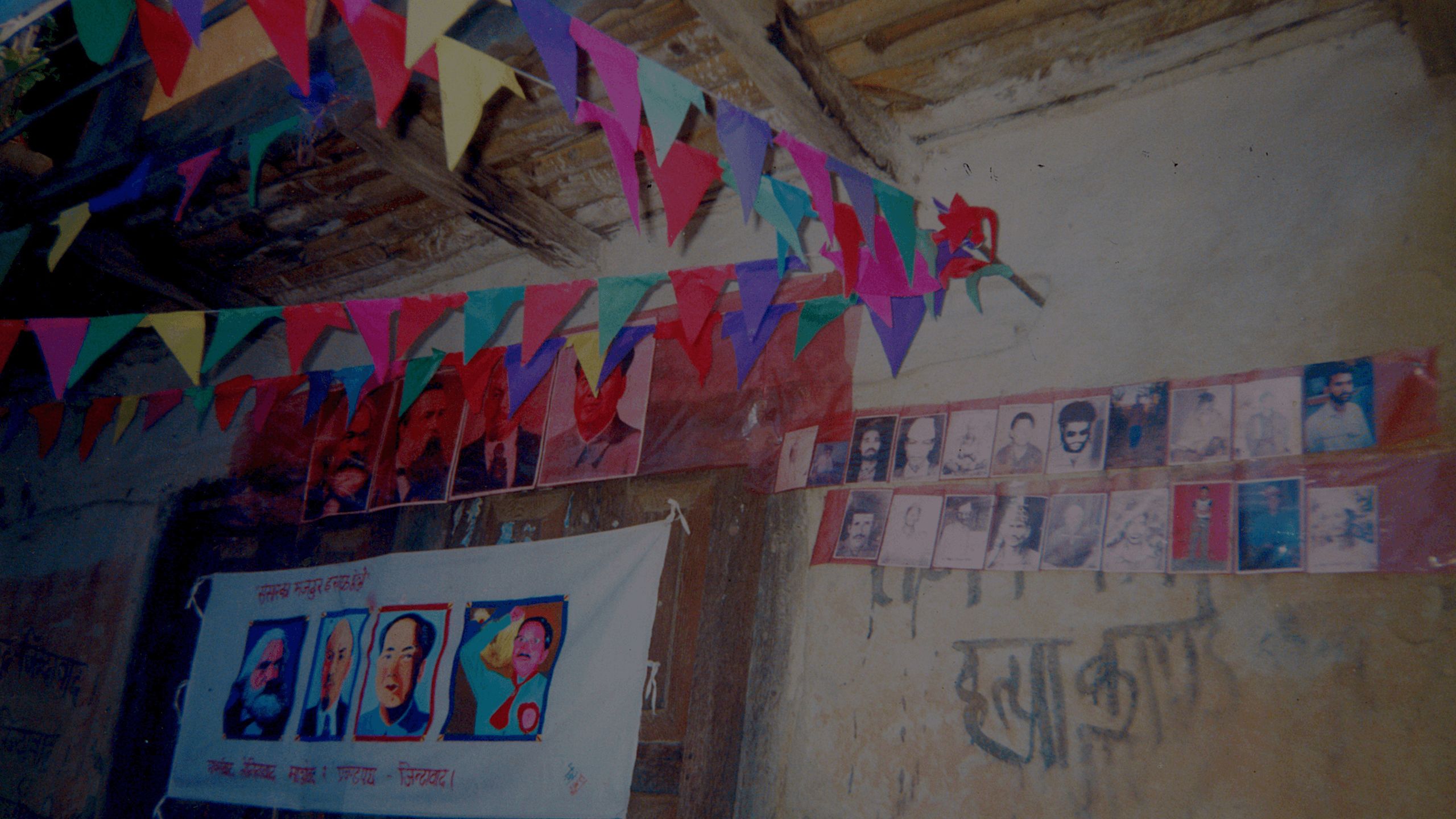
Dhital says the problems faced by his family, the repressive nature of the village leaders in his birth village and early encounters with books by Marx, Lenin and Mao sparked an interest in equal rights.
It also coincided with Nepal’s pro-democracy protests in the early 1990s.
Communist supporters would come to his school.
“Those people used to come and sing anti repressive songs and run classes,” says Dhital.
“Sometimes, my friends and I used to run away from school and watch their performance, even at night.”
By the time he arrived in Kathmandu in 1995, he had become a left aligned student activist.
FIRST MAOIST ATTACK
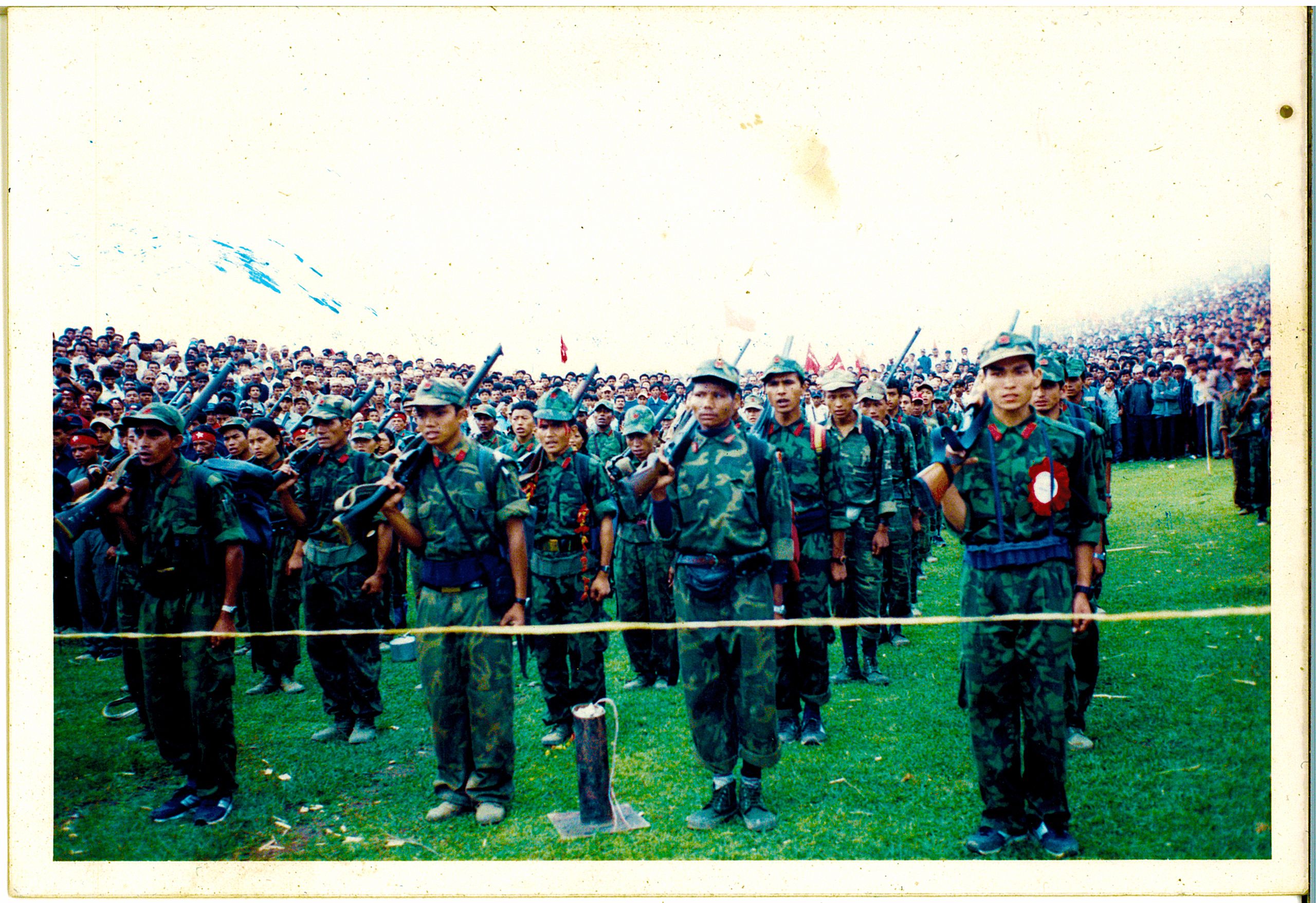
By February 1996, Dr Baburam Bhattarai had become the public face of the underground Maoist movement. His demands to the government and then Prime Minister Sher Bahadur, included a call for a new people’s constitution, declaring Nepal as a secular nation and ceasing discriminatory policies against women.
Those demands were ignored by the government.
Then on 13 February 1996, the Maoists launched an armed attack on a police post at a remote village of Holeri in the district of Rolpa.
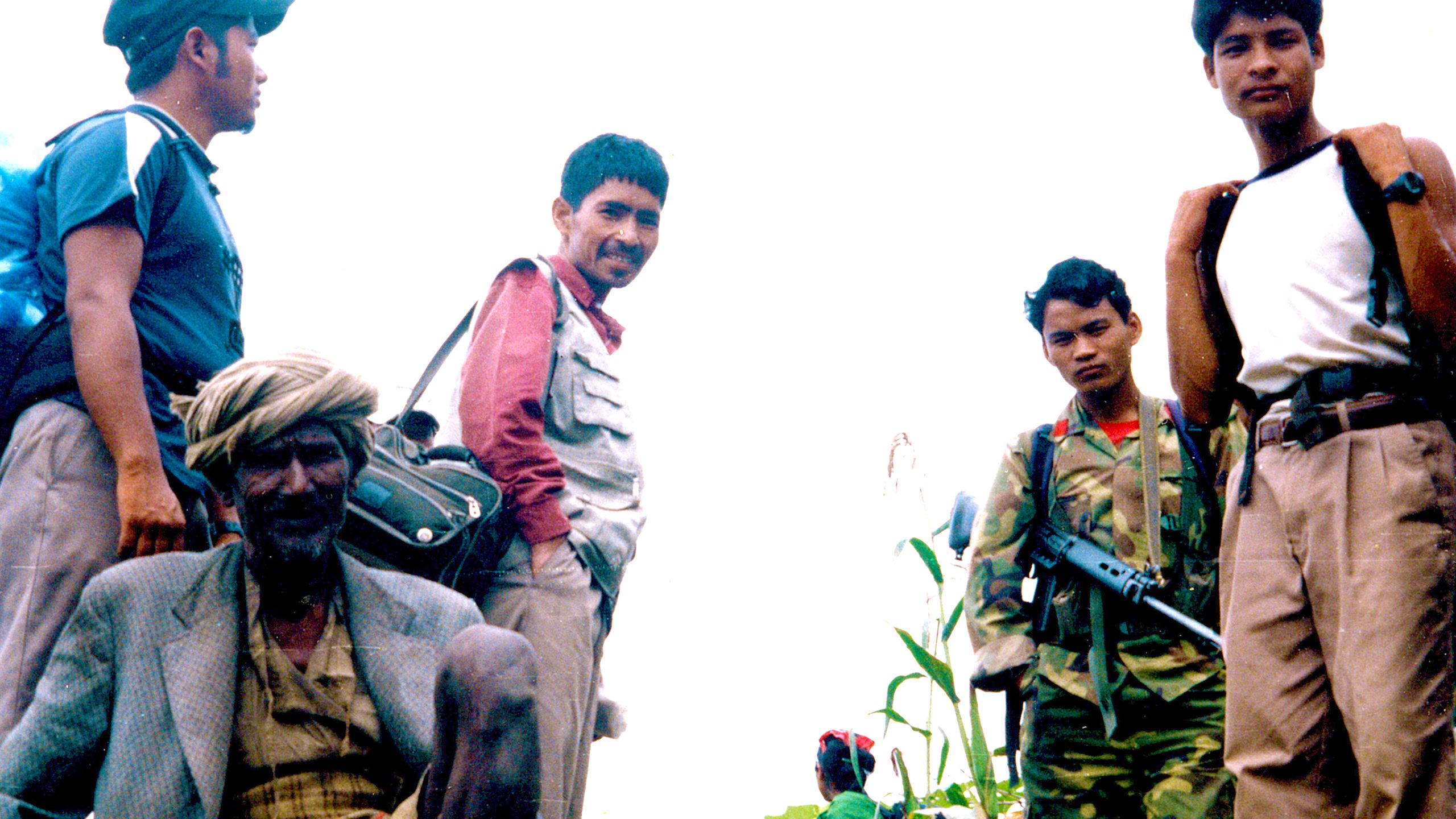
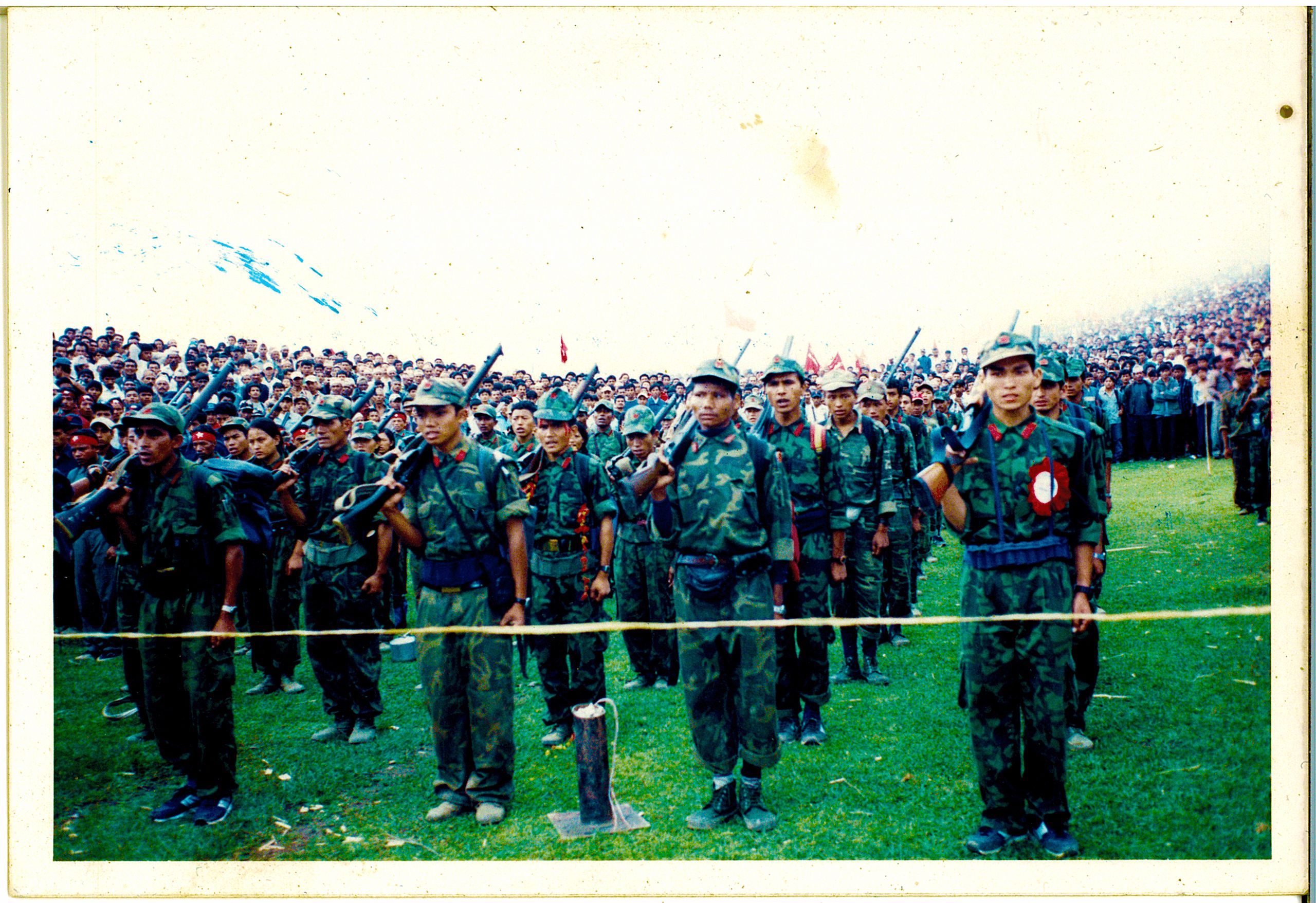
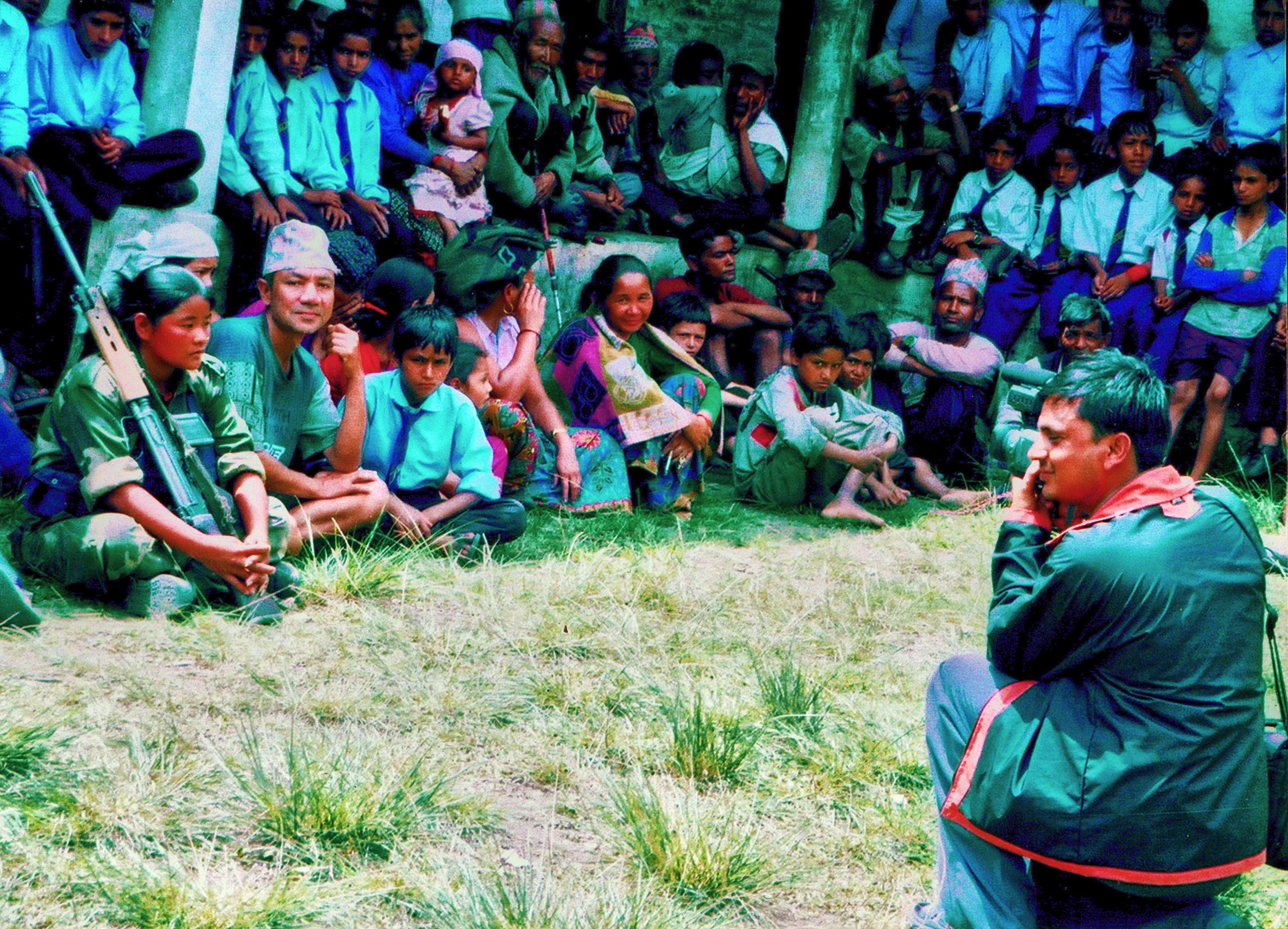
PLA members and reporters
PLA members and reporters
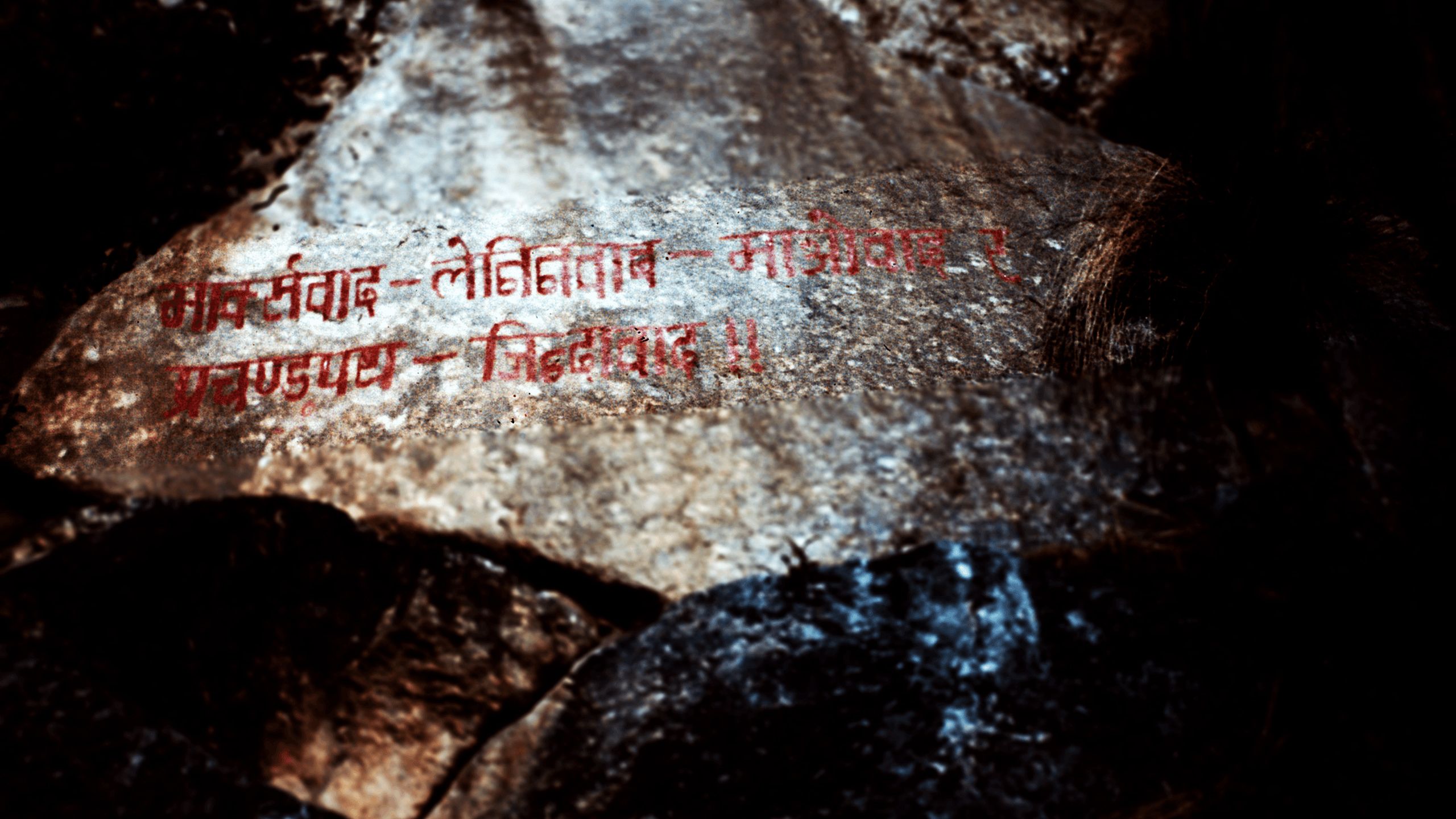
Rolpa along with the neighbouring district of Rukum ended up becoming the so-called “heartland” of the Maoists. Manarishi Dhital had not been part of the Maoist party then. He considered himself a part of the left movement. But after the conflict officially started in February – he began writing poems and essays supporting the conflict – where he emphasizes the importance of the revolution.
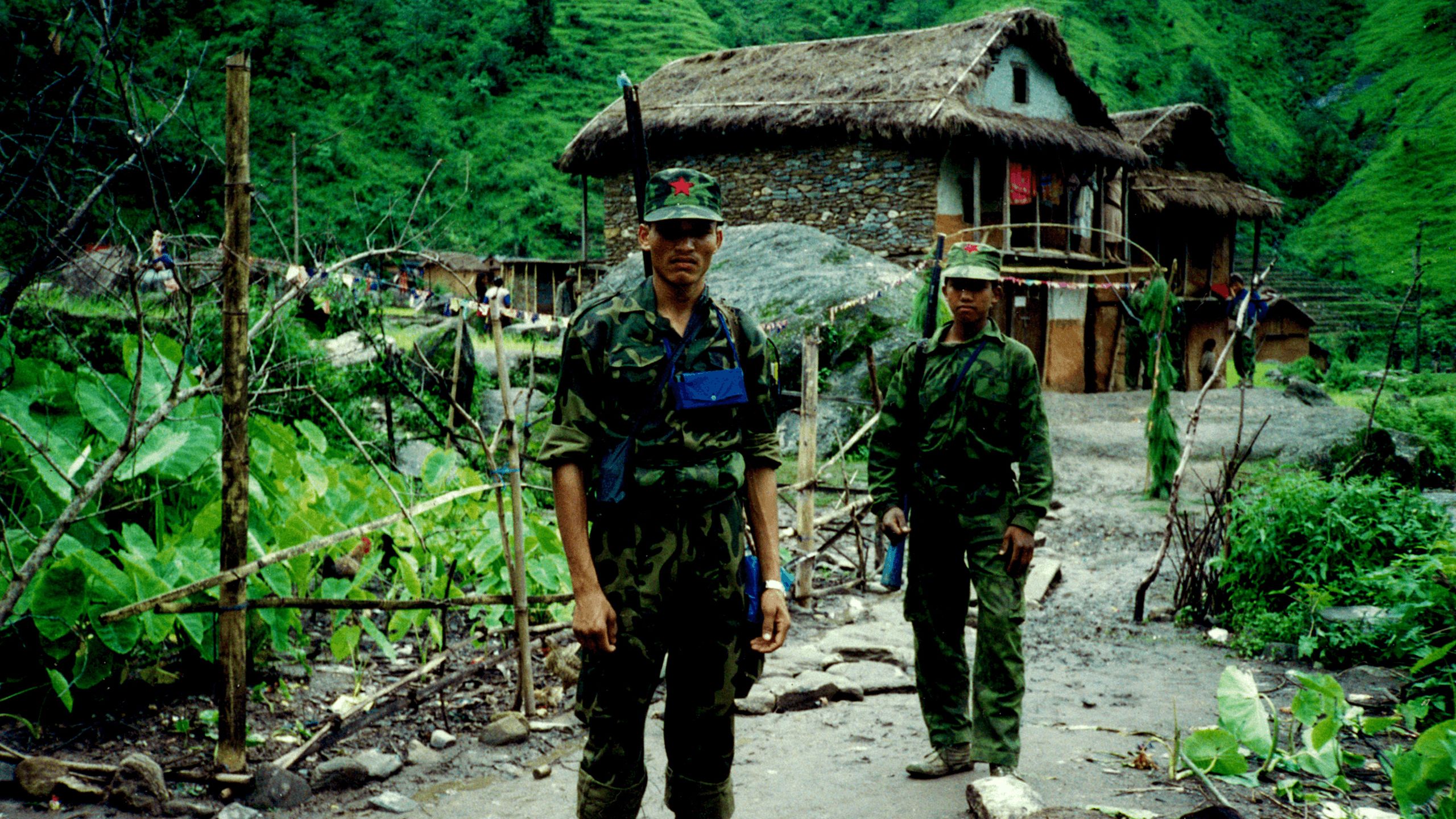
He remembers when he was studying at a university – he took part in a poem competition organized by the student union. He came first with his poem about a villager’s anger. But then he started seeing his classmates in his college disappear one by one to join the conflict.It was at that time that he met another journalist Om Sharma, now an editor of a major online news site, Ratopati, and was offered a position at a new newspaper called Janaahwaan.
REVOLUTIONARY JOURNALIST
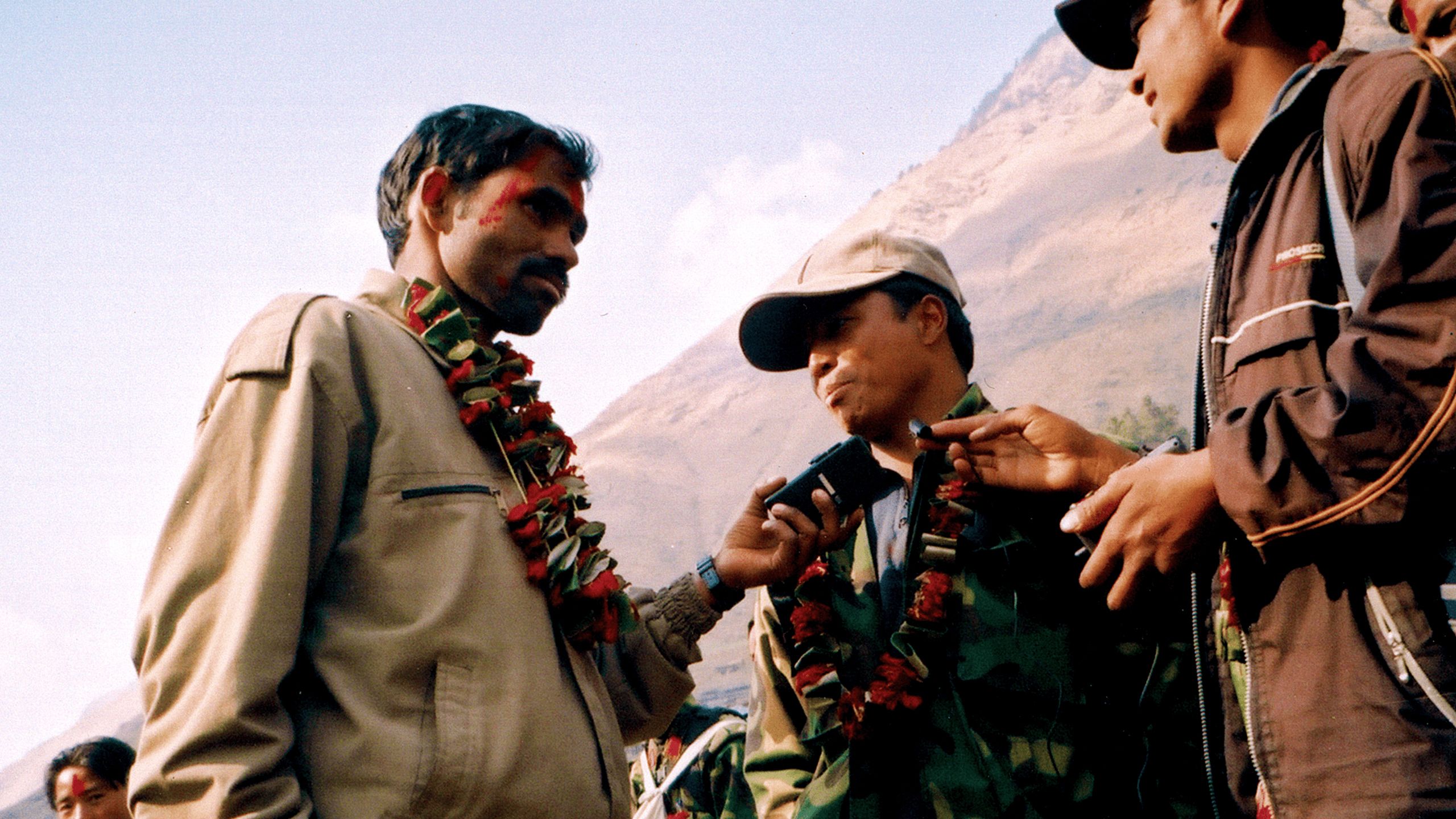

BECOMING A REVOLUTIONARY JOURNALIST
Manarishi Dhital says that by the time he joined the revolution in 1998, Nepal had already been divided into two camps – one that supported the armed conflict and one that opposed it.
“Or people who supported constitutional change and people who opposed it,” he says.
Dhital felt his duty was to write in support of the armed revolt, to change the constitution and write about the alleged repressive activities carried out by the government.
The best way he thought of doing this was through the media.
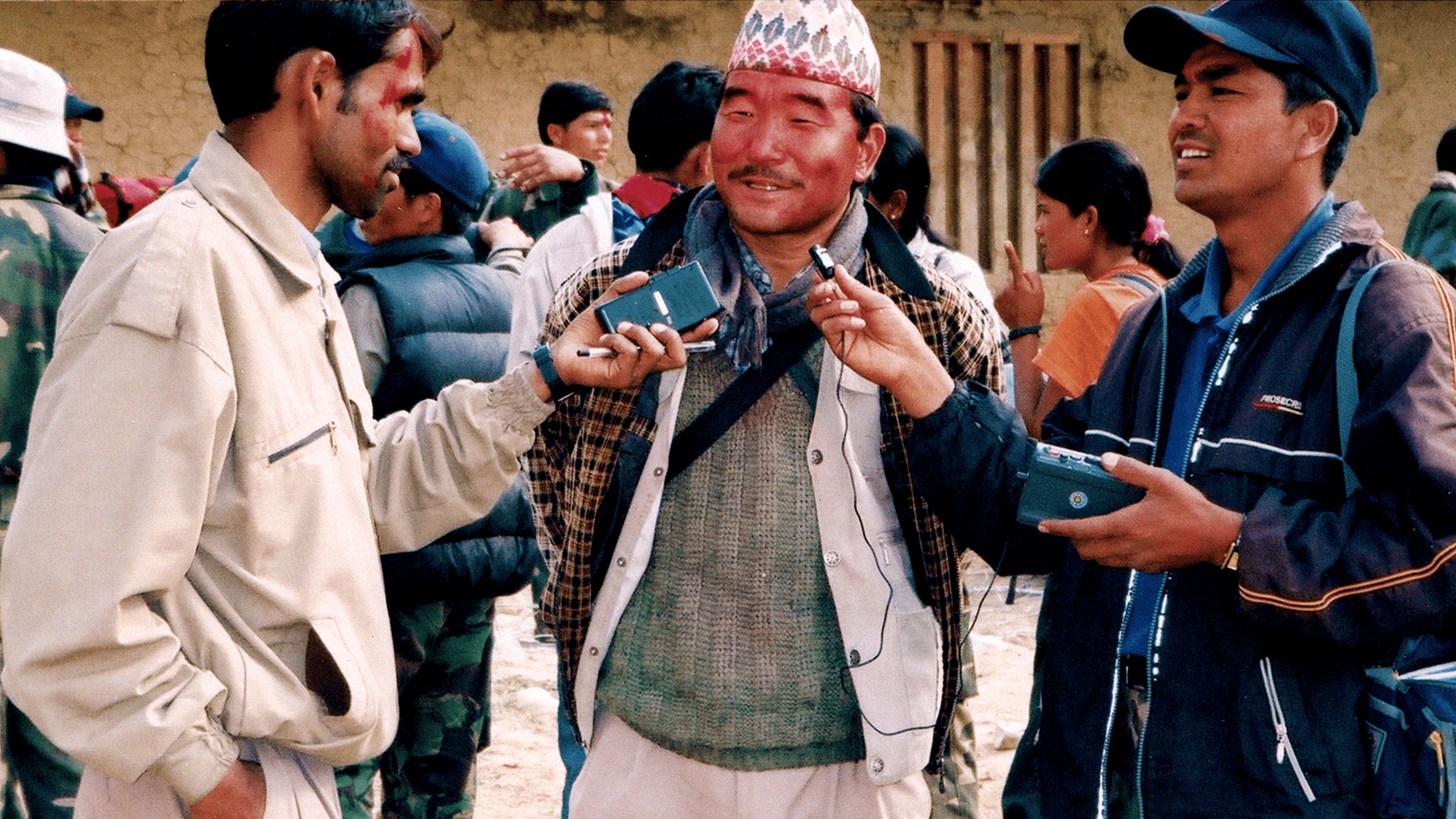
Dhital (L) interviewing Santosh Budha Magar, the chief of Magarat people's government.
Dhital (L) interviewing Santosh Budha Magar, the chief of Magarat people's government.
“We felt we were contributing to the revolution with the writing and reporting skills we had.”
“But at certain points, we also felt we were being used,” he says.
He says he always advocated for freedom of speech within the Maoist revolution as well; he wanted to write about conflicting viewpoints within the Maoists but that did not sit well within leadership “who only wanted to be approved content to be published,” says Dhital.
FROM THE FRONTLINE
In 2000, Dhital wrote about a midnight journey with Maoist fighters to Pattharkot in Sarlahi district, where a police station was going to be attacked.
“As the battle was at night, there was no way for me to take pictures – so I wanted to record the audio of the attack,” says Dhital.
He held a tape recorder with his left hand because he thought if he was to get shot in his hand, he would still be able to write with his right hand.
Dhital wanted the Maoist leaders to give formal information about the attack to journalists for them to cover the story.
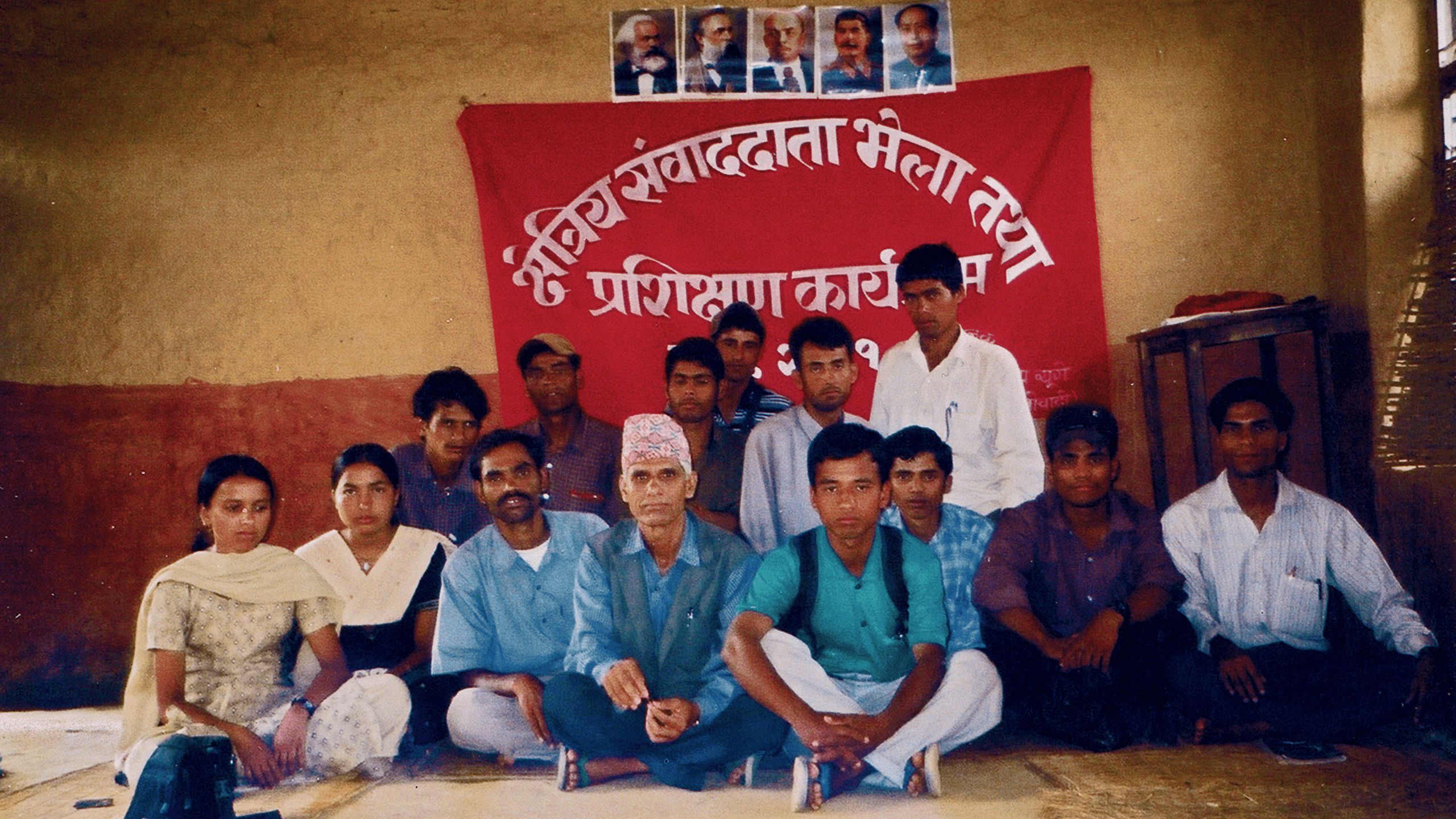
Dhital (3FL) at an underground journalism training in Palpa
Dhital (3FL) at an underground journalism training in Palpa
However, he says the local level Maoist leaders didn’t know how to put together a press release – so Dhital taught them how to write one.
He distributed the press release to non-Maoist aligned journalists in the district capital, who would then write stories based on that release and send them to Kathmandu for publication or broadcast.
STATE OF
EMERGENCY
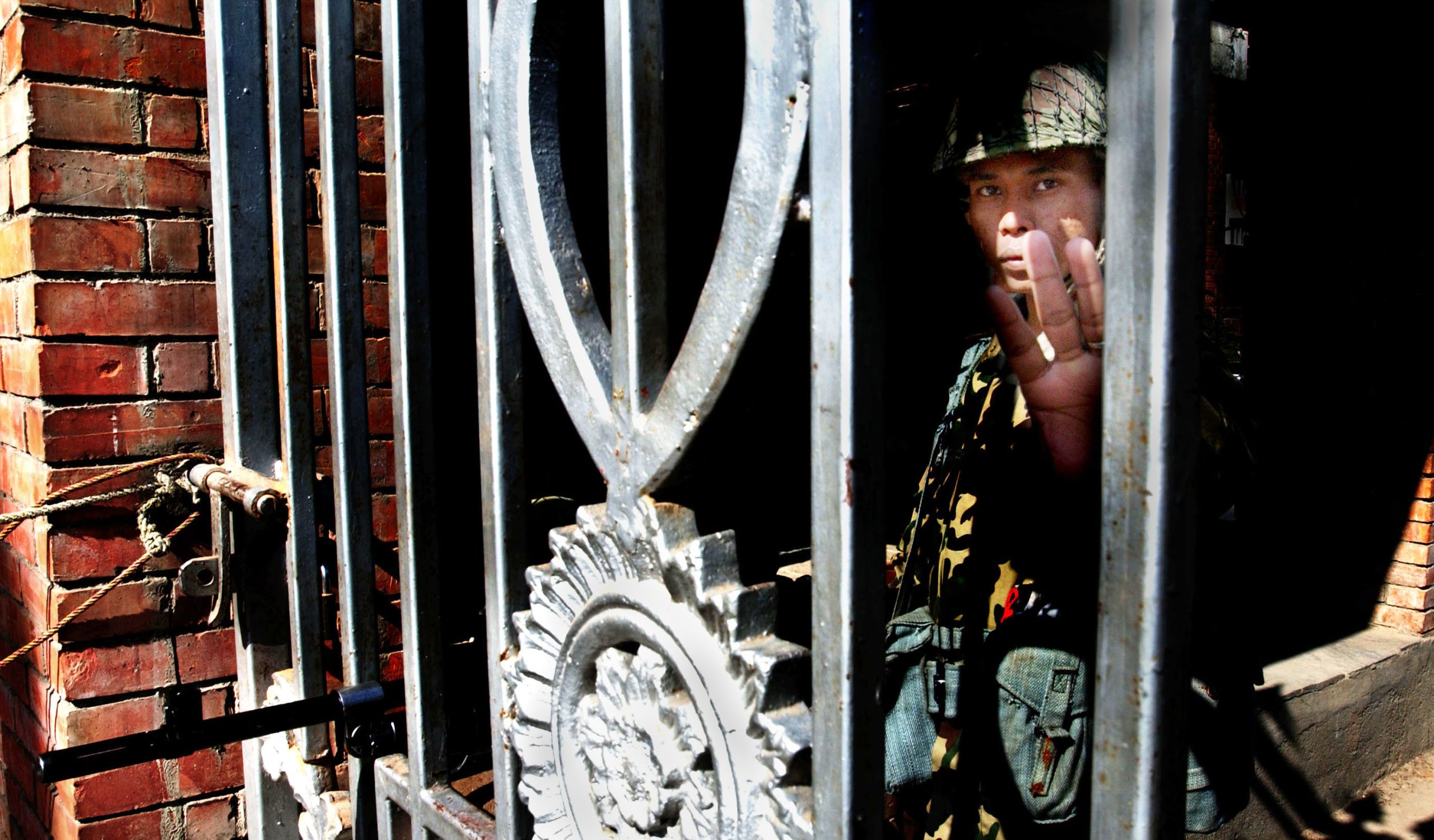

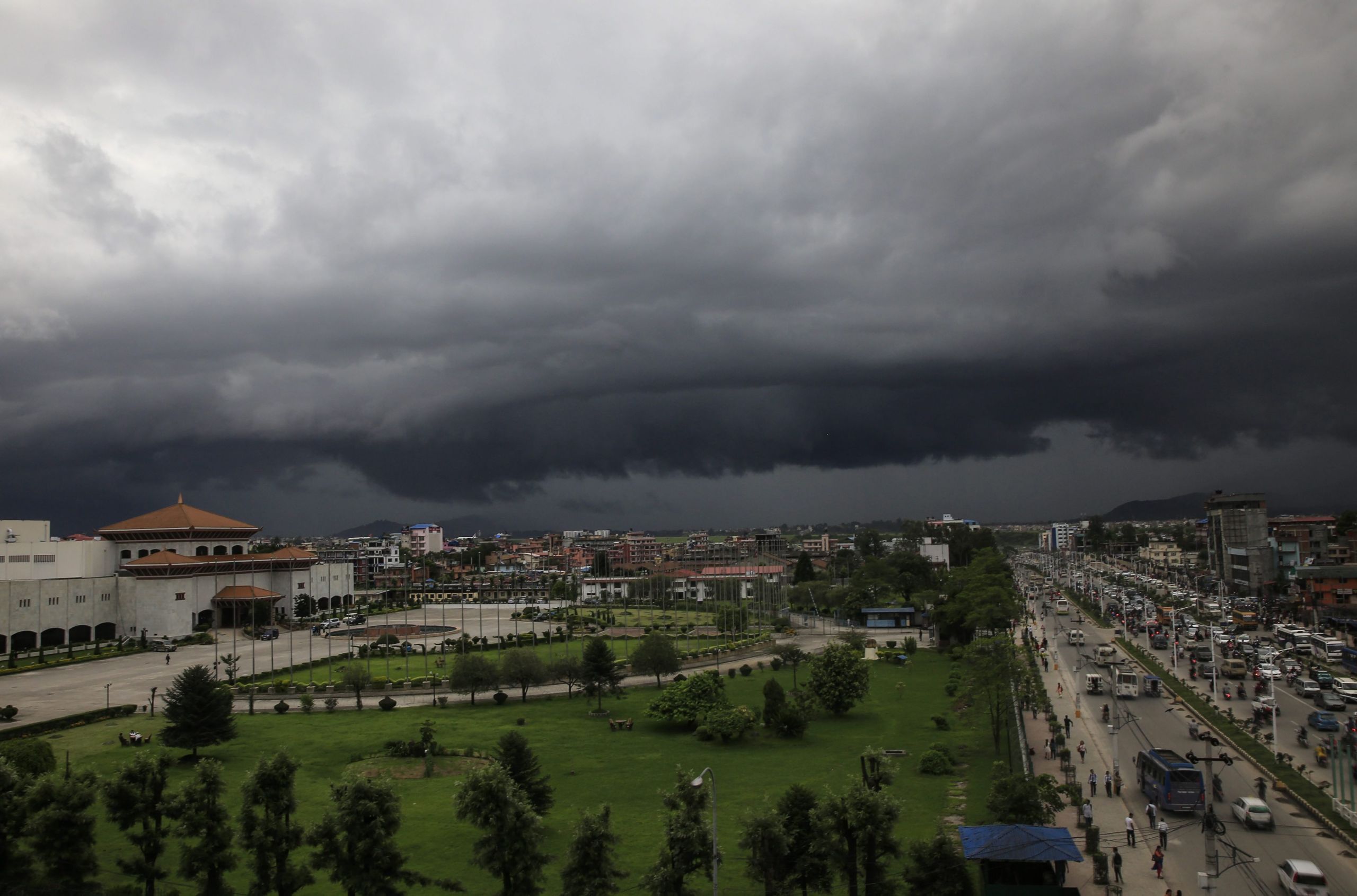
With more than 2000 Nepalis reported dead due to the conflict, on 26 November 2001, the then newly crowned King Gyanendra sacked the Prime Minister and declares a state of emergency. Any news coverage seen to be supportive of the Maoists or against the actions of the government or the Royal military was now deemed punishable by law.
Freedom of assembly and civil liberties were suspended too. The same day saw the Maoists declared as “terrorists” by the government.
Seven journalists including Manarishi Dhital were arrested after a police raid on three Maoist aligned newspapers. They were released a year later from a Kathmandu prison.
But in 2003, the ceasefire ends after peace talks fail, Dhital and his colleagues were forced to leave Kathmandu and go “underground”. Once they went underground, they set up a command structure for journalists, just like the Maoist fighters did, to assign themselves to various parts of the country.
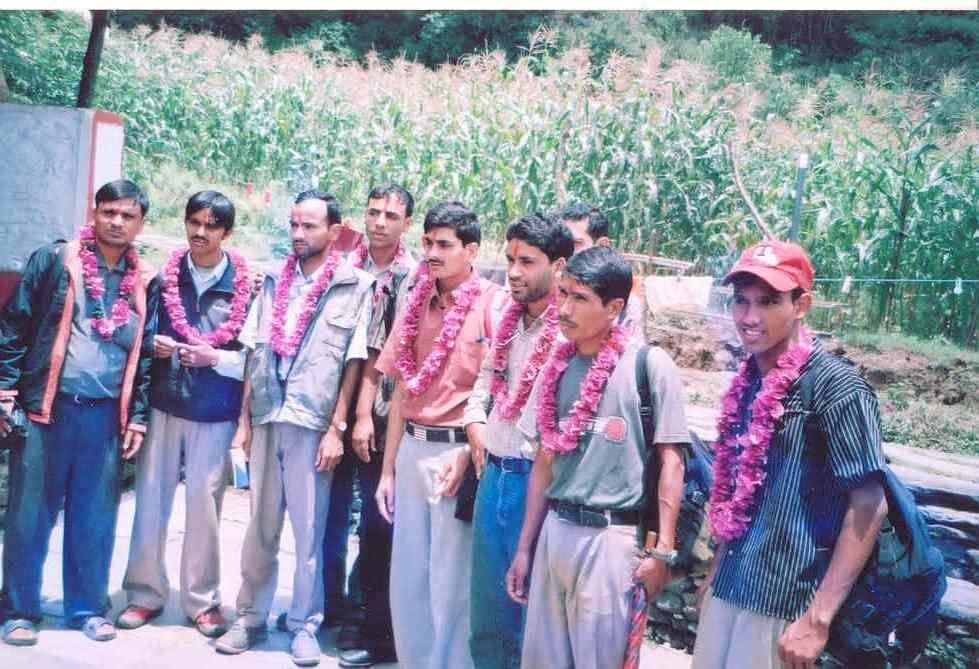
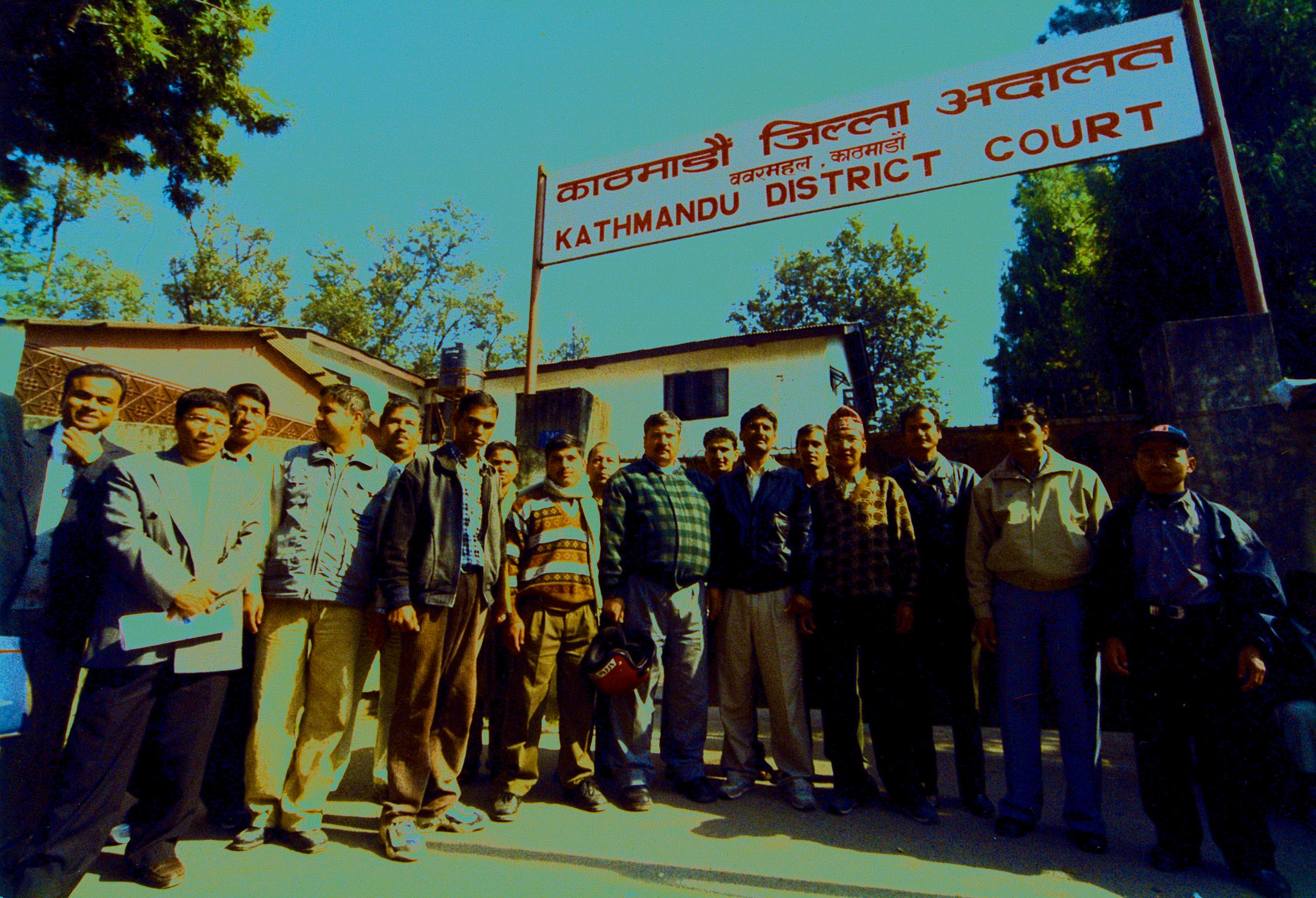
A Group of journalists in Kaski around 2004
A Group of journalists in Kaski around 2004
Dhital then moved to the central western part of Nepal. “That was also the beginning of reporting from the battlefield,” says Dhital. Soon they started training journalists to become radio producers and started broadcasting from the forests and the mountains.
Dhital says,“by the time all the journalists were trained – at least about 100 journalists were mobilised all over the country.”
PRESS FREEDOM
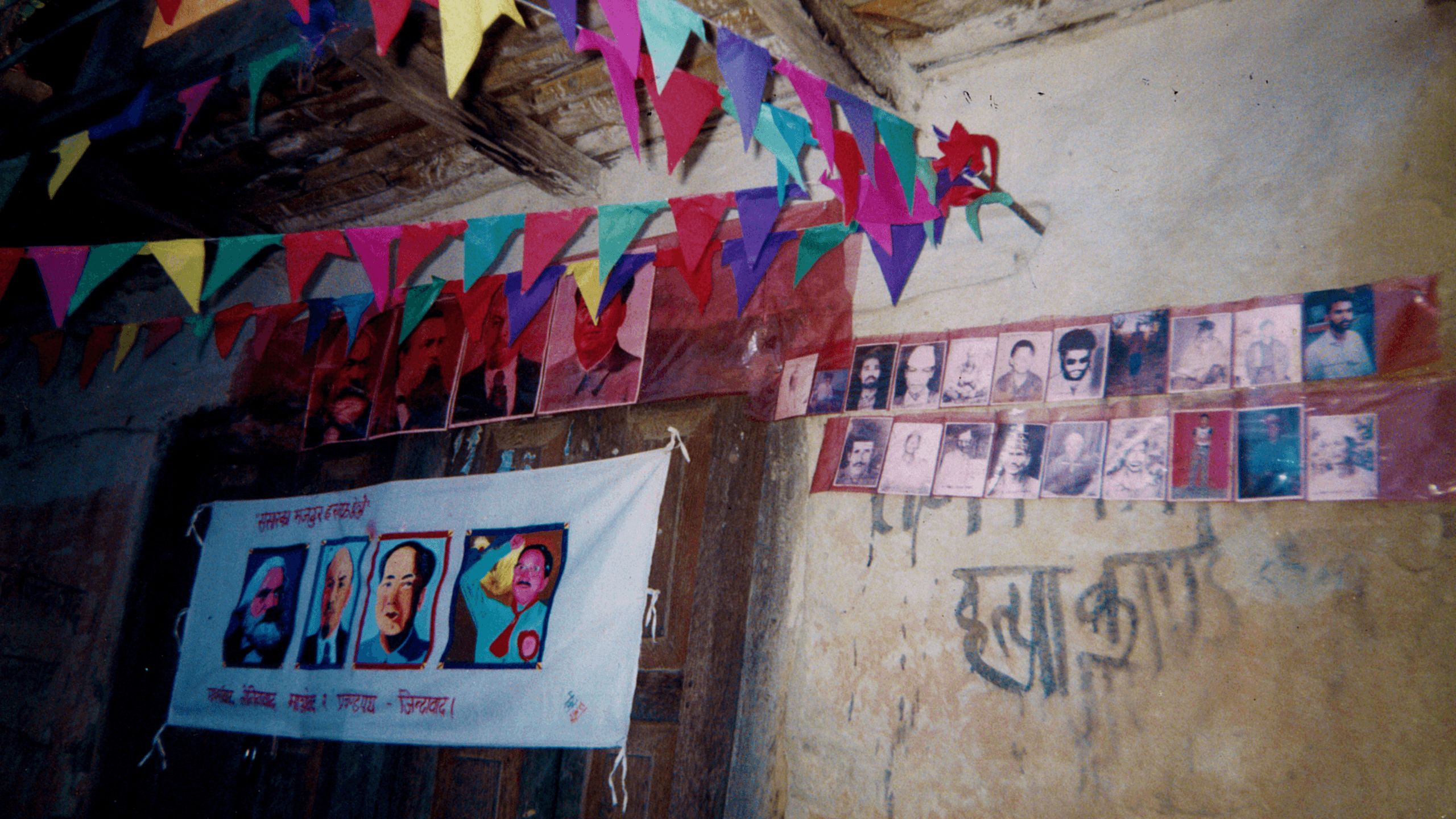
By the middle of 2001, the Maoists had also set up a parallel rule in 22 districts that were under their control.
Just like the government, the Maoists were also accused of rights violations including forced disappearances and killings.
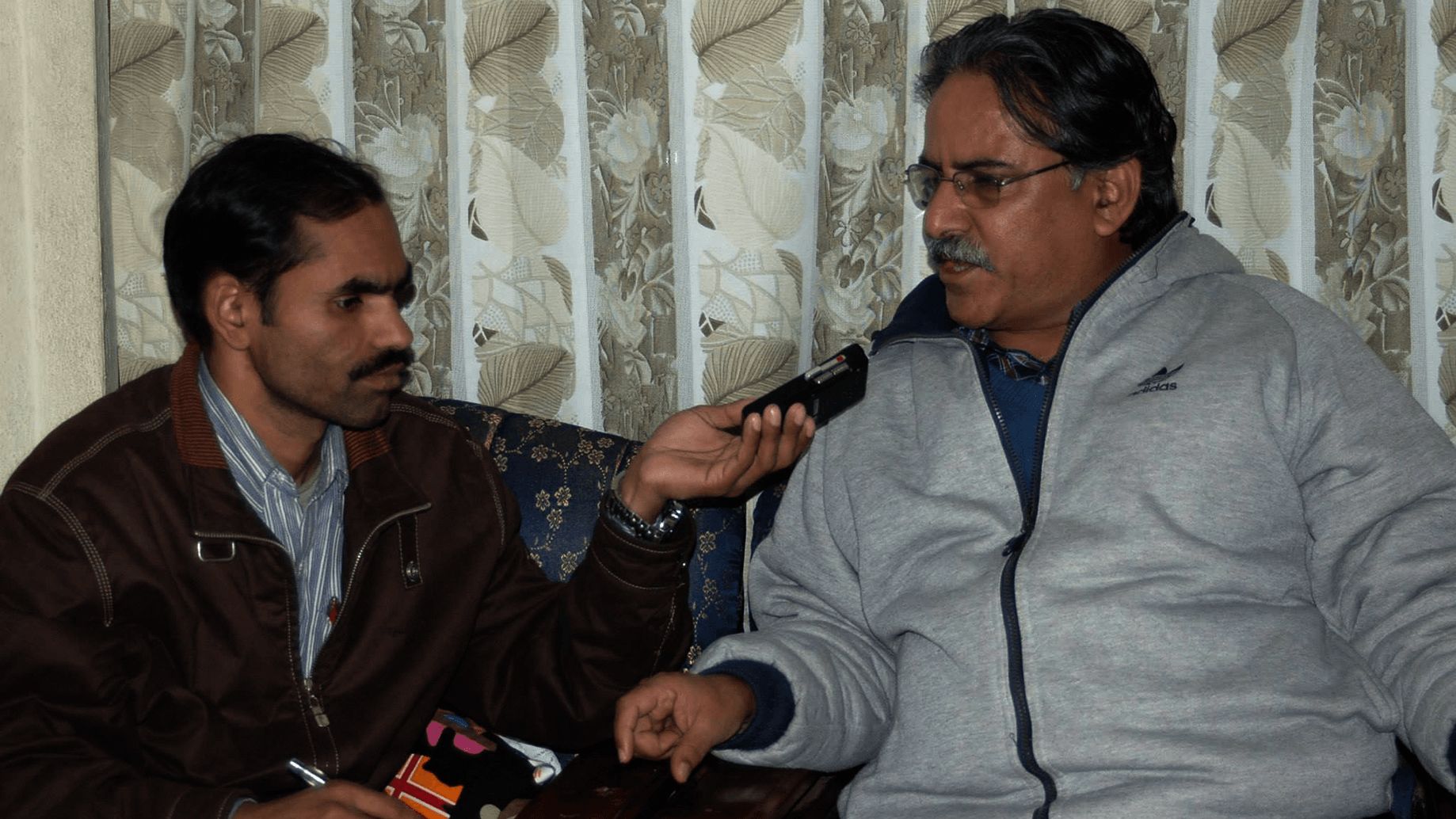
On the occasion of Press Freedom Day on May 3, 2004, while interviewing the Maoist chairman Prachanda, Manarishi Dhital asked him whether his party prevented journalists from reporting independently.
Prachanda denied it completely saying he supported the freedom of the press and that journalists have always been welcomed to cover news in the Maoist controlled areas of the country.
But the Maoist chairman also stated bluntly that not acting against someone “dressed up” as a journalist by the government, to “kill the revolutionary fighters”, would be suicide.
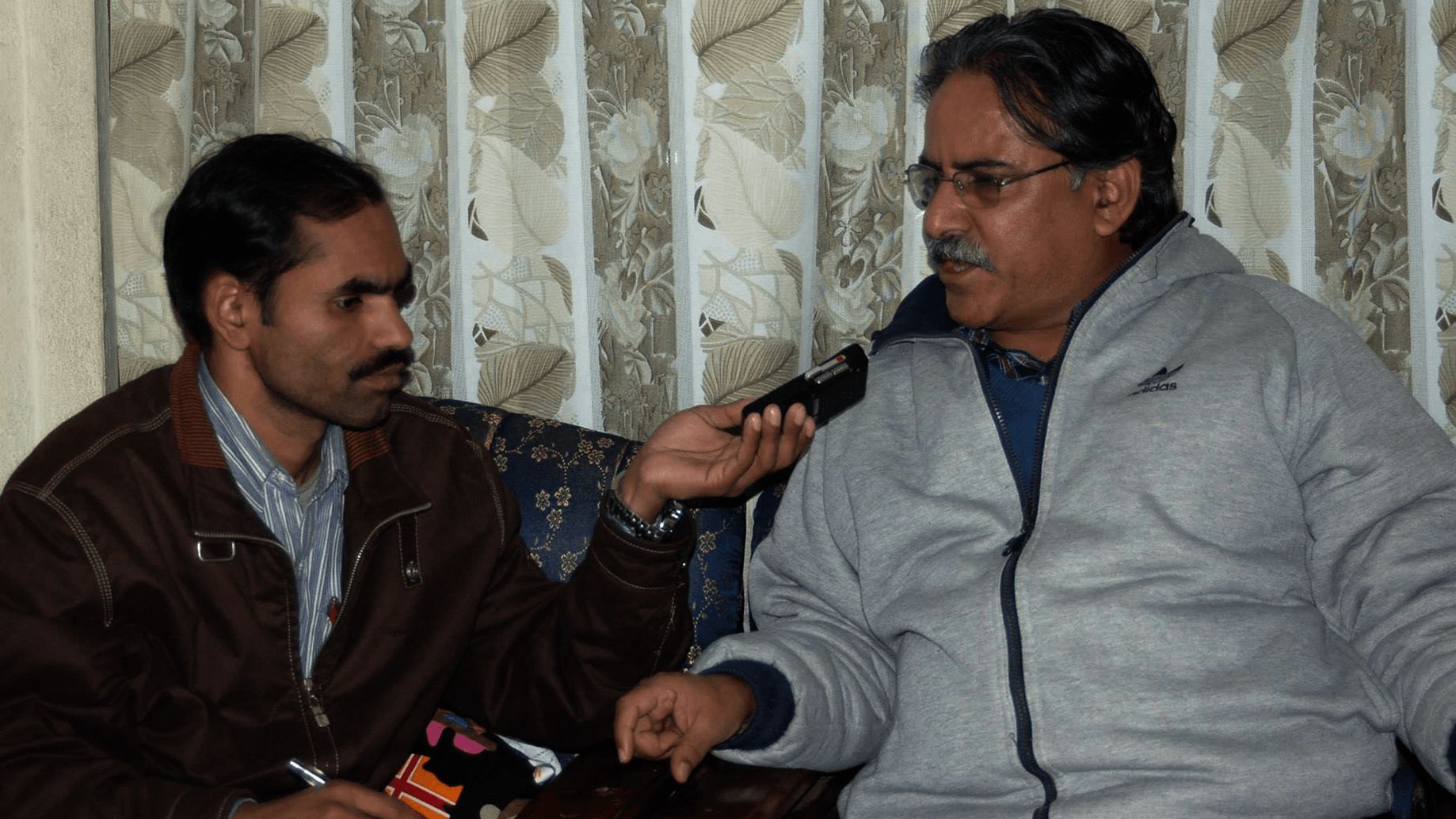
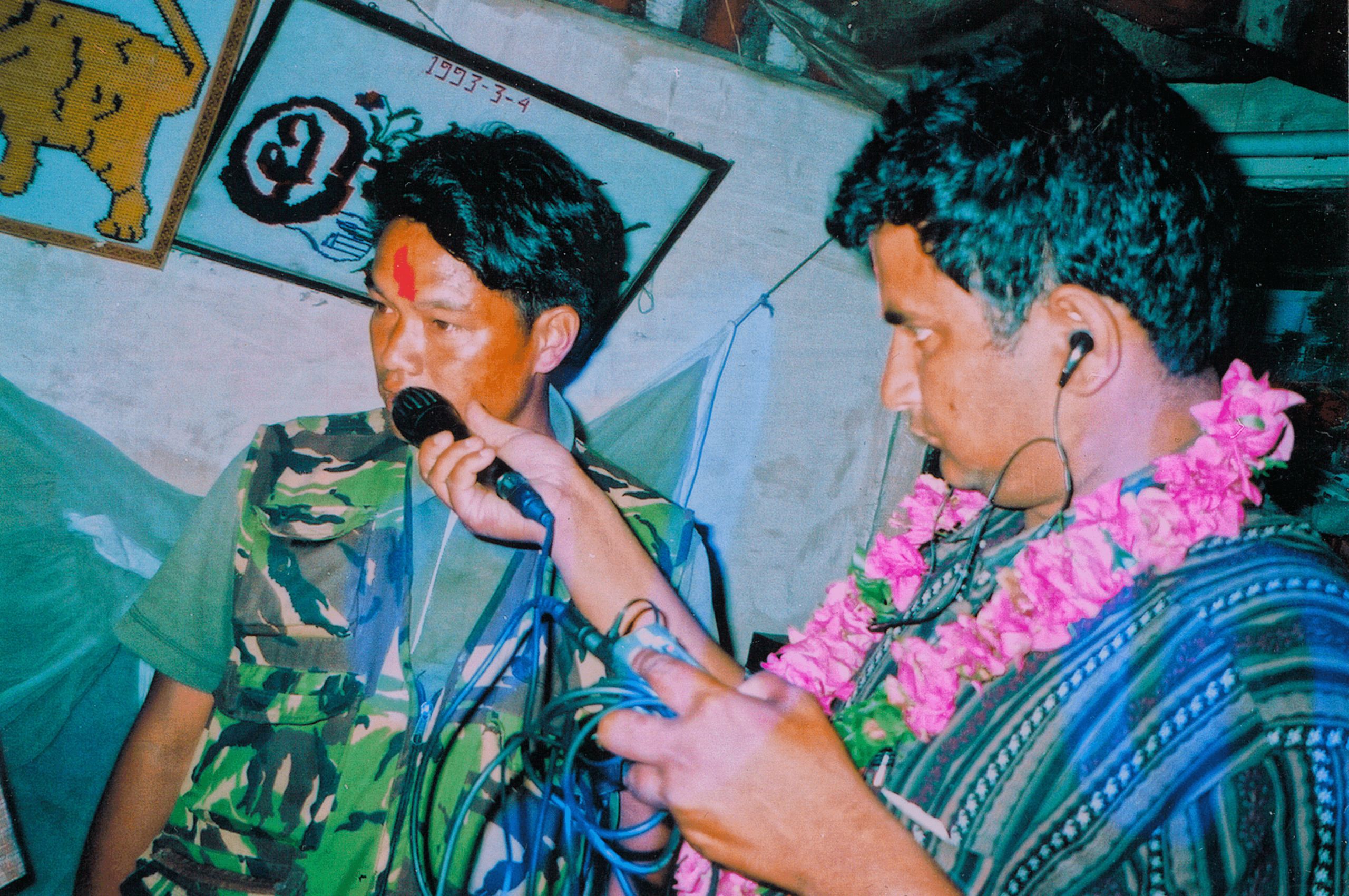
Dhital (L) interviewing Pushpa Kamal Dahal "Prachanda" (R)
Dhital (L) interviewing Pushpa Kamal Dahal "Prachanda" (R)
Dhital has published this conversation with the Maoist leader in a book he co-wrote titled “War and Journalism”.
A month after he spoke to Prachanda about the Maoist commitment towards press freedom, a journalist working for the government-run Radio Nepal was killed by the Maoists.
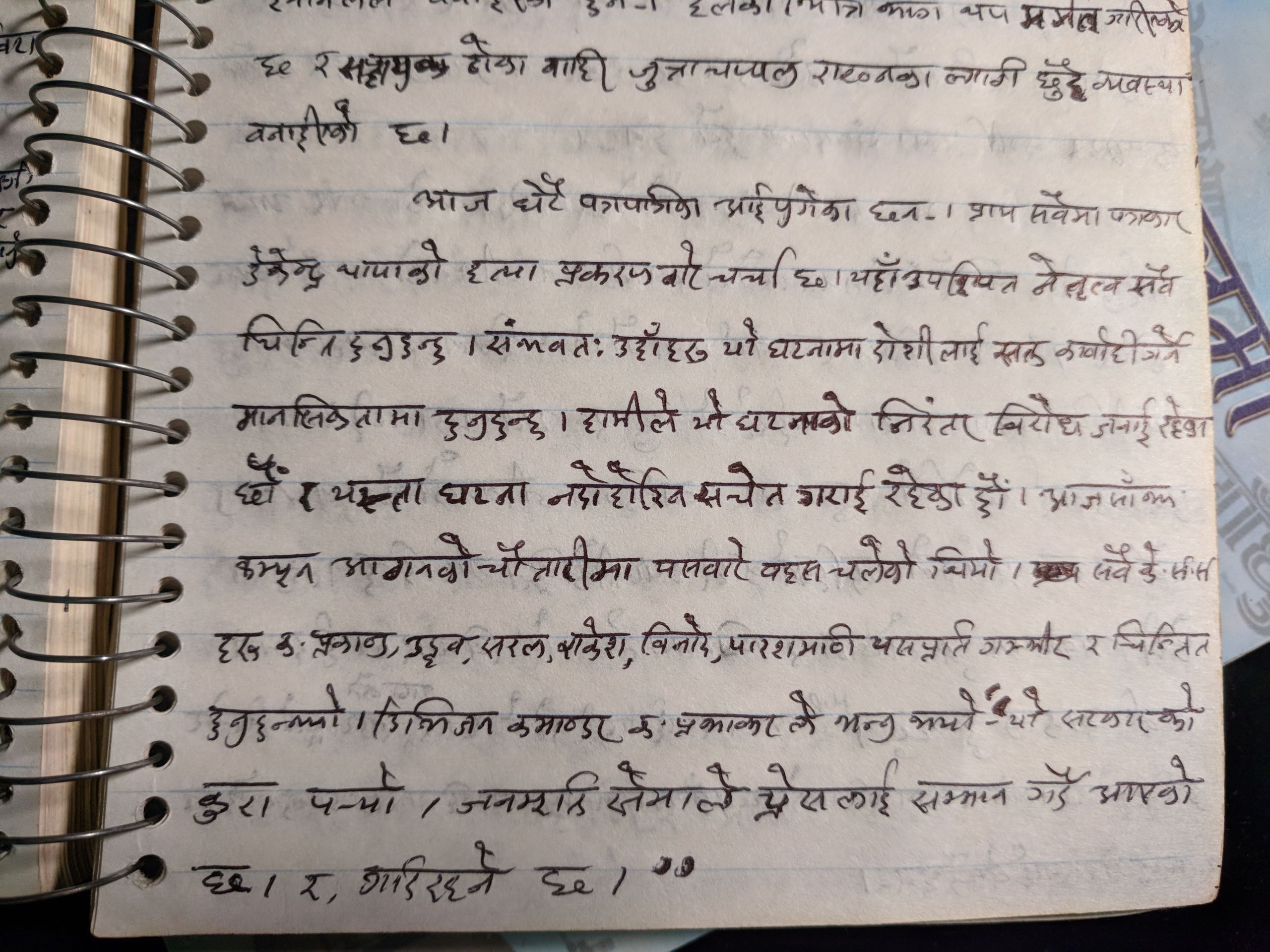
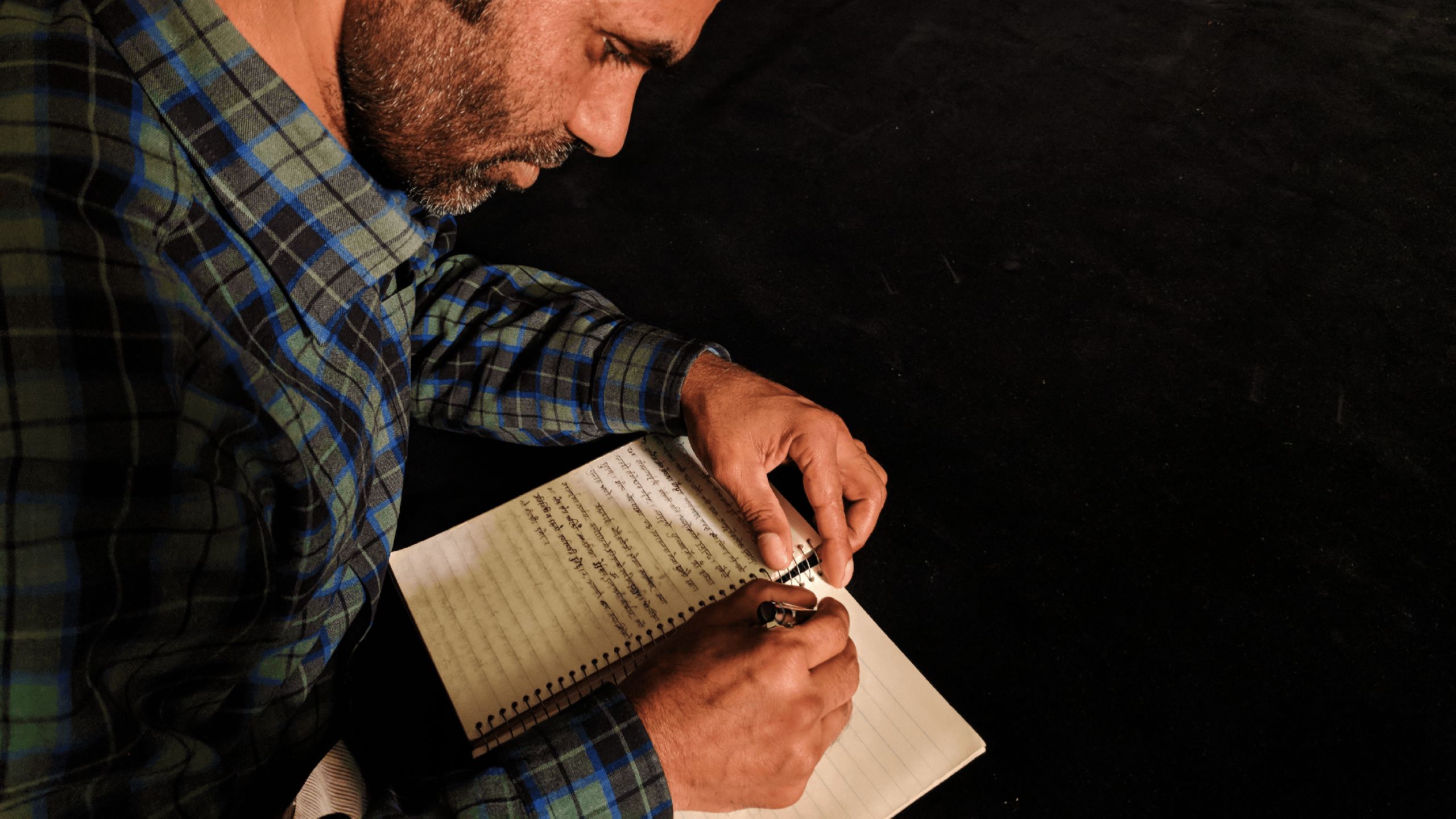
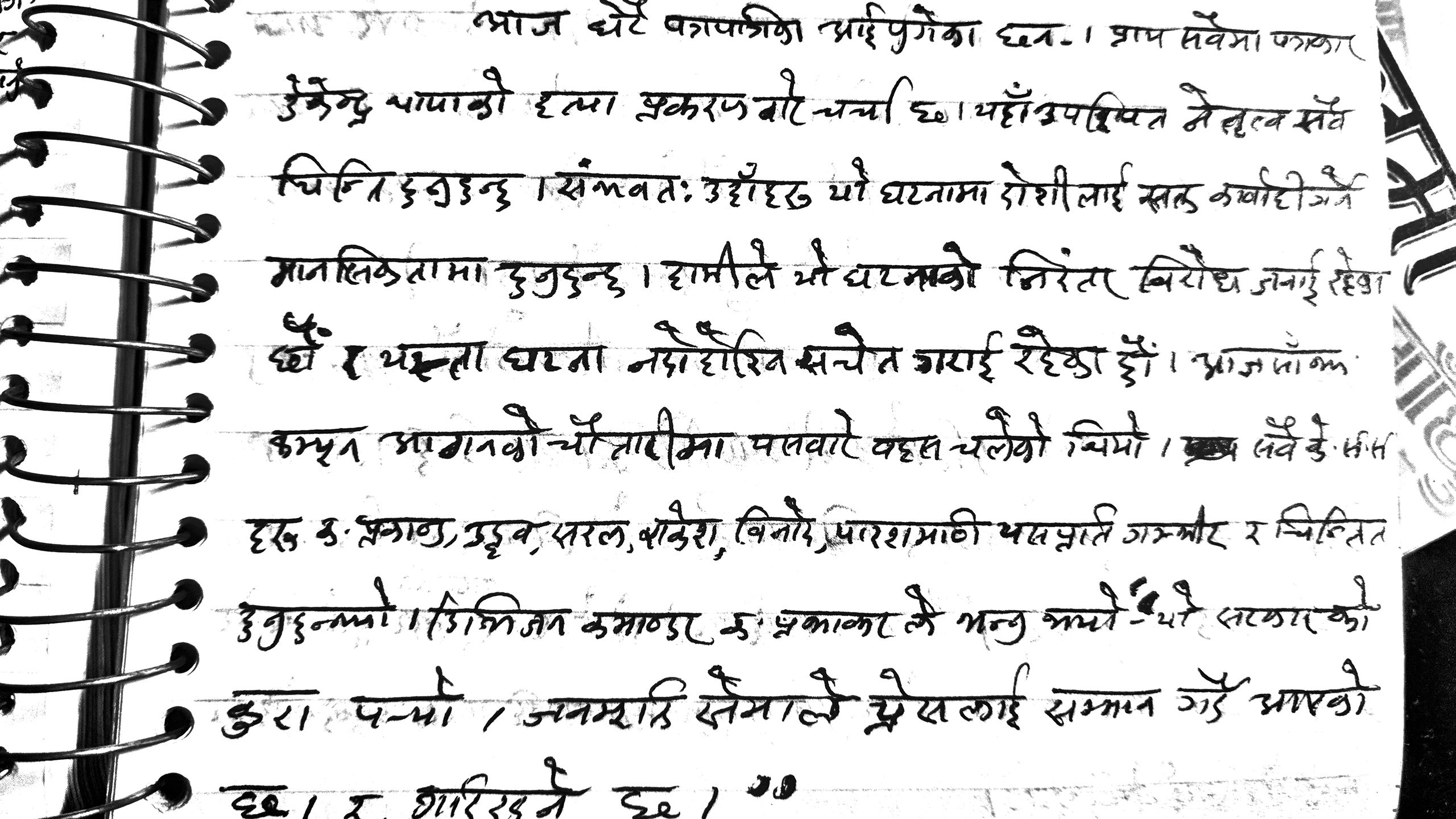
Dhital's entry in his notebook about the killing of Radio Nepal journalist Dekendra Thapa.
Dhital's entry in his notebook about the killing of Radio Nepal journalist Dekendra Thapa.
Dekendra Thapa was abducted and then on 11 August, he is said to have been killed after the Maoists accused him of spying for the government.
A month later, on September 6, 2004, another journalist Gyanendra Khadka was reportedly taken away by four men, with his hands tied behind his back. They killed him in front of his wife.
The Maoist news media always talked about the atrocities committed by the government forces but when the Maoist fighters were the cause of such atrocities, they were rarely reported.
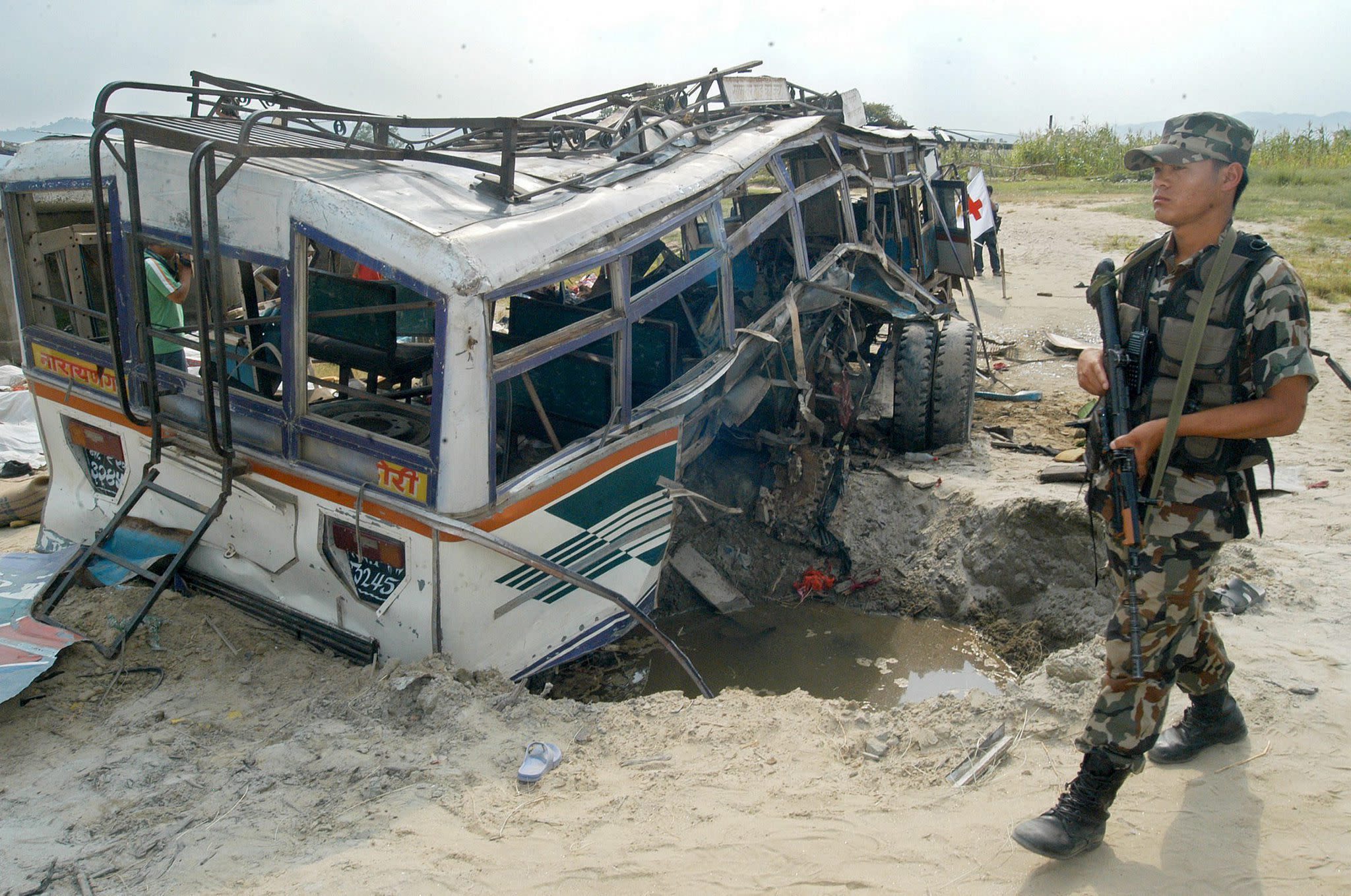
One example is that of a Maoist attack on a public bus on 6 June 2005. A roadside bomb explosion targeting the bus with more than a hundred passengers, killed at least 38 and injured more than 72 people.
This attack on a public bus in Badarmude, Chitwan, drew national and international condemnation but was not reported by the Maoist aligned news media.
“We rarely wrote about the weaknesses and wrongdoing by the Maoists – we only wrote about them when the leadership would release an official statement. We would only report on the statement,” says Manarishi Dhital.
The only ‘reporting’ they did of the incident was that they published Maoist chairman Prachanda’s apology over the incident.
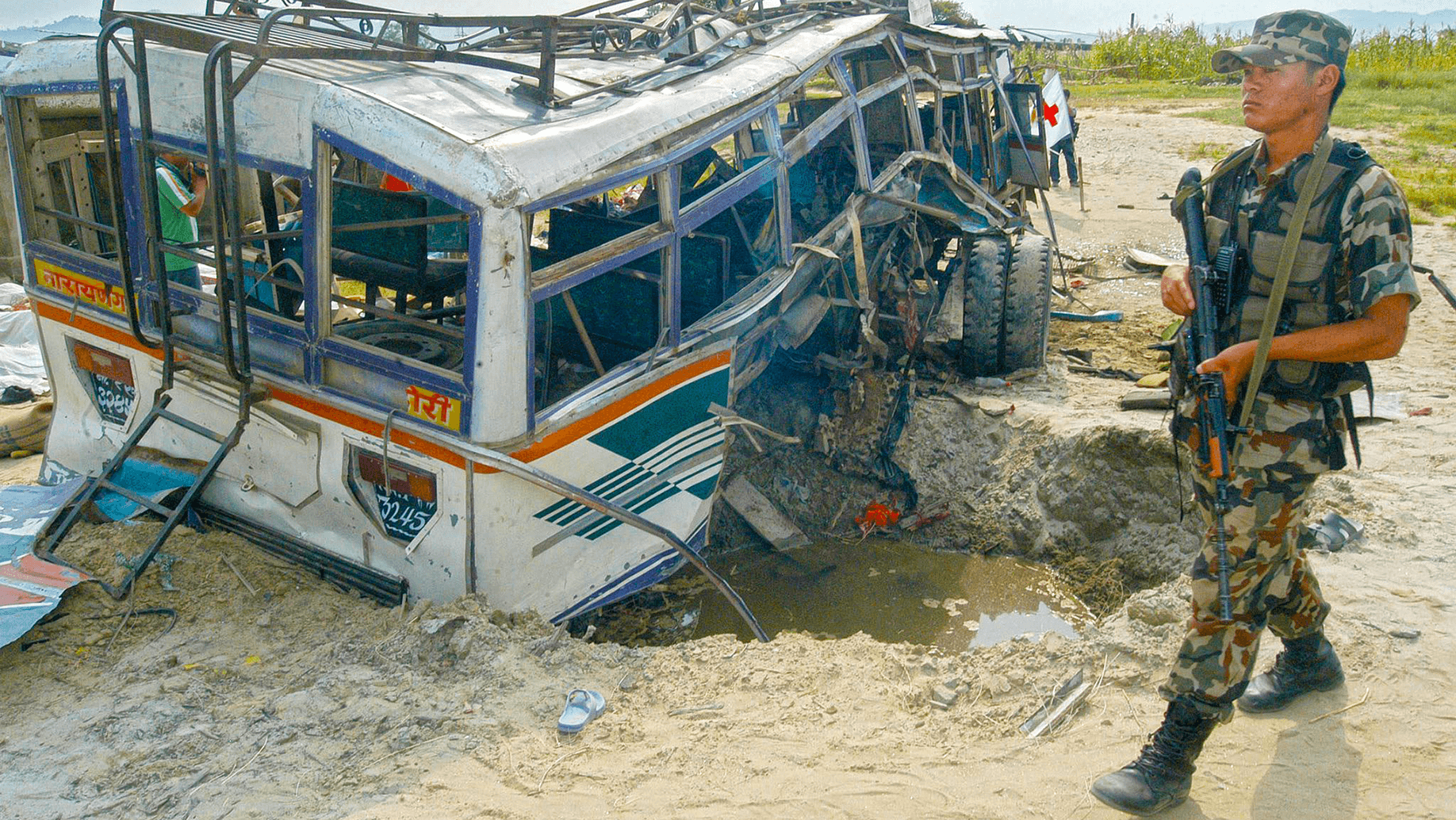
Communist Maoist rebels targeted the crowded passenger bus planting a land mine where 37 civilians were killed and 72 injured. EPA/NARENDRA SHRESTHA
Communist Maoist rebels targeted the crowded passenger bus planting a land mine where 37 civilians were killed and 72 injured. EPA/NARENDRA SHRESTHA
TOOLS
OF TRADE
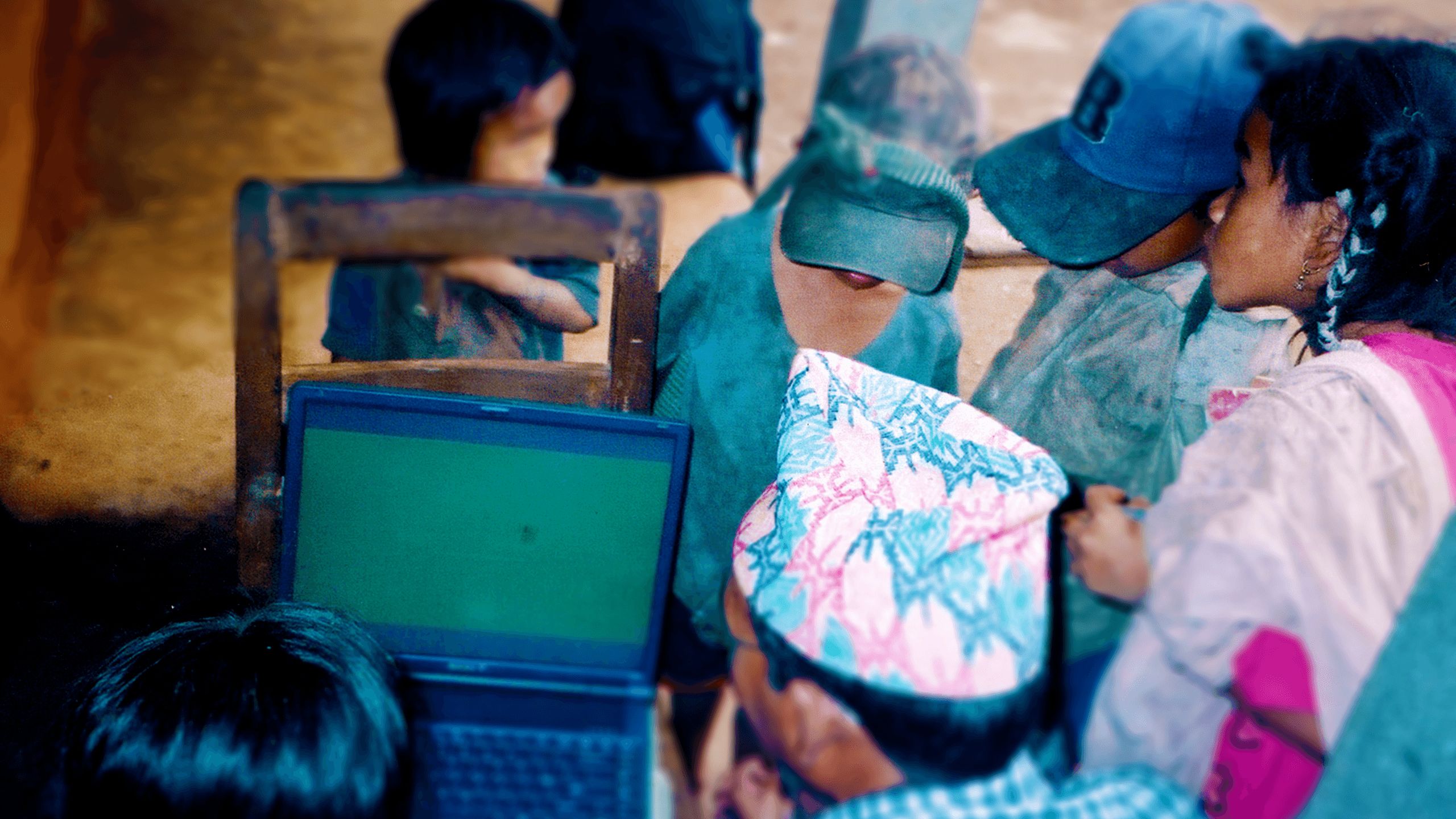

With the end of absolute monarchy and the beginning of multi-party democracy in 1990, Nepal saw substantial growth in the media landscape. Increasing number of commercial and political parties aligned media outlets began to appear including print, FM radio, television and online.
By 2003, Maoist aligned media had grown to one daily, called Janadisha, one website called Krishnasen Online and five radio stations covering all parts of Nepal.
“There was one weekly published from India as well – by the Nepali team who had gone underground after the state of emergency was declared by the King in 2001,” says Manarishi Dhital.
By mid-2004, Dhital and his colleagues started filming their stories, which lead to the birth of a cable TV in the Maoist controlled district of Dang, located in mid-western Nepal.
FACT OR FICTION?
Manarishi Dhital says it was tough to verify facts and acknowledges many mistakes were made during their reporting.
He gives an example of a news report from a national radio, which said dozens of rebel fighters were killed in government action in Achham district.
To counter that news and without verifying what happened, the Maoist news reports said, “The royal army’s attack on Achham district has led to the death of a dozen villagers.”
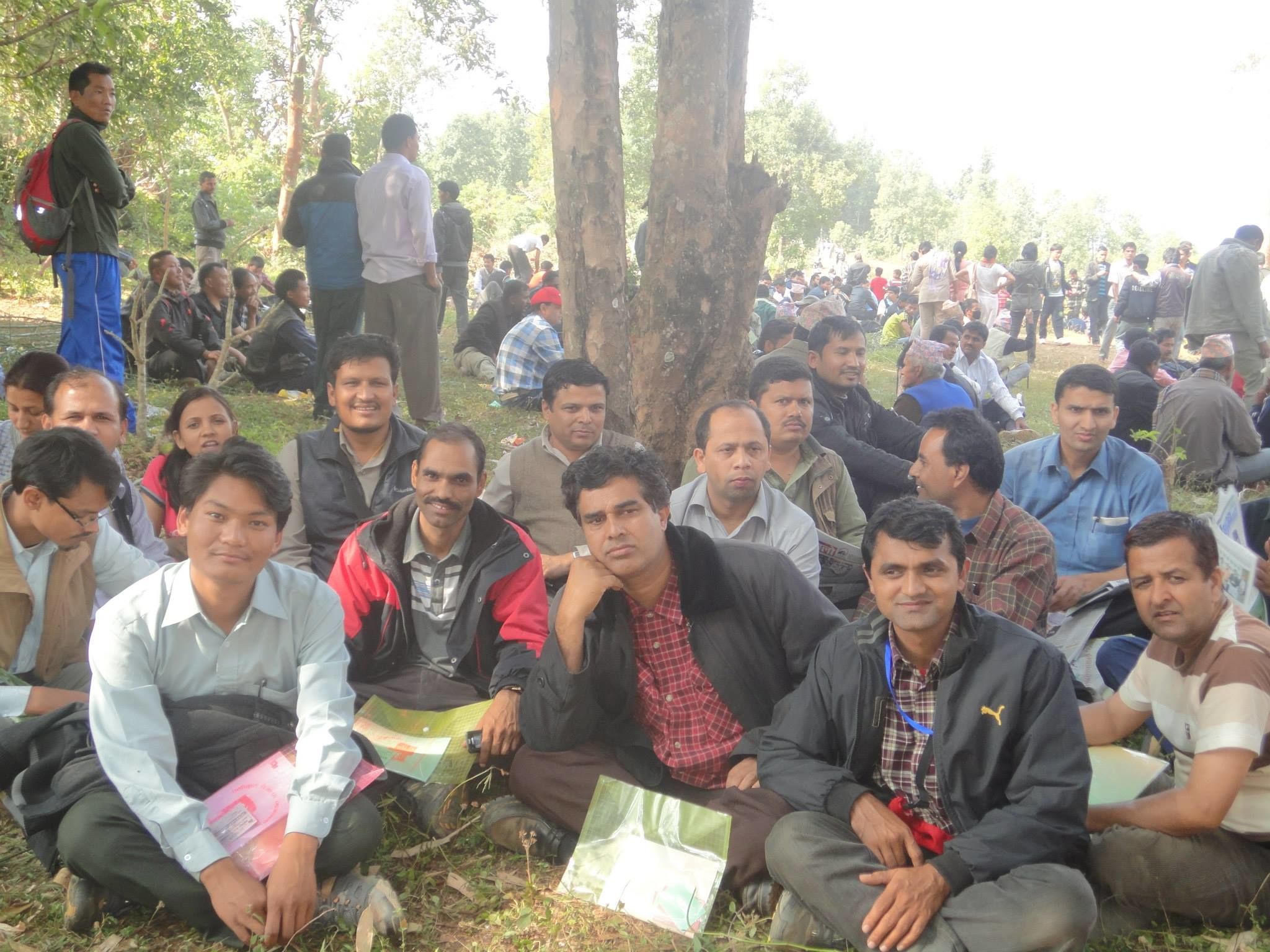
Dhital with a team of journalist in Paluntaar, Gorkha.
Dhital with a team of journalist in Paluntaar, Gorkha.
But a few weeks later when Dhital and his colleagues got to Achham, they found out there were no attacks and nor there had been any death in an attack.
Some gunfire was reported by locals, but there was no mention of any clashes.
“Then we realised the mistake that we were making,” he says.
“We were not thinking about whether the report was correct or not – we were just focused on publishing.”
He accused the government media of doing something similar. “They had a template of a story, and they just filled in the blanks.”
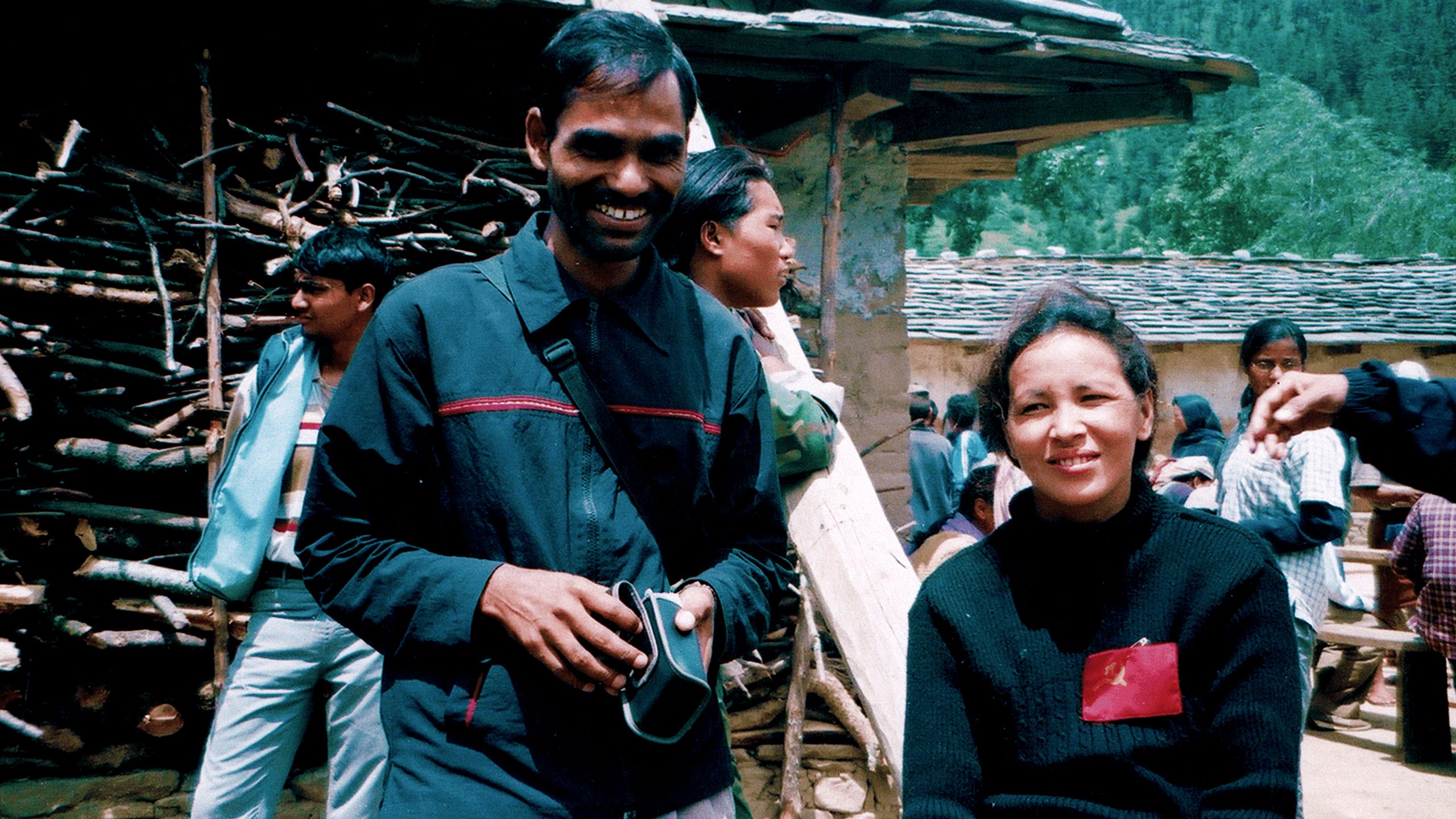
Dhital (L) with Gorkha District Jail breaker Uma Bhujel (R).
Dhital (L) with Gorkha District Jail breaker Uma Bhujel (R).
He remembers reporting someone’s death only to meet that person alive a few months later.
RADIO TAKES OVER PRINT
Publishing and distributing the Maoist aligned newspapers became increasingly difficult after Nepal’s King declared a state of emergency in 2001, Janadesh Weekly’s chief editor was killed and journalists like Manarishi Dhital were arrested.
Dhital says journalists were forced to carry paper supplies and lithographic printing machines to print “on the go” in forests, mountain tops or remote villages.
The remoteness of the Maoist dominated areas and the low literacy levels among the ordinary villagers made the job of garnering support for the Maoist cause even harder.
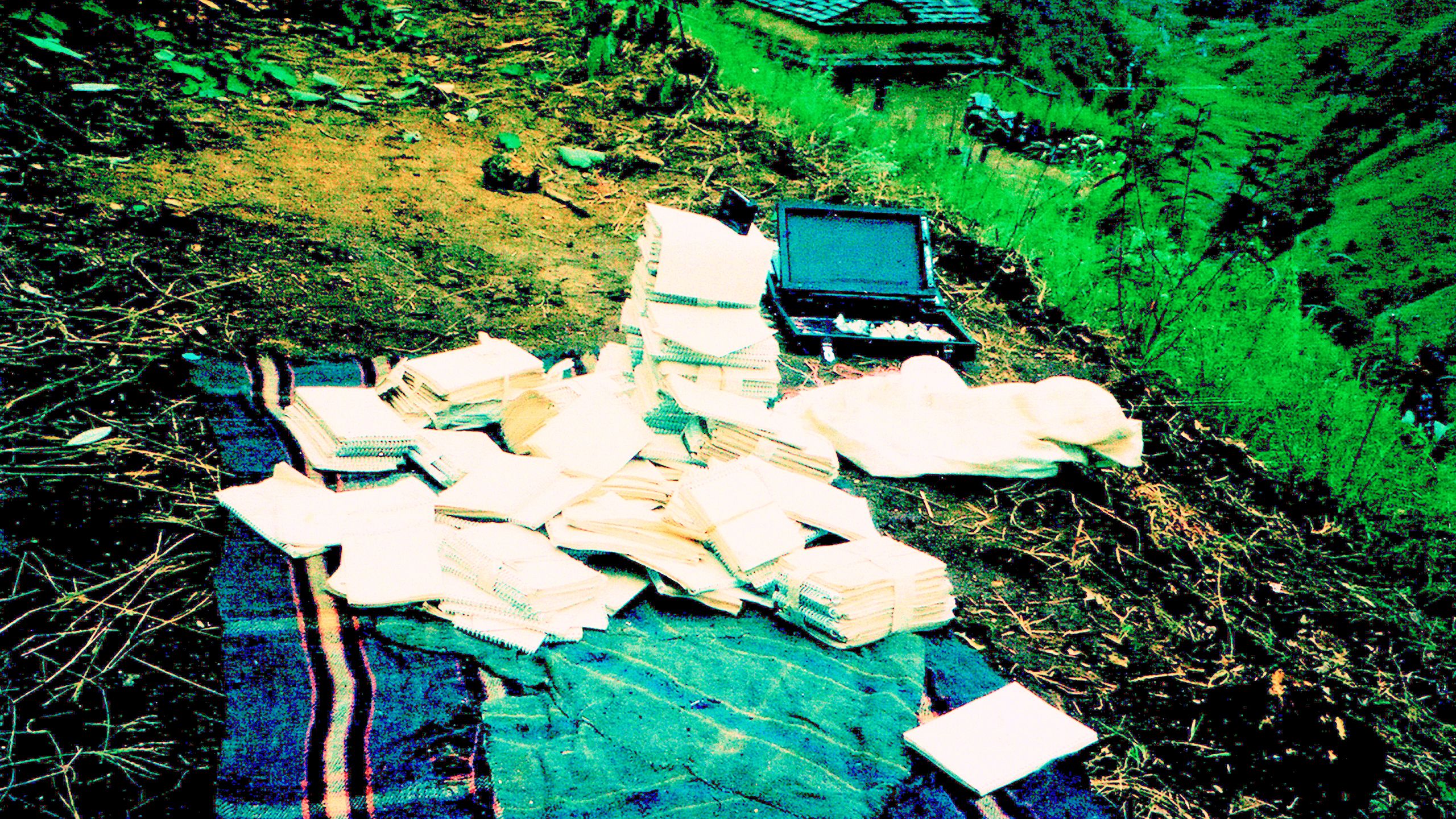
The remoteness of the Maoist dominated areas and the literacy level among the ordinary people they were trying to gain support from was not on their side either.
In 2001, Nepal’s national literacy rate was at 54.1%, with the literacy rate in the capital Kathmandu above 70%. This was in stark contrast to the Maoist heartland of Humla, which had the lowest literacy rate at 27.1%.

Loading...
With the high number of FM radio stations broadcasting across the country, Maoist leader Prachanda knew FM stations were effective in reaching a high number of people.
He decided to set up “roaming radio studios” in five areas across the country including studios to cover the capital Kathmandu and the Maoist heartland of Rolpa and Rukum.
On November 7, 2003, Maoist chairman Prachanda inaugurated their first radio channel called “Radio Janaganatantra” which translates to “Radio People’s Republic.”
However, to avoid jamming by the government, the Maoists went mobile, carrying radio transmitters on their backs and resorting even to camouflaging radio antennas in the treetops.
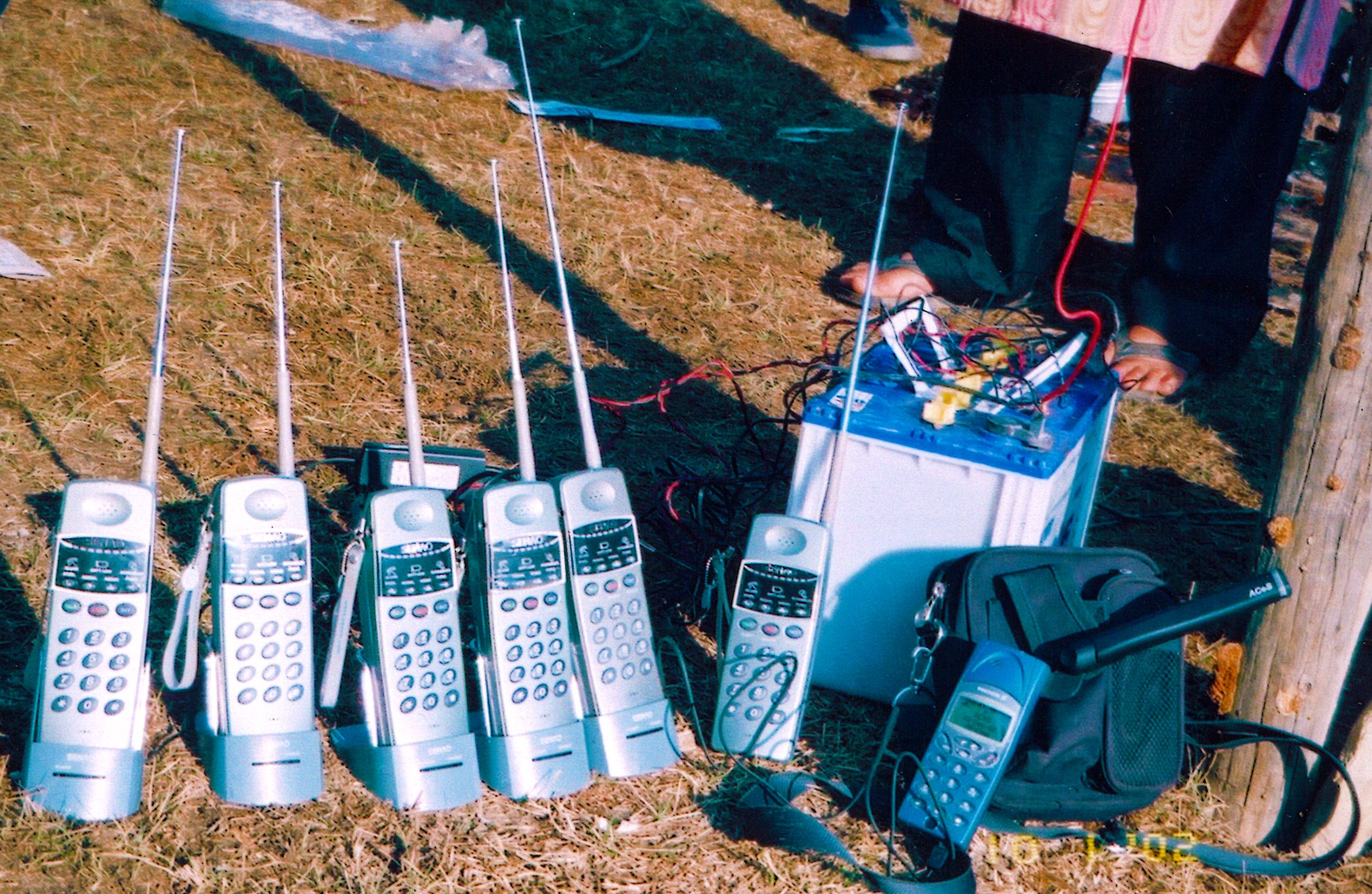
“We used everything from intercom devices to satellite phones to broadcast live news reports over the radio,” says Manarishi Dhital.
BROADCASTING
THE WAR
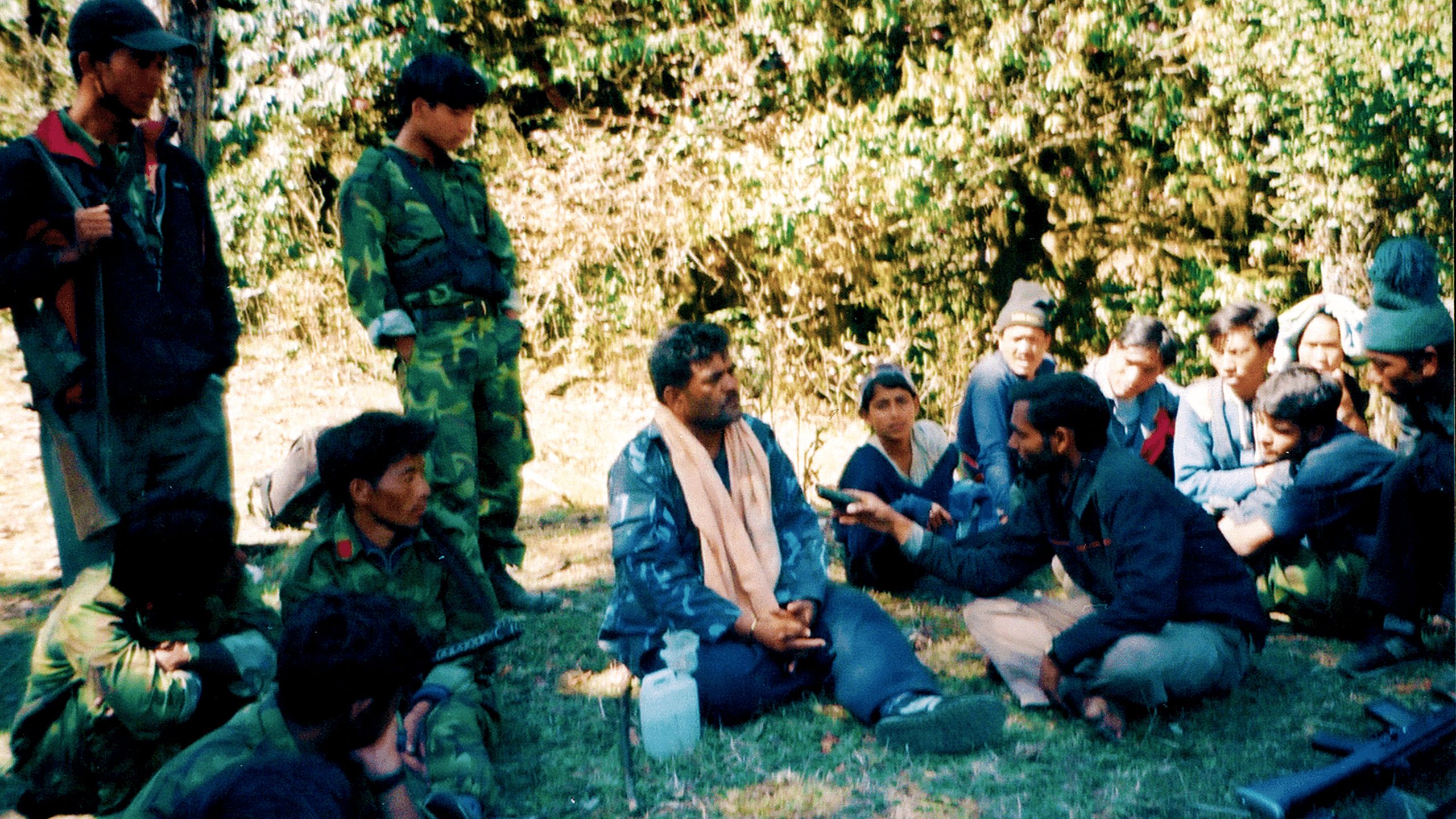

“We were given intercom sets, and through those sets, we broadcast what was happening live on air,” says Manarishi Dhital.
The death toll from the attack varied on who was reporting the story. Dhital reported the death toll as “77 on the Maoist side and 150 on the government side.” But the reports from the government said 31 members of the security forces, dozen civilians and “hundreds of Maoist fighters were killed.”
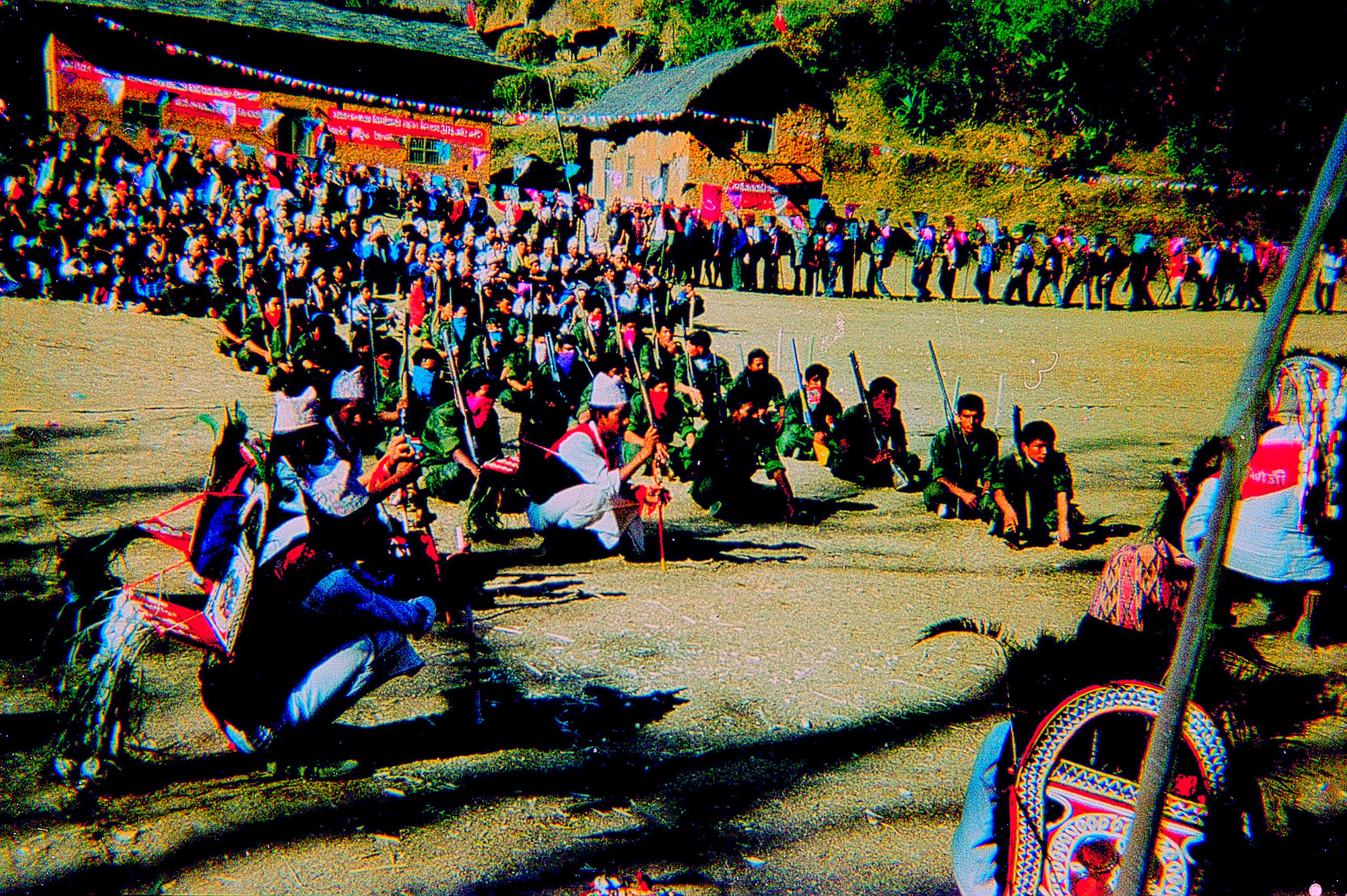
“Going to the battle frontlines alongside Maoist fighters, living together with them in communes as families and seeing some of them dying did change our reporting in favour of the Maoists,” says Dhital.
While returning from Beni conflict, they came under fire from a military helicopter.
“Three people were carrying one injured fighter, who were all killed right in front of me after the military attack.”
“A bomb exploded near me, and I was unconscious for few minutes. When I regained consciousness, I could see many dead bodies near me,” he told SBS Nepali.
“After seeing such incidents, no matter how much you tried to remain neutral, there were many instances when support for the Maoists came naturally in our work.”
Despite being a supporter of the revolution, Dhital said he always remembered what he had studied about the Geneva Convention and about the protection of rights for people who were captured.
He said they used to tell the rebel fighters about the Convention and would urge them to treat the captured members of the government forces and officials well.
“They should be kept safe and should be allowed to speak.”
HIJACKING NATIONAL TV BROADCAST
In 2006, after deciding video footage could be an essential source of information, Dhital started training people to produce video content as well.
“No one knew how to use the video camera properly, but once we got the camera, we learnt as we filmed our documentaries and reports,” says Dhital.
Their first test TV broadcast was in April 2006.
Dhital and his team produced the news reports with using short videos, texts and voice over.
They then took the video to the cable TV broadcast centre where, surrounded by Maoist fighters, the technicians broadcast the Maoist news bulletin instead of state broadcaster Nepal Television’s 8pm news.
“This was a major propaganda coup,” says Dhital because locals would think the Maoist have taken over the main broadcaster – which was not the case.
At the same time, under Dhital’s order, local Maoist guerrillas had stopped a senior politician from a major party, who was on his way to the city. Dhital interviewed the politician on camera, and the interview was broadcast as news.
The result of that broadcast was that people joined the pro-democracy protests against the then king of Nepal, says Dhital.
“But it was the Maoist attack on the nearby municipality of Tansen on 1 February 2006, that really gave us a symbolic victory against the king,” he says.
That’s when he also got the chance to film from the frontline.
With a camera in hand, Dhital videoed Maoist fighters during their midnight attack on Tansen, a municipality in Palpa District in western Nepal.
REWRITING NEPAL’S HISTORY
“Our motivation, with our journalism, was to rewrite history. We were recording history, we wrote the stories, we recorded audio, we filmed,” says Dhital.
“Our experiences today will become tomorrow’s history – that was our motivation.”
By 2006, demands for a new constitution had become mainstream throughout Nepal.
“It was not just revolutionary journalists like us but the mainstream media which was also following the constitutional reform agenda,” he says.
“When we realised, our agenda had become the national agenda, we were vindicated, and we felt we were truly creating history.”
However, journalist Kunda Dixit is sceptical of such claims. Dixit is the editor of Nepali Times, one of the leading English weekly in Nepal.
According to Dixit, however, the Maoist were successful to some extent, “but not because of the journalists so much, but because they promised to liberate people from oppression.”
He says the Maoist journalists may have “partly” helped rewrite Nepal’s history but says they take too much credit for it. Dixit says he will never forget the atrocities on carried out by the Maoists against Nepal’s press.
“Every political protest in the country has had direct input through the media,” says Manarishi Dhital.
“When we were reporting – instead of thinking of our own benefit – our focus was always on the changes that needed to take place in the country. It was our duty to dedicate ourselves to the cause,” Dhital told SBS Nepali.
“And after seeing our editors killed, our thinking was, even if we have to die, we will not stop writing.”
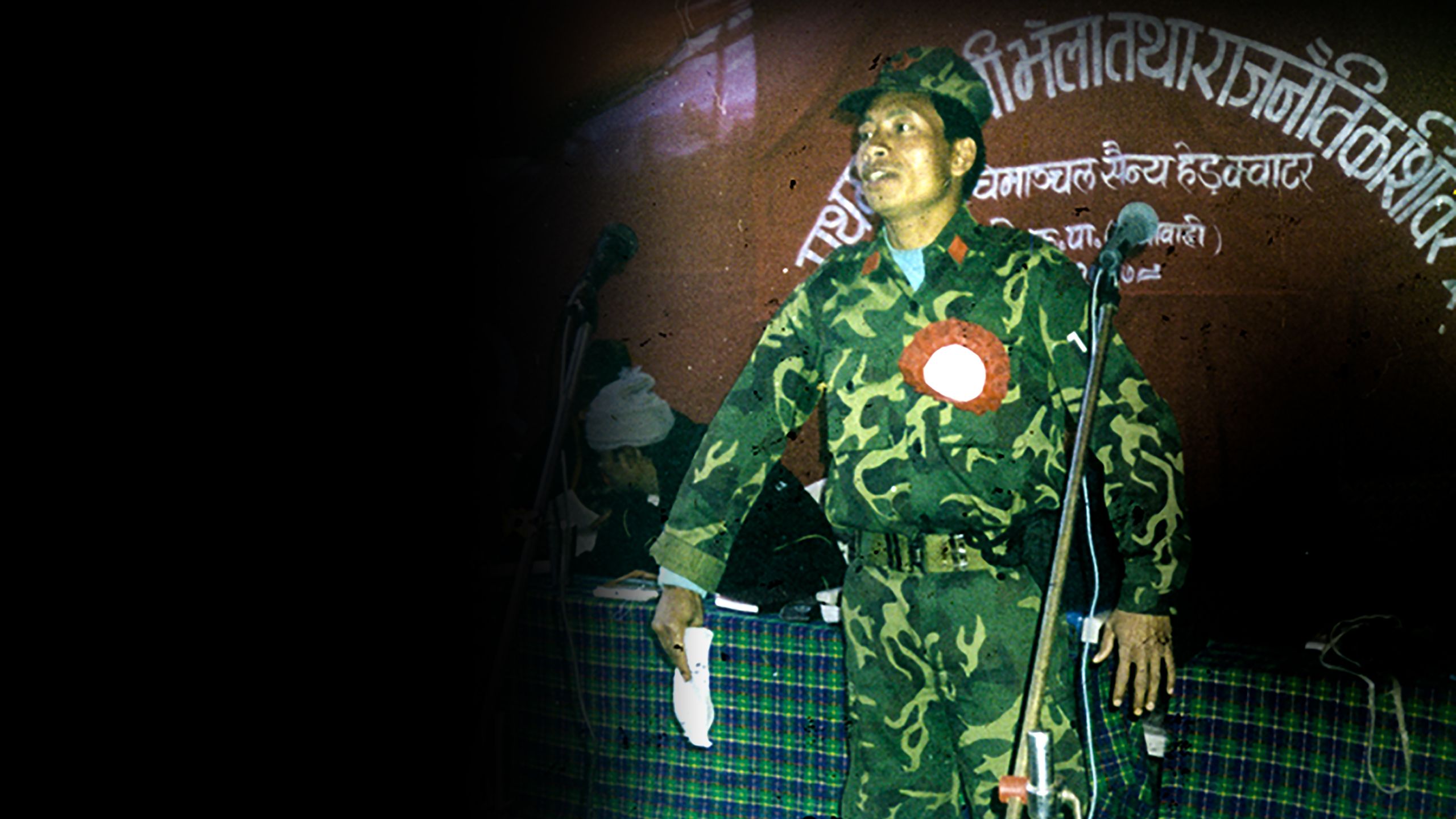
On 20 March 2004, Maoists carried out one of their most significant attacks yet on the town called Beni, headquarters of Myagdi district, a well-known location for tourists.
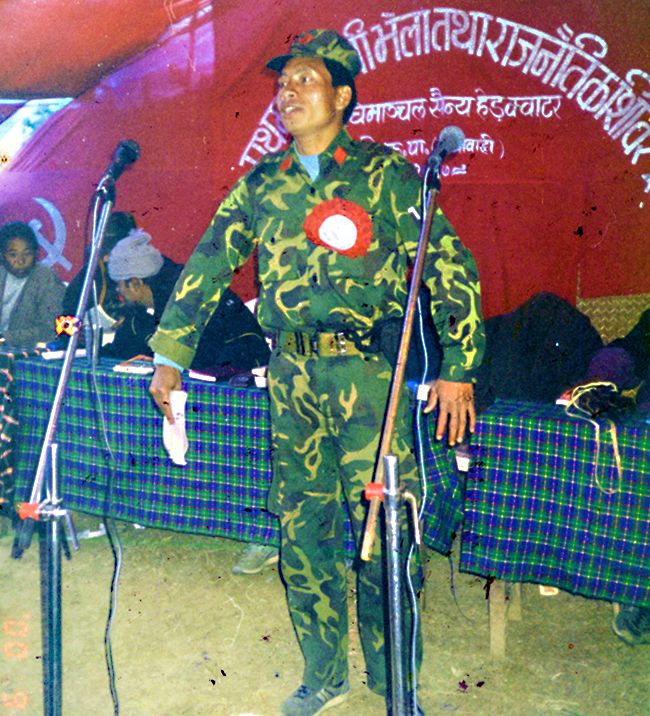
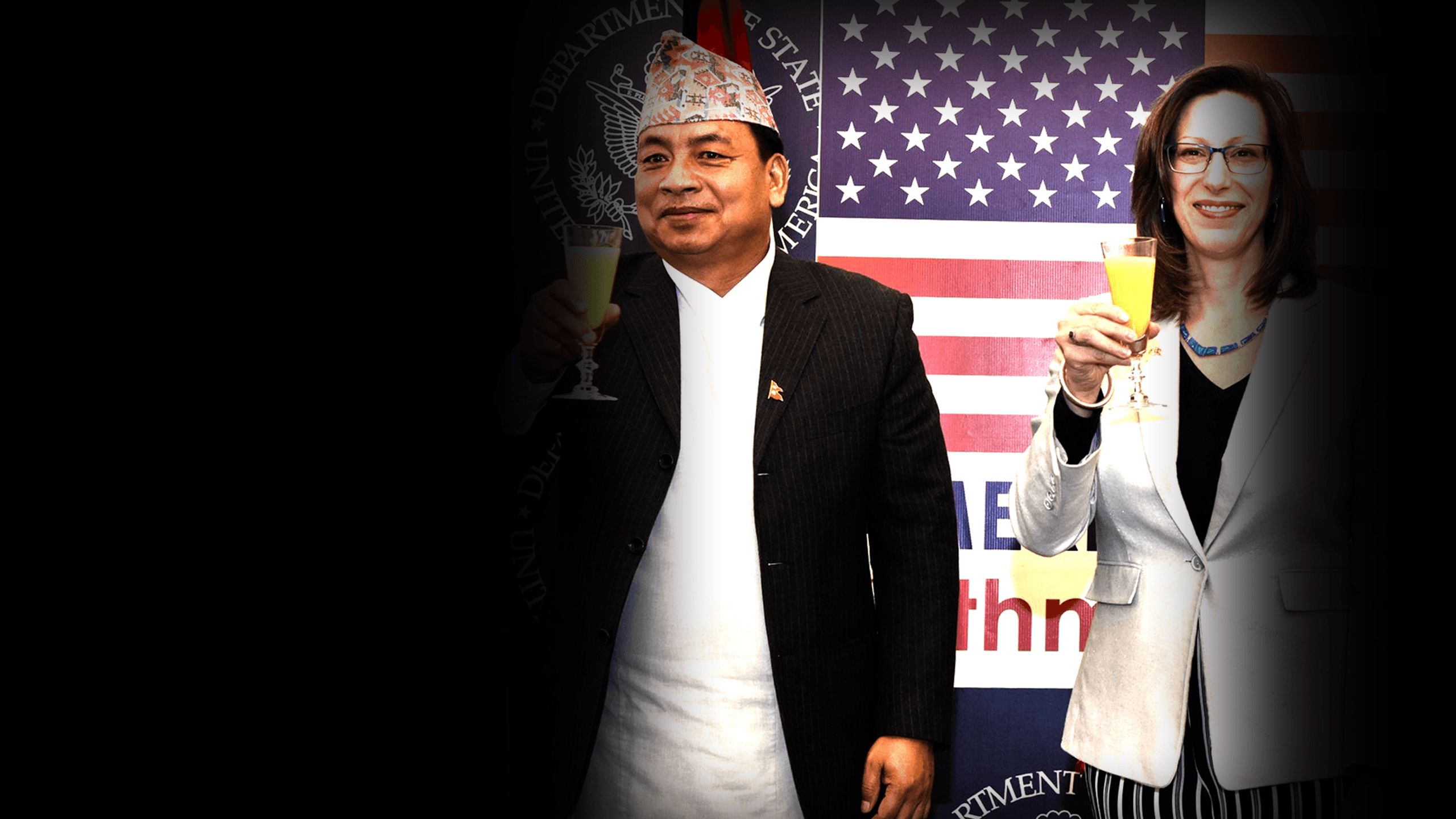
Thousands of Maoist fighters are said to have taken part in the attack targeting bases used by the government army and the police. That attack was led by Nanda Bahadur Pun, who was then the Maoist military commander in charge. Pun is now the Vice President of Nepal.
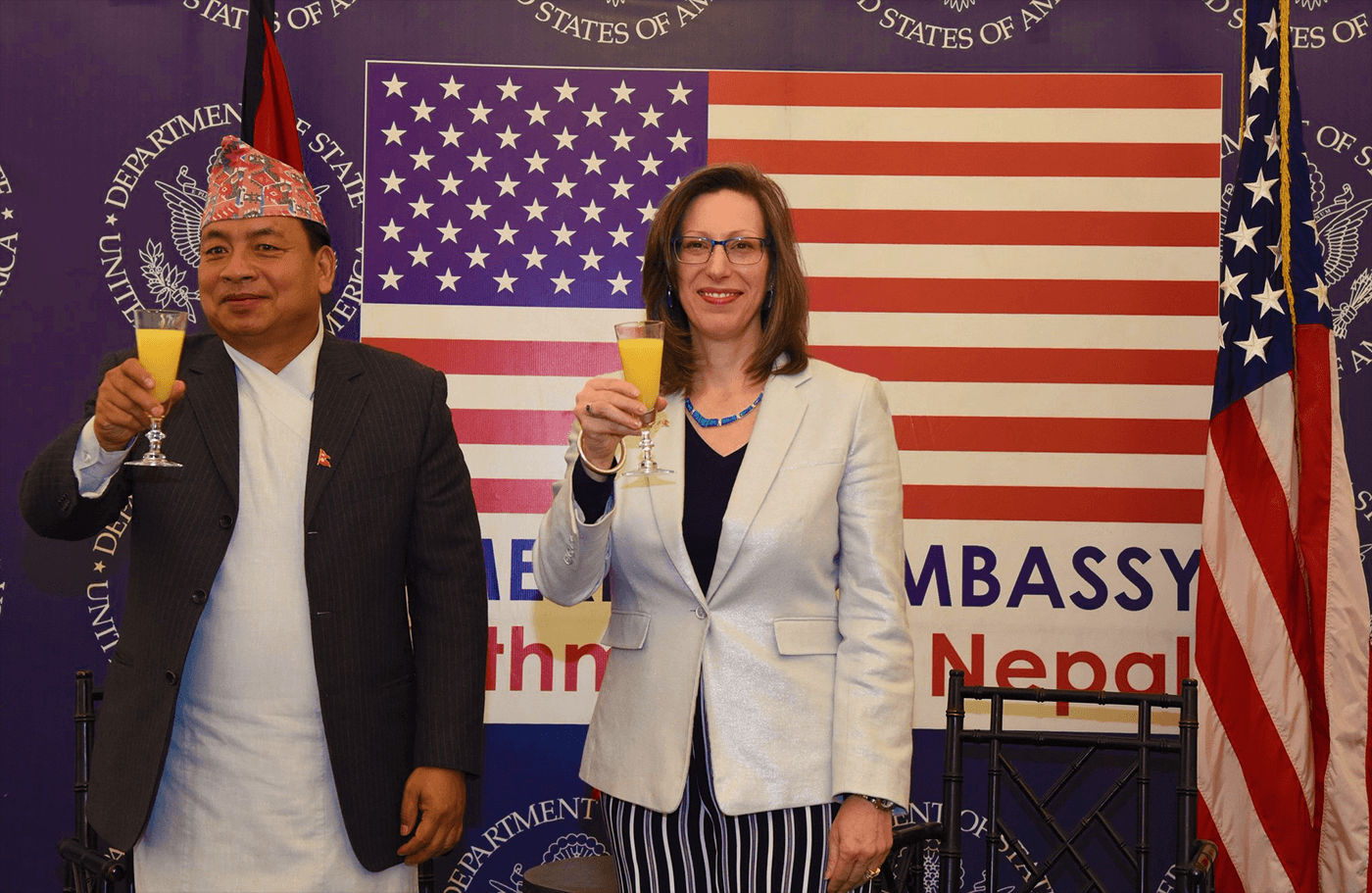
Vice President of Nepal, Nanda Bahadur Pun (L) with the then US Ambassador to Nepal Alaina B Teplitz (R) at a function organised by the US Embassy in Kathmandu, Nepal. TWITTER/USAmbNepal
Vice President of Nepal, Nanda Bahadur Pun (L) with the then US Ambassador to Nepal Alaina B Teplitz (R) at a function organised by the US Embassy in Kathmandu, Nepal. TWITTER/USAmbNepal
Mr Pun, also known by his Nom De Guerre Pasang, had been the military commander of the Maoist army until 2012. The ten-year-long conflict between the Communist fighters and Nepal government forces left more than 13,000 people dead. More than 1,300 are still missing.
During the conflict that started in 1996, the Maoists were accusing the United States of being “imperialists” and intervening in the conflict by supporting the Nepali government. In return, in 2003, the US State Department listed the Maoists as a terrorist organization – a label that remained until 2012 when the US government stated, ‘the Maoists were no longer engaged in terrorist activity that threatened American citizens or its foreign policy’.
AWAITING
JUSTICE

In 2006 after Nepal’s King reinstated parliament, it voted to remove the King’s power. The same year, the Maoists and the government signed a “Comprehensive Peace Agreement”, which brought the decade-long conflict to an official end.
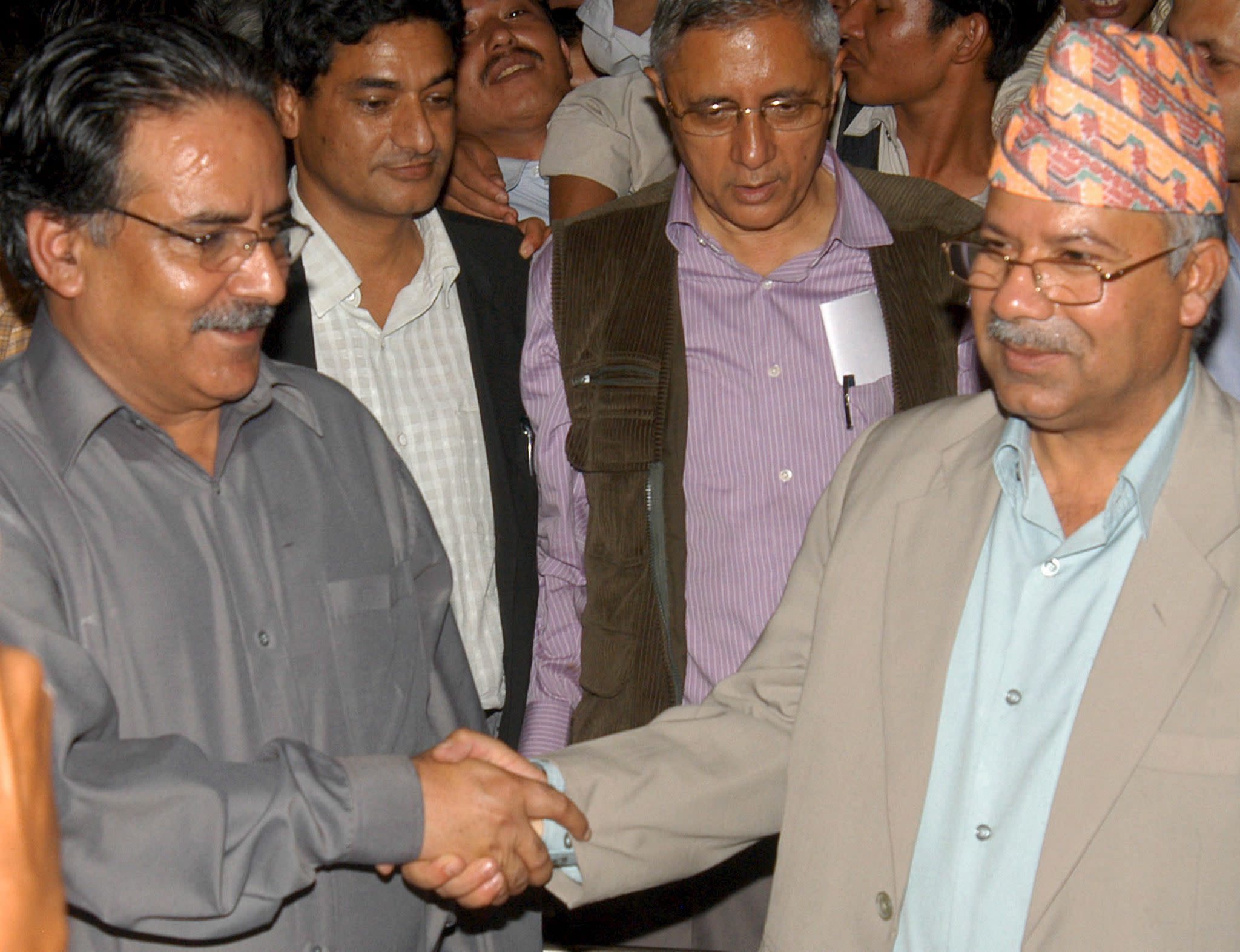
Maoist rebel chief Prachanda (L) shakes hand with Madhav Nepal (R), senior leader of the sevenparties alliance after peace talks with Prime Minister Girija Prasad Koirala on Friday. 16 June2006. AAP/EPA/NARENDRASHRESTHA
Maoist rebel chief Prachanda (L) shakes hand with Madhav Nepal (R), senior leader of the sevenparties alliance after peace talks with Prime Minister Girija Prasad Koirala on Friday. 16 June2006. AAP/EPA/NARENDRASHRESTHA
In January 2007, the Maoists joined the multiparty parliament which approved the abolition the country's monarchy.
In the following year’s general election for the Constituent Assembly, the Maoists placed first, winning 220 seats out of 575 elected seats and become the largest party.
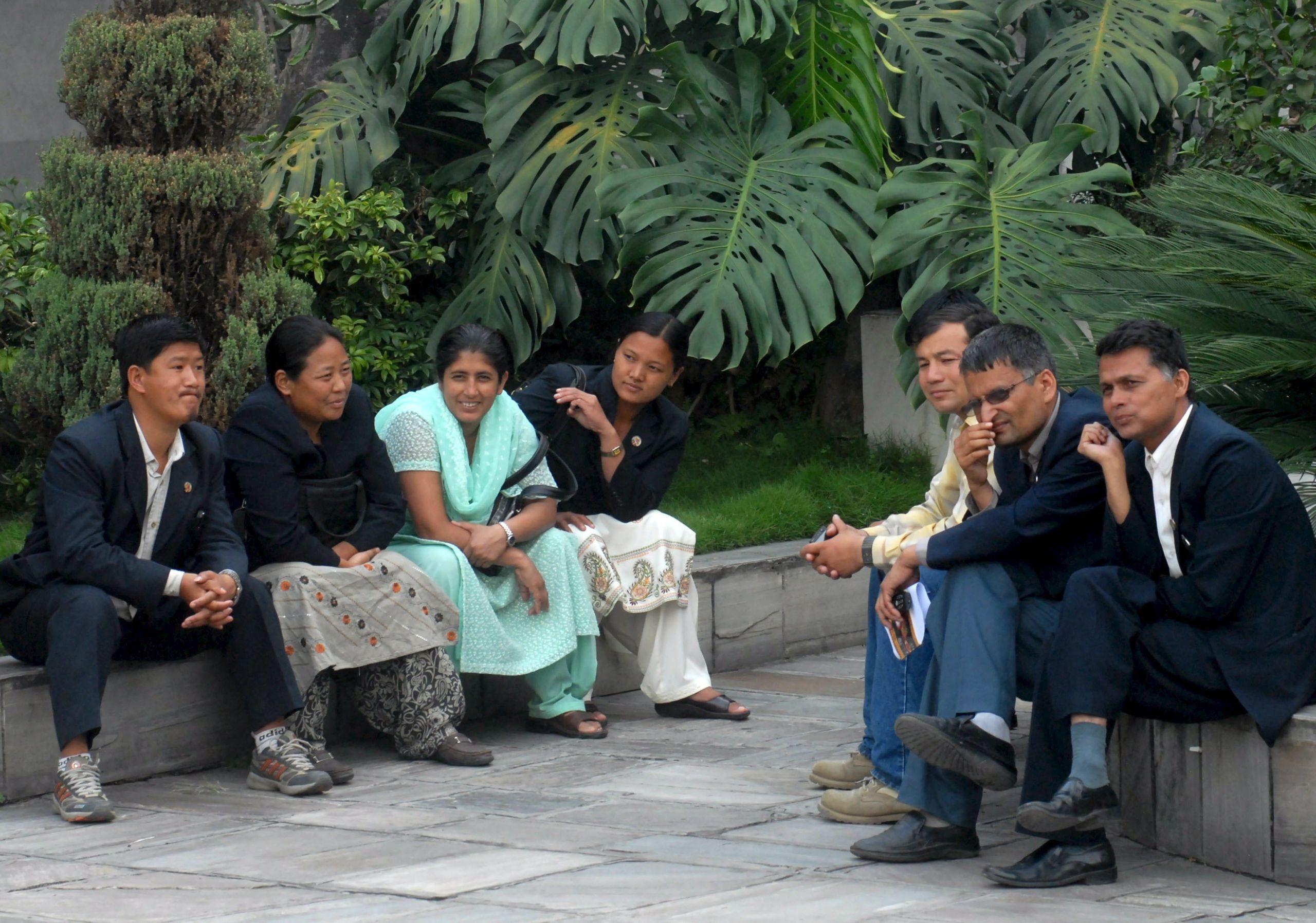
Nepalese Maoist's Constitute Assembly members gather while talking at the Parliament premises before the session start in Kathmandu, Nepal. 21 May 2009. AAP/EPA/NARENDRA SHRESTHA
Nepalese Maoist's Constitute Assembly members gather while talking at the Parliament premises before the session start in Kathmandu, Nepal. 21 May 2009. AAP/EPA/NARENDRA SHRESTHA
More than 12 years later, many of Dhital’s former colleagues are still missing, and the party once known as the Communist Party of Nepal (Maoist) has now merged with United Marxist Leninist branch of the Communist party to form a single entity known as the “Nepal Communist Party.”
Despite Nepal now being a new constitution republic, Manarishi Dhital says he is still waiting for justice for his missing colleagues.
“It is really very sad because we supported the people’s war and we now have a republic thanks to our efforts.”
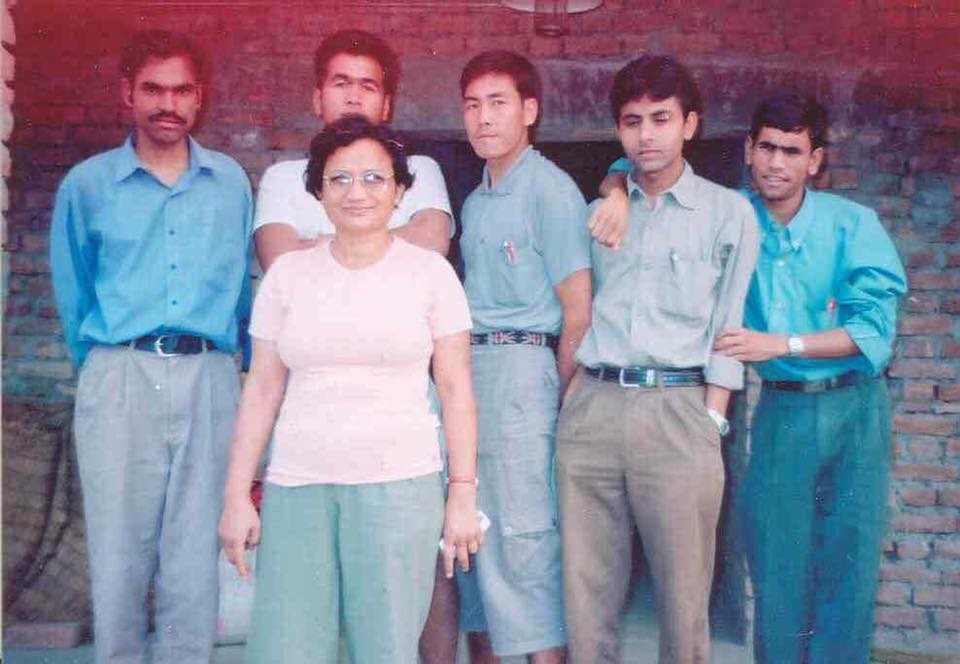
The story of Janadesh weekly’s editor Krishna Sen still bothers Dhital, who says he was hoping for both justice and closure for Sen and the others kidnapped and killed such as non-Maoist journalists Dekendra Thapa.
“Another one of our colleague JP Joshi, we do not know what happened to him.”
There had been an internal report from Nepal’s journalist federation which suggested the Maoists themselves may have been involved in that disappearance. Joshi may have disagreed with the Maoist leadership and that may have led to his disappearance, explains Dhital.
“It’s also very important to talk about the killings of non-Maoist journalists like Dekendra Thapa and provide them justice too,” he says.
He questions why the rights abuses that were carried out during the conflict still haven’t been resolved, despite Maoist leaders leading successive governments.
“But with all the support we provided, the Maoist leaders now who are in government – they are not doing anything to hold those people to account who killed Maoist aligned journalists.”
“They don’t want to. They’re not supporting the truth and reconciliation commission to do their work properly.”
“Justice for those days is history and maybe they think they’re ruling for the future. This will always be questioned in history.”
Although the Maoist party, in name at least, has itself become history, Dhital says he has no regrets about his role in the conflict.
“All I can think about is that I was able to save history and share the good and bad side of the conflict.”
Manarishi Dhital