
Researchers in the NT and Queensland will explore how bush medicinal plants can be turned into important biological, cultural and economic resources.
Researchers in the NT and Queensland have just secured funding for a unique research and commercial project seeking to explore how traditional Australian medicinal plants can be turned into important biological, cultural and economic resources.
Project participants believe Australia's unique plants offer a rich but underdeveloped source of medicinal plants. They are now seeking to explore these plants' potential with the guidance of traditional custodians of the land.
One native plant considered in the project is the Kakadu plum. It is internationally recognized as Australia's native super food recording the highest levels of vitamin C of any fruit in the world, measuring up to 100 times the Vitamin C content found in an orange.
The Kakadu plum has been a traditional source of bush tucker, antiseptic, and has been used for medicinal purposes by the Indigenous people across Arnhem Land for thousands of years.
Using modern testing techniques, researchers will be able to tap into knowledge of bush medicine developed over thousands of years in Australia.
The strudy brings together the Menzies School of Health Research, Traditional Homeland Enterprises (T.H.E.), Integria Healthcare, The University of Queensland as well as Traditional Owners in the Top End.
Dr Greg Leach, Menzies Honorary Fellow and Project Lead said, “researchers want to look at how these native plants are used, how they might interact with western medicine, how effective they are and how safe they are.”
The ultimate goal of the project is the development of sustainable Indigenous-led agribusinesses.
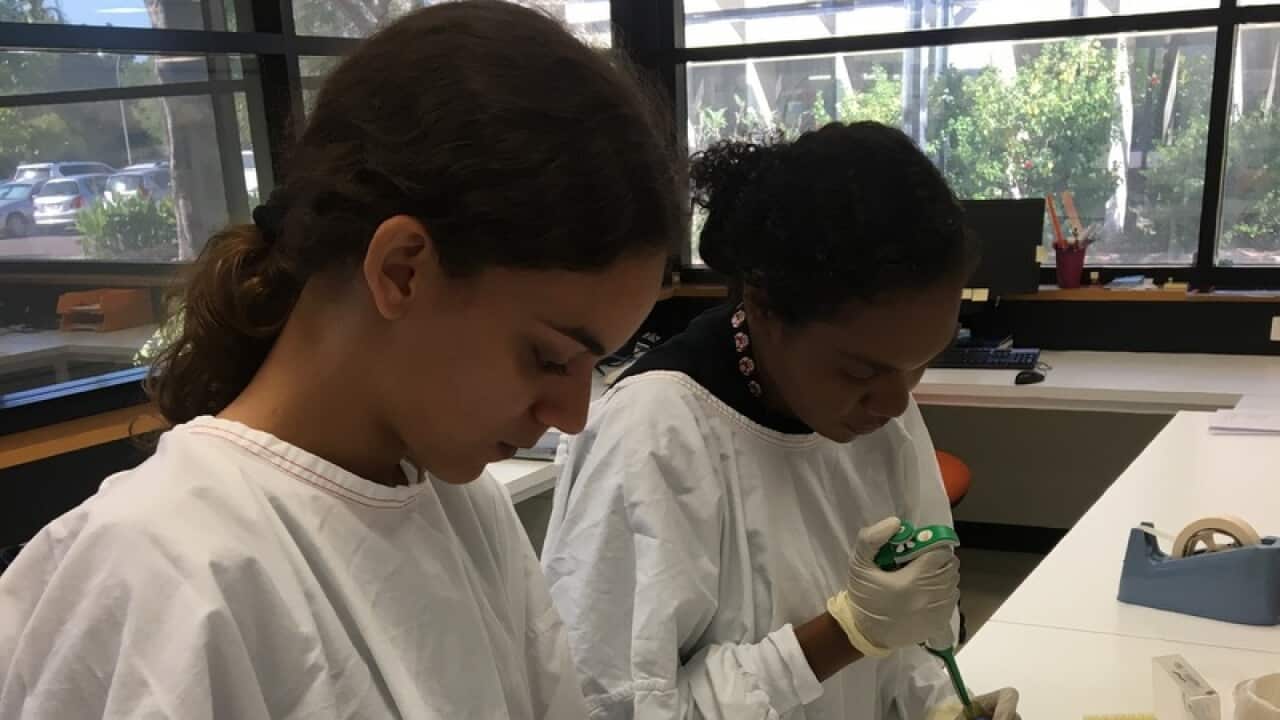
The pilot phase of the project includes opportunities for young Indigenous scientists, with two Indigenous trainees already working at the Menzies laboratories.
“In addition to laboratory work, there are opportunities to explore and preserve Indigenous knowledge of traditional medicinal plants and their use,” Dr Greg Leach said.
Indigenous post-graduate scientists are also invited to look into this project for further studies or employment opportunities.