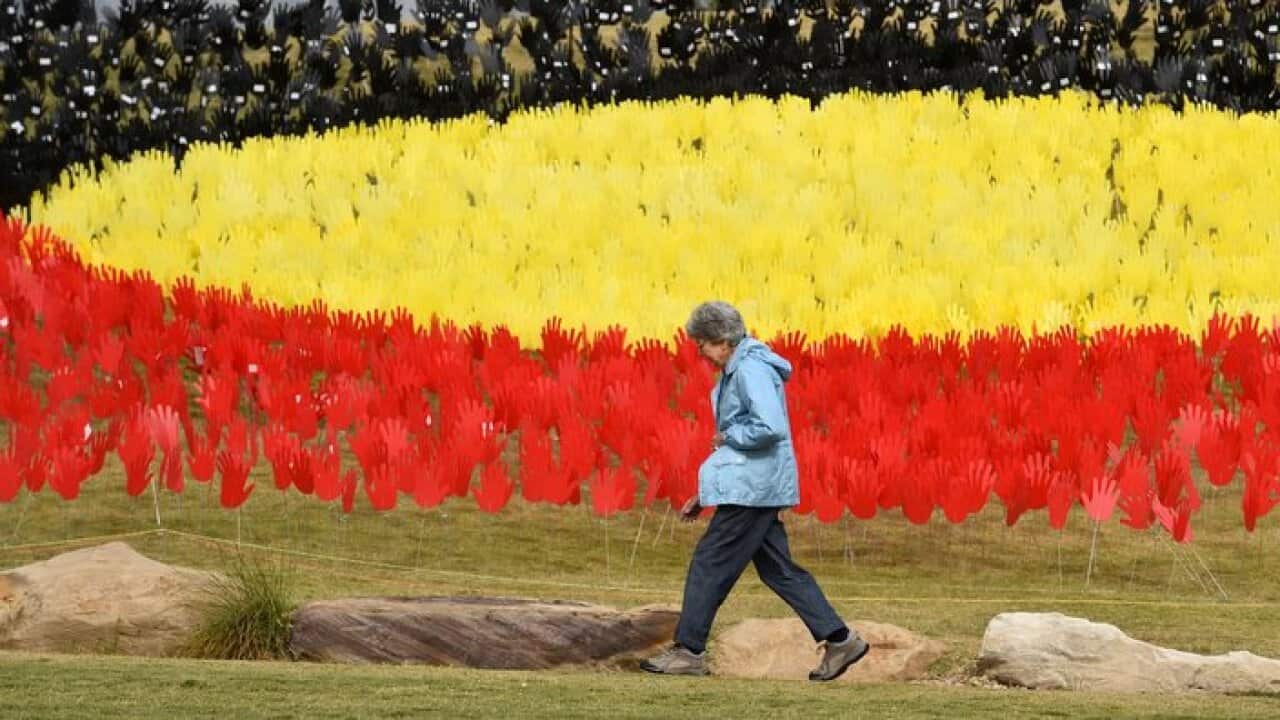

National Reconciliation Week is a time to celebrate and build respect between Aboriginal and Torres Strait Islander people and other Australians. It also marks significant dates in the history of Indigenous Australians: the 1967 referendum and 1992 Mabo decision. This year's theme is 'Let's take the next steps' which for some means constitutional recognition.
For 60,000 years, the Aboriginal and Torres Strait Islander people have called Australia home.
When Captain James Cook first landed at Botany Bay in 1770, he declared the land he saw 'terra nullius', meaning 'no one's land'.
This set the foundation of European settlement based on British law.
What was regarded as "colonisation" from the British perspective was often seen as "invasion" by the First Peoples of Australia.
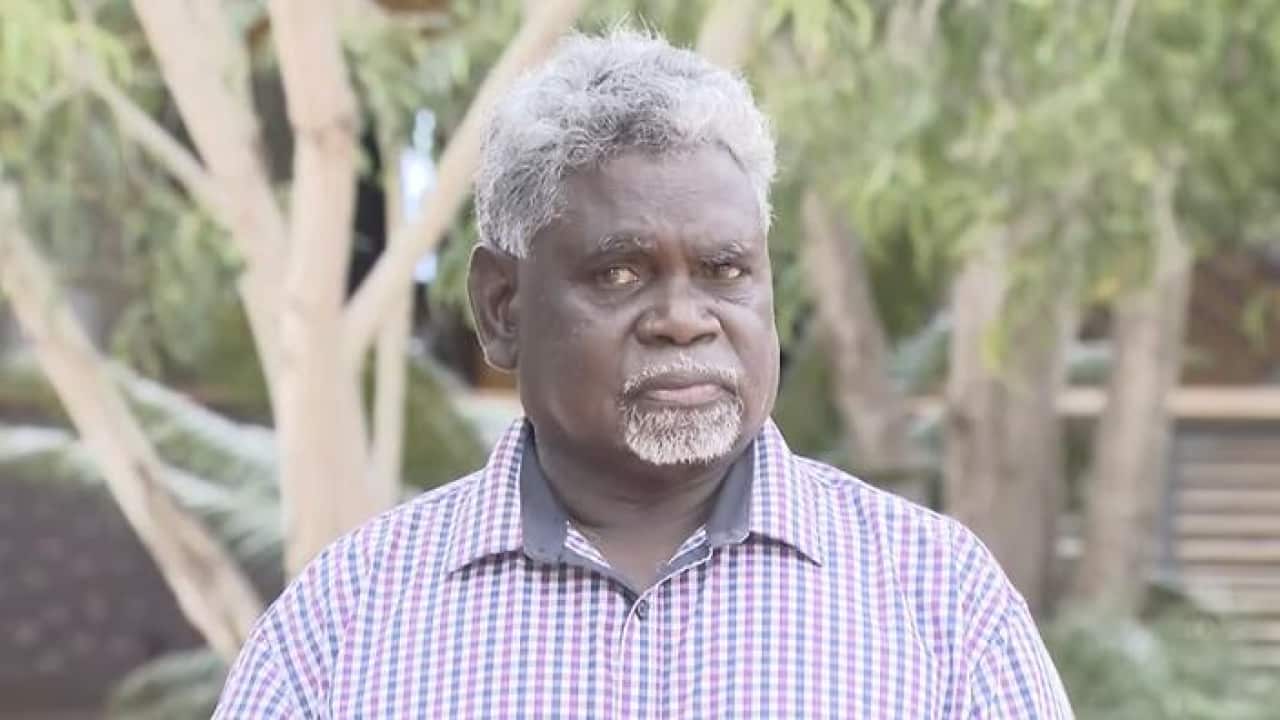
Patrick Dodson wears many hats as an Aboriginal leader. The Banaga man was Australia's first Aboriginal catholic priest.
He is often called the "father of reconciliation" with a long tenure as chair of Council for Aboriginal Reconciliation and now a senator in parliament.
But in actual fact, he lived a very different life before the 1967 referendum took place.
It was a time when state laws determined where Aboriginal and Torres Strait Islander people could live, where they could travel to, whom they could marry, or whether they could be legal guardians of their children.
#WALK WITH US http://www.sbs.com.au/topics/walk-with-us