
“It is great that more than half of Aboriginal and Torres Strait Islander Kids are fully engaged in work and study but we are not going to rest on our laurels. We have to ensure that our people engage in studies and jobs that grow community."
The latest ABS (Australian Bureau of Statistics) report drawing from the 2016 census shows a positive trend in terms of Indigenous socioeconomic outcomes.
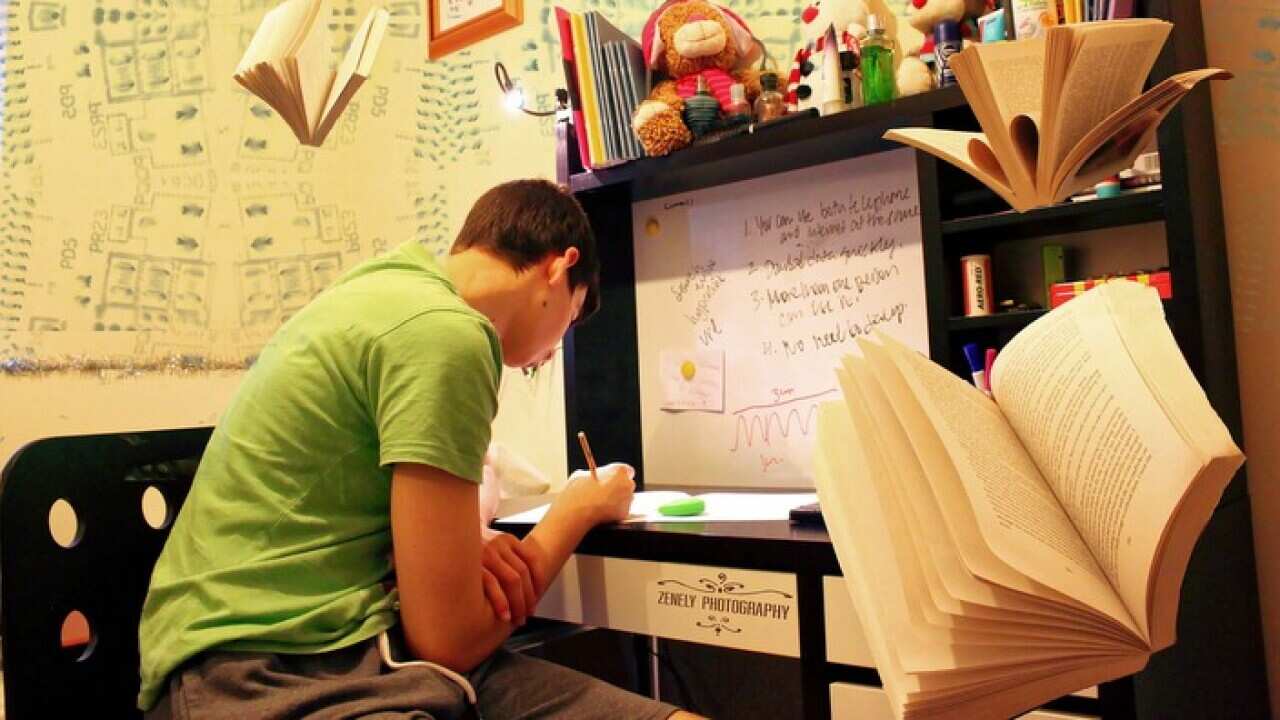
The report reveals that more than half Aboriginal and Torres Strait Islander young people aged 15 to 24 years are fully participating in either education or work which id up from 46 per cent in 2006.
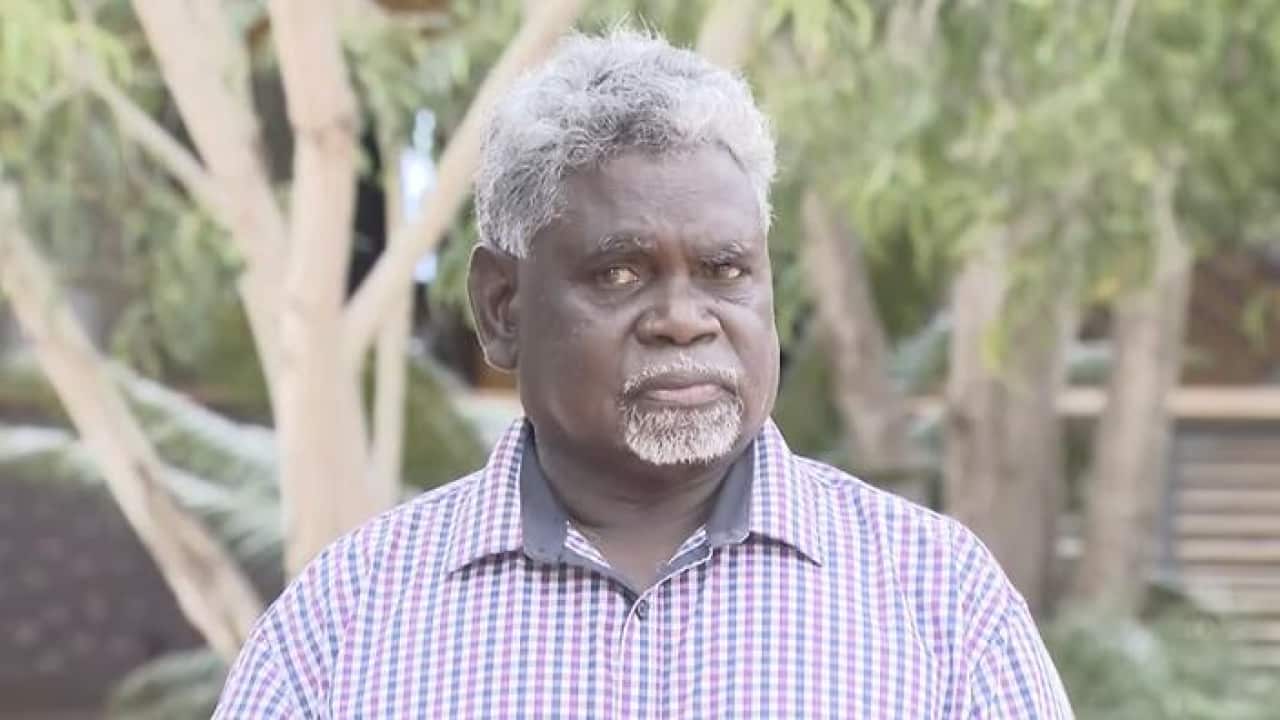
Executive Director of Indigenous Studies and Strategy at Latrobe University Professor Mark Rose welcomes these developments arguing that they are an early indicator of things that are improving but the numbers need to be examined closely.
“It is great that more than half of Aboriginal and Torres Strait Islander Kids are fully engaged in work and study but we are not going to rest on our laurels. We have to ensure that our people engage in studies and jobs that grow community.'
"Since 1967 when we were counted federally we have seen developments but we started from a very low base”
Professor Rose says that 15 years ago there were only 15 Aboriginal and Torres Strait Islander kids enrolled in year-twelve in Victoria compared to 500 last year.
'While there are 500 kids finishing year 12, how many will end up in a University position? And for those who do, how many of them will be in subjects such as STEM (Science Technology and Mathematics), subjects that truly contribute to capacity building of the community?'
When it comes to seeing the changes in the figures it is important not only to dig below the surface of the ABS numbers but it is also important to put them in a historical perspective and learn what exactly is taking place.
professor Rose says 'Many of our people could not got to school beyond year 8 up until the 1960’s and that meant that it is another couple of decades before our people were able to get into universities, and we have never had the commercial or corporate base that we needed. So, since 1967 when we were counted federally we have seen developments but we started from a very low base.'
"So, since 1967 when we were counted federally we have seen developments but we started from a very low base.'
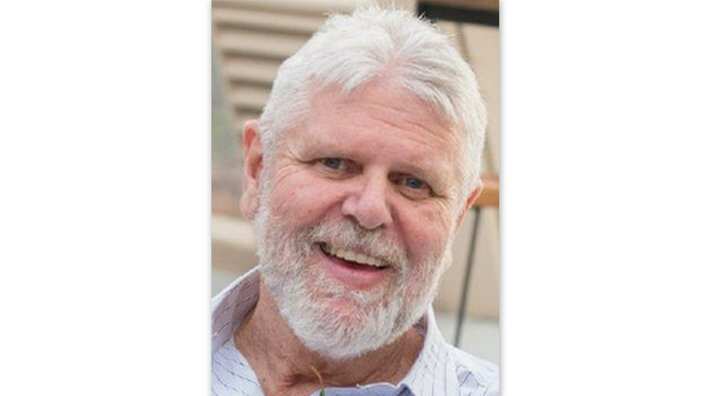
Professor Mark Rose says the ongoing negative implications of the Stolen Generations as well as other harmful policies on Indigenous socioeconomic outcomes saw many Aboriginal and Torres Strait Islander people not going to school beyond year eight up until the 1960’s and that meant that it was another couple of decades before our people were able to get into universities.
"We have never had the commercial or corporate base that we needed. So since 1967 when we were counted federally we have seen developments but we started from a very low base,' Professor Rose says.
The growth of the Indigenous population by 18% between the 2011 and 2016 censuses is also situated in its historical context.
Professor Rose spoke on how the demographic statistics were previously skewed as a direct result of past policies of the Stolen Generations and the forced migration whereby families were moved and their records were not kept.
'Everyday more and more people are discovering their Aboriginal lineage.'