
"The Aboriginal collection at the Vatican Museum is one of the most important outside Australia and it is the most visited at the Vatican Museum."
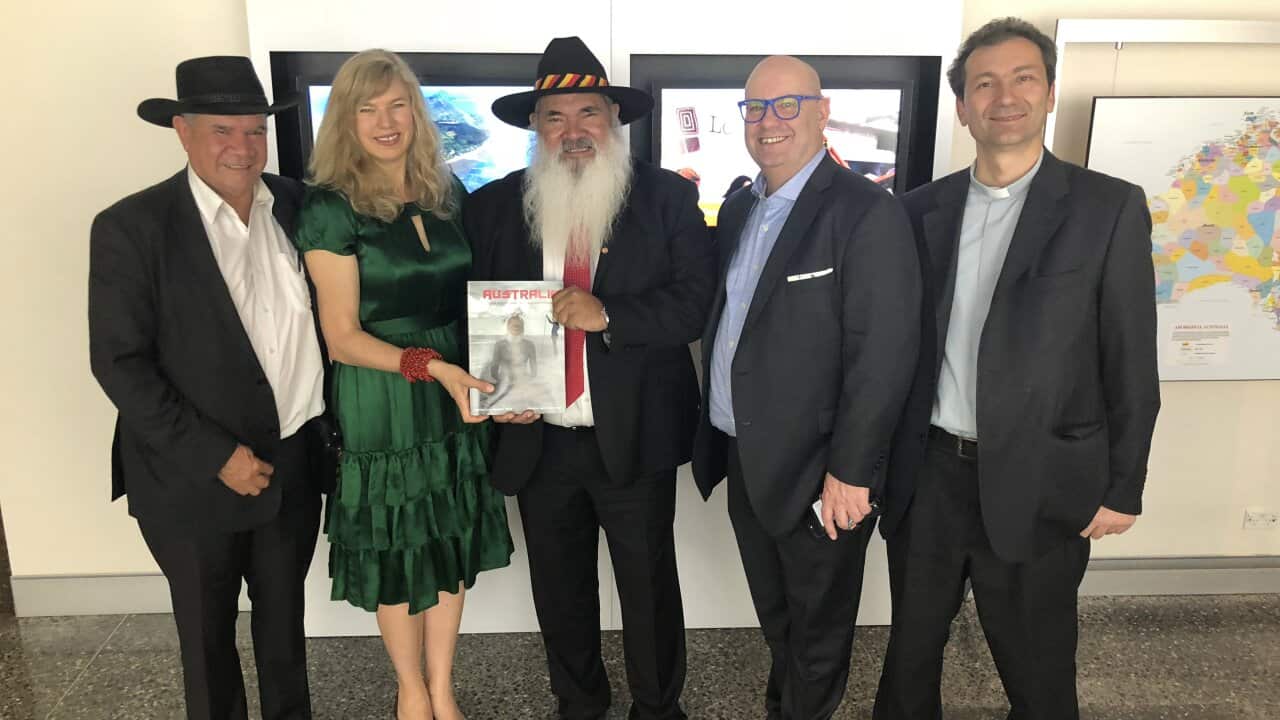
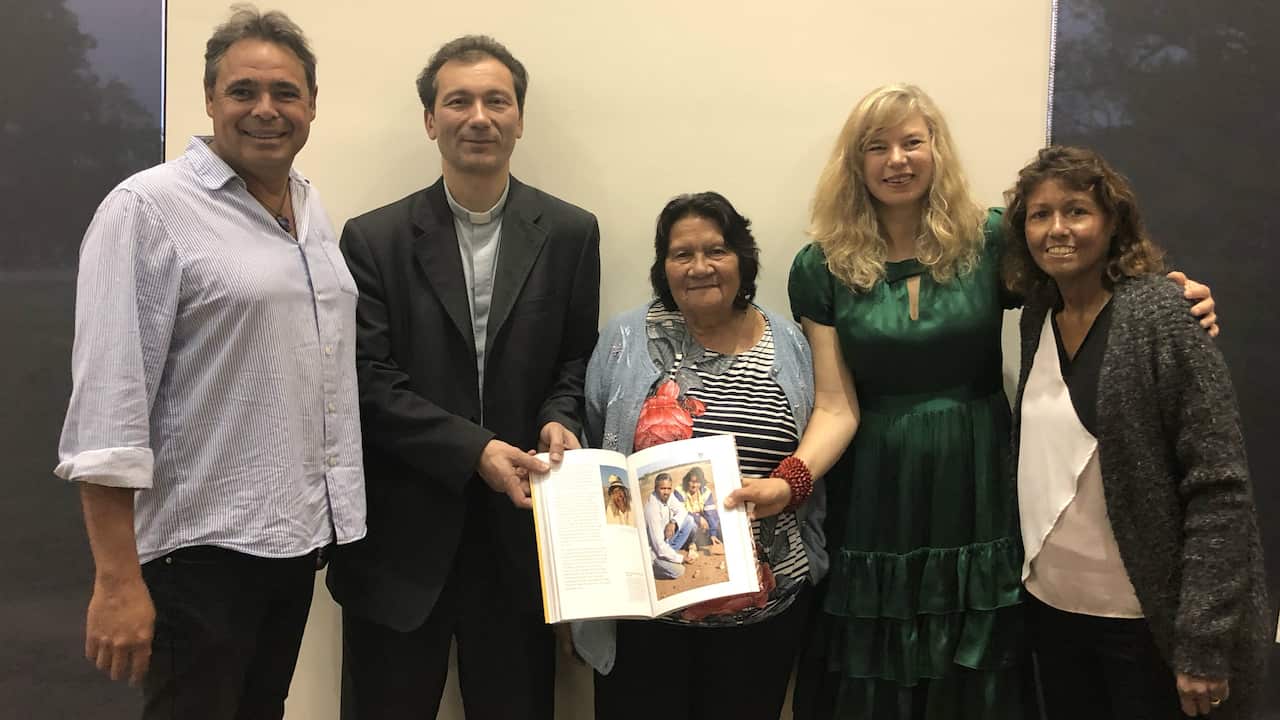
'Australia: the Vatican Museum Indigenous collection has some of the earliest known documentations of Australian Indigenous culture. The collection has been tallied for the first time in a recently released catalogue.
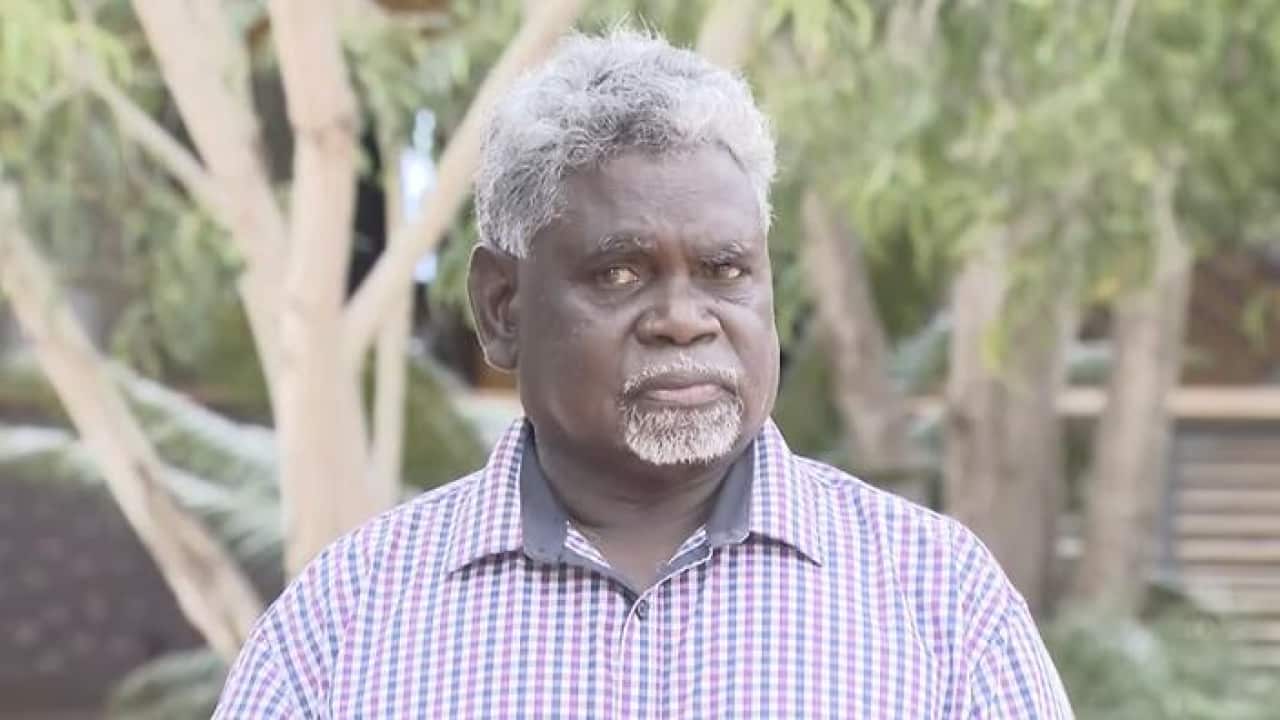
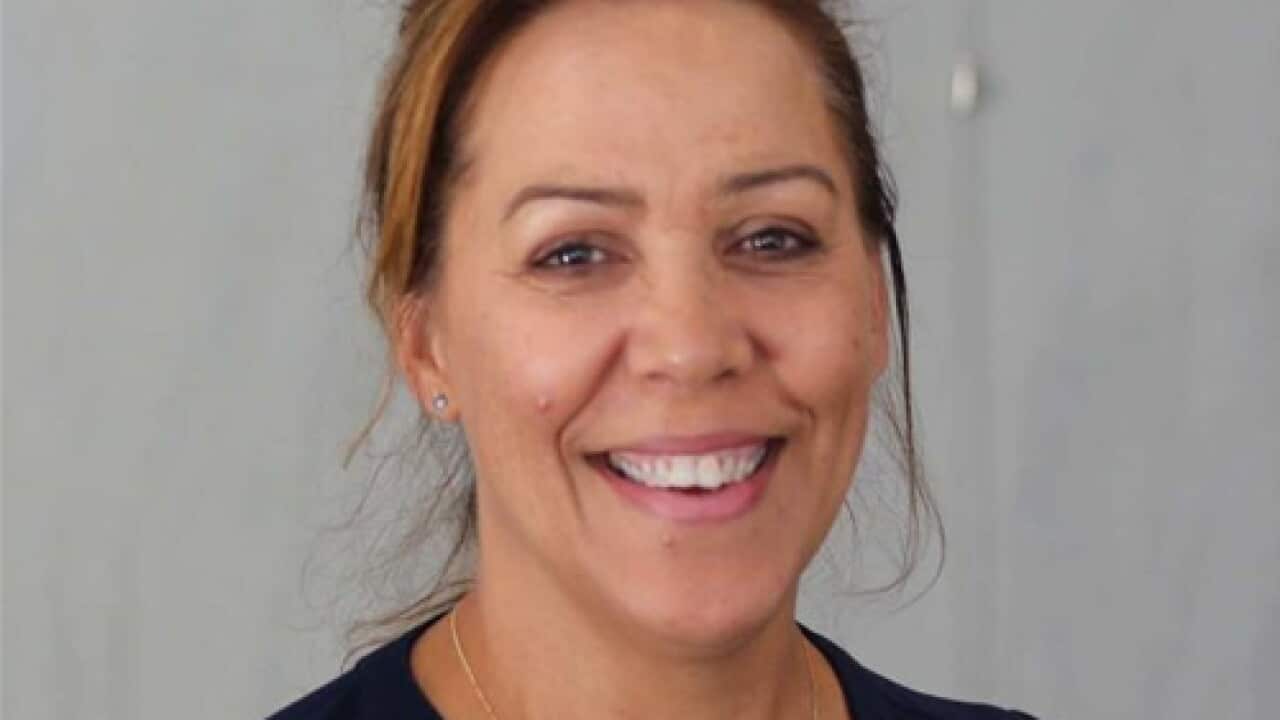
Co-author Katherine Aigner says 'The catalogue includes 18 essays by Indigenous and non-Indigenous authors including Maggie West who has written about the Tiwi Islands.
Senator Patrick Dodson has written about the Kimberley.
Bruce Pascoe, an Indigenous man from the South Coast, talks about the history of the South Coast.
We also have Dr Anne Palina who is a cultural custodian from the Kimberley talking about the Living River system. Uncle Harry Boyd is from Northern New South Wales and there are other authors as well.
It is quite an extensive catalogue. It is 400 pages with, at the end, a catalogue of objects. So, you can see all the objects in the collection.'
"These objects had never been exhibited in Australia and are housed in the most visited section of the Vatican Museums"
Spiritually and culturally significant objects from Indigenous communities listed in the catalogue include the earliest set of Pukumani poles from Melville and Bathurst Island as well as newer artefacts and other objects that had never been exhibited in Australia before.
The unique versions of the Wandjina and other objects of Indigenous historical significance are also included.
These objects are housed in the ethnographic section of the Vatican Museum which is also its largest section and the most visited.
Director of the Vatican Museum’s Human Collection Father Nicola Mappelli says 'When people refer to the Vatican Museum they usually point to Raphael or Michelangelo. In fact, more than half the works held in the Vatican Museum are from non-European origin. They are from Africa, the Americas, Oceania, Asia and Australia. They are held in the Anima Mundi, the ethnological section of the Vatican Museum.'
Katherine Aigner says that the purpose of this catalogue is about making the whole world know about this collection whose history started in 1925.
At the time Pope Pius the 11th asked missionaries from around the world to get people from different parts of the globe to send to the Vatican objects representative of their spiritual and cultural daily lives. The Pope's objective was to introduce different cultures to European audiences.
More than 100 000 objects from around the world were then collected and displayed in a very successful exhibition that went on for close to a year at the Vatican Museum.
It is noteworthy that the Vatican never intended to keep these objects after the exhibition.
60% of them were returned to their respective communities. The remaining 40% constitute the core of the current collection. Other objects in the same section have been gifted to Popes from their travels.
From Australia there are earlier objects that came from the period when New Norcia, Australia’s only monastic town in Western Australia, was created by Benedictine monks in the mid-19th century.
Katherine Aigner says 'Unfortunately, the museum has been closed on and off over the last 40 years. It is only now since Father Mappelli has taken over its directorship that he has reopened it. And he is very active reconnecting with the communities today,' she says 'So, part of the journey in creating this catalogue and indeed the exhibition in the Vatican museum was to first go back to those communities, show them the photos of the objects held in the collection, speak with the custodians who remain the custodians today and find out whether it is okay to put them on exhibit and basically start that dialog with the communities today.'
"Custodians delighted to reconnect with their material heritage and share their culture with the rest of the world."
The catalogue comes at a crucial time when Indigenous people are taking ownership of their stories and telling them. It is a co-publication with the Aboriginal Studies Press (ASP), the publishing arm of AIATSIS the Australian Institute of Aboriginal and Torres Strait Islander Studies.
In the publication process authors adhered to strict cultural protocols and strove to culturally reconnect contemporary Indigenous communities to their material heritage held in the Vatican Museums.
The communities involved from the Kimberley to Tiwi Islands are delighted to reconnect with significant objects of their culture. They are also pleased to be able to share their cultural heritage with the rest of the world.
Father Mappelli concluded 'We are very happy to have this friendship with the Aboriginal people of Australia and we are very honoured that they have shared their knowledge and their wisdom with us. And every time we went to visit the communities, in the Tiwi Islands, in the Kimberley and around New Norcia we were very welcomed by these communities and I am still very grateful for their sharing of their history, their culture and their knowledge with us.'