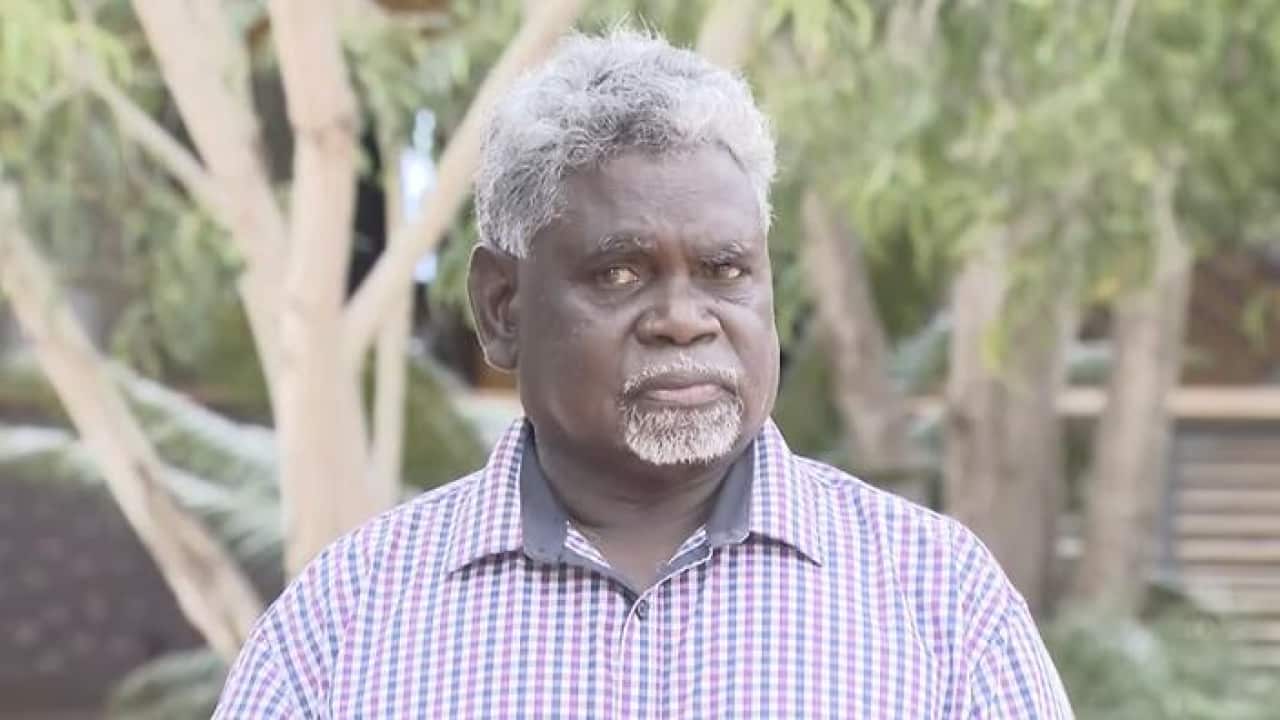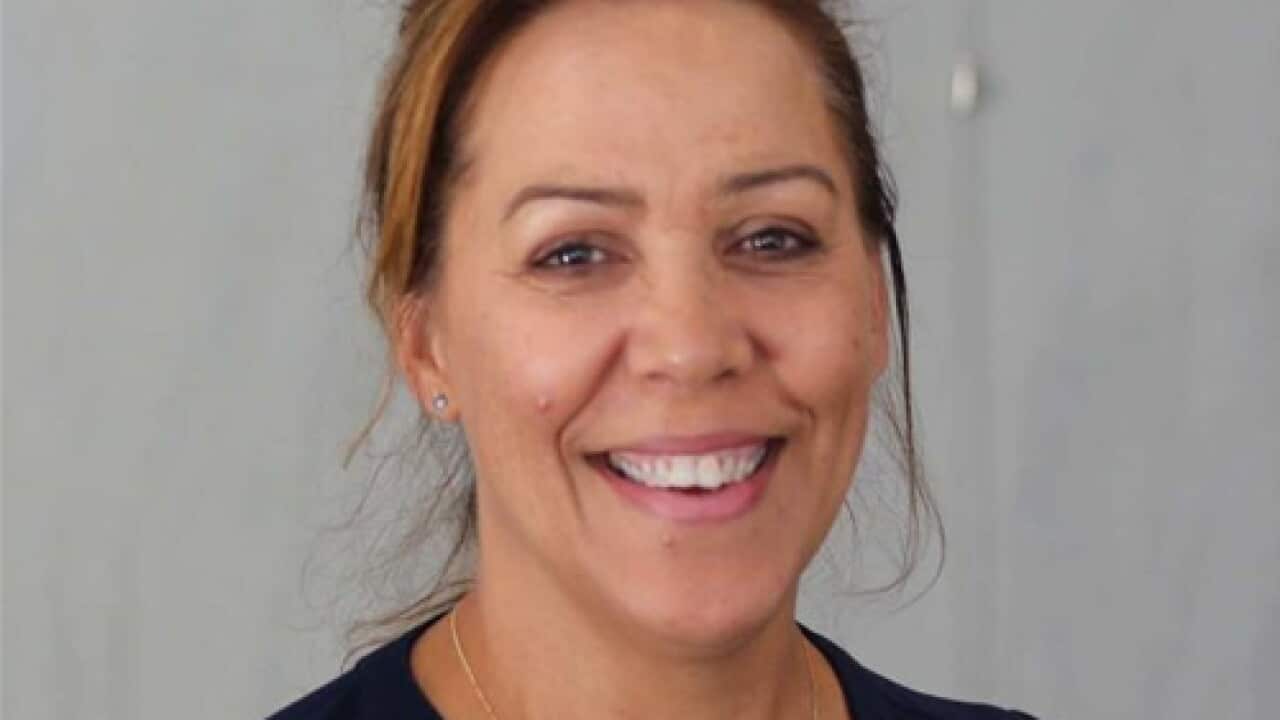


We are training lawyers to respond to Police duty of care failures in family violence matters and support women to come forward with their stories so a solid evidence base can be documented to advocate for systemic change.-Lawyer Erin Buckley
The Police Accountability Project is a pilot project run through Flemington and Kensington Community Legal Centre and the Federation of Community Legal Centre's in Victoria.
The project recently held legal training to up-skill community and progressive lawyers from different organisation's supporting women who have allegedly experienced poor policing responses in family violence matters.
"It's duty failures of police handling family and domestic violence complaints that led to the pilot project"
The project recently held a training session 'Responding to Police duty of Care Failures in Family Violence Matters' in Melbourne (Kulin Nation).
The training gave space to legally train and empower other lawyers to support women around the processes of lodging complaints against police and respond to criminal matters arising from women's interactions with Police, child protection and other family law and civil matters.
Police Accountability Project lawyer Erin Buckley says "It's duty failures of Police handling family and domestic violence complaints that led to the pilot project." This has been reported to the project by community lawyers working with women in the community.
- Alleged failure to act on disclosed breaches on family violence orders, where an intervention order is in place and there are reports that Police don’t attend when called.
- Alleged failure to prosecute breaches where people have been reported as breaching an Intervention Order and there may be independent witnesses or through good evidence where that’s not occurring.
- Alleged misidentifying of survivors as perpetrators.
Erin Buckley says Police may be attending a family violence altercation where a neighbour has called the Police and incorrectly misidentified the person who is the survivor of family violence as being the primary perpetrator.
“This can lead to survivors being subjected to a family violence Intervention Order application or an Intervention Order.”
"Layers of disadvantage and factors included the criminalisation of women in family violence matters when Police are dealing with women living with issues of homelessness, poverty, mental health issues and self- medication. And for some, their Aboriginality."
The Royal Commission into Family Violence Victoria handed down the final report with 227 recommendations in 2016.
Recommendation 41 requests the amendment of the Victoria Police Code of Practice for the Investigation of Family Violence to ensure that it provides suitable guidance on identifying family violence primary aggressors including training at all appropriate levels on the amended requirements relating to identifying primary aggressors.
This also includes provision of details of specialist support available to assist in identifying the primary aggressor.
"In 2017, Victoria Police recorded 75,061 family violence incidents. One or more charges were laid in 32,884 incidents police attended, which was 43.8% of all family violence incidents. In the same period, police issued 11,370 Family Safety Notices and applied for 11,885 Family Violence Intervention Orders.
The Conversation article ‘How Victoria’s family violence system fails some victims- by assuming they’re perpetrators.’ suggests links to police misidentifying women as primary aggressors and male perpetrators manipulating intervention orders.
This has been identified as a form of family violence according to The National Domestic and Family Violence Bench Book.
Victoria Police responded to NITV Radio on these allegations and says.
"As first responder's, police follow the Victoria Police Manual and Victoria Police Code of Practice for the Investigation of Family Violence to make an assessment of risk, determine what protections need to be put in place and make appropriate referrals to support services.
"This involves identifying the perpetrator of harm in a particular incident and as a result the victim or affected family member. We recognise that in some circumstances, the perpetrator of the incident will be the victim-survivor in the overall relationship.
"There has been no positive action on complaints against Police failures being substantiated. We don’t think it’s a reason to stop trying."
Lawyer Erin Buckley says the flow on affects from alleged police duty of care failures can include incarceration when the criminalisation of women happens due to family violence matters.
Erin says "Aboriginal women have their children taken from them and other issues arise when there are no other primary carers for the child."
"Layers of disadvantage and factors included the criminalisation of women in family violence matters when Police are dealing with women living with issues of homelessness, poverty, mental health issues and self- medication. And for some, their Aboriginality."
"These layers of disadvantage for women impact the way women can advocate for themselves."
"Depending on the personal situation of the women, she may be seen by Police as not deserving the same level of support as other women would."
Lawyer Marianne Jago-Bassingthwaight from the Women’s Legal Service Victoria was contacted by NITV Radio for more background on these allegations and she says "In these situations some women present as a “less than ideal” victim, and may be in a highly agitated, and/or substance affected state, rather than passive and able to engage police.
Another issue for women survivors that came up in the 'Responding to Police duty of Care Failures in Family Violence Matters' training was the term 'Frequent Flyer' allegedly used by some Police officers as a derogatory reference towards women who were not seen as genuine when reporting family violence matters.
"This is why we are training lawyers to respond to Police duty of care failures in family violence matters to support women to come forward with their stories, so a solid evidence base can be documented to advocate for systemic change."
Lawyer Erin Buckley says "Criminalised women who have grown up in state care as a result of disadvantage may have experienced family violence as a child, young adult and women. Depending on the personal situation of the women, she may be seen by Police as not deserving the same level of support as other women would."
Police Victoria told NITV Radio that the term ‘frequent flyer’ is not endorsed by Victoria Police. “The safety and well being of all victims is at the centre of our response to family violence, the training of our employees receive and the commitment to reducing the prevalence of these crimes in our community and the harm cause to victims.”
Erin Buckley says there are two ways in the complaints process that lawyers can go when working with women who experience duty of care failures in family violence matters and one is by making a direct complaint to the Victoria Police and the other through the Independent Broad-based Anti-corruption Commission (IBAC).
Lawyer Marianne Jago-Bassingthwaight from the Women’s Legal says there is a lot of intense engagement that goes with on with police, both from lawyers and to a lesser extent the Magistracy to identify and reverse impacts where police get it wrong on mis-identifying women.
She says "This is like a complaint but early on in the Family Violence Intervention order process, and doesn’t (yet involve formal Police and IBAC complaint mechanisms. The Women’s Legal Service Victoria is collecting case studies to figure out what works in this space."
“Family violence is core business for Victoria Police, accounting for about 60 per cent of police work. Every day and night our members respond to family violence incidents across the state – on average about one every seven minutes.”
The Police Accountability project encourages women to engage with Community Legal Centre's to come forward and access the service as a direct advocacy line for complaints instead of speaking with Police themselves.
Erin says "This is why we are training lawyers to respond to police duty-of-care failures in family violence matters to support women to come forward with their stories, so a solid evidence base can be documented to advocate for systemic change."
When asked if lawyers had seen a cultural shift in Victoria Police since the Royal Commission into Family Violence in Victoria, Erin Buckley says The Police Accountability Project do not have access to any data, from her understanding there were not any resources available for women who have experienced Police duty failures in family violence matters.
"There has been no positive action on complaints against Police failures being substantiated. We don’t think it’s a reason to stop trying."
Marianne Jago-Bassingthwaight says “Failed complaint’s makes for powerful advocacy when Police tell the public the system is working.”
“We can also compare those failed complaints with what happens when we take those cases to court. It’s something like 62% succeed in comparison to three percent when police complaints processes are relied on.”
NITV Radio asked Victoria Police if there had been a cultural shift in their duty of care to victims of family violence matters in Victoria since the Royal Commission into Family Violence in Victoria in 2016.
Victoria Police say. “Family violence is core business for Victoria Police, accounting for about 60 per cent of police work. Every day and night our members respond to family violence incidents across the state – on average about one every seven minutes.”
"In 2017, Victoria Police recorded 75,061 family violence incidents. One or more charges were laid in 32,884 incidents police attended, which was 43.8% of all family violence incidents. In the same period, police issued 11,370 Family Safety Notices and applied for 11,885 Family Violence Intervention Orders.
In December 2017 we launched Policing Harm, Upholding the Right: Victoria Police Strategy for Family Violence, Sexual Offences and Child Abuse 2018-2023, which commits the organisation to implementing a range of actions under strategic priorities. The strategy also introduces the next wave of reform of our policing approach to family violence."
The National Sexual Assault, Family & Domestic Violence Counselling Line – 1800 RESPECT (1800 737 732) – is available 24 hours a day, seven days a week for any Australian who has experienced, or is at risk of, family and domestic violence and/or sexual assault.