
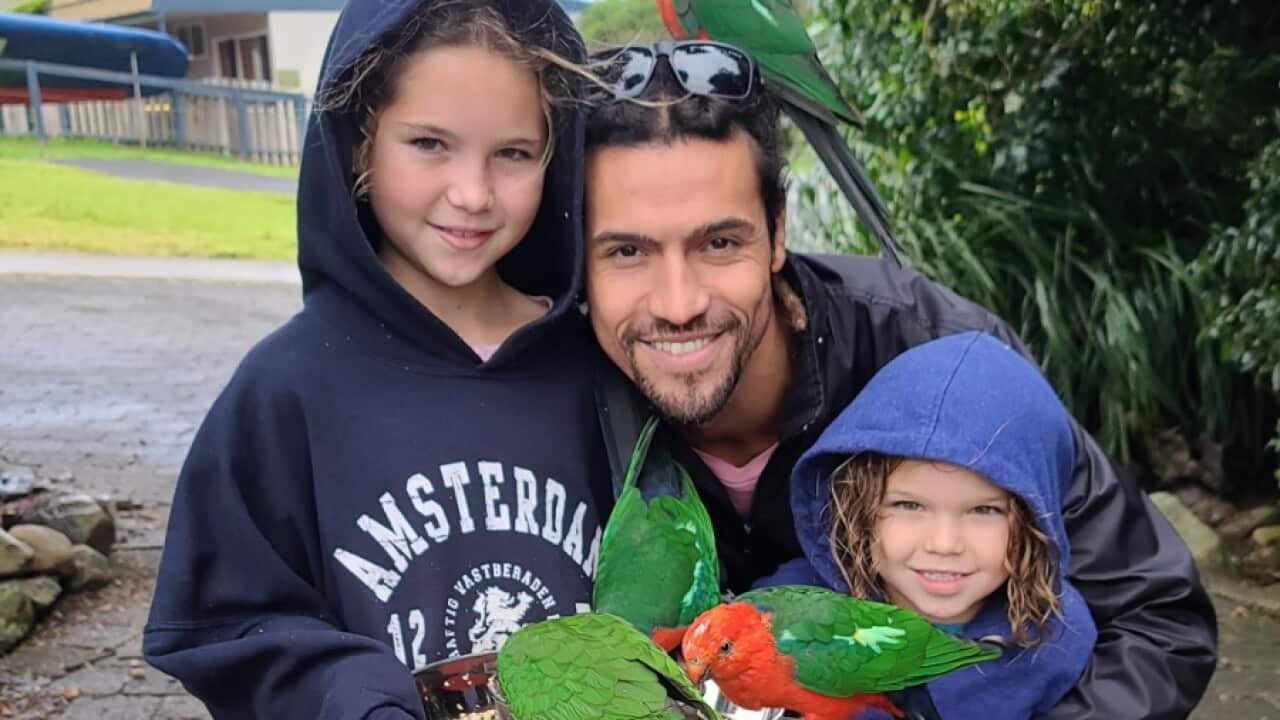

After separating from his wife, audiovisual professional Samir Bernardes found he couldn't afford a house in Tweed Heads, on the New South Wales–Queensland border, where he could live with his children. That search led him to adapt a model where communities manage government-granted land, so residents only need to finance the cost of the house itself. The research produced the Tweed Roots proposal, now open for public consultation as a possible answer to the housing crisis.
Key points
- The Problem: Real estate speculation and reliance on private developers made housing unaffordable, with costs reaching 23 times the annual income.
- The Solution: The Community Land Trust (CLT) proposes that land be managed by a non-profit organization, removing it from speculation and ensuring affordable housing.
- Status: The Tweed Roots project seeks community support to be included in the Tweed Heads city's housing strategy by 2035.
After separating from his wife, audiovisual professional Samir Bernardes found he couldn't afford to buy a house of his own to live in with his children in Tweed Heads, on the New South Wales–Queensland border.
The search led him to a model where communities manage government-granted land so residents only have to finance the cost of the house itself — and from that research, the Tweed Roots proposal was born. The project is now open for public consultation as a possible answer to the housing crisis.
After separating from his wife, Mr Bernardes learned from the bank that even with three separate sources of income, he still couldn't secure financing for a house where he could live with his children in Tweed Heads, on the New South Wales–Queensland border.

"I worked in television in Brazil, and it was an incredible job — I earned very well, but I worked a lot. I came to stay [in Australia] for a while, but I had no idea I'd end up staying for good. In 2010 I went to Indonesia, stayed six months, and met the mother of my children on that trip. I have two kids: my daughter Maui is 13, and Tahu is 8," he recalls.
With no background in construction, Samir realised he'd have to find another way to house his family — one that didn't mean working four, five or six jobs just to afford it.
"I realised the system is broken," he says. "It doesn't matter how much you study or work, you still won't be able to buy a house.
"In 1970, a house in Tweed Heads cost about four times the average annual income; today it's twenty-three times that. It's just not possible. I went to the bank and told them I have three sources of income: a permanent job at the university, a casual job, and I run my own company. They told me, 'You have to work harder.' That's when I thought: let me put my brain to work on this instead."
That's how the Tweed Roots project came about — a Community Land Trust (CLT) proposal in which the land is managed by a non-profit organisation, taken out of the reach of real estate speculation, to keep housing affordable.
"In February, the Premier of New South Wales sent all the councils in the state a recommendation to develop affordable housing proposals. I did some research and got in touch with an organisation from Victoria called Grounded, who've been promoting this idea of a Community Land Trust," he explains.
After looking into the Grounded model further, Samir put together a proposal tailored to his own city and took it to the local council.
"I'm so grateful to the Mayor of Tweed Shire, Chris Cherry, General Manager Troy Green, and Director of Planning and Regulation Denise Galle, because they actually listened to me. I handed them a complicated, dense document, and they were impressed," he says.
Samir explains that under the model, the land itself belongs to the council, while the right to live on it belongs to whoever currently occupies the house.
When a house within the project changes hands, the resale price isn't set by the open market — it follows a formula instead: take what the person originally paid, then add an allowance based on the Consumer Price Index (currently running at 2.8% a year), compounded for each year they've lived there.
"So say someone spends AUD 200,000 to buy and build their home. Years later they decided to sell. In a normal sale, he'd get whatever the market says the house is worth then — which in most places has shot up far beyond AUD 200,000, because of demand, speculation, scarcity, all of it," says Samir.
According to him, under Tweed Roots' formula, the buyer doesn't get that market price. Instead, the resale price is capped at roughly his original AUD 200,000 plus a set allowance for inflation (the Consumer Price Index, about 2.8% a year) for each year he lived there. That works out to about AUD 50,000–60,000 on top of what he paid — not whatever the open market would have handed him.
"That's the whole point: the Tweed Roots project stops the house from being a way to make money off scarcity, so the next family can also actually afford to buy it," he concludes.
The land itself is leased for 99 years — that's part of what keeps the price formula enforceable generation after generation, instead of the house eventually just reverting to a normal market sale.
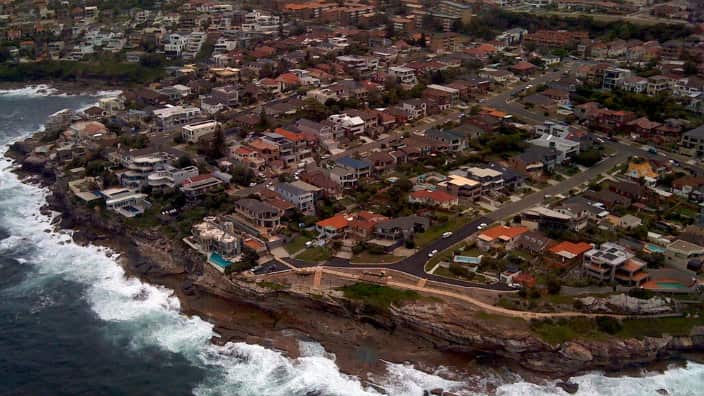
But he says the project still has a few hurdles to clear before it becomes a reality: the Tweed Shire's draft Growth Management, Housing and Employment Strategy is out for community consultation until the end of August.
"Tweed Roots is a solution that could be included, but it needs the community to put it forward before the council will recognise it as part of the strategy," he adds.
To listen, click the 'play' button on this page.
Follow SBS in Portuguese on Facebook, Twitter, Instagram and You Tube.
Listen to our podcasts. Listen to SBS's live program in Portuguese on Wednesdays and Sundays at noon.
Subscribe to 'SBS Portuguese' on Spotify, Apple Podcasts, iHeart Podcasts, PocketCasts, or your favorite audio platform.





