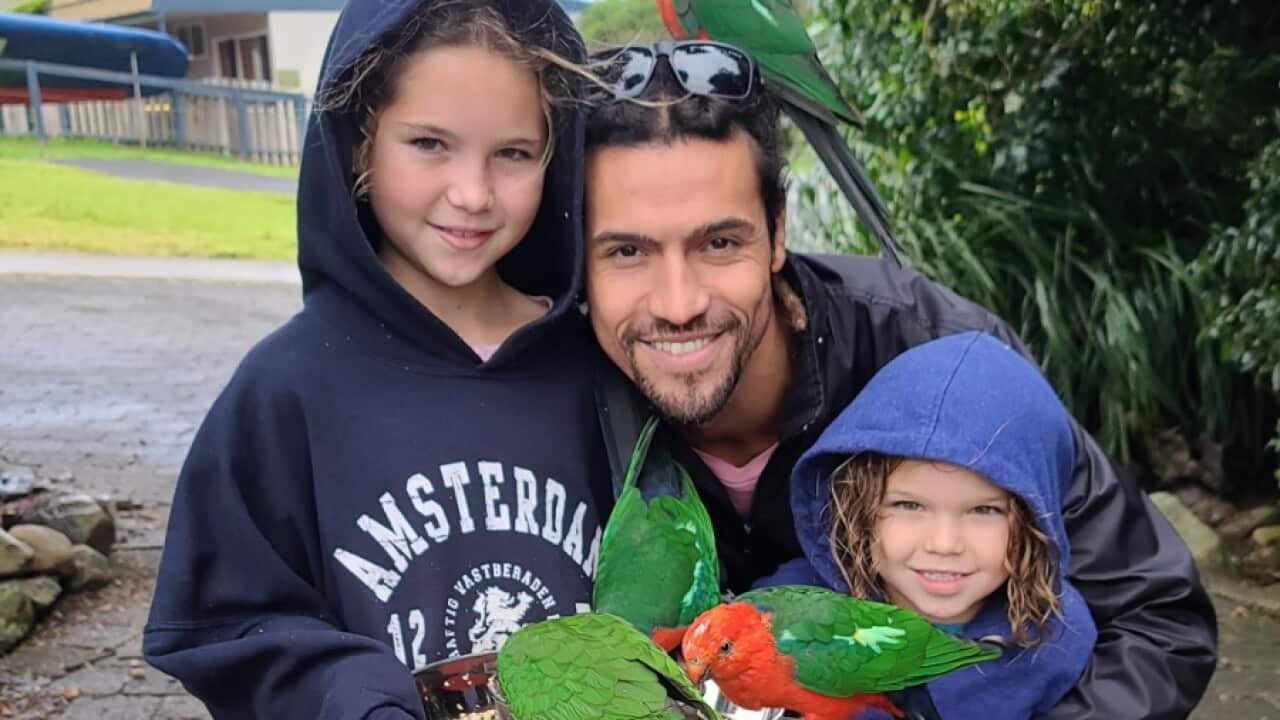


After almost four years of living in Australia, Leonardo Garlet Caetano embarked on a long journey through Asia. He was in Nepal when the glacier ruptured in the Himalayan region, leaving hundreds dead downstream. In an interview with SBS in Portuguese, Leonardo recounts what he witnessed during the tragedy, describes the work of the rescue teams and the mobilization of local communities, in addition to telling how he managed to leave the country and continue traveling to China.
highlights
- Gaúcho, who lived in Australia for almost four years, recounts his experience during a disaster in Nepal.
- Blocked roads forced a change of plans and an emergency exit from the country.
- Communities, volunteers, and rescue teams mobilize after the tragedy.
Imagine, after spending a season of almost 4 years in Australia, deciding to take a big trip to Asian countries and in the midst of that you are faced with a natural disaster. This is the story of the Brazilian Leonardo Galet Caetano, who at 29 is an influence.
He planned a trip that would take place between destinations and cities in Nepal and China. Leonardo was not in the region with the greatest impact of the disaster, but, according to us, he was able to travel to Trishuli, one of the aid points for the population of the affected region. The previous plan was to leave the city of Pokhara and head to other destinations within Nepal.
But with the highway blocked, he had to buy a last-minute ticket to get through the chaos and reach Kathmandu, from where he took a flight to Guangzhou, China.
It contextualizes how the trip began. “I actually went geographically where it was most convenient. I started in New Zealand, went to Fiji, then Hong Kong, Japan, Korea, China, Thailand, Laos, Vietnam, then I went to India, Srilanka, Maldives. Then I arrived in Nepal,” says the Brazilian.
I arrived in Nepal on a 15-day visa. And I separated the minimum deadline, because I already had the exit ticket to come to China. I went to do my sightseeing. I started in Kathmandu, then I went to Pokhara. When I arrived in Bandipur, which is a mountainous part and also close to the floods, I received the news that the roads were closed.Leonardo Garlet Caetano, influencer and digital nomad.
The young man points out that he had a few days left on his visa and that he was concerned to realize that he could be stuck in the country because of the lack of access.
I started to get desperate, because I thought: “Dude, how am I going to get back to Kathmandu? How can I help? I wonder if that water will get here.Leonardo Garlet Caetano, influencer and digital nomad.
After taking a plane between the cities of Pokhara and Kathmandu, Leonardo joined a group of volunteers and arrived in one of the nearby regions that were affected.
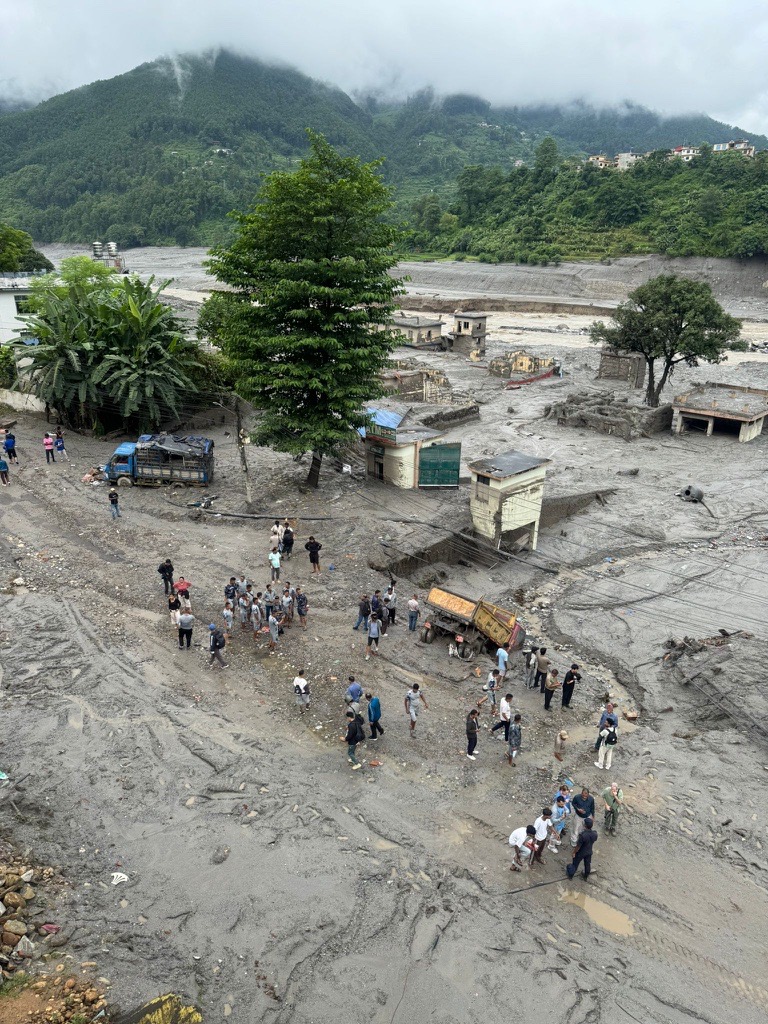
“I was given the opportunity to be able to help. We bought food, packed it, and took it to the affected region. We couldn't get to the place where people were buried, because they're limiting,” she explains. He also reports that he used his nearly 200,000 followers on Instagram and millions of views on YouTube to ask the population for help.
A native of Rio Grande do Sul, he points out that despite being far from his state, which was flooded in 2024, he also used the power of the internet to collect donations and help the population at that time. For him, this type of aid can transform realities and that is why he decided to do it also with the disaster in Nepal.
“I hope that the videos will continue to help families, because physically I had to leave, but I believe that digital perpetuates forever and ever. I collect money, with cows and deposits, publicizing actions of the Nepalese Red Cross, the source of the Prime Minister of Nepal, and I obtained the WhatsApp of this young man who took me to the affected region that is donating to the community”, he points out.
——
To listen to the full interview, click the 'play' button on this page.
Follow SBS in Portuguese on Facebook, X, Instagram and You Tube.
Listen to our podcasts. Listen to SBS's live program in Portuguese on Wednesdays and Sundays at noon.
Subscribe to 'SBS Portuguese' on Spotify, Apple Podcasts, iHeart Podcasts, PocketCasts, or your favorite audio platform.