


This weekend, 156 million Brazilians are going to the polls to choose between former president Lula da Silva, and the far right, Trump-like president Jair Bolsonaro. Will the Brazilian community of Australia vote Left or Right?
Key Points
- Lula da Silva leads the polls with 50% of the voters' preferences
- Jair Bolsonaro has 36% of the voters' preference, may lose first round
- Australia has 15,390 voters eligible to vote in Brazil's presidential elections out of 700,000 across the world
This Sunday, 2 October, 156 million Brazilians will vote in a new president — a national record. That's 9 million more than 2018.
According to data from Brazil’s Superior Electoral Court, the number of Brazilians abroad eligible to vote also hit a new record of sitting at 39.21 per cent higher than 2018.
In that year 520,000 expatriate Brazilians participated in the process, a staggering increase of 39 per cent.
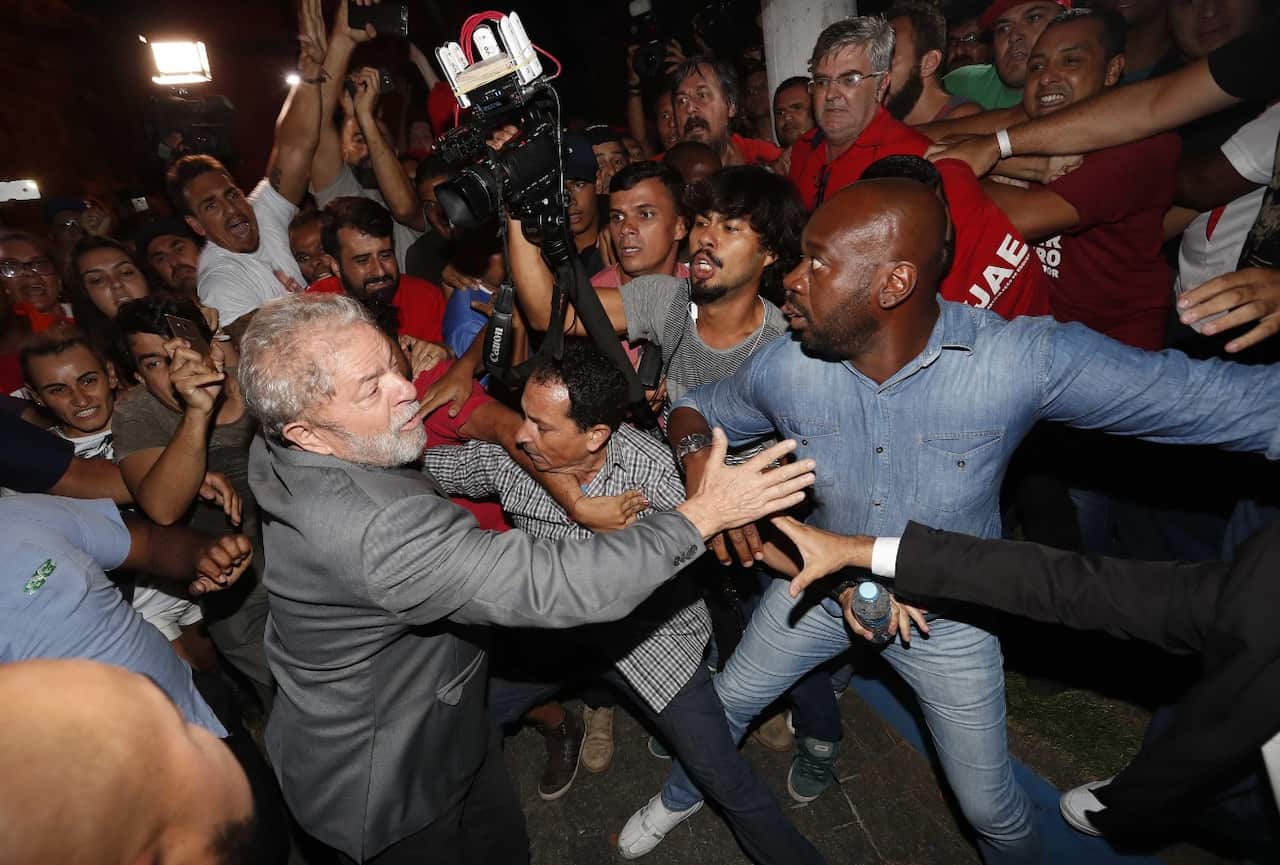
The largest electoral colleges outside Brazil are Lisbon, Miami and Boston in the United States, followed by Nagoya in Japan and London.
Why do Brazilians in Australia vote right wing?
The political inclination and resultant voting of Australia's Brazilian community always attracst the attention of people living in Brazil and the community around the world.
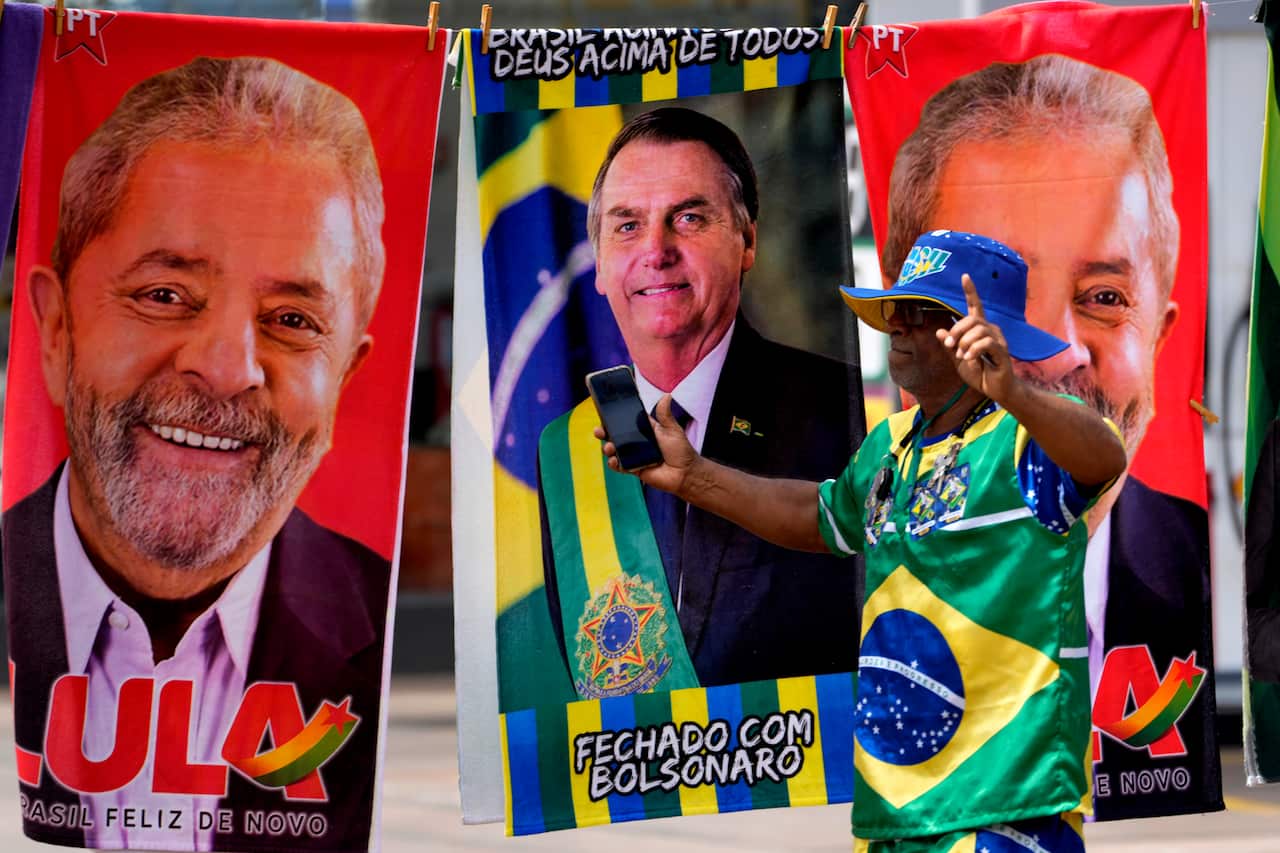
When the results in Australia are published – small pieces of paper plastered on the windows of five polling stations (Sydney, Brisbane, Canberra, Melbourne and Perth) – those 156 million Brazilians are just waking up and getting ready to go to the polls.
It is like New Year’s Eve, people say.
“It is already the new year in Australia” or “Bolsonaro won in Australia," are some of the many similar comments frequently heard and read.
In the 2018 elections when Bolsonaro was elected, Brazilians woke up on election day with the headlines 'Bolsonaro won in Australia', a catchphrase widely exploited by the current president's campaign and scores of social media platforms.
At that time, they conveniently did not place the number of Brazilian voters in Australia (and abroad) in context nor mentioned the historical political inclination of Brazilians voting in Australia as "right wingers".
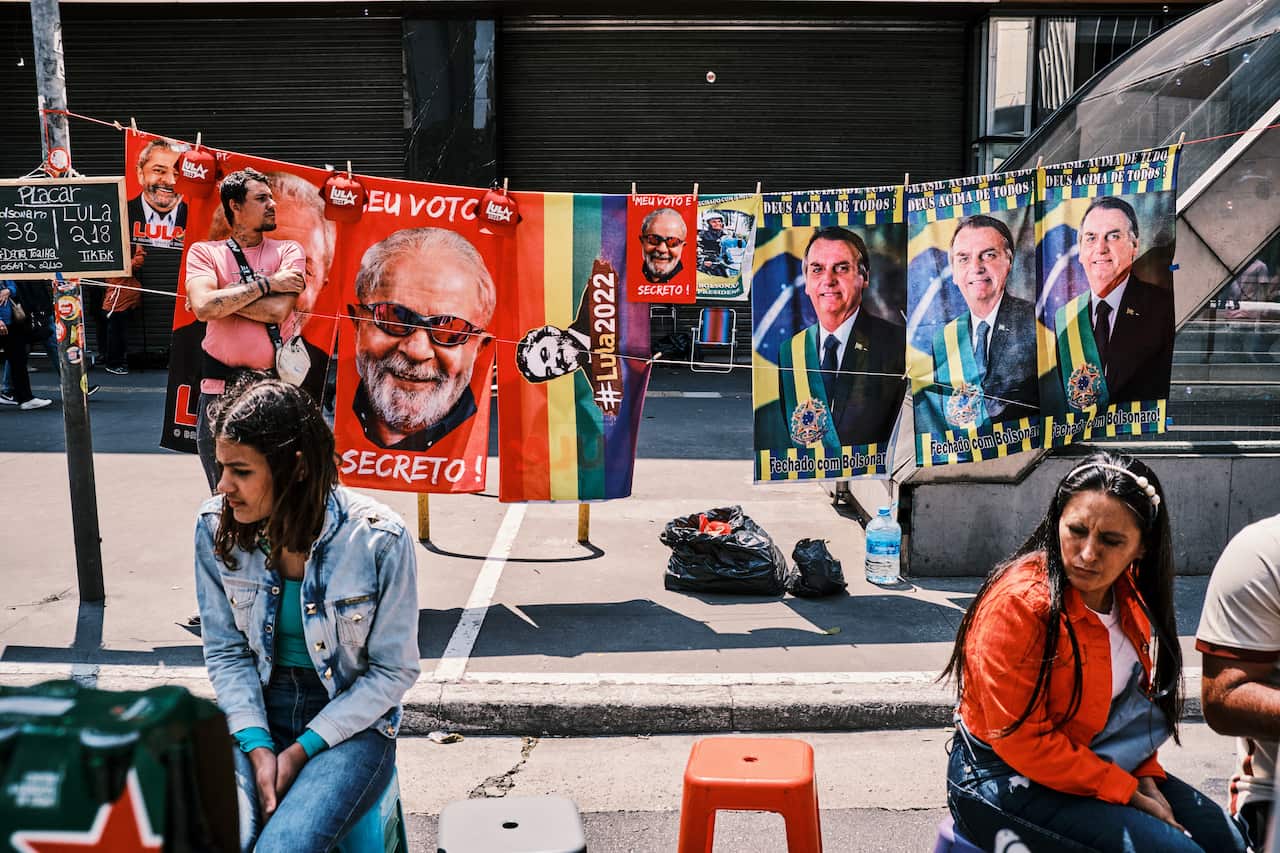
Although the 2018 result in Australia confirmed the victory of Bolsonaro in Brazil, historically, the vote in Australia does not reflect the results in Brazil.
In the 2014 elections for example, the then-presidential candidate centre-right businessman Aécio Neves obtained in Australia 80.4 per cent of the valid votes and Dilma Rousseff, from Lula’s Workers Party (PT), a mere 19.6 per cent.
However, voters in Brazil thought differently and put Ms Rousseff in power, much to the disappointment of many Brazilians living in Australia and elsewhere.
In 2018, Bolsonaro was the candidate with the most votes in the election's first round in Australia, followed by Ciro Gomes. Fernando Haddad, from Lula’s Workers Party, stood fourth in Australian ballot boxes.
In a totally opposite direction, Brazilians back home voted for Mr Haddad in large numbers, who went to a second round with Bolsonaro but ended up losing to the current president.
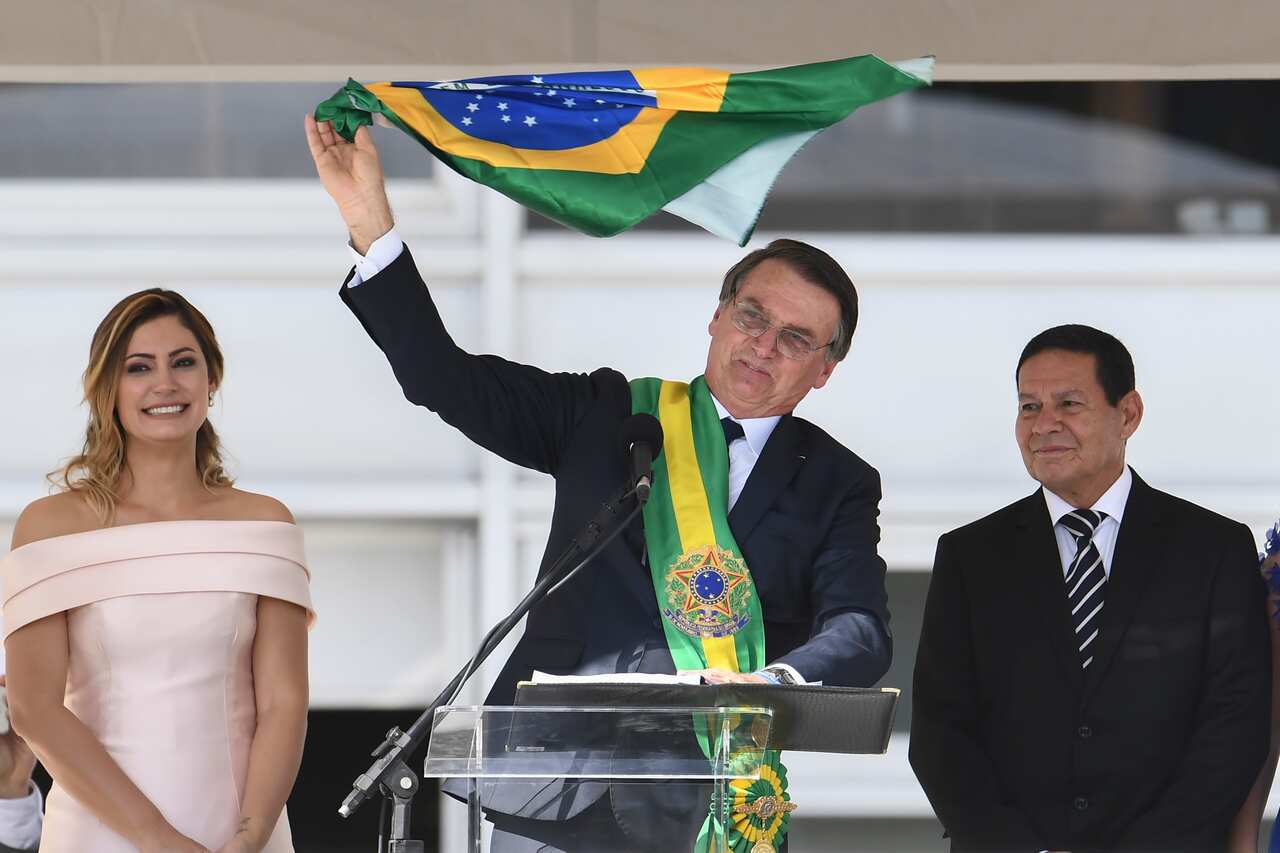
Brazilians abroad versus those in Brazil
Flavia Bellieni Zimmermann, political scientist and lecturer at the Faculty of Social Sciences at the University of Western Australia, says the Brazilians voting in Australia are made up of a more privileged portion of the population.
Many according to her, are the grandchildren of a generation that supported the military coup of 1964.
“In Brazil, the upper middle class is historically more conservative. It was the upper middle class who supported the 1964 military coup, and who took to the streets to support the famous march March of the Family with God for Liberty, in favour of a military intervention.
“But nobody expected that we would have a 21-year-old dictatorship and the AI-5*,” she says.
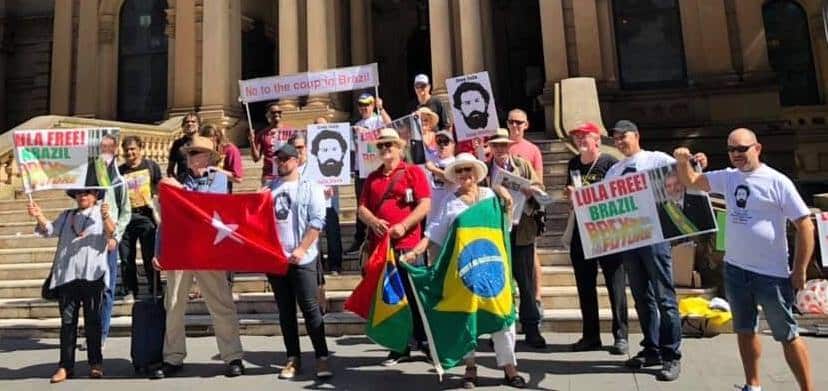
According to Ms Zimmermann, the Brazilian diaspora left Brazil because of the extreme urban violence prevalent there including street crime, which she says "aligns with Bolsonaro's populist discourse and attracts votes".
“These are people who were traumatised by street violence with social problems in Brazil and see Bolsonaro as an answer to these problems. But they did not see or experience the unfolding of the Bolsonaro government particularly during the COVID pandemic," she elaborates.
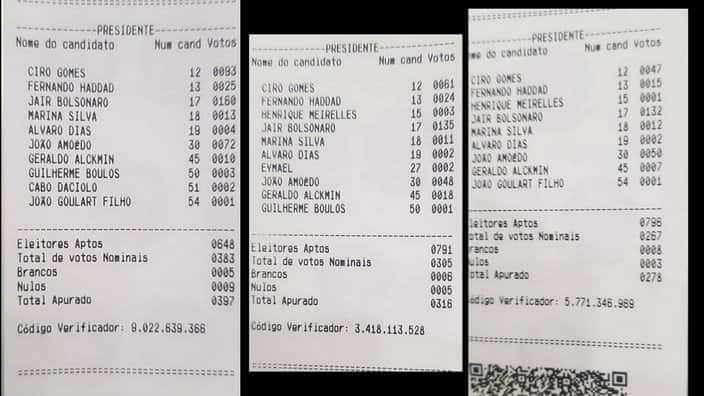
Flavia Zimmermann believes that if the results spill over to the right in Australia and other countries, they can as always, reinforce the Bolsonarista rhetoric of questioning the results of the elections.
“I think they can use this as a tool to destabilise Brazil's results,” she says.
Valmor Gomes Morais, former honorary consul of Brazil in Queensland, agrees that the profile of Brazilians in Australia represents a more bourgeoise layer of the population.
“Even to enter Australia, Brazilians need to present proof of a relatively high income," he explains.
“We Brazilians, who are 14,000 kilometers away [from Brazil], are far from the reality of Brazilians in Brazil. We don't know what it's like to take a crowded bus, what death by COVID is, when more than 700,000 people died during the pandemic in Brazil. This influences the vote and gives a different view of Brazilians living abroad from those living in Brazil," Mr Morais elaborates.

Alba Chlikahtine, president of the Association of Brazilians in Victoria, mentions that the Brazilian population in Australia has increased to 50,000 according to the 2021 census.
Far from the Brazilian reality, she adds, their lives here are impacted by what happens to their families in Brazil.
"Hence the importance of voting abroad, as the greatest democratic exercise of Brazilians, wherever they are," she weighs in.
Lula or Bolsonaro and the Albanese government
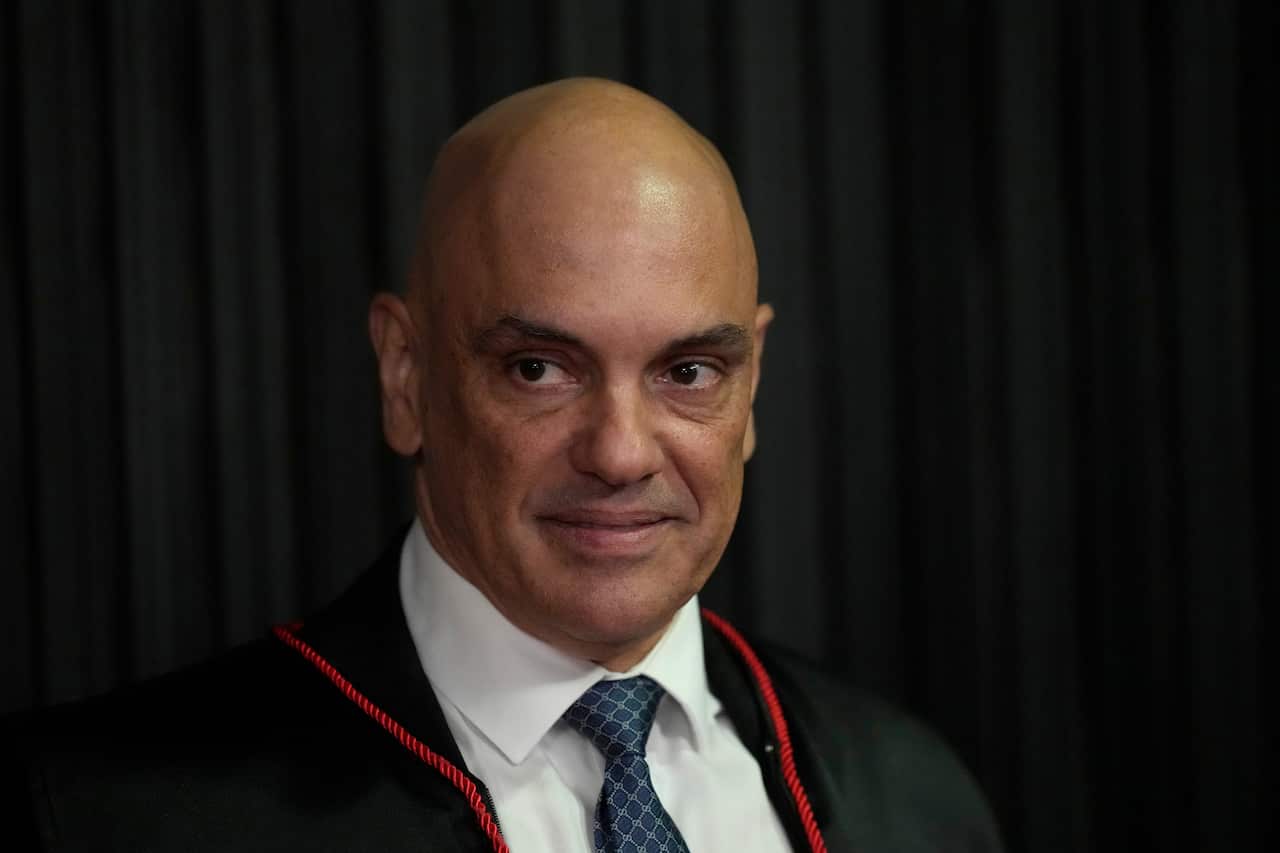
On what a Lula government represents for Brazil and Australia, Prof Zimmermann believes that the Workers' Party's recent history of corruption is still problematic.
“Putting these serious problems of corruption aside, a possible Lula government aligns better with the Albanese government in Australia, which respects democratic institutions and is much more interested in the international exchange of people," she says.
A possible re-elected Bolsonaro government represents a questioning of all democratic institutions, which is a major problem for diplomatic relations between the two countries.
Ms Zimmermann also calls attention to the ‘neutrality’ of Bolsonaro in relation to the Russian invasion of Ukraine.
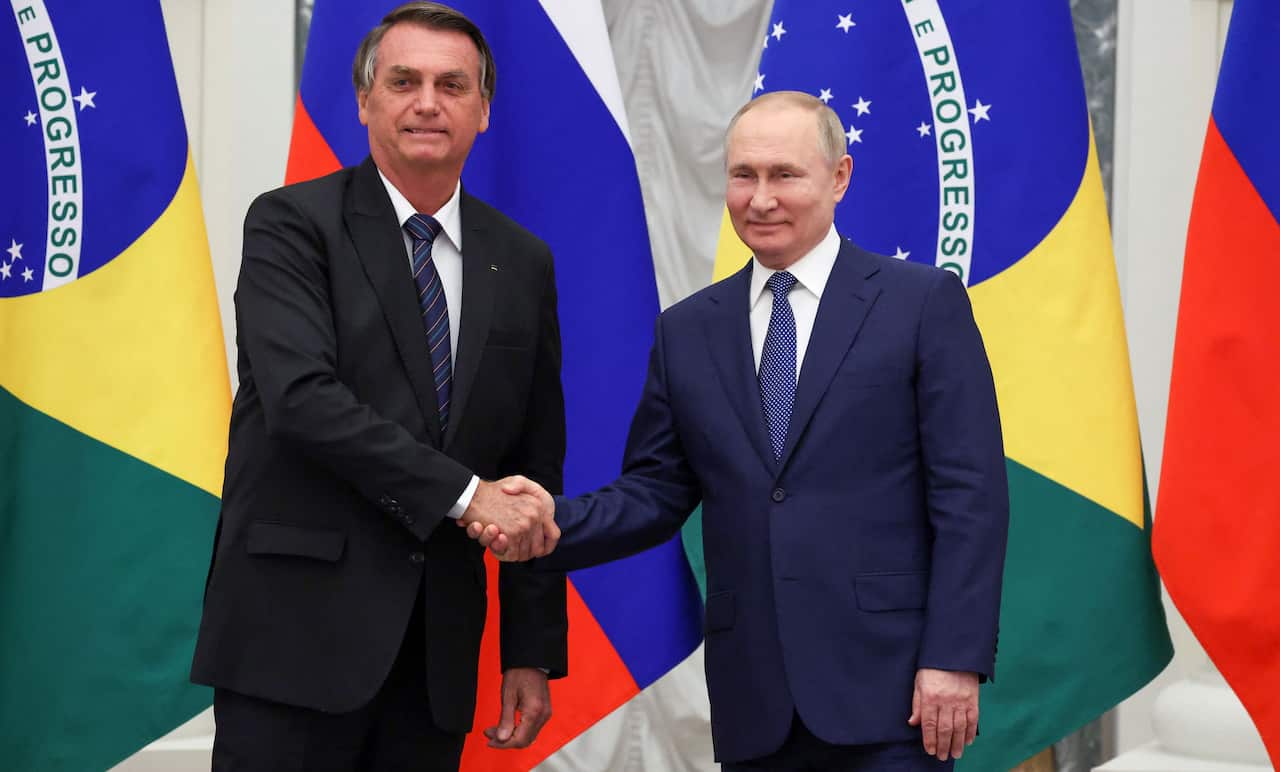
“Bolsonaro made an agreement to import grains and fertilisers from Russia, and was shaking hands with Vladimir Putin the day before the invasion.
“Brazil is one of the few countries in the world which claims to be neutral but maintains trade agreements established with Russia. A position that is totally contrary not only to the Albanese government but also to the world,” says Ms Zimmermann.
*AI-5 (Institutional Act Number Five) was the fifth of 17 major decrees issued by the military dictatorship in the years following the 1964 coup d'état in Brazil. It served to institutionalise the generals' practices of torture, repression, and censorship.
Follow SBS Portuguese on Facebook, Twitter e Instagram.