Multi-antibiotic resistant bacteria, better known as superbugs, are probably one of the scariest things we’ll have to face this century. No one wants to go back to the times when a scratch could mean death by infection.
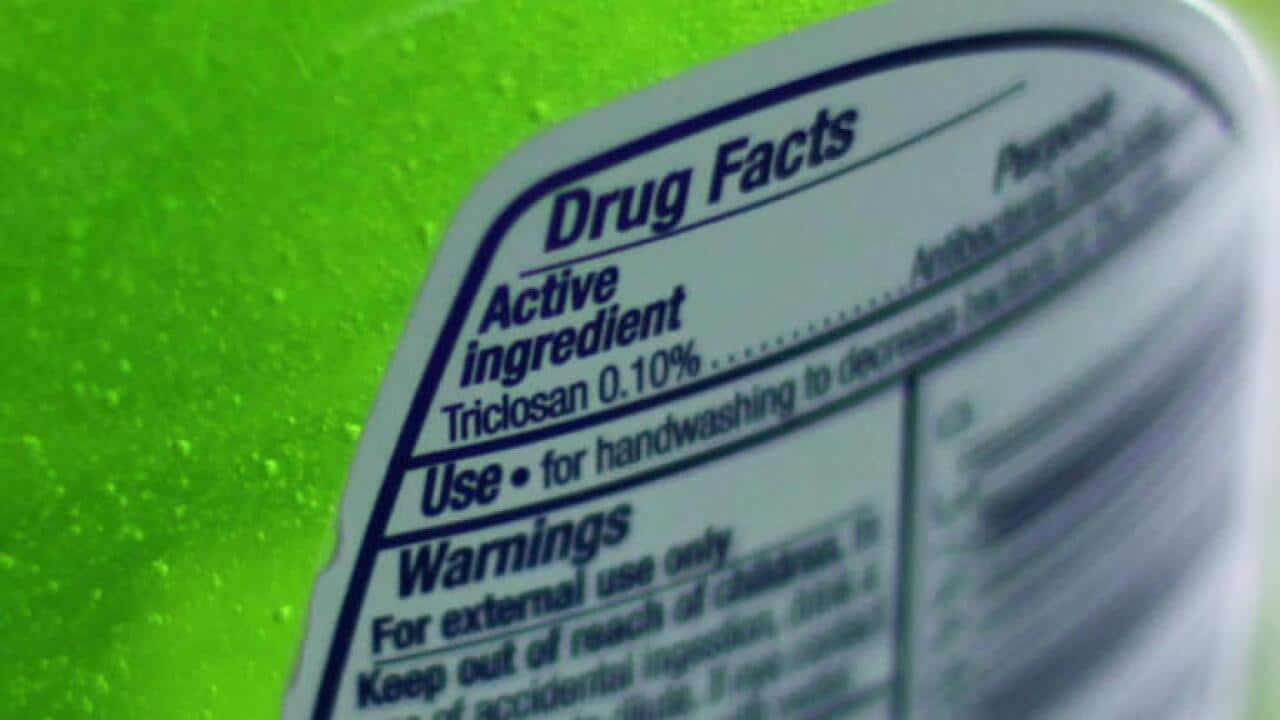
But it’s not just mindful antibiotic use that could help us avert the superbug apocalypse. Many regular household products still use dangerous antibacterial agents in their active ingredients.
How do antibiotics work?
Bacteria can be killed effectively and indiscriminately by exposing them to very high heat, or high alcohol content. But most antibiotics are more like a key into a bacterial lock. The more the antibiotics are used, the more the lock warps until the key no longer fits. And once it’s gone, the antibiotic is useless.
“The public needs to become very aware of the importance of antibiotic resistance,” says Professor Steven Djordjevic from the ithree Institute at the University of Technology. “It is a very pressing, urgent problem. Many people, experts in this area, put it on par with the importance of climate change.”
So how can we help at home? These antibacterial versions of regular household items are things we really need to stop buying.
1. Toothpaste and mouthwash
Kills 99.9 percent of germs, right? That 0.1 percent, far from being scared off by the death of their friends, are actually the most dangerous. Mouthwashes and toothpaste that use antibacterials such as triclosan could contribute to antibiotic resistant bacteria, and the jury is out on whether triclosan could be dangerous to our health.
A small pilot study found large amounts of triclosan in the urine of participants, but couldn’t find any changes to oral or gut microbes. “[Triclosan] selects for populations of bacteria that are resistant to it, and those bacteria are often intrinsically more resistant to a whole range of other antibiotics. You are enriching for antibiotic resistant bacteria,” Djordjevic tells SBS Science.
2. Antibacterial hand soap
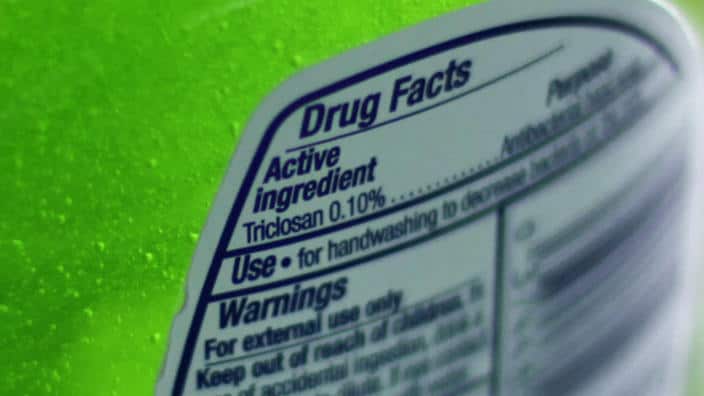
Triclosan and other such agents can also be found in antibacterial hand soaps. However, a large scale review has shown them to be no more effective than regular soap and water.
“It’s actually the physical practice of rubbing your hands together with mild detergents and water that removes the microorganisms, it’s not a question of killing (them),” explains Djordjevic.
So why are we still using them? Unfortunately they sell. People think it works better to get rid of germs, and so triclosan gets added – to the detriment of everyone but the superbugs.
3. Cleaning products
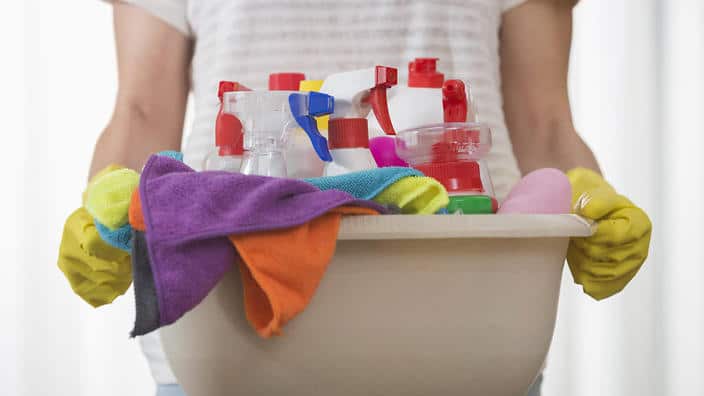
Surface sprays, detergents and window cleaners can all contain antibacterial agents, and are marketed as such. The good news is, since the 2000’s many of the regular sprays you can find in Australian households have switched to natural antimicrobials – such as lactic acid, or high amounts of ethanol, both of which will not contribute to antibiotic resistance. According to consumer group Choice, household grade disinfectants must include name of the active ingredient on the bottle, so best to check the label before purchasing.
4. Antibacterial garbage bags
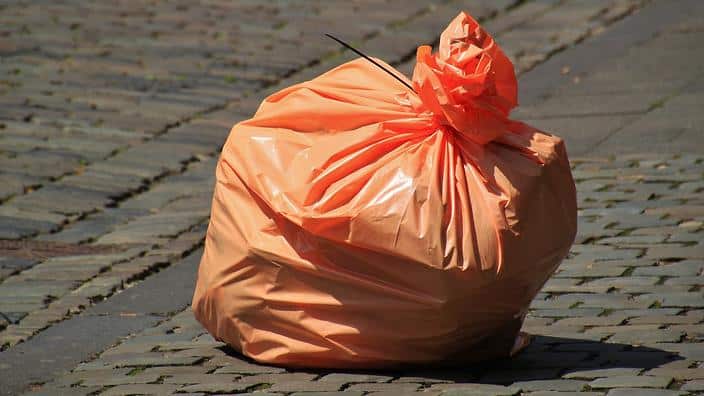
Garbage bags are another household product that have jumped on the antibacterial bandwagon, and some microbiologists shudder at the very thought, or literally call them a “moronic” product.
Some of these bags use silver nanoparticles, which are an antibiotic alternative and don’t contribute to antibiotic resistance. Still, some may use dangerous antibacterial substances to destroy the bacteria partying in your trash. Besides, why would you even need an antibacterial rubbish bag?
5. Hand sanitiser
It’s convenient, smells good, and keeps your hands clean on the go, but hand sanitiser is not blame-free in this debate either. Alcohol-based hand sanitiser (above 60 percent) is completely fine, because it kills bacteria on the spot without contributing to their resistance. But hand sanitisers that are lower than 60% ethanol, or have other antibiotic products in them (again, watch out for triclosan), can contribute to resistance and could even add harmful bacteria to your hands. And do always use the ones provided at hospitals, they know what they're doing.
Now, we definitely don’t recommend not washing your hands or going without toothpaste, but with antibiotic resistance in mind, you can do your bit by checking the label and avoiding unnecessary and potentially dangerous germ killers in your life.
“If there is no real evidence that suggests that things like triclosan are effective at what they were originally designed to do, it’s important that they get phased out of our everyday household products,” says Djordjevic.
“Ultimately we need to be lowering our reliance on all antimicrobial agents that we use, and this is one way of doing that.”



