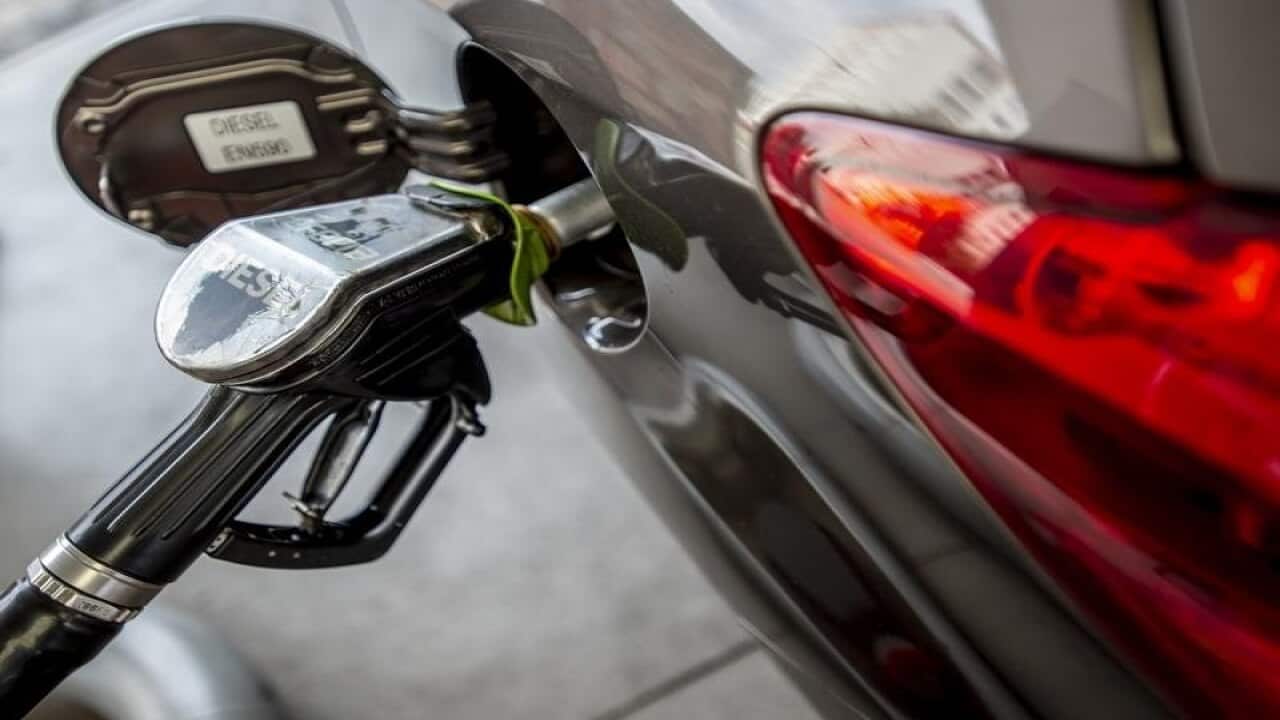
Motorists around the country are being charged through the nozzle as the petrol prices register a four-year high on the back of tightening global oil supply.
After staying stable for the initial three months of the year, the average petrol prices dramatically peaked from April onward across five largest cities –Sydney, Melbourne, Brisbane, Adelaide and Perth, as shown in the latest report by the Australian Competition and Consumer Commission (ACCC).
While higher global oil prices are being cited as the major factor, the ACCC report also indicates that a weakening Australian dollar has also increased the buying price for wholesales in the fuel market, thereby leading to a steep surge in prices.
“The major factors driving higher prices were an increase in international crude oil and refined petrol prices, and a lower AUD-USD exchange rate,” ACCC Chair Rod Sims said.
30-year-old Melbourne resident Jay Sharma who regularly commutes from Point Cook to CBD says he is fighting the urge of resorting to public transport.
“It’s just ridiculous the ways prices are flying through the roof. I drive for 30 kms every day and end up spending more money on travel than I probably save by the end of the month,” Mr Sharma told SBS Punjabi.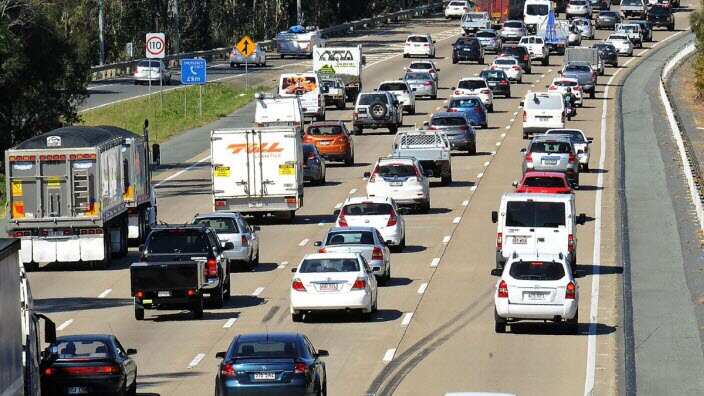
Brisbane motorists are feeling the worst sting among the five cities named in the report where commuters are shelling out an average of $1.37 a litre.
“We knew that cost of living is very high in this country, but the way things are going especially the petrol prices, I am not sure if a family with an average earning like ours will be able to afford two cars in the near future,” said Anju Mahendru Singh, who migrated to Brisbane just a few months ago.
The ACCC suggests the commuters can use the free fuel price apps to ensure they shop at the lowest prices.
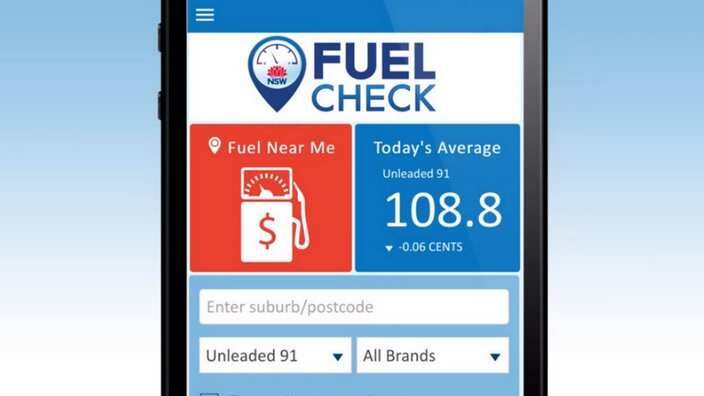
“Cost of living pressures are high and petrol is a major purchase in weekly budgets. Motorists can manage this cost by using fuel price apps and websites to reward retailers offering the lowest price,” said Mr Sims.
He also advised that the people should top up their tanks with just enough to get by and then wait for the prices to drop to avoid buying petrol at peak prices.
“For example, in Sydney, if motorists had avoided buying E10 on the six days around the price cycle peaks in the previous six months, they would have paid on average around 2.7 cpl less.”
“For an individual tank of petrol, this saving represents just a few dollars, but over the course of a year, the savings stack up,” added Mr Sims.



