
Highlights
- Quarantine exemptions can be granted on medical or compassionate grounds
- Each exemption request is individually considered by a designated panel of doctors
- Some industry groups are also exempt from 14-day mandatory quarantine
Sally*, who doesn’t wish to disclose her real name, was shuttled straight to Melbourne’s Crown Promenade hotel for a 14-day mandatory quarantine after she landed from London last week.
However, she was allowed to go home after spending just two days in quarantine, after she requested an exemption on compassionate grounds.
The new mum who was travelling with her two-week-old daughter, a two-year-old son and her ailing mother, said she was already “traumatised” because of her personal circumstances.
“We were already under a lot of stress from what we had gone through. I was disabled on crutches, my mother was not too well and with the children so young, I couldn’t cope both physically and mentally,” she said.
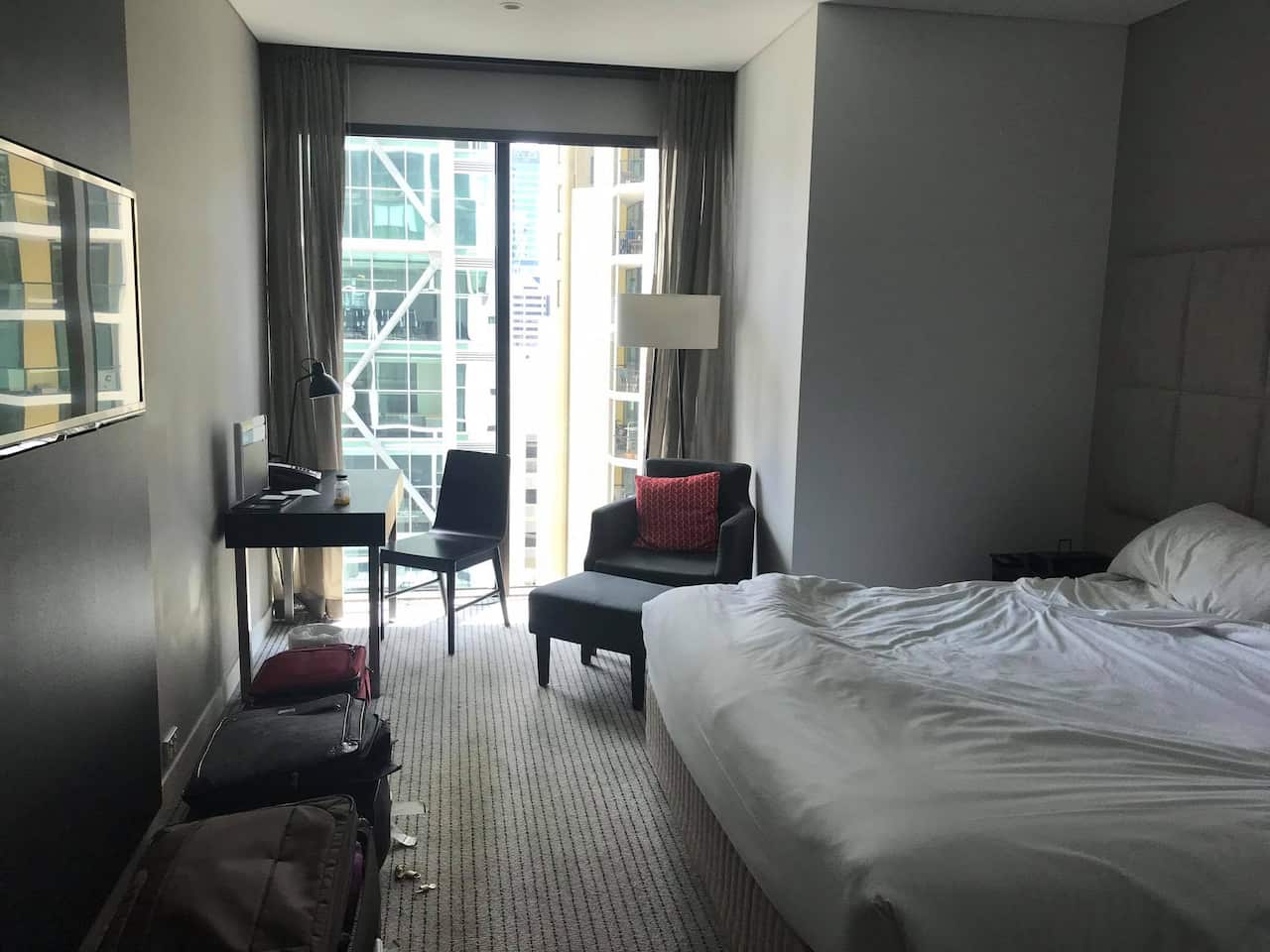
Sally said she was aware that the state health authorities have the power to grant exemptions on medical or compassionate grounds.
“Once we got off the flight, we were given a piece of paper that outlined the quarantine rules, so once we were at the hotel, we requested an exemption.
“The nurse staff at the hotel escalated it for us as they could see that the situation was untenable. I had no qualms with the food or hotel room amenities, but just with the situation.”
She added that while she understands the government’s need to enforce quarantine, she believes that the rules were not being implemented in a “humane manner.”
“What we went through was not humane for my children. Quarantine would probably work well for many couples and solo travellers, but not for young families or people with additional mental or health needs. I am thankful to all the staff who worked very hard around the clock to get us out,” she added.
Sally, her children and her mother are now in self-isolation at her mother’s home.
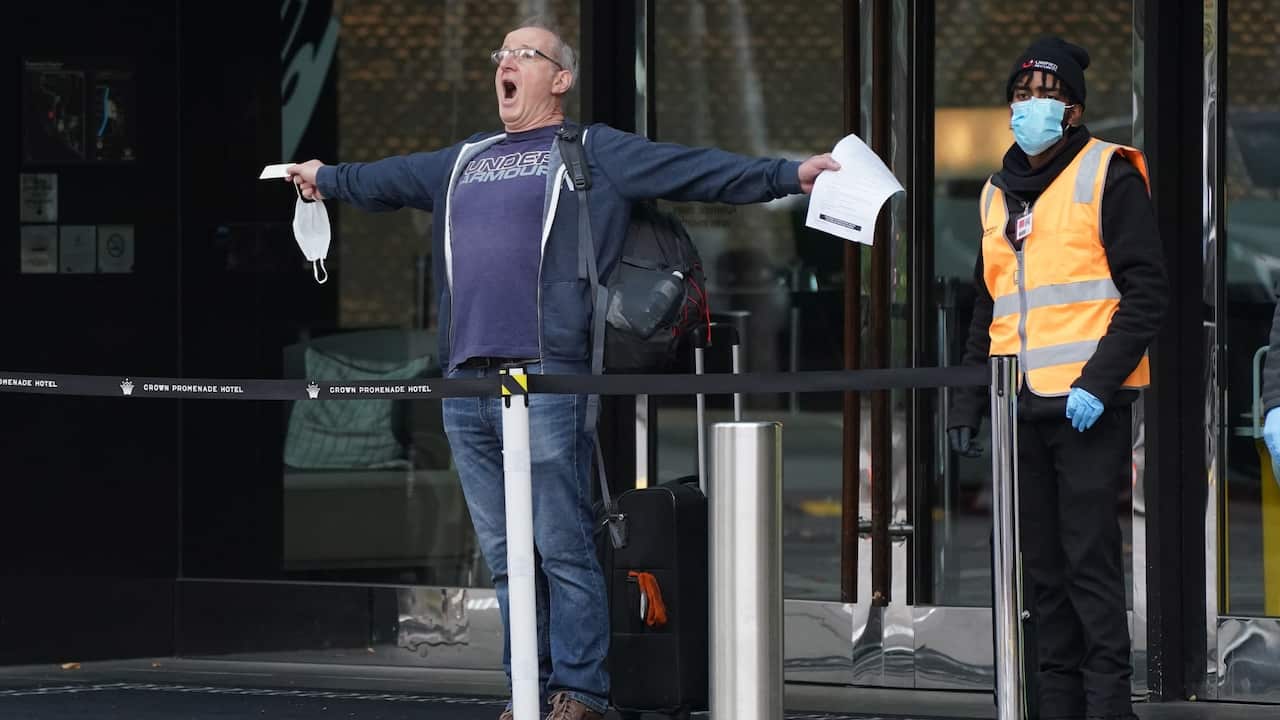
Jenny*, another returning traveller from London who was in quarantine at Sydney’s Travelodge Hotel in Wynyard was also allowed to go home early after she informed the staff about her grandfather’s sudden death.
“I got a phone call from my mother early in the morning on the 9th day of my quarantine informing me that my grandfather had passed away.
“When I got my daily call from the nurse, I let her know that I was struggling. He then applied for an exemption for me and I was allowed to go home that afternoon,” she said.
For some, the issue of hotel quarantine is a debatable one as Australia grapples to contain the pandemic.
Some travellers in quarantine in hotel rooms have spoken out about their experience of what they claim is "unfair confinement" while others have simply scoffed at their concerns.
Anjali, who has spent the past nine days in forced quarantine along with her husband and two sons aged six and ten said people with young families and other medical issues must be allowed to quarantine at home.
"The government needs to alter some rules for those travelling with kids. It is very difficult to make a child understand why we need to stay cooped up in a room for two long weeks," said Anjali.
She said uniform rules for everyone is perhaps "not a great idea."
"We had also requested an exemption on day three, but it was declined. Trust me, we are not unnecessarily whinging. It is a torture to stay in a room with kids for so many days," said Anjali.
Who can be exempted?
According to the national health guidelines, all returning travellers must be isolated in mandatory quarantine accommodation for 14 days from their arrival.
However, exemptions can be granted on medical or compassionate grounds by state and territory governments responsible for enforcing quarantine in areas under their jurisdiction.
A spokesperson for the NSW Health said exemptions on medical grounds have already been granted in the state on a case-by-case basis, as per provisions under the Public Health Order.
“The Minister of Health has delegated the authority to grant exemptions to a panel of experienced doctors. Each exemption request is individually considered," the spokesperson said in a statement to SBS Punjabi.
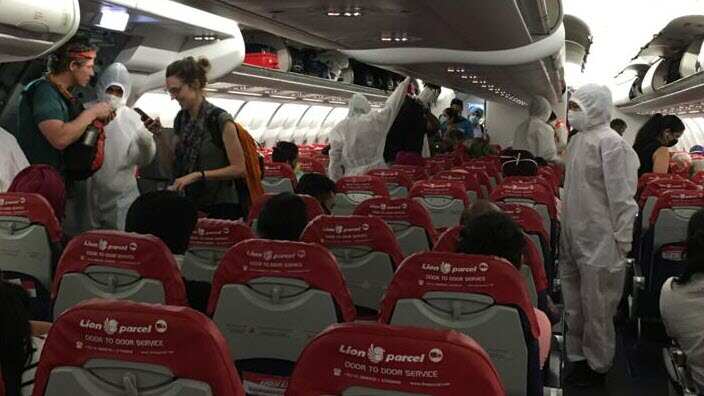
In addition, the Australian Health Protection Principal Committee (AHPPC) has also recognised some specific industry groups to be exempt from the 14-day mandatory quarantine requirements when entering Australia, provided they adhere to specified risk mitigation measures.
Among those groups are aviation crew, marine crew, unaccompanied minors, transit passengers and diplomats.
For more details click here.
How to apply for exemptions on medical or compassionate grounds?
Applications on medical or compassionate grounds should be submitted to the relevant state or territory who will consider requests on a case-by-case basis.
In Victoria, exemption requests are reviewed and granted by a team of public health specialists and depending on the reason for the exemption, travellers may be required to complete their quarantine at home.
“Strict quarantine rules are in place to protect Victorians and slow the spread of coronavirus among the community. There are a number of reasons that individuals may seek an exemption to the current quarantine restrictions including medical and compassionate grounds," said a Department of Health and Human Services spokesperson.
All requests for exemptions are treated on their merits
In addition, each hotel has on-site nursing and a daily medical presence. Travellers can access this medical service, which includes a mental health component, and requests for exemptions are also escalated by this avenue.
"In the event of someone not having their needs met by the on-site medical cover, they have access to the full range of mental health facilities in NSW, including emergency departments and mental health in-patient services," said the spokesperson for NSW Health.
Contact details for state or territory public health agencies are available at www.health.gov.au/state-territory-contacts.
For more information, call the National Coronavirus Helpline on 1800 020 080. Those in need of translating or interpreting services can call on 131 450.
*Some names have been changed.
Coronavirus symptoms can range from mild illness to pneumonia, according to the Federal Government's website. Symptoms can include a fever, coughing, sore throat, fatigue and shortness of breath.
If you develop symptoms within 14 days of returning from overseas, you should call to seek medical attention.
If you don’t have symptoms but you have been in contact with a confirmed COVID-19 case, you should also call to seek medical attention.
If you believe you may need to get tested, call your doctor, don’t visit. Or contact the national Coronavirus Health Information Hotline on 1800 020 080.
If you are struggling to breathe or experiencing a medical emergency, call 000.
Listen to SBS Punjabi Monday to Friday at 9 pm. Follow us on Facebook and Twitter.



