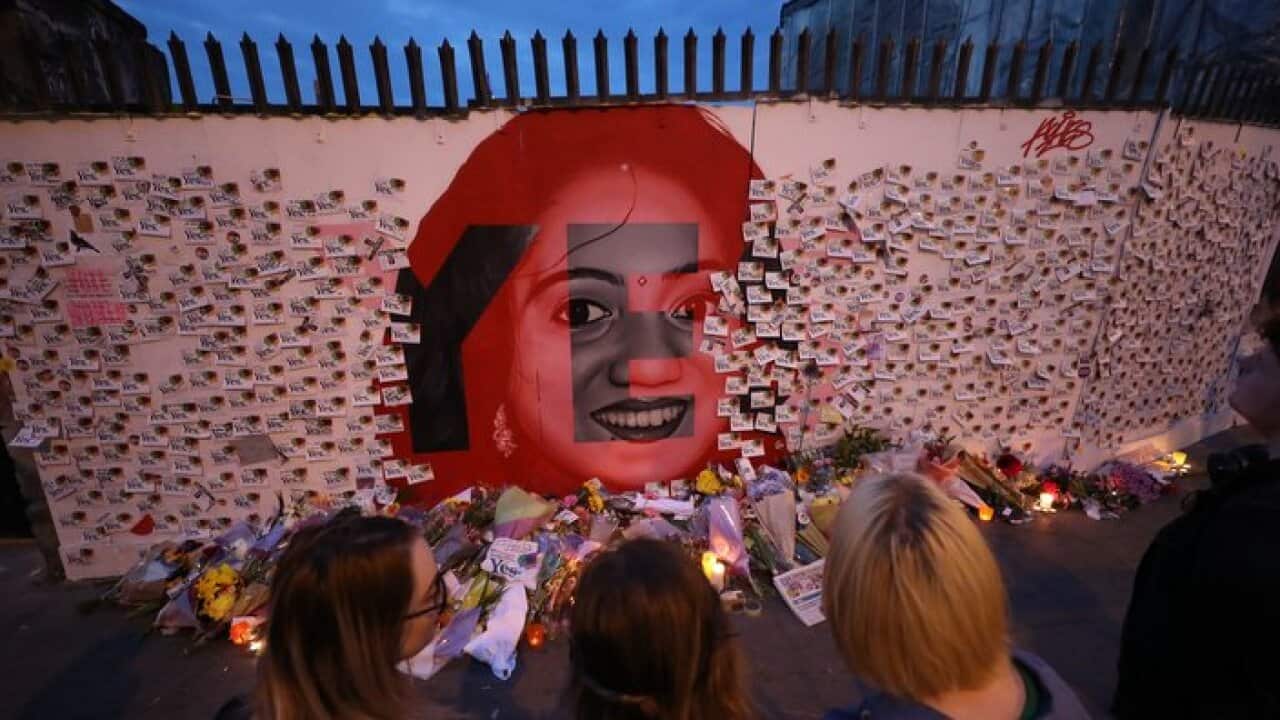
In 2012, 31-year-old Indian dentist Savita Halappanavar died of septic shock resulting from a miscarriage 17 weeks into her pregnancy; she died after she was denied permission for an abortion despite repeatedly asking for it.
Six years later, her death helped bring about a historic change in the country.
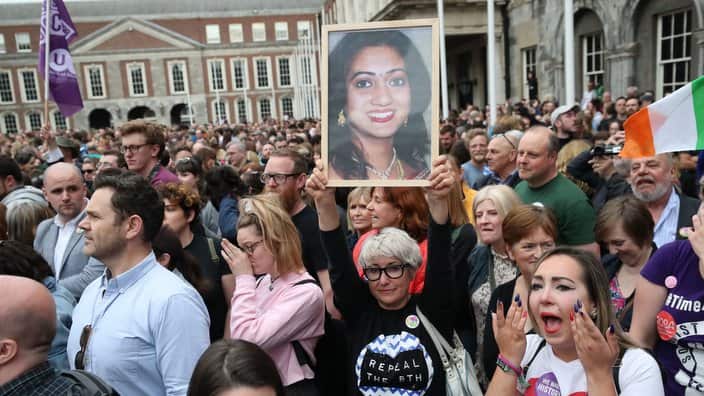
The Yes campaigners were seen holding Ms Halappanavar’s posters on the streets while canvassing for repealing the most restrictive sections of anti-abortion law from the Constitution. On social media, special videos were created depicting the story of her death.
Her death galvanised a new generation of young women against Ireland’s abortion laws - one of world’s most restrictive - which will now be repealed from the Constitution following an overwhelming Yes vote by over 66per cent voters.
The Indian-origin prime minister of Ireland, Leo Varadkar, called it a “quiet revolution”.
“The public has spoken. The result in favour of repealing the 8th Amendment. What we see is the culmination of a quiet revolution that has been taking place in Ireland over the last couple of decades,” he said.
During the lead-up to the referendum result, murals depicting Savita in Dublin had become the nucleus for ‘Yes’ campaigners with many posting their personal messages.
“Never again, we are sorry,” one woman wrote on a Yes pamphlet beside the mural.
Thousands of miles away from Ireland, Ms Halappanavar’s parents quietly celebrated in the southern Indian state of Karnataka.
“I want to thank you so much. I want to say ‘Thank you’ to our brothers and sisters in Ireland for voting Yes. It is very important. There has been really a lot, too much struggle for the Irish ladies,” her father Andanappa Yalagi told the Irish Times.
“The life that Savita had, she had a very long life to lead but it was cut down mercilessly there. Savita loved the people of Ireland. Lots of people there say that Savita’s death hurt the entire Irish society.”
While Mr Yalagi has called for the new law to be named “Savita’s law”, many in Ireland are thanking his daughter for the historic change she helped bring about.



