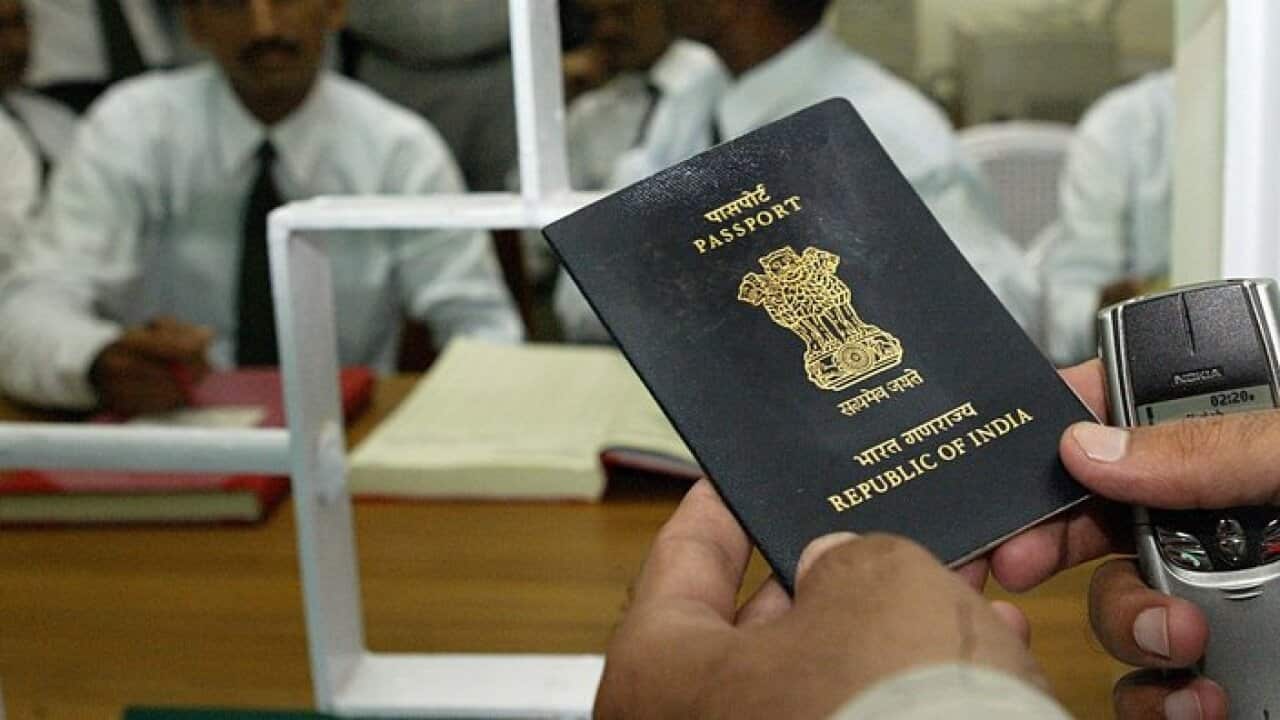
The Indian government has suspended the passports of another 25 non-resident Indians currently living overseas over the allegations of abandoning their wives in India.
“We keep receiving such complaints where non-resident Indians have been held accountable for abandoning their wives. The action taken depends on priority,” an official of India’s Ministry of Women and Child Development said.
Eight of the passports were cancelled on the recommendation by the ministry while in rest of the cases, police sought action against them.
The Indian authorities have, in the recent months, intensified their action against the alleged truant husbands living outside India who are accused of abandoning their wives in India.
The states of Punjab and Gujarat are said to be home to tens of thousands ‘abandoned wives’ – a term commonly used for women married to Indian men who left them soon after their marriage without a legal divorce.
More recently, a number of cases have also come to the light from the north Indian state of Haryana.
Last month, the Regional Passport Office in Chandigarh that caters to parts of Punjab and Haryana suspended passports of 60 men – most of whom were based in Australia and Canada.
With their passports revoked, not only these men would be unable to travel using the document, but their visas have also been rendered invalid.
“This effectively means that those passports are not valid now and that makes all the visas linked to those passports invalid too,” Regional Passport Officer, Sibash Kabiraj told SBS Punjabi last month.
He said these men would be stranded where they are and they can only travel to India on emergency documents issued by the local Indian missions.
Apart from this, Look-Out-Circulars are also issued against some men where the police have evidence of these men deliberately evading court summons or breaching judicial orders.
The Indian Government recently formed an inter-ministerial body to deal with the matrimonial disputes involving Non-Resident Indians. The body has members from the Ministry of Women and Child Development, India’s Ministry of External Affairs and the Home Ministry.



