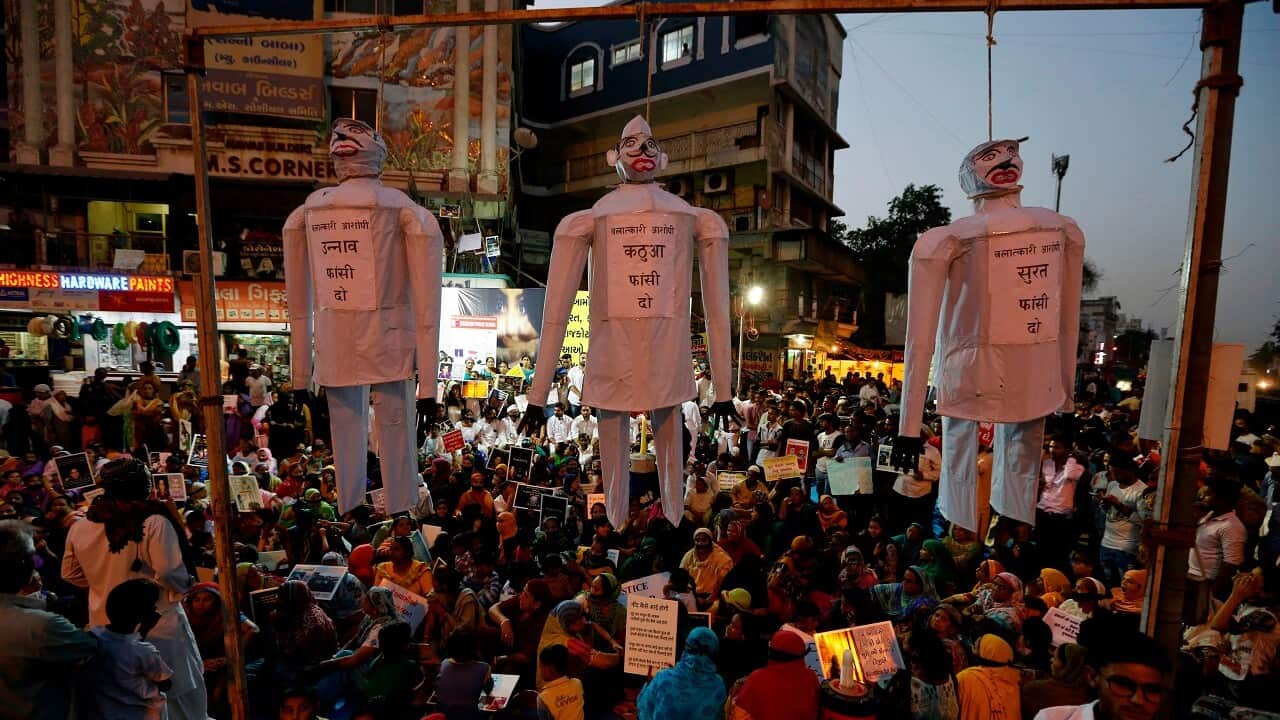
When Neel Banerjee, a theatre artist from Sydney heard about the alleged gang rape and murder of an eight-year-old girl in Kathua in the state of Jammu and Kashmir, he felt his home country had once again failed to deliver on its promises to protect its women.
His “love and concern” prompted him and nearly a hundred other Indian co-petitioners from countries as far as the United States and France to write an open letter to the Indian consulate in Australia expressing their “anger and mute hopelessness at the unjustifiable delay and cover-ups in the investigations to bring justice” for the child from the minority Muslim Bakerwal nomadic tribe.
In the letter, the group of writers, art-practitioners, academics, and media professionals allege that the Kathua rape is one of many heinous crimes committed against minorities since the Narendra Modi-led government came to power in 2014."The abuse of women and minors as fodder in these hate crimes, of using rape as a weapon of war against its own citizens .... is the all-too-common face of the dastardly campaigns that seek to obliterate the existence of, and engage in a sustained drive against, Muslims and other minorities in India under the ruling Bharatiya Janata Party (BJP) government." the letter states.
The petitioners are calling for "Zero Tolerance After Asifa', stating that the onslaught of cases of violence against women and minority communities under the Modi leadership was “damaging” relations between India and Australia.
“We are appalled, outraged and ashamed at the way gender oppression is appropriated, torture on minority groups are justified, and interventions into people’s daily lives, food habits and cultural practices are being committed with impunity in the name of Hinduism under the aegis of the ruling Bharatiya Janata Party, led by the Prime Minister, Mr Narendra Modi.”
In 2012, the Indian government had made a slew of promises to ensure the safety of women in the country following the brutal gang rape of a student in Delhi.
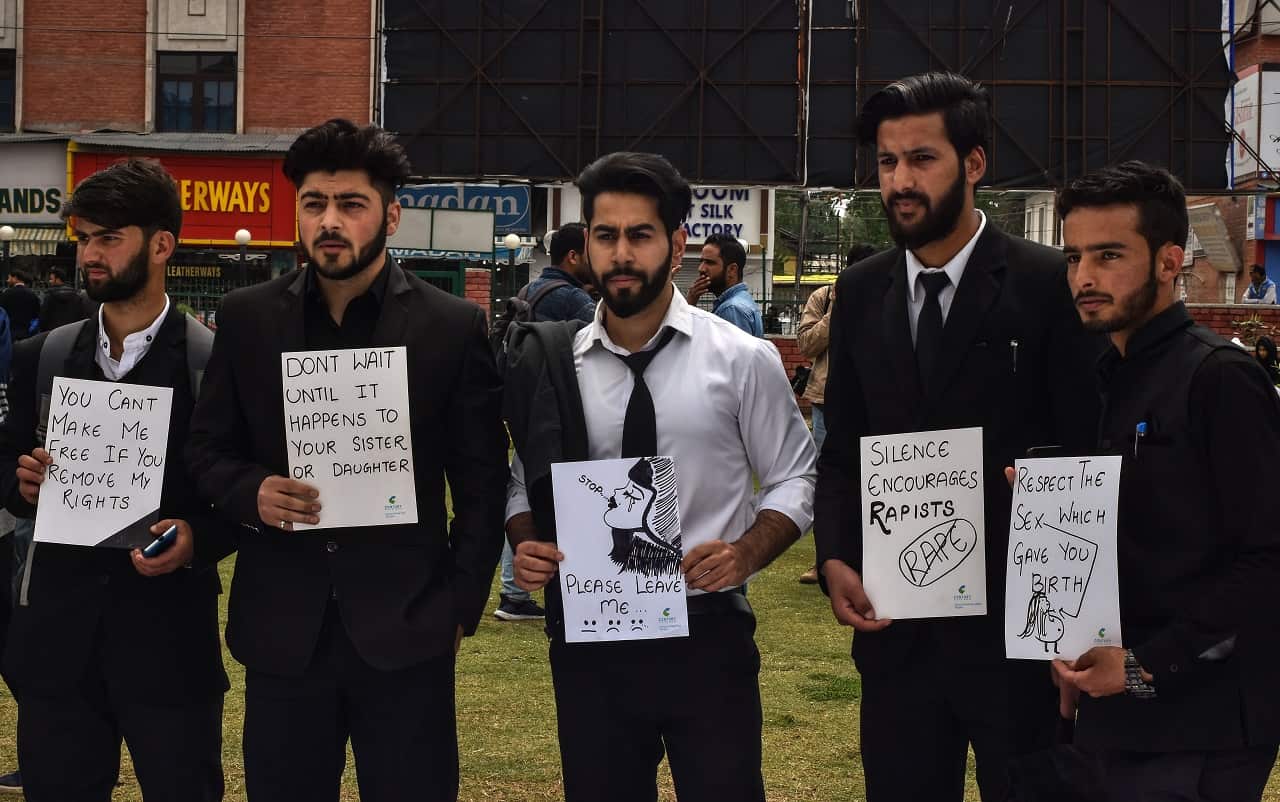
The government took measures to strengthen its legal system, set up fast track courts to expedite cases of violence against women, launched 24/7 women's helplines, and also added street lights and CCTV cameras - all in an effort to make women feel safer.
But Mr Banerjee and his co-petitioners say they feel not much has changed on the ground.
“It’s quite disturbing that even after six years of the rape case that shook the country, nothing has really changed. It is shocking to see the Indian government’s silence over the issue and the way the investigation is being handled. They are trying to brush things under the carpet”-Neel Banerjee
Another co-petitioner, Dr Roanna Gonsalves, a writer based in Sydney, says she is hoping their campaign will strike a responsive chord with the law enforcement strategies.
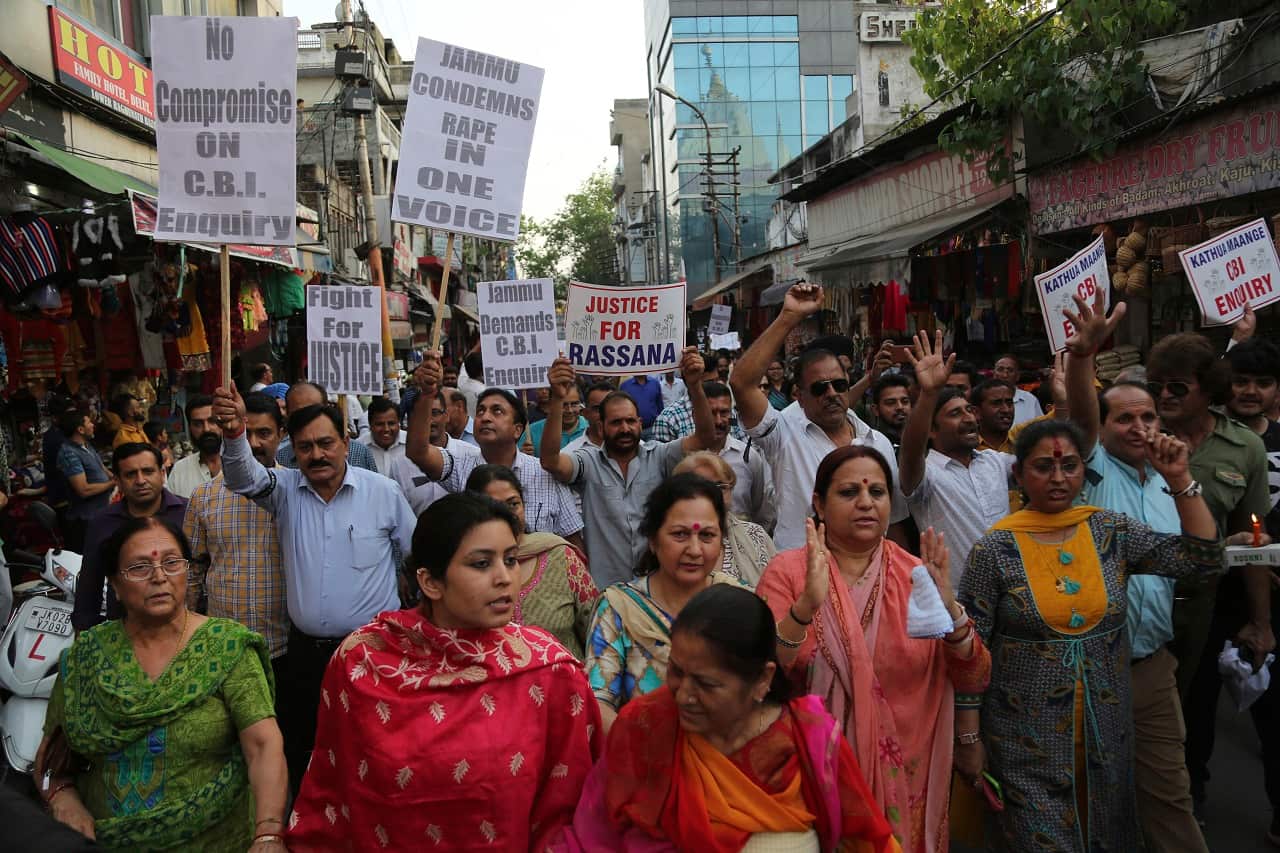
“We are all part of a very sexist, patriarchal society. And to tackle this, we need to see a change in the educational policies, a strong support for women rights in India”, Dr Gonsalves told SBS Punjabi.
"India is in need of legal reforms and a long term, lasting strategy to deal with the issue. Stop gap measures are not going to make much sense"- Dr Roanna Gonsalves
Calling for a “zero tolerance” policy over the Kathua incident, the group which claims to be “closely connected to India” concluded the letter imploring the Modi government to compensate the victim’s family and deliver prompt justice to the eight-year-old and all other victims of sexual violence.
Follow SBS Punjabi on Facebook and Twitter.



