
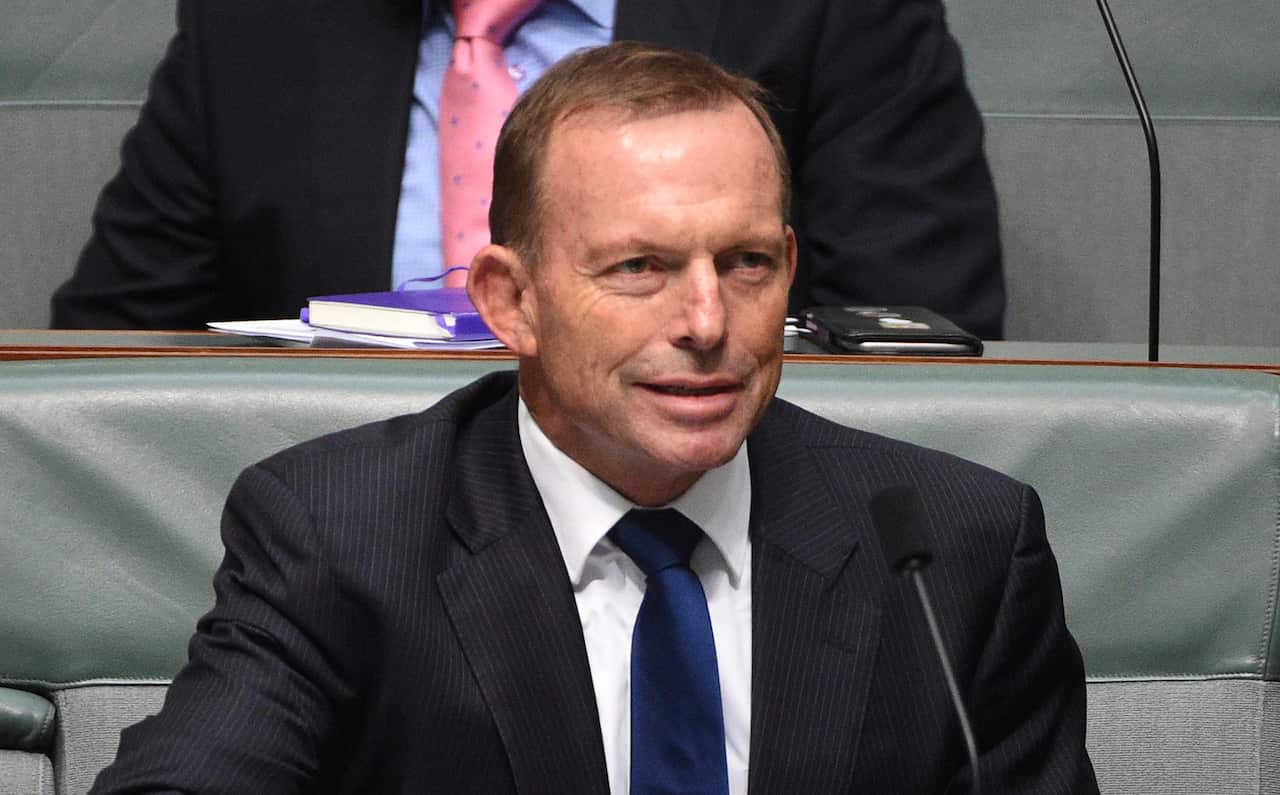
Since 2013, Tony Abbott was the third prime minister the Australians had had. There was going to be a fourth one in just under three years, warning signs of which came as early as February 2015.
Tony Abbott survived the February leadership challenge. But, a spill was only inevitable.
On 14 September 2015, Malcolm Turnbull defeated Abbott 54 to 44 in a party room ballot and became the fourth prime minister to hold office in less than three years.
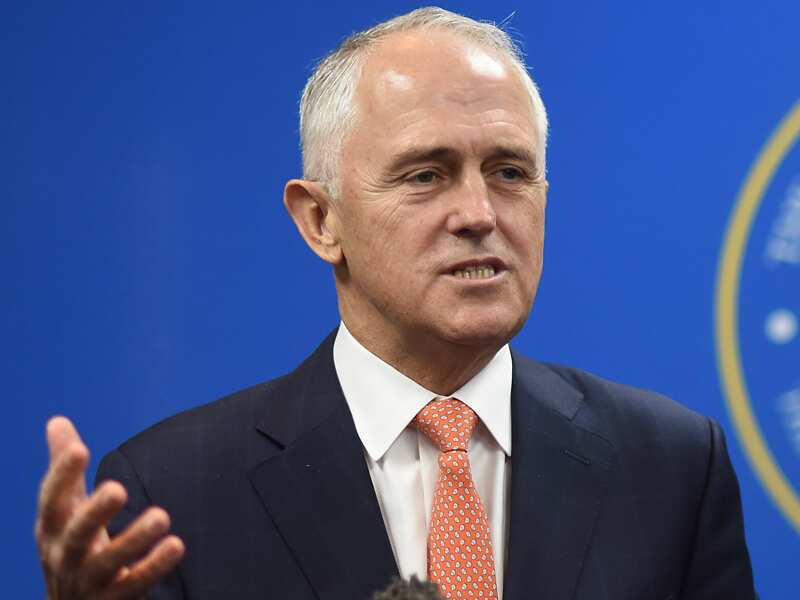
Malcolm Turnbull pulled the double dissolution trigger in May this year at the back of the senate’s failure to pass the Australian Building and Construction Commission Bill.
If on July 2, Australians elect a new government, Australia will have it fifth prime minister in just over three years. With prime ministerial musical chairs already on, it may not be the signal Australia wants to send internationally.
An editorial in South China Morning Post says it has affected the policymaking.
“The political uncertainty has not hurt the economy, which has been growing for 25 years. But policymaking has suffered, as have regional and international perceptions and influence. Until a strong leader with a clear mandate to govern is elected, other nations will be wary about deal-making and forming partnerships.”
Rudd-Gillard Saga
Not long before Tony Abbott was consigned to the list of former PMs by way of Liberal party leadership spill, the similar events had transpired in the Labor party as well. Not once, but twice, in quick succession.
In June 2010, Kevin Rudd, Australia’s 26th prime minister became one of the few leaders to be removed by their own party when his own deputy Julia Gillard toppled him.
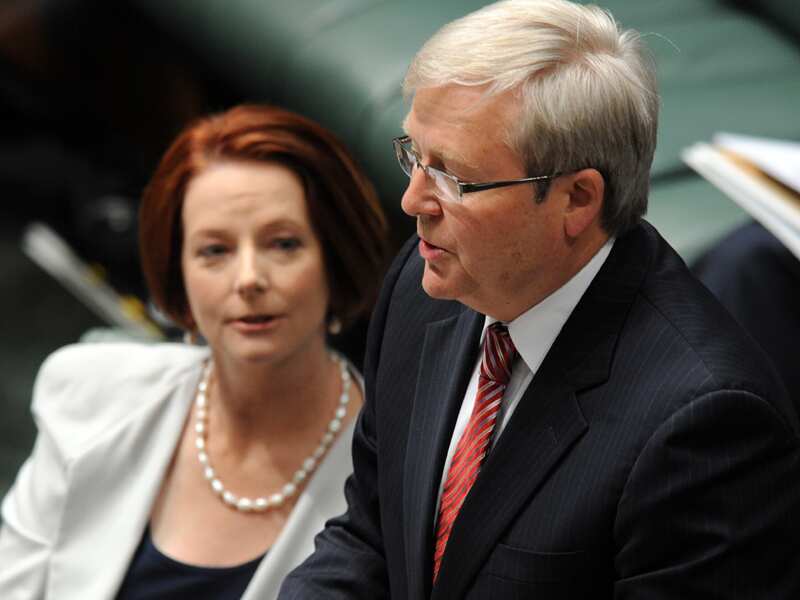
Three years later, in June 2013, he was again sworn in as prime minister for 11 weeks after he toppled Julia Gillard, the first woman prime minister of Australia. Rudd resigned from parliament after Labor’s defeat in federal election held in September of that year.
Seventh double dissolution election
A double dissolution is a procedure permitted under the Australian Constitution to resolve deadlocks in the bicameral parliament of Australia between the House of Representatives and the Senate. A double dissolution is the only circumstance in which the entire Senate can be dissolved.

The July 2 election is only the seventh double dissolution election in Australia. Before this election, double dissolution elections were called in 1987, 1983 and 1975. The 1975 election was called after the ‘Dismissal’- considered to be the greatest political and constitutional crisis in Australian history, when Gough Whitlam was dismissed from the office of prime minister by Governor -general Sir John Kerr, appointing leader of the opposition Malcolm Fraser as the caretaker prime minister.
This is how your vote works



