


71 years ago, between 6-9th August 1945, U.S. atomic bombs killed over 100,000 innocent civilians in Hiroshima and Nagasaki, Japan. To mark the anniversary,SBS Punjabi's Preetinder Singh Grewal presents a special report...
The humanitarian consequences of nuclear weapons are horrific and cannot be limited over space or time.
On August 6, 1945 the U.S. dropped a uranium gun-type atomic bomb (Little Boy) on the city of Hiroshima. Three days later, on August 9, the U.S. dropped a plutonium implosion-type bomb (Fat Man) on the city of Nagasaki, Japan.
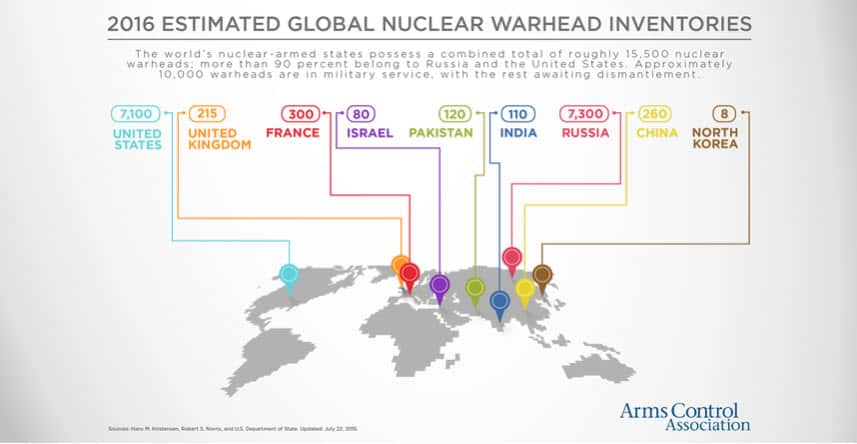
More than 25 years after the end of the Cold War, the world’s combined stockpiles of nuclear weapons remains at unacceptably high levels.
According to Ploughshares Fund, nine countries in the world possess a total of 15,375 nuclear weapons. The United States and Russia account for 93 % of them.
Share