
Dr Amarjit Singh More has been recognised posthumously for his service to medicine and the local Woolgoolga community. He is remembered for helping establish the local Sikh temple, which is the country’s oldest and has now been granted heritage status.
Highlights
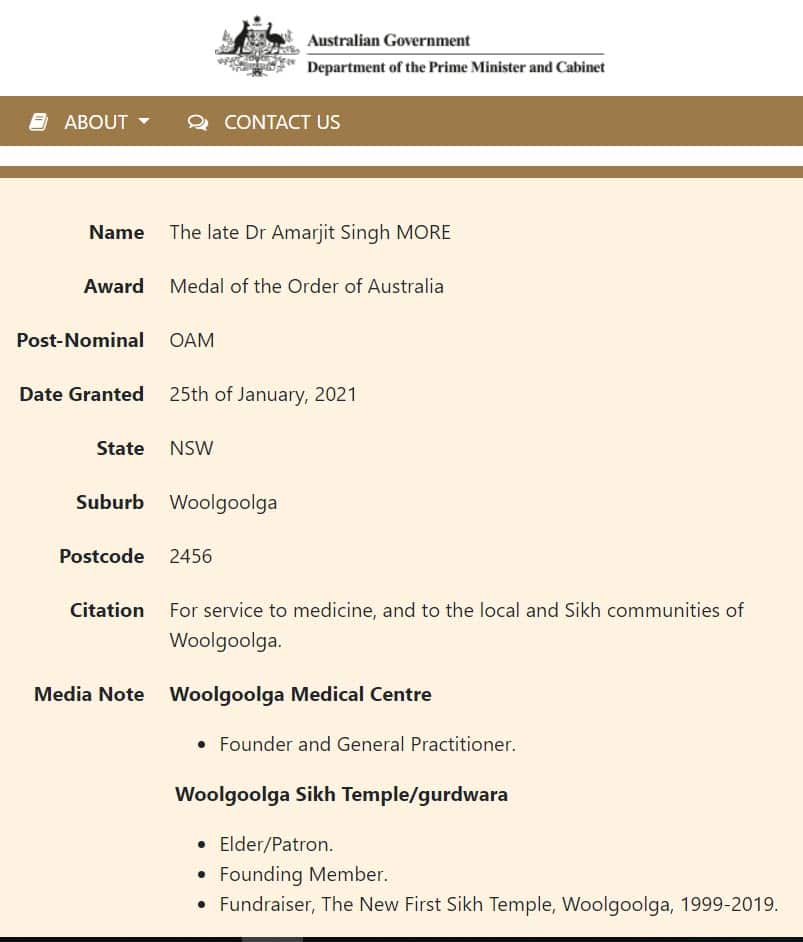
- Dr Amarjit Singh More has been posthumously conferred with OAM in the 2021 Australia Day Honours
- Dr More was a prominent doctor and Punjabi from Woolgoolga
- He is credited for his services to the local Sikh community
Dr More, who lived and worked in this scenic little coastal city of New South Wales, has been conferred with the OAM in 2021, less than a year after he passed away.
A local GP, he served the community for decades and founded the local Lions Club in 1976. He was also a lifetime supporter of the Returned and Services League of Australia.
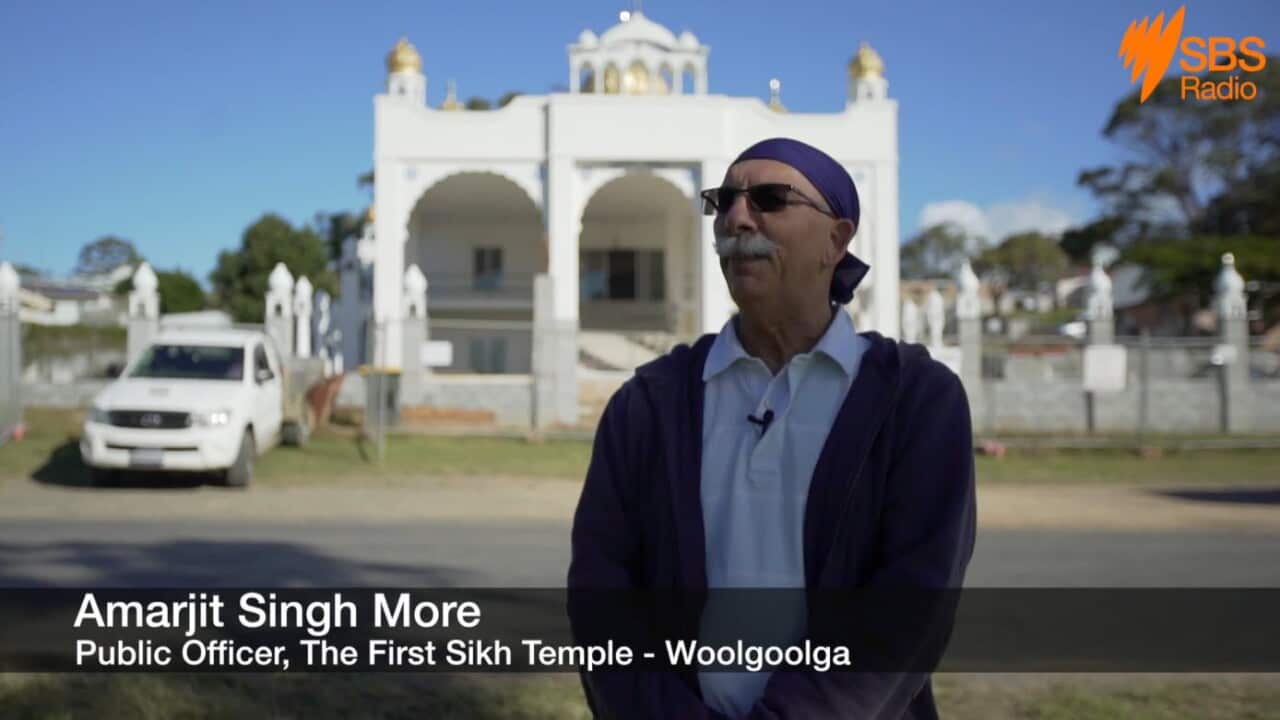
Passionate about studying medicine and treating the sick, Dr More also served as the Public Officer of Guru Nanak Sikh Temple, Woolgoolga.
“When he was diagnosed with a fatal disease a couple of years ago, I went to meet him. He was obviously upset, but not for himself. His first words were, ‘what about my patients after I’m gone’,” recalls Dr More’s younger sister Deesh Kaur.
Also a resident of Woolgoolga, Ms Kaur feels Dr More richly deserved this honour conferred on him by the Governor General of the Commonwealth of Australia.
“My brother passed away last year but has left behind a big name for himself. People loved him because he worked for the entire community,” recalls Ms Kaur.
Guru Nanak Sikh Temple is the oldest gurdwara in Australia and was granted heritage status in 2020. Officially opened to the public in 1968, this gurdwara was built by the local community, which resided in the building next door, and is amongst the earliest groups of Punjabis to move to Australia.
“Our father was instrumental in materialising plans and resources for this gurdwara. He and my brother would raise funds for it from not only the Indian community but even the Australian community,” Ms Kaur adds.
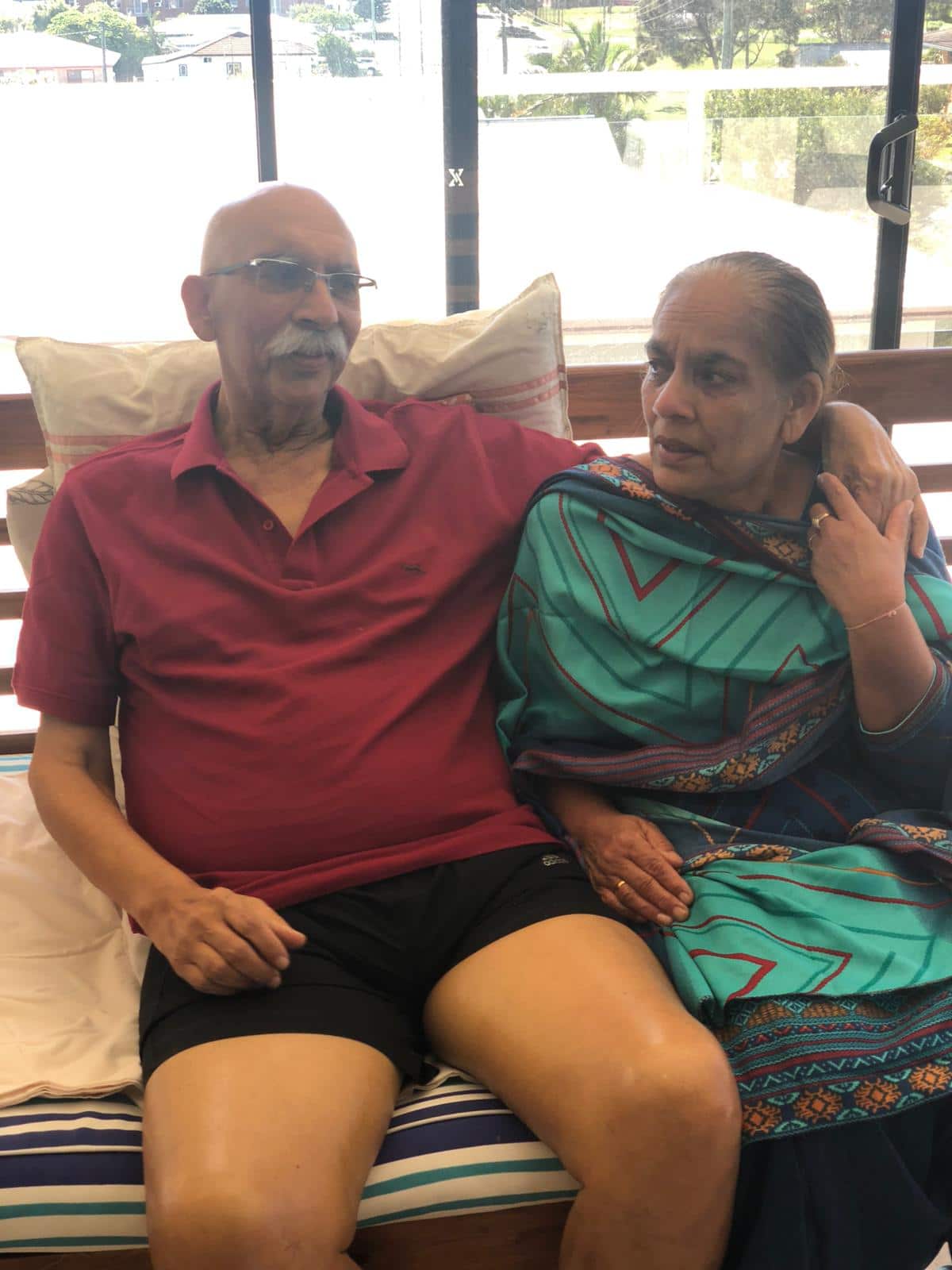
Ms Kaur is overcome with emotion as she recalls the philanthropic activities of her late brother who passed away at age 68.
“That he wasn’t very old yet, hurts us a lot. He never thought that he will only be kind to people of Indian origin. His motto was to serve all. He’d specifically say that we must let the Europeans know who we are through our service and sense of equality,” signs off Ms Kaur.
Listen to this podcast in Punjabi by clicking on the picture at the top of the page.
Listen to SBS Punjabi Monday to Friday at 9 pm. Follow us on Facebook and Twitter.