



A national literacy hotline has recorded a sharp increase in calls during the COVID-19 pandemic from people struggling to understand key public health messages.
Being able to understand public health messages is something a lot of people in Australia take for granted. But for the millions of those with low literacy levels, it's a daily struggle. Vanessa Iles is Manager of the Reading Writing Hotline.
She says a concerning number of people have been contacting the hotline during the pandemic because they're struggling to understand key health information and don't know where else to go for help
"We've had a 46 per cent increase in calls in the second half of this year. And these are people that are seeking information generally about literacy classes, but what we're finding is that an increasing number of them are asking us questions about the health messaging. So they're either struggling to follow the information and advice that's out there, or they're having trouble with the actual digital navigation, trying to make bookings, and download QR readers and QR codes, etc."
She says most health information is written using such advanced levels of language, that around 44 per cent of adults in Australia will find it very difficult to understand.
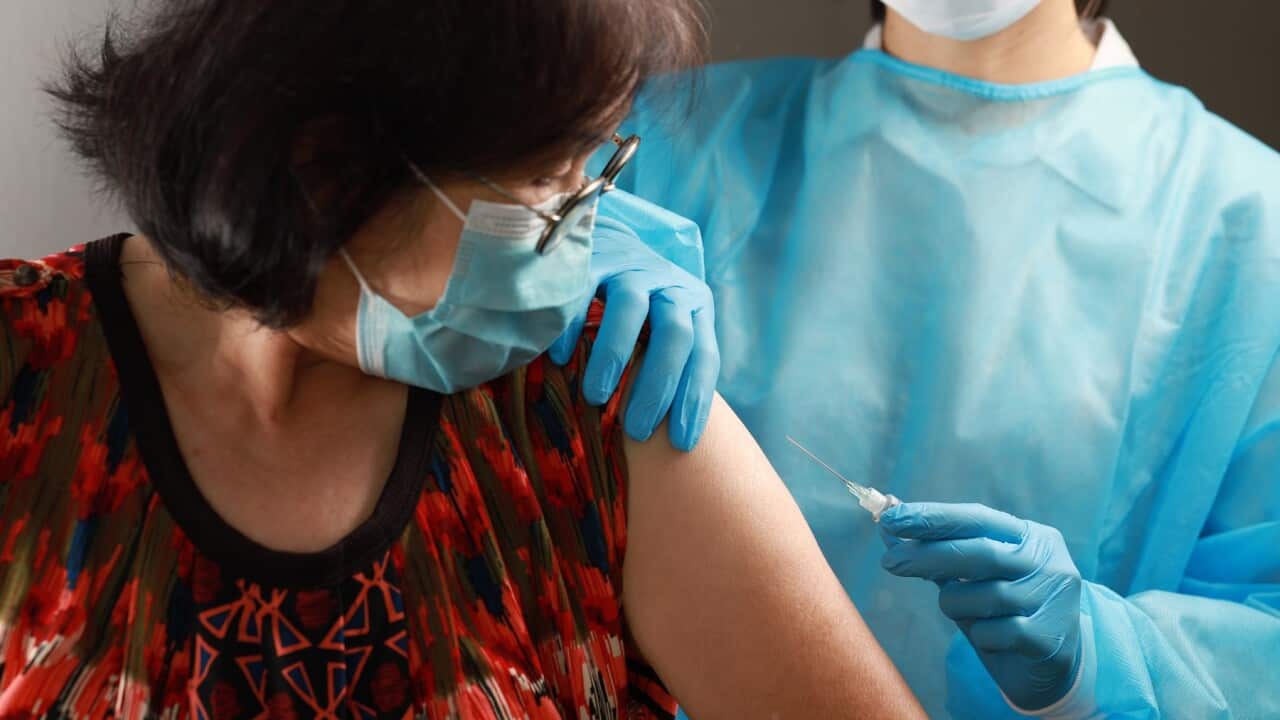
"People need to be able to read enough information to make decisions about getting the vaccine, they need digital literacy in order to access the bookings, and then often a QR reader at the site of the vaccine clinic to then fill in the consent questions, and then you need to read pages on the side effects of that vaccine, and perhaps then also the restrictions that are in place, so it's a lot of information."
Click on the player at the top of the page to listen to the feature in Punjabi.
SBS is committed to informing Australia’s diverse communities about the latest COVID-19 developments. News and information is available in 63 languages at https://www.sbs.com.au/language/coronavirus
Listen to SBS Punjabi Monday to Friday at 9 pm. Follow us on Facebook and Twitter.