

'Living materials' is a relatively new trend in advanced manufacturing and design. Dr Anastasia Globa, lecturer in computational design at the University of Sydney, told SBS Russian about the concept of 'living materials' and explained how mycelium can be used to turn organic waste into new materials.
Dr Anastasia Globa from the University of Sydney started experimenting with mycelium during lockdowns.
Dr Globa explains that mycelium can be used to process any organic waste: mycelium 'eats' waste and turns it into organic material.
For her first experiments, Dr Globa printed out different forms on a 3D-printer. She filled the molds with a mixture of ground coffee waste and mycelium. According to Dr Globa, mycelium and ready-made forms for processing are also sold online.
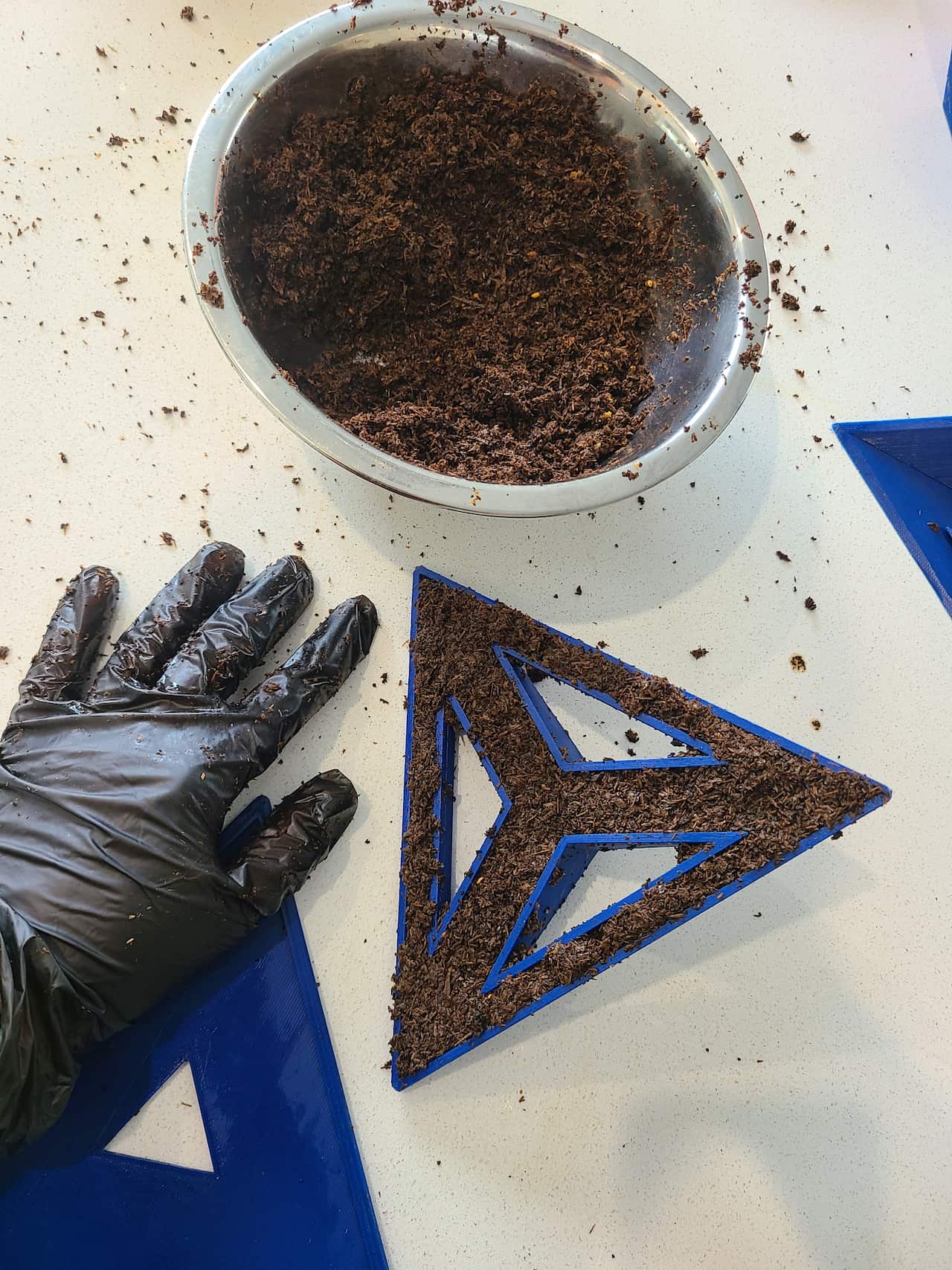
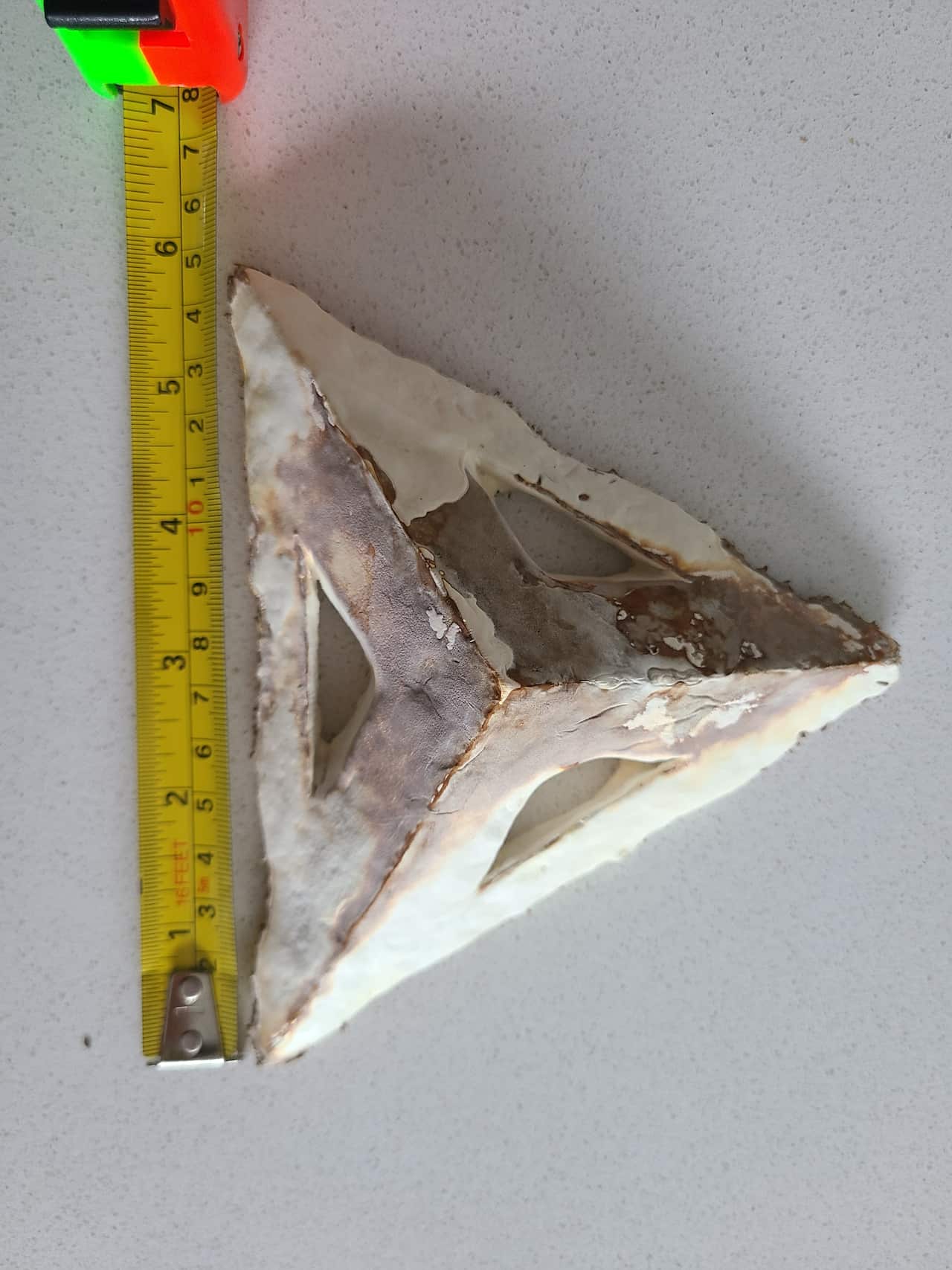
Every morning, Dr Globa sprinkled the molds with water and kept them in the dark. When kept in darkness, mycelium does not sprout and grows inward instead. It takes mycelium approximately two weeks tp process all organic waste inside the mold. After that the mold should be kept in an oven for three hours in order to dry the mycelium and to stop it from growing further.
Tune in for SBS Russian program on Mondays, Thursdays and Saturdays at noon.