"Trends in international mathematics and science study" or TIMMS assessment shows that Australian primary and secondary school students are struggling in Numeracy, Math and Science. Government, academics and parents are equally worried about the declining trend however some innovative ideas are also floating around especially among migrants educational and learning groups to reduce the gap.
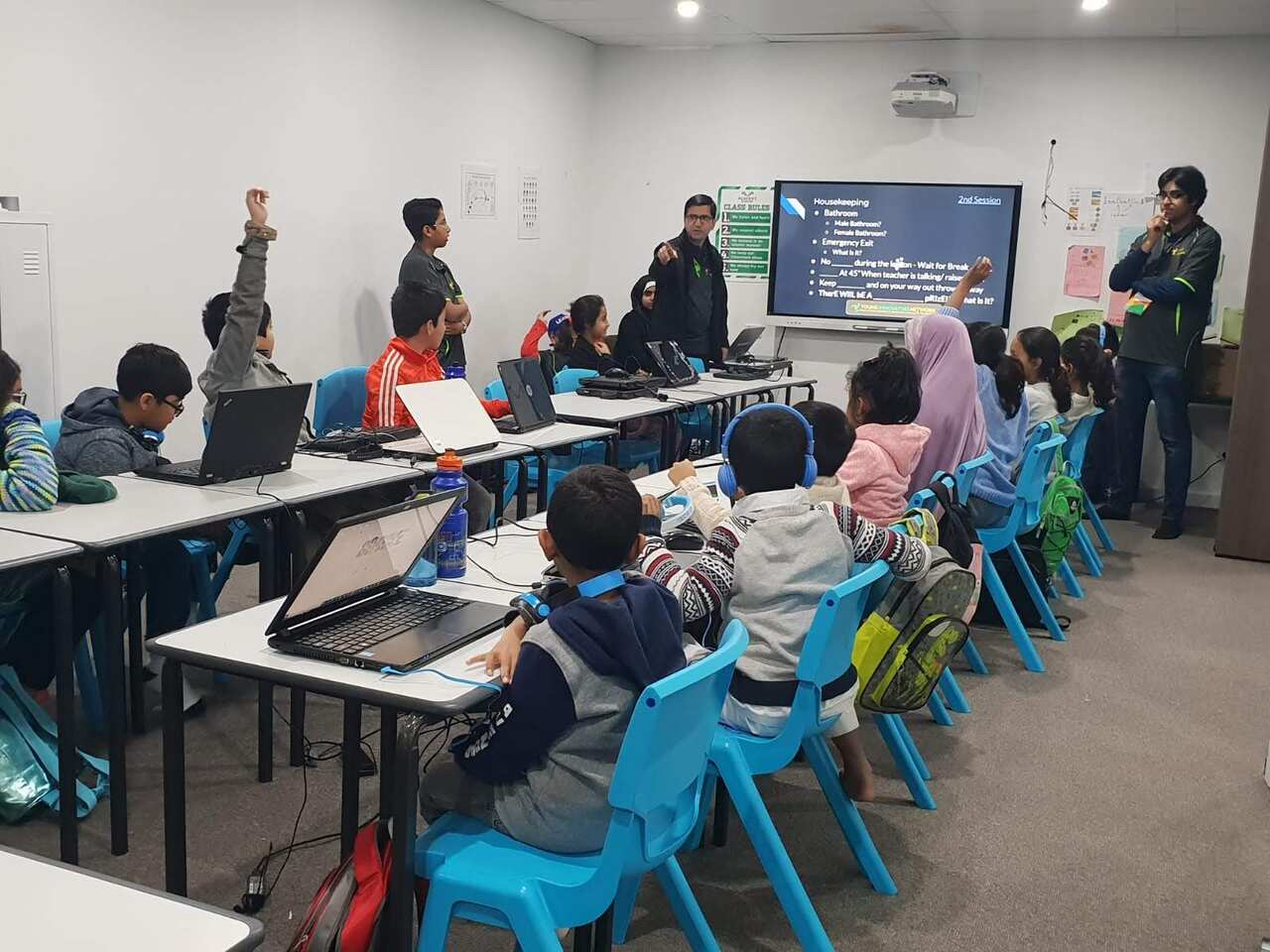
Workshops, boot camps, quiz, competitions and tech parties. These are a few modes of activities that young innovators network organizes for schoolies of migrant background to get them acquainted with future based technologies.
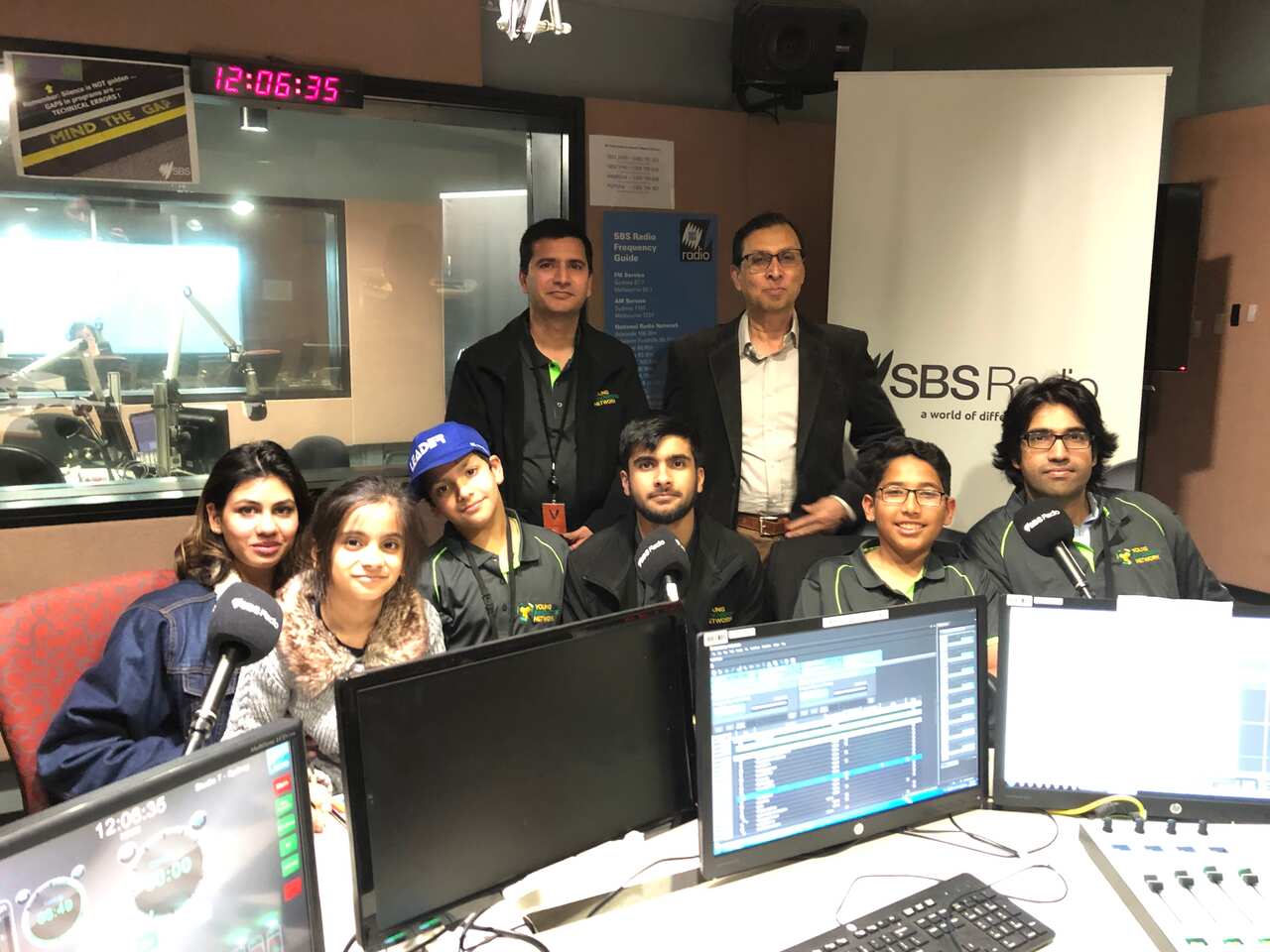
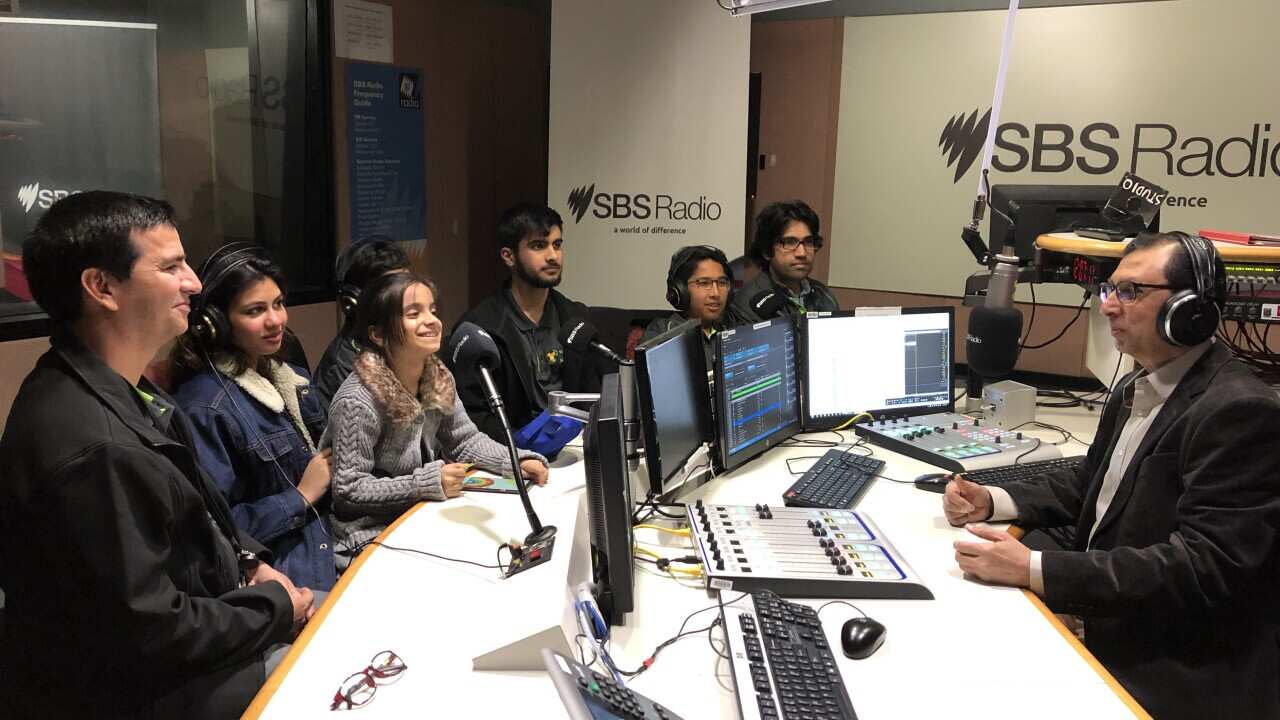
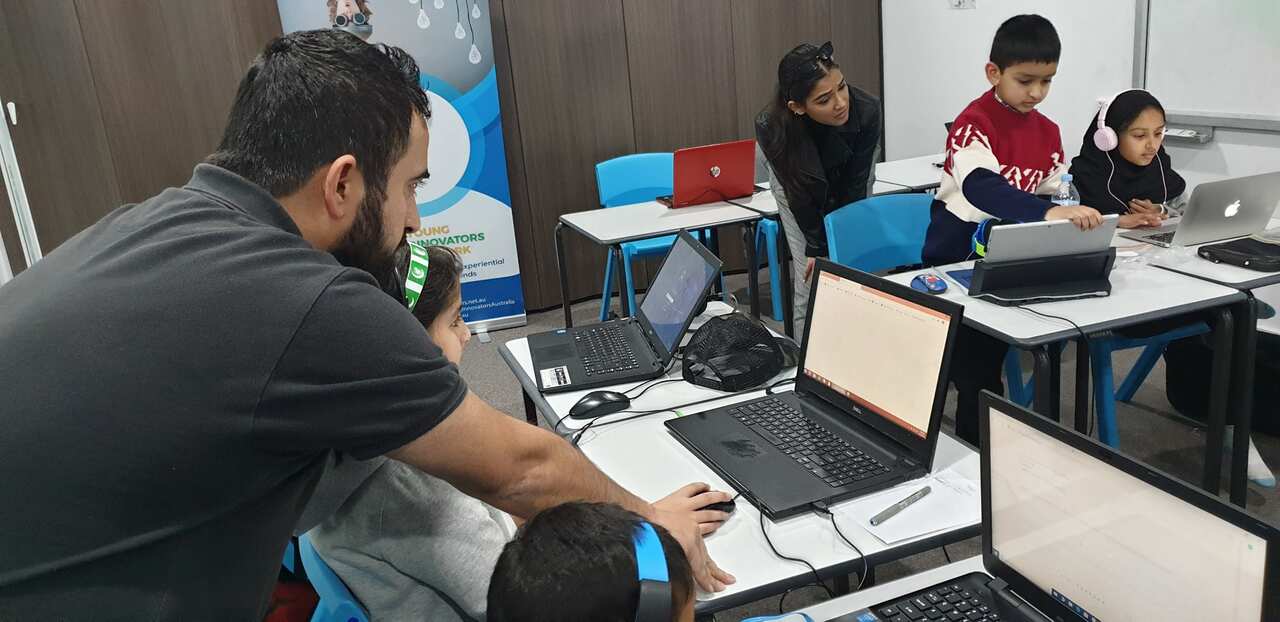
Chief coordinator Shafqat Ali told SBS Urdu that Young Innovators Network came up with an idea of "self-query" and "self-decision" project-based learning activities to create kids interest in Science & Math.
This is important to elaborate the imaginations of youngsters by mentoring them so they can be acquired decision-making skills
Shafqat agreed that technical Innovation and hi-tech creativity can be polished but it can not be embedded. "We are providing these kids with a platform to learn according to their aptitude. If we feel that kid has numeracy and science aptitude only then we move them to a like-minded group. Our purpose is to polish raw talent by providing the right tools and gadgets and then mentoring them in a creative environment, he added.
Aisha Khan is Student mentor at the University of Technology, Sydney. She emphasises the need for critical thinking and need of a platform to jointly share ideas.
I, as a mentor, coordinating between software engineering school of UTS and young innovators to provide them an open space where they can share their thoughts and learn about upcoming technologies
Mentor and mentees all agreed that coding is not only about zero-one combination that links human with the computer but it also gives them control on characters used in digital games and stories.
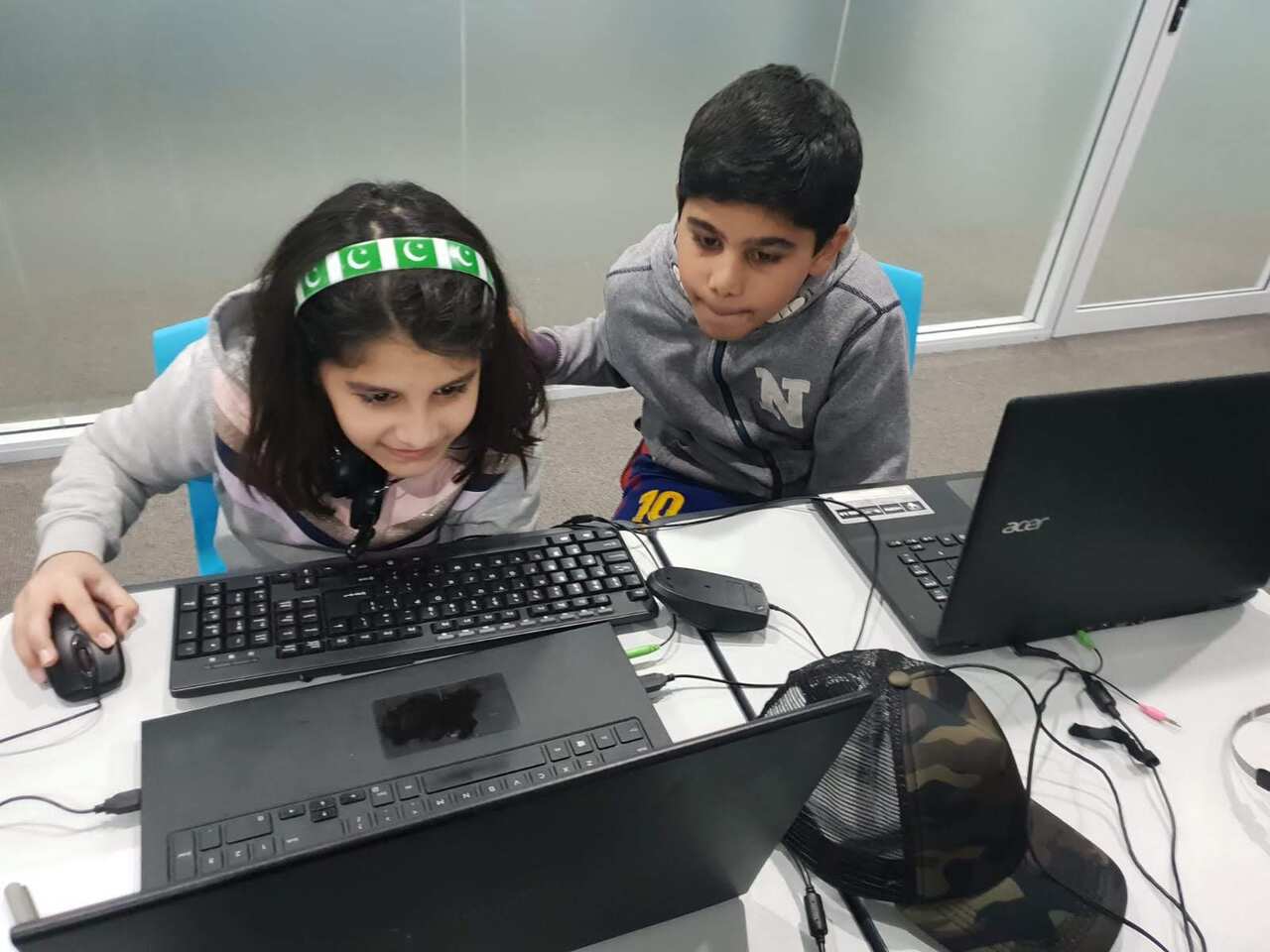
Chief coordinator Shafqat Ali agreed that Math and science could not be for everyone but the skills gained during these activity-based workshops are not limited to computing but equally beneficiary in all fields of education and practical life.
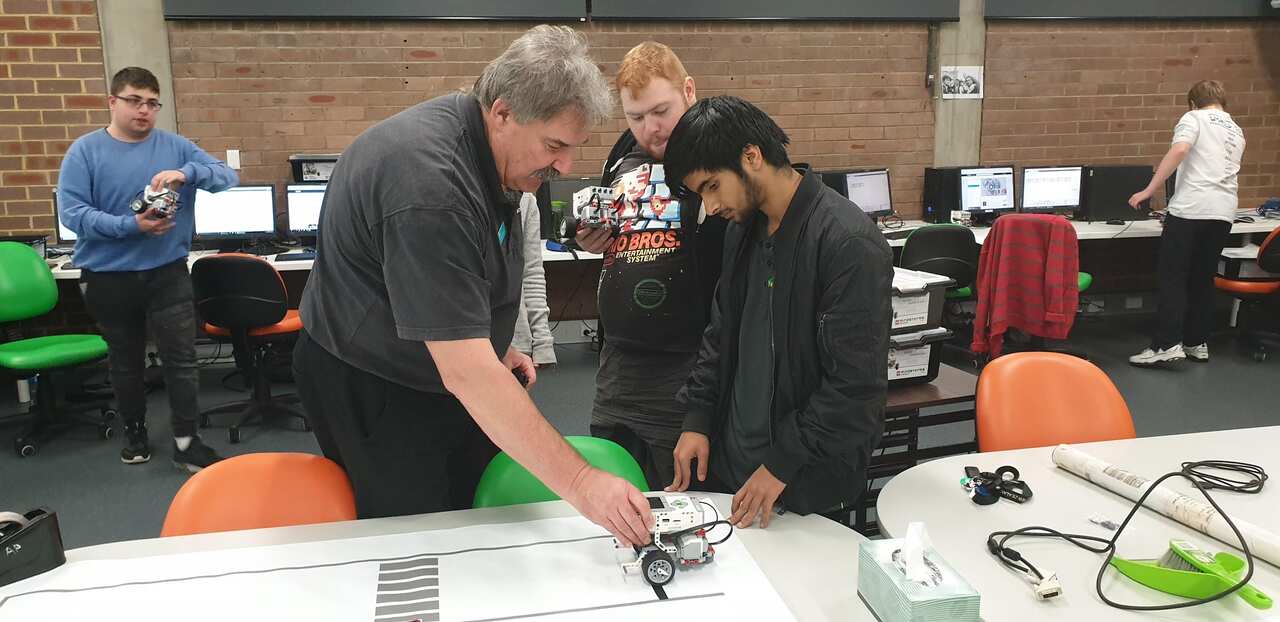
Group's latest event is related to Software Engineering/Programming that is designed for high school and University Students equally. This event is jointly organized by the UTS School of Computer Science (DigiSas Lab) and young innovators network. UTS mentor Aisha says that the purpose of the session is to create awareness about upcoming technologies and professions associated with them.
Brainstorming exercises, self-managed tech games, animated stories and computer games are some of the outcomes of activities but YIN sessions are based on self-learning of different fields related to Math and Science. Saad Younas is PhD Student of UNSW who is working as a chief mentor for many years in Campbelltown region of Western Sydney. He is keen to bring schoolies on-board so they can explore their mathematical and science skills themselves.
Just take an example of computer coding exercise that gives kids enormous freedom to end the game and stories according to their own imagination. It tunes kid's brain cells for taking quick decision and in turn leads to innovative ideas.
Ayyan, a year 4 mentee, enjoys computer coding that gives him control over the faith of each character in digital story/game. Year nine students, Shayan Alia and Hamza Jamil are undecided about their future professions but they both agreed that learning experience they gain during the workshops greatly help them in developing decision-making skills.
Early intervention is vital to track students who struggle in literacy and numeracy in the class. Centre for independent studies Australia has placed New South Wales government’s ‘Best Start Year 7’ program as a project that is producing positive results. Program is based on evidence-based literacy and numeracy intervention to help them. Migrants kids are more vulnerable and having a high risk of "left behind" but the projects similar to those initiated by YIN could help greatly to Oz schoolies with a migrant background.
Note: Following participants shared their views in SBS Urdu discussion forum
- Shafqat Ali, team coordinator of Young Innovators Network
- Aisha Khan, UTS Student mentor
- Ayyan Ali, Pakistan Society, Mentee member of young innovator club (Y4 student)
- Shayan Ali, Mentor/Member of young innovator club (Y9 student)
- Hamza Jamil, Mentor/Member of young innovator club (Y9 student)
- Saad Younas, Chief mentor - Young Innovator & PhD Student UNSW
__________________



