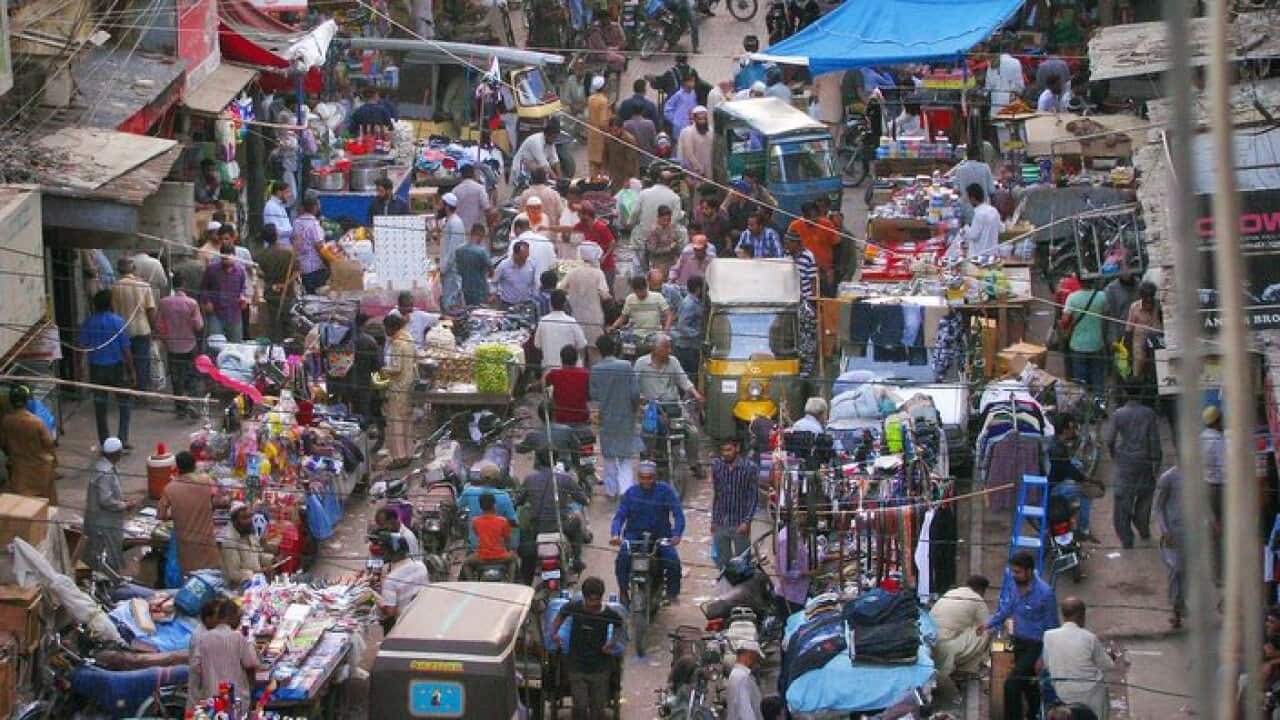
The provisional results of Pakistan’s first census in almost two decades have put the country’s population mark at 207.774 million, an increase of about 75 million since the last time the population count was conducted back in 1998.
The total number has grown from 132.352 million in 1998 to 207.774 million in 2017 with an annual growth rate of 2.4 per cent.
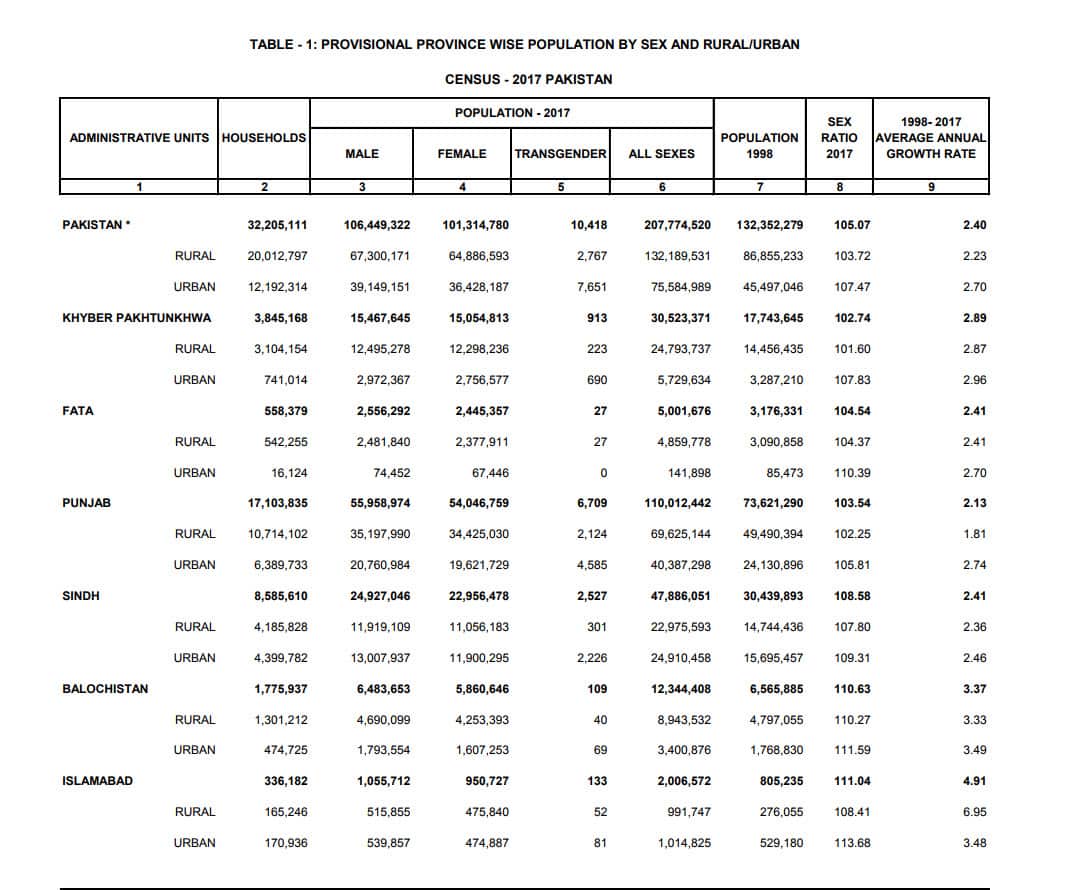
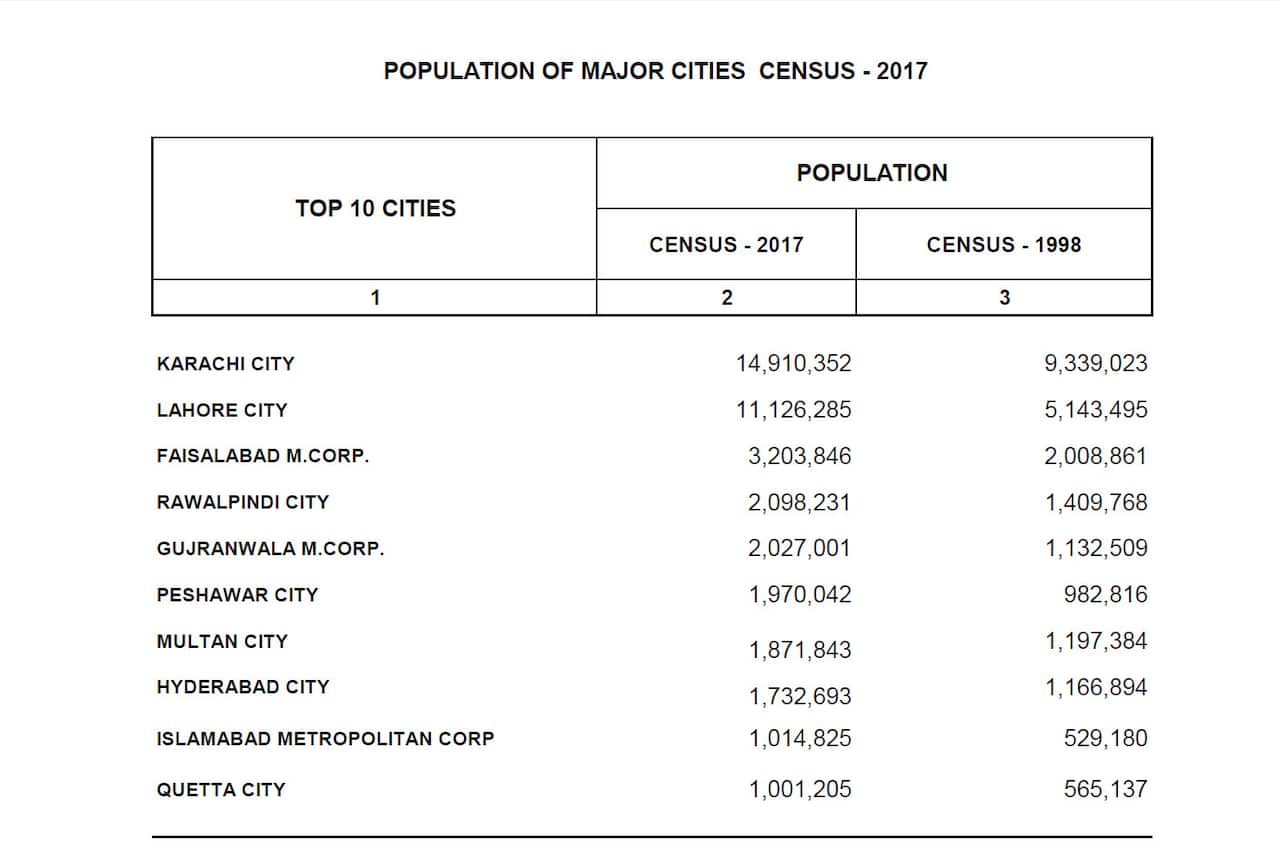
The Pakistan Bureau of Statistics recently announced the provisional results of the sixth population and housing census in the country’s history with Karachi being the most populous city, followed by Lahore.
The summary shows an overall increase in population by 57 per cent over the year 1998, while the population increased by 146.6 per cent since the 1981 census.
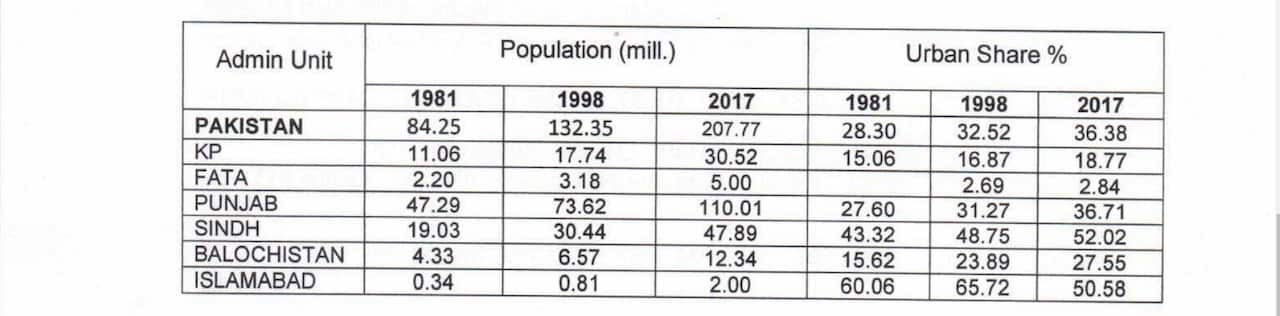
More than half the population (around 132 million) reside in rural areas while around 75 million are urbanites, but, the population living in urban areas has shown a growing trend over the period of last three population counts.
In 1981, around 28 per cent population lived in urban areas. Its share in the 1998 census was 32.52 per cent, while the current trend shows it at 36.38 per cent.
The results do not include the numbers Kashmir and Gilgit-Baltistan.
According to the World Population Prospects: The 2017 Revision, published by the United Nations Department of Economic and Social Affairs, it is expected that from 2017 to 2050 half of the world’s population growth will be concentrated in just nine countries: India, Nigeria, the Democratic Republic of Congo, Pakistan, Ethiopia, the United Republic of Tanzania, the United States of America, Uganda and Indonesia (ordered by their expected contribution to total growth).
The same UN report has China as the most populous country in the world, followed by India, USA, Indonesia and Brazil.
RELATED



