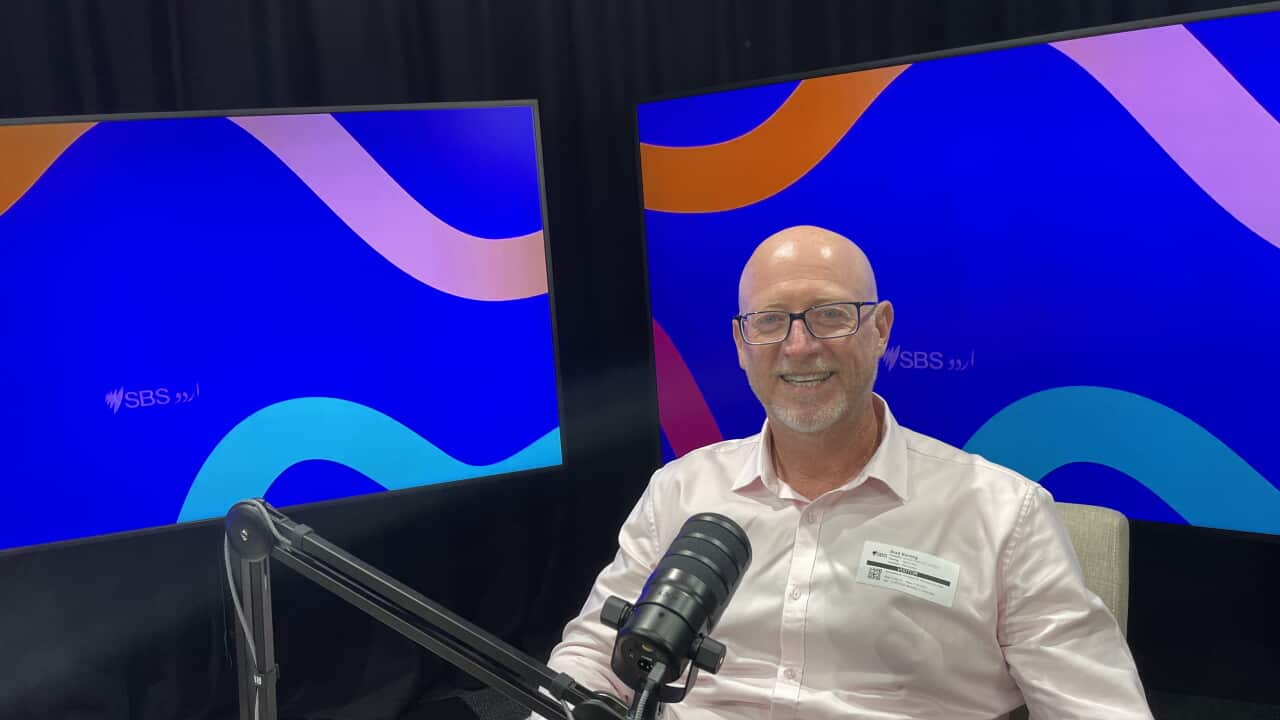


According to Siddique Jan, Imran Khan's imprisonment and his political standing are two separate issues. He said Imran Khan is the most popular political leader in Pakistan since Muhammad Ali Jinnah, with a strong voter base across all four provinces, as well as in Azad Kashmir and Gilgit-Baltistan. However, Jan argued that Pakistan Tehreek-e-Insaf (PTI) is facing deep internal divisions, while any prospect of reconciliation between Imran Khan and the country's military establishment appears unlikely for the time being.
According to Siddique Jan, there are significant differences between Imran Khan and Pakistan's military establishment on major issues, including relations with the United States, Iran and Afghanistan, as well as military operations against domestic terrorism. He argued that these differences make any reconciliation in the near future unlikely. However, Jan said Pakistan's economic and security challenges—particularly the need for increased defence spending and the country's growing reliance on remittances—could eventually create conditions for a compromise.
Jan also criticised PTI's internal leadership, arguing that Secretary General Salman Akram Raja's leadership has contributed to divisions within the party. In his analysis, Imran Khan has three possible paths forward: securing his release through public pressure, reaching an accommodation with the military establishment, or benefiting from changing political circumstances within the system. Jan said he believes the third scenario is the most likely.