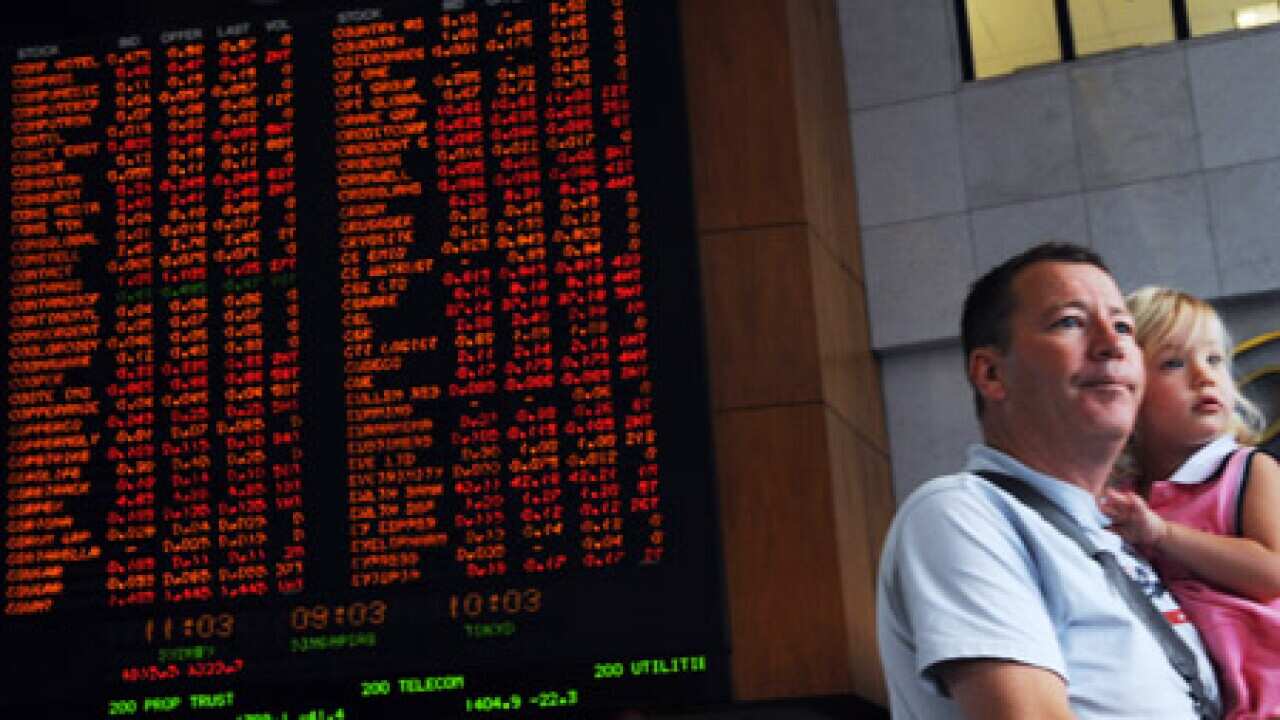
Markets globally have been plagued by the European debt concerns which have started in Greece, then spread to Portgual and now Spain.
While Shane Oliver from AMP Capital expects these concerns to continue to unsettle the markets for a while, bail out funds now look likely to be forthcoming soon. Oliver adds, these debt issues aren't big enough to derail the global economic recovery which seems to be continuing.
News that makes sense
Your trusted source for staying up-to-date with the world around you. Get free daily news updates and analysis, straight to your inbox.
Ben Potter from IG Market agrees, saying these Euro debt worries are just a distraction at the moment, with investors to soon look to the strong earnings numbers across the globe.
In the US, of the 70 per cent of companies which have reported so far, 78% actually beat earnings expectations. Even in Europe, 71% did better than expected.
Economic numbers from America this week were generally upbeat with surges in regional manufacturing and a rise in consumer confidence sending it to its highest level since September 2008. European numbers were a bit mixed and were different across various countries, but Shane Oliver says, overall, it is consistent with signs of a recovery. Even in Japan, small business sentiment and retail sales rose, boosted by a near 8% rise in Korean economic growth.
As for Australia, inflation isn't slowing down as quickly has one would have hoped. Core inflation, at 3.05% for the year, is above the 2 to 3 per cent target band by the Reserve Bank. That measure is preferred by the RBA because it strips out the most volatile items, giving a more consistent and real reading. An increase in the cost of petrol, electricity, health, education and housing drove inflation this time around. But inflation may not cool, because of the higher Australian dollar, and the Federal Government's new cigarette tax, which is set to add around 0.4% to inflation over the year ahead.
So how do you control inflation? Higher interest rates! The word 'inflation' has reappeared in the RBA's statement following its interest rate decision a few times in a row now, so it's something to look out for.
The question is how many more rises can this economy take? If we look at the housing market, it's still bubbling along. The latest RP Data-Rismark Hedonic Australian Home Value Index rose 1.4 per cent in March to its highest on record. Home prices are now up 12.5% on a year ago. But as Craig James from CommSec points out, our housing market is more dominated by a supply and demand issue. He adds, there is some talk the Henry Tax review may look at removing state based property taxes, and move to a more nationalised system. If that happens, it would be the first step in addressing the home shortage.
Still, the guys at St George for one, is expecting a 25 basis point increase at the next board meeting, while CommSec feels there'll be no change. These two views are reflective of the general feeling in the market at the moment, with many economists saying the outcome will be line-ball.
As it stands, the official cash rate is at 4.25%. We'll find out what the central bank decides to do with rates at 2:30pm AEST on Tuesday.







