in brief
- The attorney-general has announced a $2 billion legal case against 3M over its use of forever chemicals.
- The US manufacturing giant says it will defend itself against the government's claims.
United States manufacturing firm 3M has said it will fight a $2 billion legal case brought against it by the Australian government over its products containing so-called 'forever chemicals'.
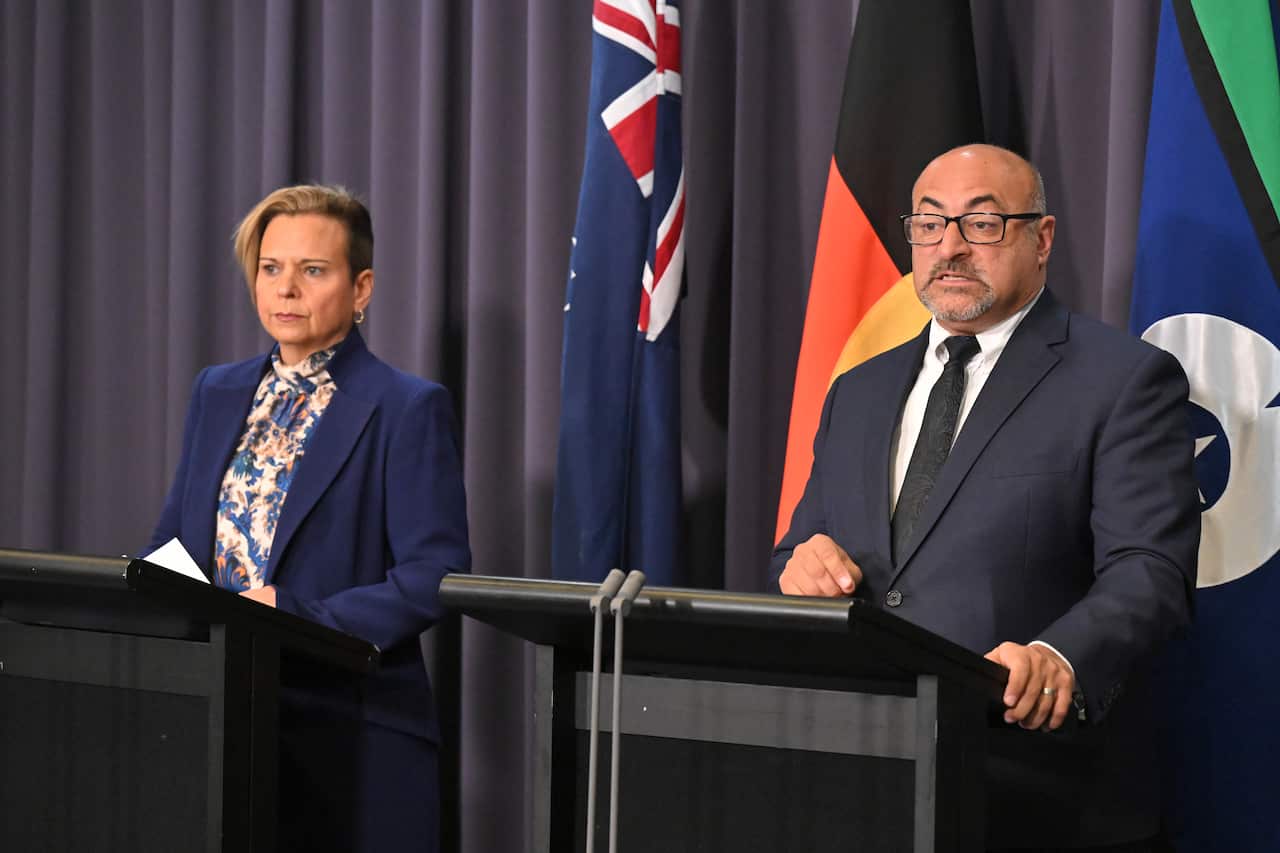
At a press conference on Thursday, Attorney-General Michelle Rowland and Assistant Defence Minister Peter Khalil announced Australia will seek the enormous fee in damages against 3M — the largest legal claim ever brought by a government.
The US multinational is accused of withholding internal test data showing its fire-fighting foam had significant adverse environmental impacts.
"The Commonwealth is seeking more than $2 billion in damages to recover significant past and future expenses incurred in investigating and managing contamination resulting from the historical storage and use of this foam," Rowland told reporters.
"Our position is that 3M withheld a range of information and misrepresented the effects of this substance."
News that makes sense
Your trusted source for staying up-to-date with the world around you. Get free daily news updates and analysis, straight to your inbox.
The company was the historical primary manufacturer of aqueous film-forming foams (AFFF), such as their Lightwater foam line.
The products relied heavily on the addition of per- and polyfluoroalkyl substances (PFAS), which do not break down and accumulate in the environment and in human bodies. They have been linked to an increased risk of cancer as well as immune, hormonal, and birth issues.
PFAS is a vast family of synthetic chemicals that have been used globally in manufacturing for their water-resistant properties since the 1950s.
However, their toxic nature was not fully understood until recent decades, with PFOS, PFOA and PFHxS identified as the most toxic. These were specifically banned in Australia in 2025, but their use in legacy fire-fighting practices continues to cause issues.
Defence no longer uses the foams but says it has spent $1.3 billion removing them from 28 contaminated sites across the country and the surrounding areas where locals have been impacted, and compensating people affected by them.
"We are taking on 3M on behalf of the Australian people and the Australians that are affected," Khalil said. "Today's announcement demonstrates that this government will stand up for Australians and hold big companies to account."
The defence department has treated some 200,000 tonnes of contaminated soil.
Seven water treatment plants have had to be operated near Defence sites to stem the spread of these chemicals as they leach into the surroundings.
3M ready to fight
3M says it will fight the charges.
In a statement to SBS News, the company said that it was aware of the government's claims.
"3M has never manufactured PFAS in Australia and ceased sales of the products at issue in Australia around two decades ago," they said.
"Despite this, the Department of Defence continued to use PFAS-containing fire-fighting foams for nearly two decades longer, as noted in a recent legislative committee report.
"We will defend ourselves against these claims through the legal process."
The manufacturing giant with a market capitalisation of $110 billion is one of the 300 most valuable companies in the world.
It is involved in the manufacture of some 60,000 products worldwide, ranging from everyday consumer goods to industrial safety equipment and electronic parts.
Its products, such as Post-it Notes, Scotch Tape, and Scotchgard fabric protectors, will be familiar to most Australians.
The company has faced ongoing legal backlash over its withholding of information about the environmental damage caused by its products.
In 2006, the United States Environmental Protection Agency hit the company with a US$1.5 million ($2.1 million) fine for repeatedly withholding decades of internal studies proving the highly toxic and bioaccumulating nature of its fluorochemicals.
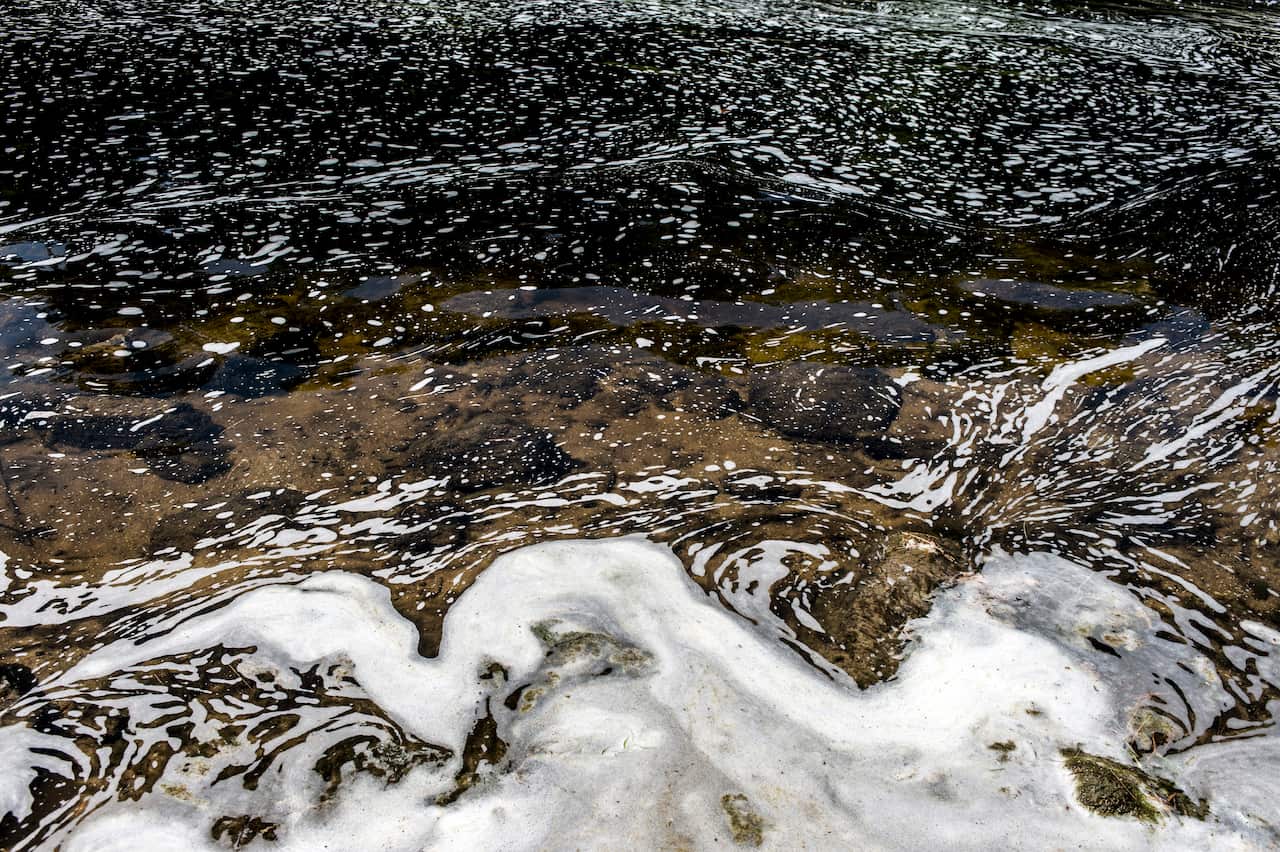
In 2023, a class-action lawsuit in South Carolina was brought against 3M by thousands of residents whose drinking water had been contaminated by the same AFFF fire-fighting foam the government is suing over.
The company was forced to pay US$10.3-12.5 billion ($14.45-$17.54 billion) to clean the water supply of millions of Americans.
Internal documents and legal cases show 3M knew PFAS were toxic as early as the 1970s but hid this information from the public and continued selling products containing them.
The diffusion of PFAS throughout the natural world has been described by experts as "one of the greatest threats facing mankind".
They have been detected in animals, plants, and the most remote regions on the planet, as well as deep beneath its surface.
Australian Bureau of Statistics data found that toxic PFAS chemicals are present in the blood of 85 per cent of the population. However, an Australian National University study found that trace environmental exposure has not been shown to cause direct disease in the public.
Industrial workers manufacturing the chemicals and those living next to contaminated zones who have spent years drinking contaminated water are the most at risk.
3M changed its product formulations in the US in the early 2000s and stopped selling Lightwater AFFF in Australia in 2005., to comply with Defence specifications.
3M committed to completely abandoning all PFAS manufacturing in 2022.
For the latest from SBS News, download our app and subscribe to our newsletter.







