Indigenous Australia has long had a troubled relationship with the mainstream media.
On Invasion Day in 2012, a small gathering of people outside Old Parliament House were told Tony Abbott wanted the Tent Embassy torn down.
It later emerged the situation was inflamed by the then Prime Minister Julia Gillard's media advisor.
Indigenous radio host, Tiga Bayles was present at Old Parliament House January 26th, 2012 and said the portrayal of the event was far from accurate.
“It's just typical; it was typical of the government, to put a slant on it to make us look bad. But it was so off the mark, it wasn't anywhere near what happened,” says Mr Bayles.
News that makes sense
Your trusted source for staying up-to-date with the world around you. Get free daily news updates and analysis, straight to your inbox.
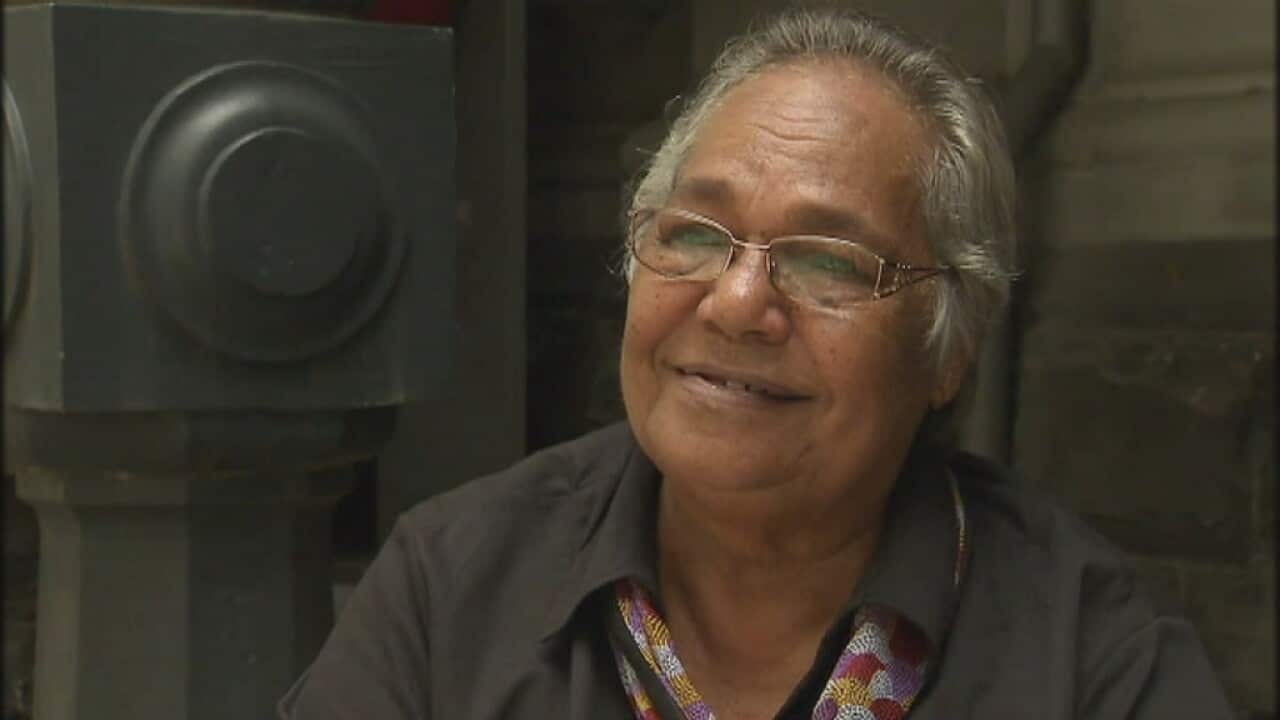
Former child star Rosalie Kunoth-Monks was recently awarded more than $130,000 because she was defamed by the Australian Broadcasting Company who said she was linked to the trouble that day.
She says most of the stories she sees about Aboriginal people are negative.
“Well I always believe the media does not look at us in a good light at all and hence my hesitation to speak to mainstream media. I keep to myself,” says Ms Kunoth-Monks.
Earlier this year in Logan, what was described at the time as a 'race-riot' broke out between an Indigenous family and a non-Indigenous family.
It's another situation which locals say wasn't exactly portrayed accurately on television.
Rosalie Kunoth-Monks says it makes Indigenous people think twice about engaging with media organisations.
“If you're going to try to talk to them and get your point across, it's always interpreted entirely differently than what it comes across [as],” says Ms Kunoth-Monks.
The question that Indigenous media observers have to ask: is this genuine lack of understanding of Indigenous stories or a lazy reliance on old racist stereotypes?
Watch: David Liddle interview with Tiga Bayles on the history and future of Indigenous media







