
In Brief
- The deal reportedly includes releasing $35 billion in Iranian assets in exchange for an end to Iran's nuclear program.
- US President Donald Trump has threatened to restart attacks if a nuclear agreement is not reached.
Prime Minister Anthony Albanese and Foreign Minister Penny Wong are calling on the United States and Iran to "use this opportunity" to restore stability ahead of the expected signing of a peace deal on Friday.
On Monday, the US and Iran announced they had reached a long-awaited agreement that could effectively end the war that started in late February.
In a joint statement, Albanese and Wong welcomed moves to reopen the Strait of Hormuz following the successful inking of the deal.
"While full recovery will take time, restoring this vital trade corridor is essential to easing pressure on energy prices and economies, including in our region," they said.
"We encourage all parties to use this opportunity to pursue a durable and lasting peace through dialogue and diplomacy. Iran must address longstanding concerns about its nuclear program and the threat it poses to international security."
News that makes sense
Your trusted source for staying up-to-date with the world around you. Get free daily news updates and analysis, straight to your inbox.
Iran has repeatedly denied it is pursuing nuclear weapons and has said its nuclear program is for civilian energy purposes.
Australia joins the United Kingdom, Japan, and European leaders in welcoming news of a potential deal, with some prepared to ease sanctions on Iran if a nuclear agreement is reached.
What do we know about the peace deal signing?
The memorandum of understanding is set to be signed in Geneva, Switzerland, on Friday. The memorandum will set the stage for more expansive talks during the 60-day ceasefire.
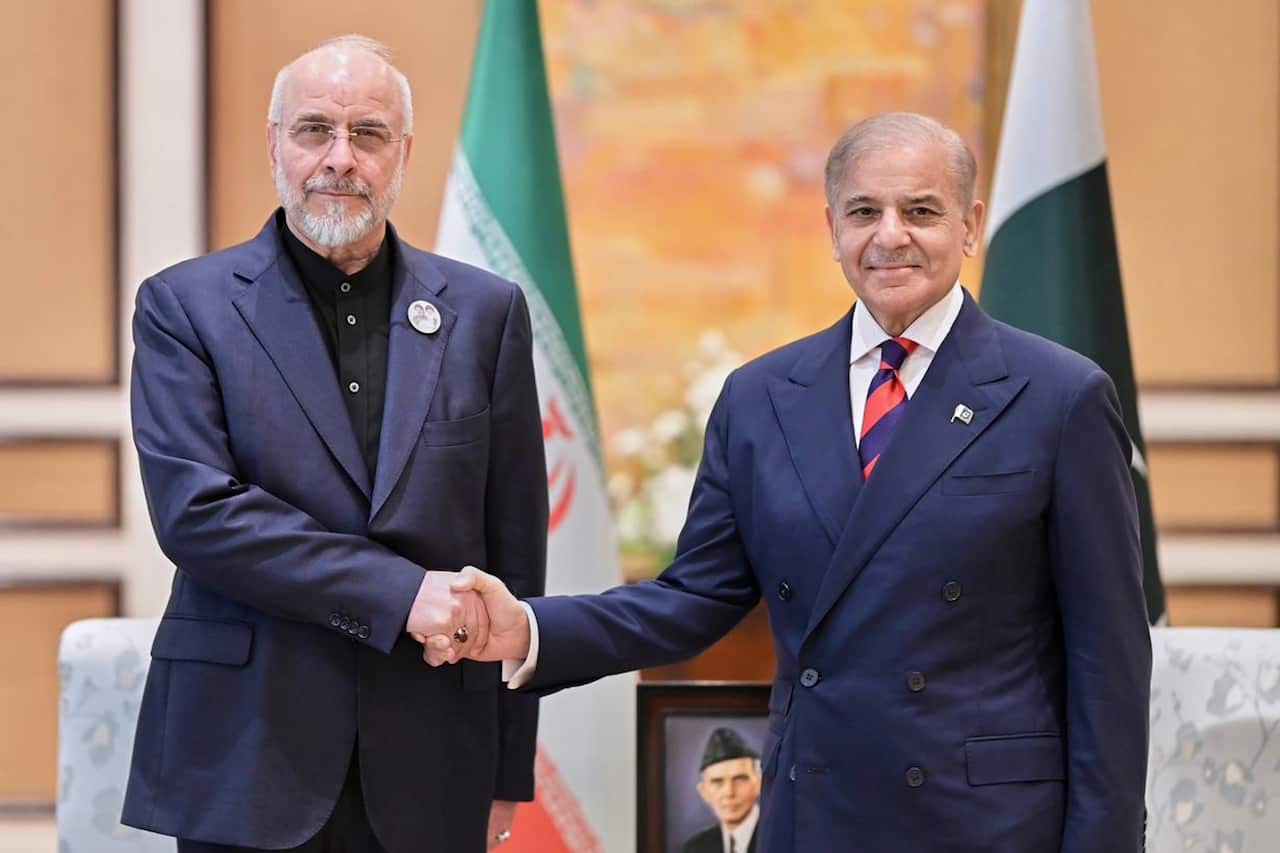
The ceasefire will include Lebanon, according to Iran's deputy foreign minister Kazeem Gharibabadi and Pakistan's Prime Minister Shehbaz Sharif.
Lebanon has been a point of tension in peace talks as strikes between Israel and Hezbollah — a Lebanese political party and militant group, which Australia deems a terrorist group — have continued despite a ceasefire.
It's understood Iran will be represented at the signing by General Mohammad Bagher Ghalibaf, who has been chief negotiator of the talks, along with foreign minister Abbas Araghchi.
US vice president JD Vance will sign on behalf of his country, making Friday's event the most significant meeting between the two countries since diplomatic relations were cut during the Islamic Revolution in 1979.
Terms of the deal haven't been released to the public, but the Reuters news agency has reported that a draft deal includes the US agreeing to release US$25 billion ($35 billion) in frozen Iranian assets.
In exchange, Iran would agree not to produce or acquire nuclear weapons.
Both the US and Iran have announced the Strait of Hormuz would open on Friday following the deal's signing. The crucial waterway, through which around one-fifth of the world's oil normally passes, has been effectively closed since late February.
According to Iran's national security council, the deal also includes an end to the US naval blockade of Iran. Trump also posted on his Truth Social platform that he had authorised the lifting of the blockade.
Sanctions lifted?
World leaders have reiterated their support for peace and Iranian nuclear disarmament, including easing sanctions on the nation.
The leaders of the UK, France, Germany and Italy published a joint statement indicating they were "prepared to lift relevant sanctions in response to clear, verifiable steps by Iran on its nuclear program".
"Iran must never acquire a nuclear weapon. We stand ready to work with the US, Iran, and the IAEA to this end," it said.
In a separate statement, UK Prime Minister Keir Starmer urged "toll-free freedom of navigation to be restored" in the Strait of Hormuz.
Japan's Prime Minister Sanae Takaichi, who had previously expressed concerns about the war's impact on the Indo-Pacific, also welcomed the news.
The Albanese government has not yet commented on whether it would consider easing sanctions. The government has imposed more than 230 sanctions on Iranian individuals and entities — primarily due to the Iranian regime's oppression of its people.
Will the peace deal last?
Since announcing the deal on Sunday evening in Washington, Trump has threatened to rescind it if Iran does not reach an agreement on nuclear.
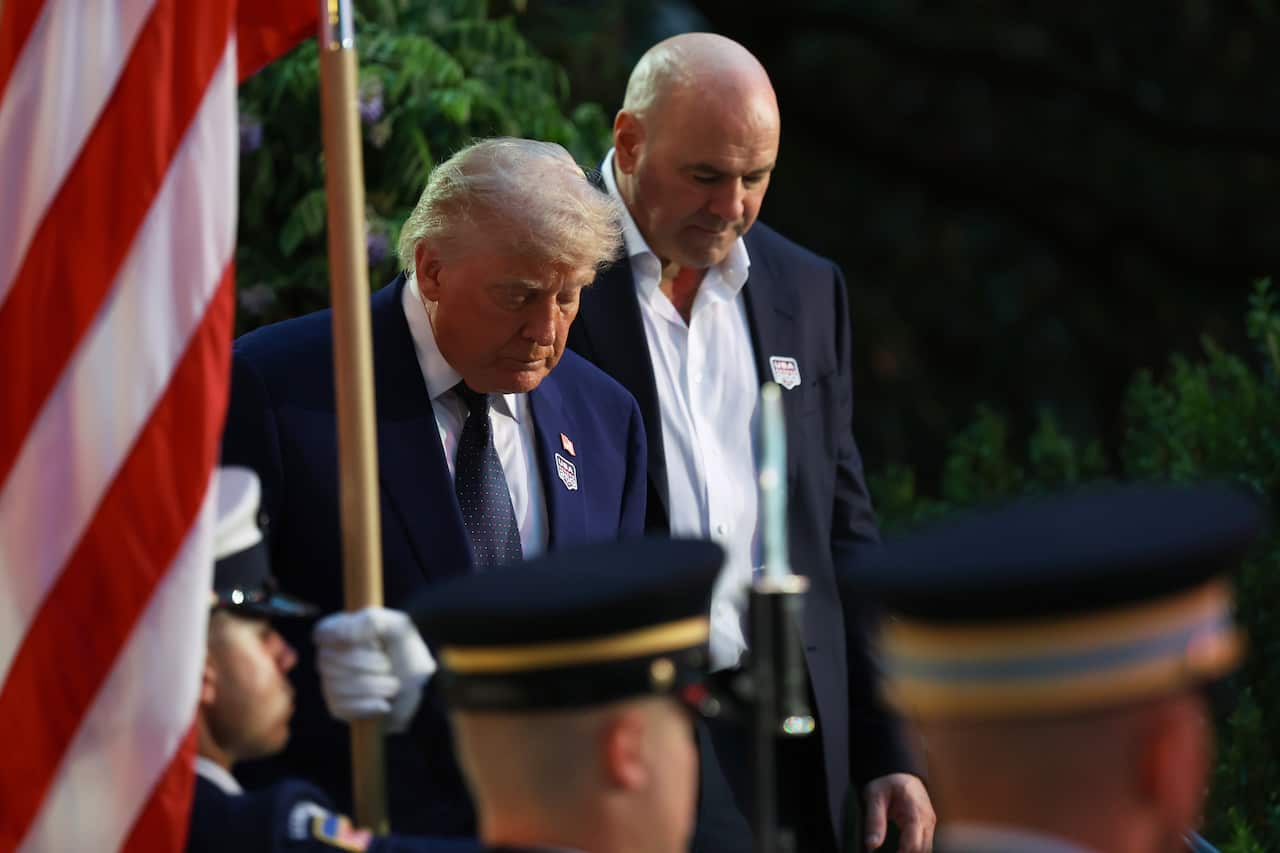
Speaking to the New York Times from his 80th birthday celebration, Trump reportedly told the outlet he was not afraid to restart attacks or make the US "the guardian of the Middle East".
Israel's Prime Minister Benjamin Netanyahu, who has clashed with Trump over Iran talks, said it was not party to the deal.
Israel struck the southern suburbs of Lebanon's capital on Sunday, hours before the arrangement was announced. The strikes killed three and injured a further 16.
After the attack, Trump posted on social media that the strikes "should not have happened".
"He [Netanyahu] should be very thankful to us for doing this," Trump told the New York Times.
"Because if Iran had a nuclear weapon, Israel wouldn't be around for two hours."
For the latest from SBS News, download our app and subscribe to our newsletter.







