
More than 140 ancient geoglyphs depicting animals, plants and fantastical figures have been discovered in the Peruvian desert, including a humanoid figure identified using artificial intelligence.
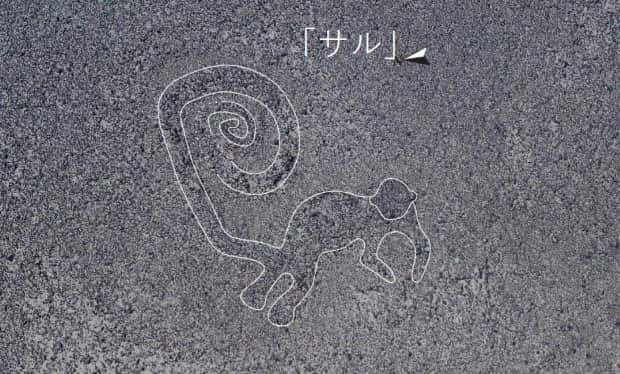
A two-headed snake, a monkey with a coiled tail and human-like shape are also among the 143 Nazca Lines recently discovered by Japanese researchers.
Visible only from the air, the large shapes are believed to have been etched into the ground about 400 kilometres from Peru's capital Lima and are believed to have been set in place more than 2,000 years ago.
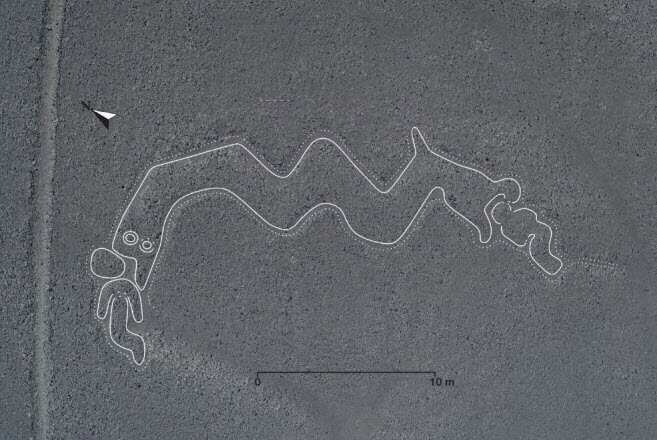
While the Yamagata University researchers analysed satellite images to identify most of the ancient markings, an artificial intelligence trial was responsible for the discovery of the faint outline of a humanoid figure carrying a cane.
News that makes sense
Your trusted source for staying up-to-date with the world around you. Get free daily news updates and analysis, straight to your inbox.
A collaboration between the university and IBM's artificial intelligence system Watson enabled large sets of aerial photos, maps and other data on the Peruvian landscape to be scoured.
The discovery by AI has raised hopes that the technology will be able to speed up the process of identifying otherwise hard-to-spot markings.
Described as "one of archaeology's greatest enigmas", the lines and geoglyphs of Nasca in the arid Peruvian coastal plain have been designated a UNESCO World Heritage site.
The shapes - some as long as several kilometres long - are believed to have had ritual astronomical functions.
Cultural Anthropology Professor Masato Sakai said the Nazca Lines were facing a "crisis of destruction" and should be "cleaned up" to ensure their preservation.
"The most important point is not the discovery itself," Professor Sakai said.
In 2014, Greenpeace activists left footprints in the ground when they laid a message promoting renewable energy in the world heritage site.
Last year, a truck driver was charged after ignoring warning signs and plowed through part of the historic Nazca Lines.







