People living with depression are facing a major gap in treatment options as researchers discover why antidepressants might not be helping many address their symptoms.
The University of Sydney's Brain and Mind Centre has undertaken the largest study of its kind of almost 15,000 Australians living with depression, 75 per cent of whom were women.
Researchers identified a distinct "atypical depression" strongly linked to other mental and physical illnesses.
Symptoms of atypical depression included weight gain and excessive sleep during their worst depressive episodes, which are different to characteristics traditionally associated with depression.
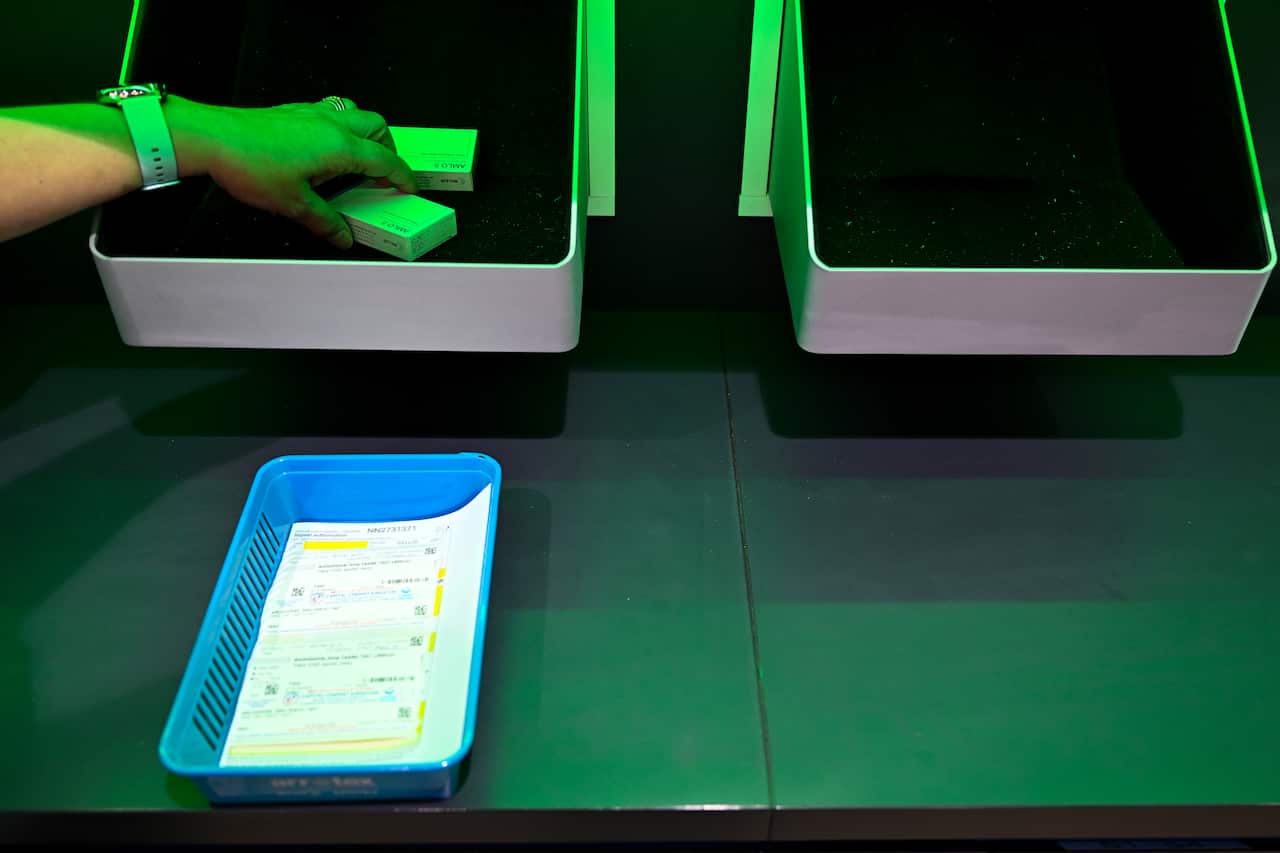
Antidepressants are routinely prescribed as a first-line treatment, but the study found people with this illness profile were less likely to respond to the medication and more likely to experience side effects such as further weight gain.
News that makes sense
Your trusted source for staying up-to-date with the world around you. Get free daily news updates and analysis, straight to your inbox.
Atypical depression was more common in women and the findings suggested a major gap in treatment for those experiencing it, lead author Mirim Shin said.
"Depression is not a one-size-fits-all and there are many different types," she said.
"People with atypical depression had higher genetic risk of many other mental health conditions and physical health conditions, such as diabetes, and did not respond well to antidepressants."
'I couldn't handle the side effects'
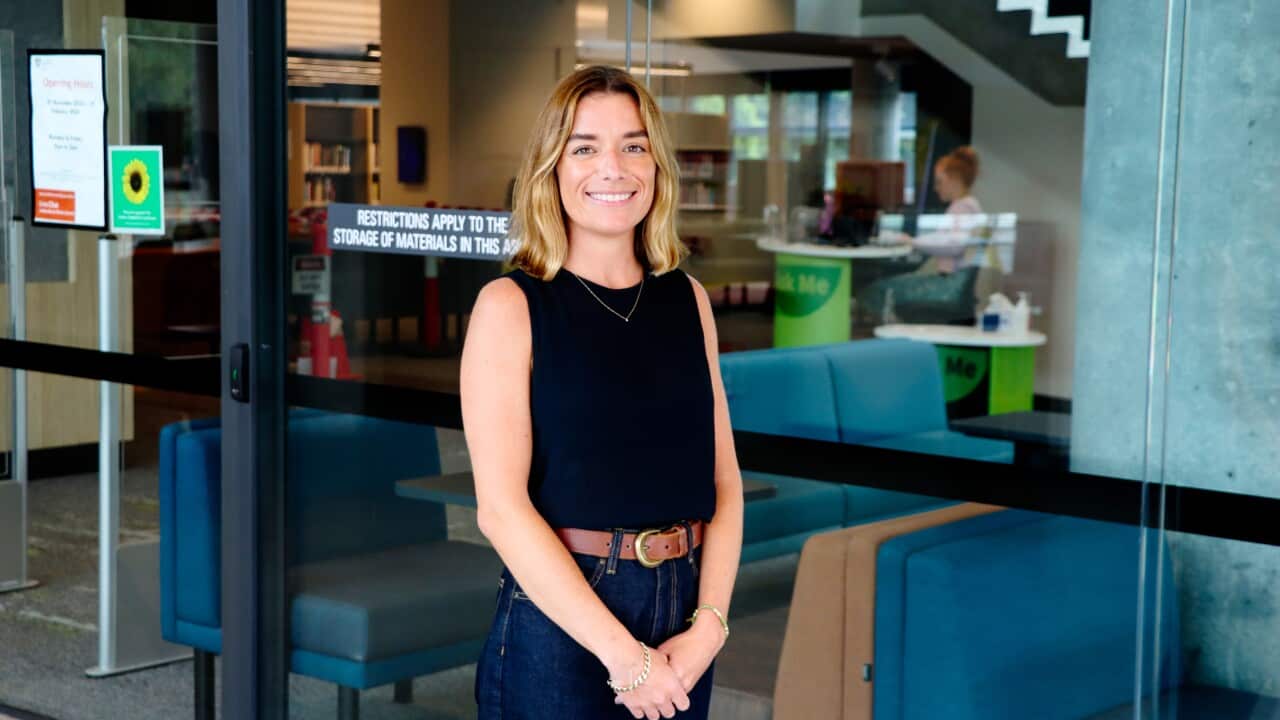
Alexis Hutcheon struggled with the side effects of common antidepressants for more than a year before she was able to find a treatment that worked for her.
She was experiencing physical symptoms, including metabolic, sleep and inflammatory issues along with her depression, which made it difficult to determine what the problem was.
"Even though I've worked in mental health for a long time, I didn't recognise some of the things I was experiencing as depression," Hutcheon said.
"The antidepressants I was prescribed either worked for a little bit and stopped, or I couldn't handle the side effects."
Hutcheon took part in a clinical trial that helped address her atypical depression, but she said more education was needed for clinicians and patients.
"Physical and mental health is all linked and understanding that and having that explained to you is really important," she said.
"This sort of research starts a conversation about not having a one-size-fits-all approach, and shifting the thinking that one single diagnosis won't be treated in the same way for everyone."
The study findings suggested biological processes, such as a dysregulated body clock, might be behind atypical depression, and showed the need for alternative treatments that targeted the circadian rhythm.
"By understanding this unique trajectory leading to atypical depression, we can tailor treatments to individuals based on an individual's biology," Shin said.
"This personalised approach would ensure people got help sooner and avoid ineffective and prolonged medication trials that may cause side effects that can be distressing."
A significant number of Australians, many of them women, were not receiving the right treatment the first time they sought help, Brain and Mind Centre co-director Ian Hickie said.
"This research makes a strong case for more precise treatment for individuals based on their biology as a vital tool in tackling increasing rates of depression."
Readers seeking support with mental health can contact Beyond Blue on 1300 22 4636. More information is available at beyondblue.org.au. Embrace Multicultural Mental Health supports people from culturally and linguistically diverse backgrounds.
For the latest from SBS News, download our app and subscribe to our newsletter.







