Hundreds of men from Australian and New Zealand divisions died, and more than 6,000 fell into enemy hands.
More than 80 per cent of prisoners of war captured during World War II were ANZACs in Greece and Crete, according to historian Dr Maria Hill, who is the author of 'Diggers and Greeks'.
A lucky few escaped before being transported to Germany. Hiding in forests, they relied on the generosity of Greek villagers to survive. Many joined the Greek resistance.
News that makes sense
Your trusted source for staying up-to-date with the world around you. Get free daily news updates and analysis, straight to your inbox.
Xanthoula Papadopoulou was just a girl when one young escapee arrived at her grandfather's home. His name was Bert 'Slim' Wrigley, and her family saved his life.
Xanthoula's father was executed for helping the Allies.
Ten years later, she came to Melbourne and married Slim.
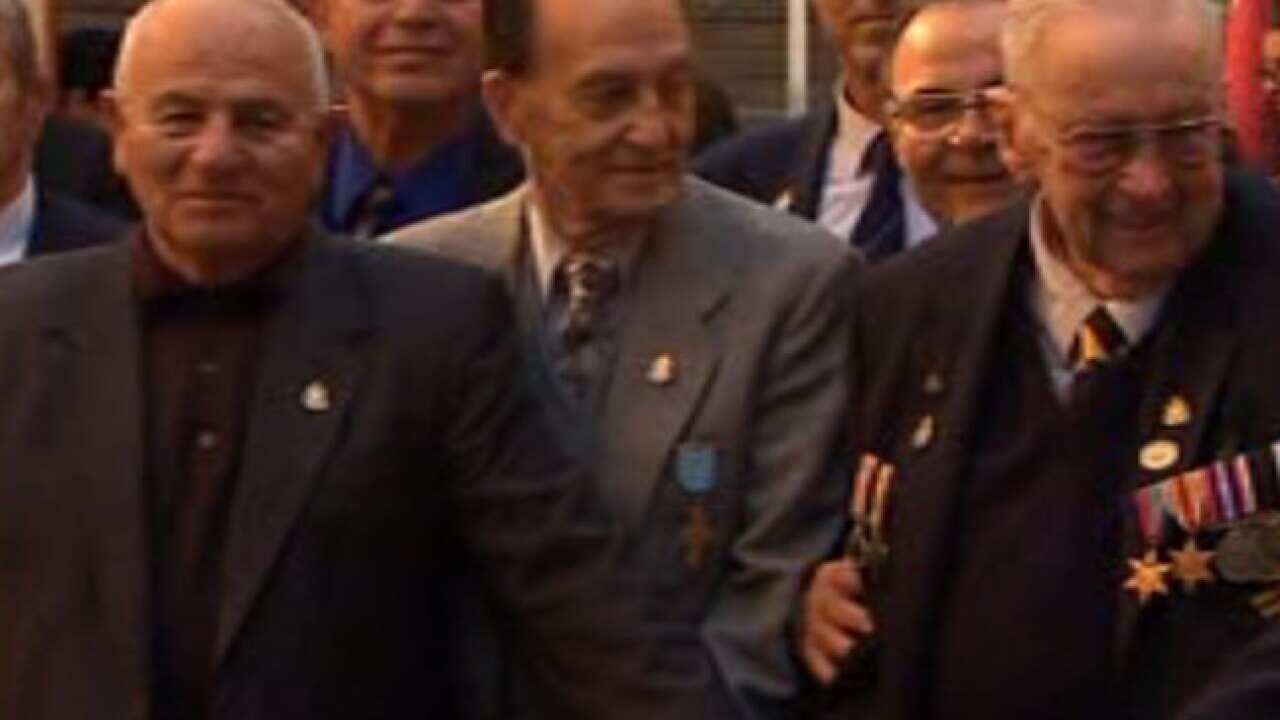
Greece honoured the Anzacs who helped defend their country with medals issued after the war, but Australia didn't allow the men to wear them until the 1990s.
Frank Cox is a veteran who's spent decades petitioning the government to honour his comrades.
He says an award shoud be given posthumously to ensure the men are remembered as Anzacs.
But the government says the Hellenic memorial in Canberra, along with other campaign medals the men had already received are enough.
Medals aside, the legacy is so strong that a group of musicians travelled all the way from Crete to Sydney to mark 71 years since the Anzac campaign in Sydney on May 19th.
An online petition has gathered hundreds of signatures, as the descendants of men like Slim and his comrades continue the struggle for recognition.
But even if this generation can't change the government's mind, the bonds forged between diggers and Greeks under fire are sure to last many more.
Watch this report on YouTube:
Dr Maria Hill describes what she calls 'chilling similarities' between the Gallipoli campaign in World War I and the Greece and Crete campaigns of WWII:







